

Stuart Period Painting
When you search for stuart period painting, you enter a world of aristocratic portraiture defined by oil on canvas and panel.
Stuart Period Painting
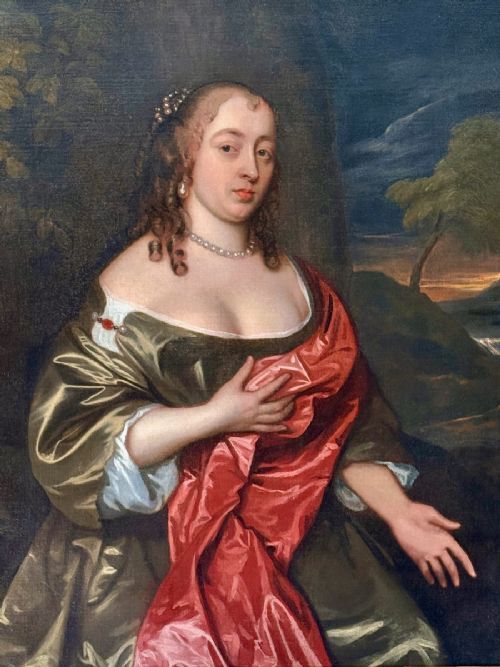
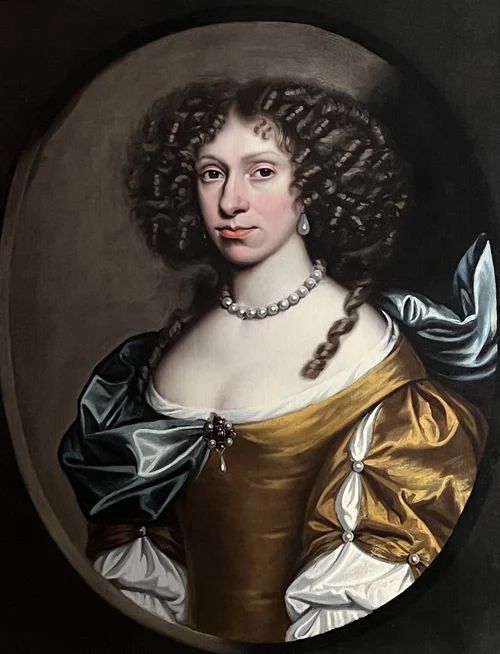
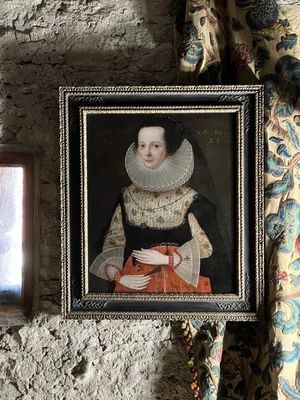
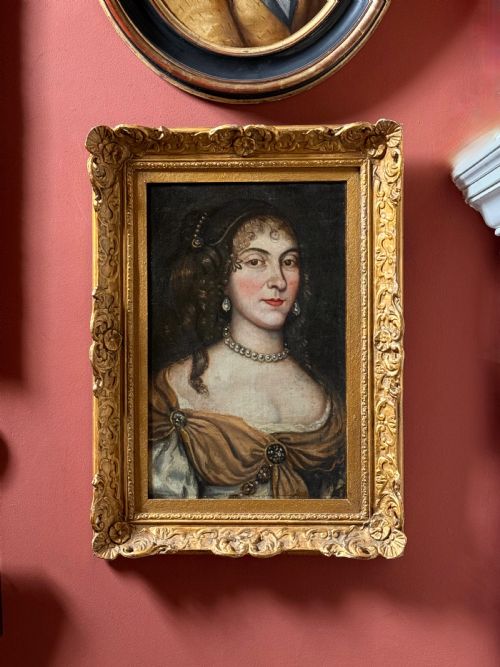
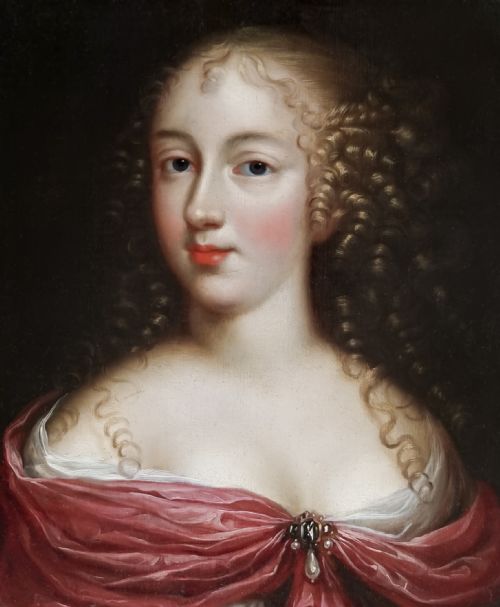
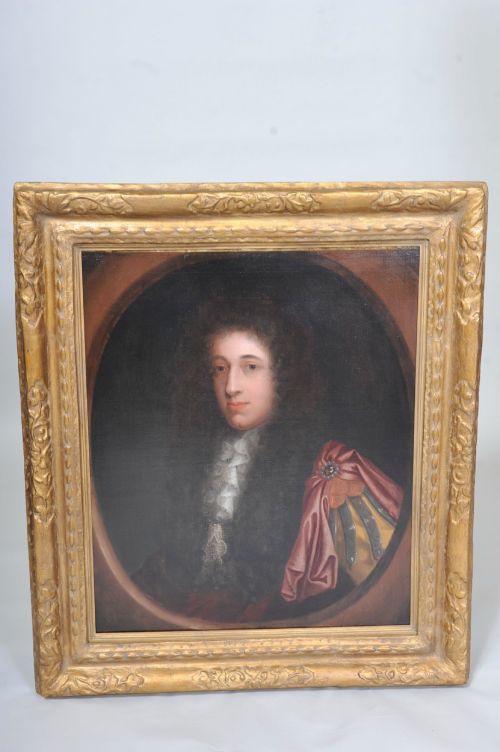
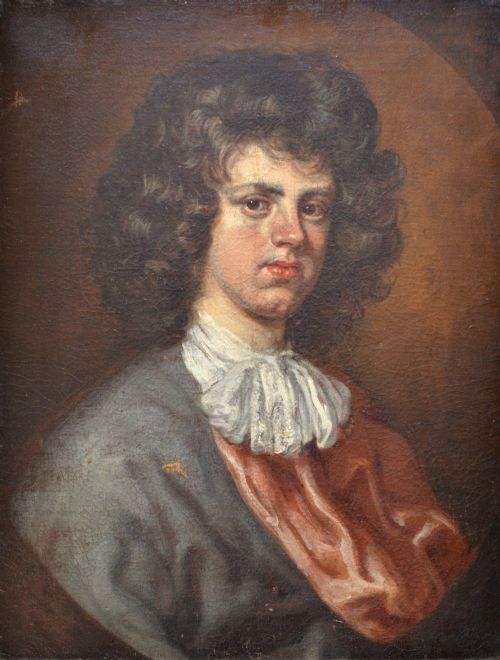
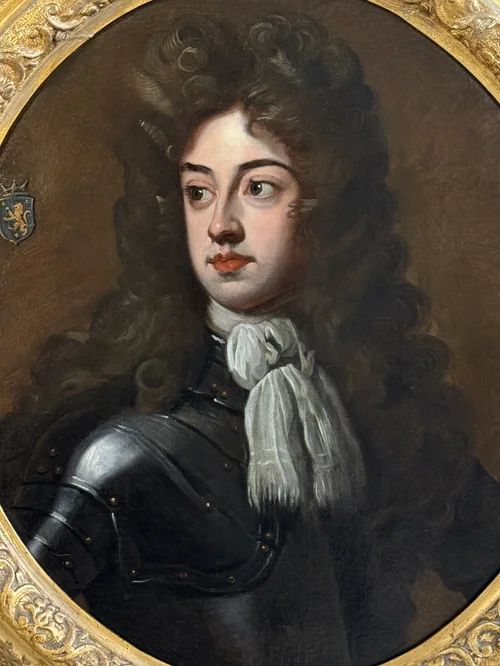
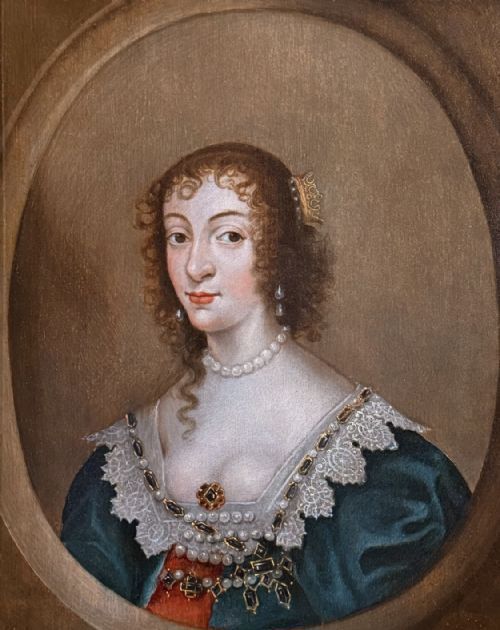
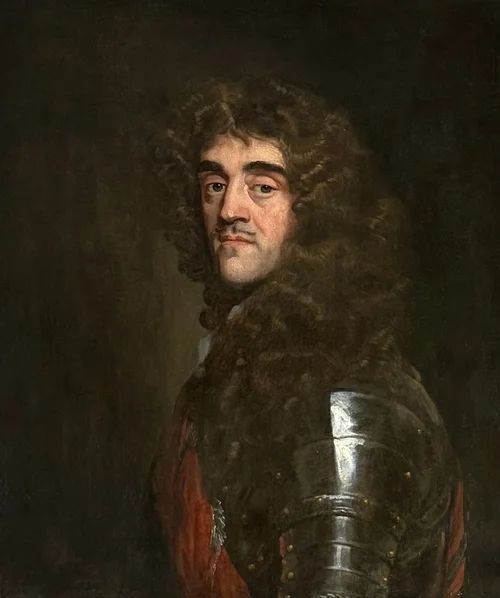
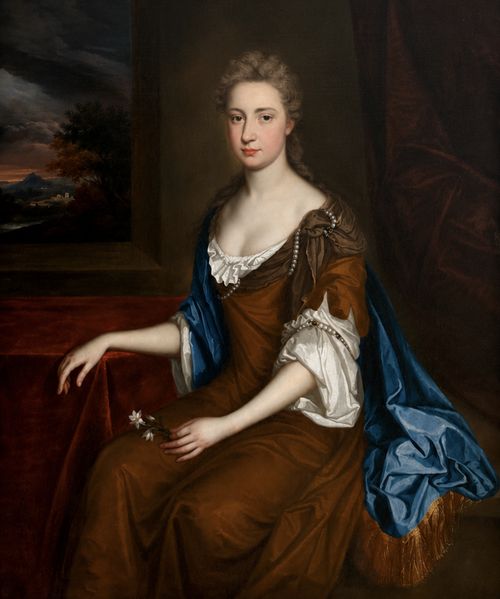
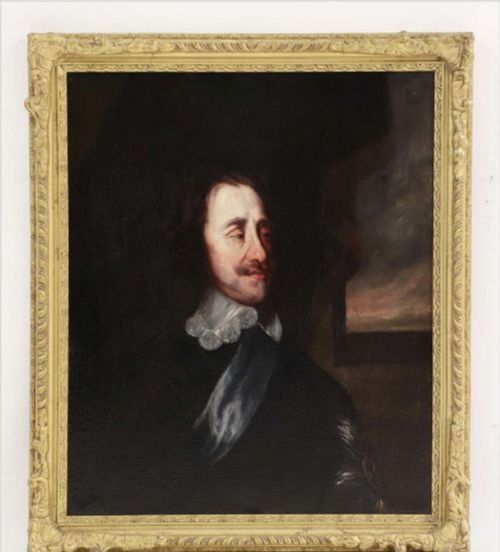
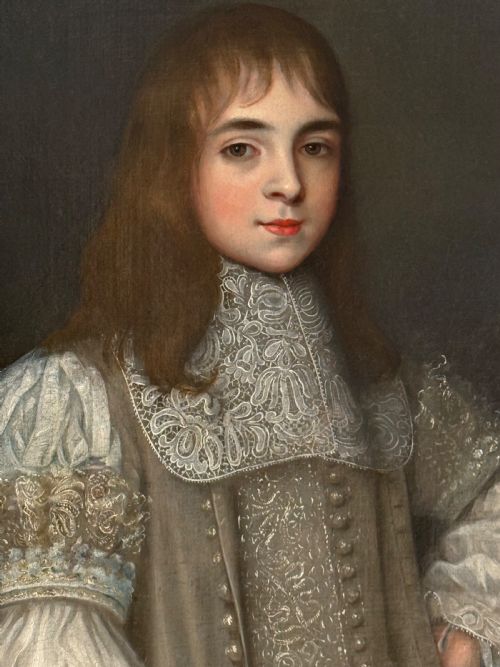
A stuart period painting captures the likenesses of nobles, monarchs, and gentlefolk from the seventeenth century, spanning the Jacobean, Caroline, and Restoration eras. These works primarily take the form of oil paintings on canvas or wood panel, often presenting sitters in elaborate costume, lace, and armour.
The version most frequently met on this page is the individual portrait, ranging from half-length depictions to grand representations of noblewomen and gentlemen. Such pieces reflect the dominant visual culture of British Baroque and seventeenth-century English art.
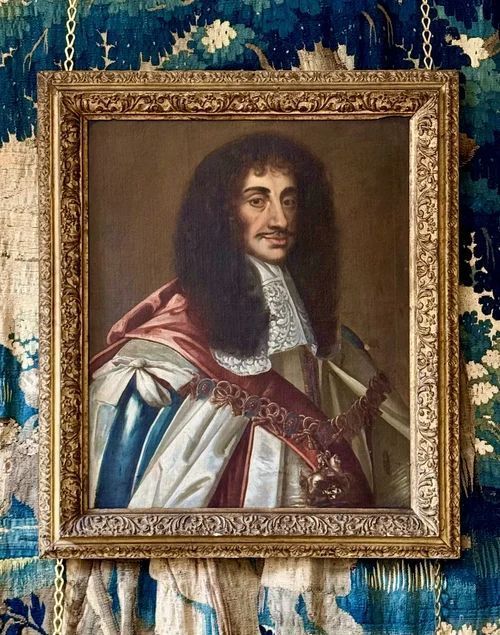
Beyond individual likenesses, the selection includes royal portraits and historical figures linked to the Stuart court. These artworks serve as historical documents of status, lineage, and political allegiance through their careful recording of costume and insignia.
Materials and Technique
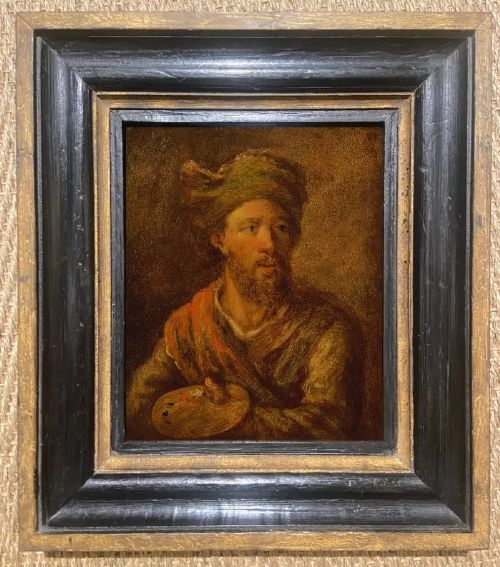
Artists of this era typically applied oil paint to stretched canvas or prepared wooden panels using layered glazing techniques to build depth in skin tones and fabrics. Ground layers of chalk and size provided a stable, smooth foundation for the pigments.
Frames played an integral role, with original or period-appropriate giltwood and carved wood frames designed to complement the grandeur of the composition. Gilding with gold leaf highlighted the ornamental details of both the framing and the sitters' attire.
The listings feature oil paintings on canvas and wood panel created across the seventeenth and nineteenth centuries.
Judging Quality
The distinction between a workshop production and the hand of a master painter rests in the handling of facial expression, hands, and textile textures. Superior works demonstrate subtle tonal transitions and convincing anatomy rather than rigid, formulaic rendering.
The preservation of the original paint surface and the stability of the canvas or wood panel dictate the visual integrity of the piece. Unrestored areas retain the artist's precise brushwork, whereas heavy overpainting obscures the original execution.
Sir Peter Lely·Sir Godfrey Kneller·Mary Beale·John Greenhill·Cornelius Johnson
The Stuart Period Painting Glossary
- Oil on canvas
- A painting medium where pigments are suspended in a drying oil, typically linseed, and applied to a woven fabric support. This combination allowed artists to achieve rich colour saturation and large formats.
- Giltwood
- Wood that has been coated with a thin layer of gold leaf or powder. It provided opulent borders for portraits during the seventeenth century.
- Panel painting
- A work executed on a flat piece of wood rather than canvas. Oak was commonly utilised by seventeenth-century British and continental European painters for this purpose.
- Circle of
- A term used in art history to describe an artist working closely alongside a master, absorbing their style and methods. These works share the technical characteristics of the principal painter.
- Baroque
- An artistic style prevalent in the seventeenth century characterised by drama, rich detail, and dynamic movement. In portraiture, this translated into theatrical drapery and expressive poses.
Stuart Period Painting: Frequently Asked Questions
How do I identify a seventeenth-century portrait?
Authentic works from this era reveal their age through the craquelure of the oil paint, the preparation of the canvas or wood panel, and the specific style of costume worn by the sitter. Examining the stretcher frames and pigments under magnification often confirms seventeenth-century materials.
Historical context also aids identification, as hairstyles, lace collars, and armour evolved rapidly across the reigns of the Stuart monarchs. Comparing costume details with dated examples provides a reliable chronological anchor.
Were these paintings signed by the artist?
Signatures were uncommon on seventeenth-century British portraits, as many works emerged from busy studio workshops where assistants contributed to drapery and backgrounds. Attribution relies instead on stylistic analysis, historical records, and documented provenance.
When a signature does appear, it requires careful verification against known exemplars from the period. Unsigned works frequently carry attributions to a circle or school of a known master based on technical execution.
How should I care for an antique oil painting?
Preserving these works requires stable environmental conditions with minimal fluctuations in temperature and relative humidity. Keeping paintings away from direct sunlight prevents the fading of organic pigments and the yellowing of old varnish.
Dusting should be performed gently with a dry, soft brush by someone experienced in handling historic surfaces. Professional conservators should handle any cleaning or structural repairs to the canvas and frame.
What is the difference between studio work and master work?
A master painting represents the direct, primary creation of a celebrated artist, featuring their personal touch in the focal areas such as the face and hands. These pieces command greater scholarly attention due to their distinct technical execution.
Studio productions involved assistants and apprentices executing parts of the composition under the master's supervision, often replicating popular royal or aristocratic portraits. While sharing the same visual language, they reflect a collaborative workshop output.