



Antique Equine Art
Antique equine art captures the nobility and power of horses through centuries of paintings, sculptures, and drawings.
Antique Equine Art
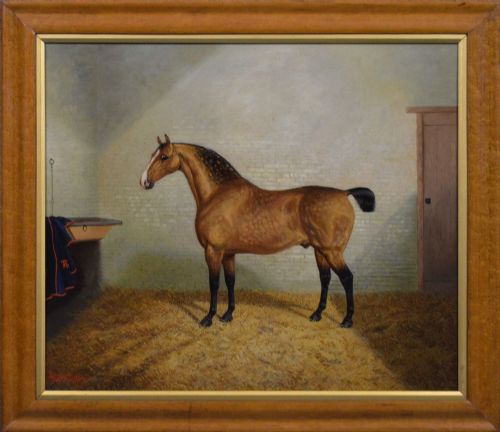
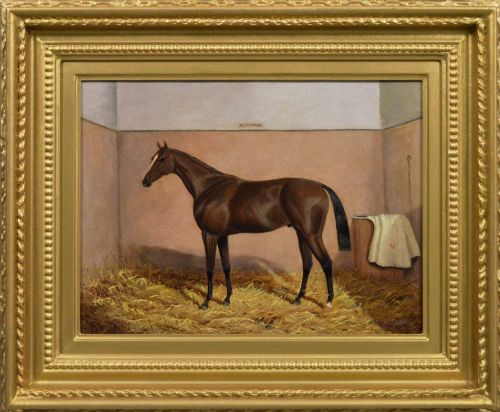
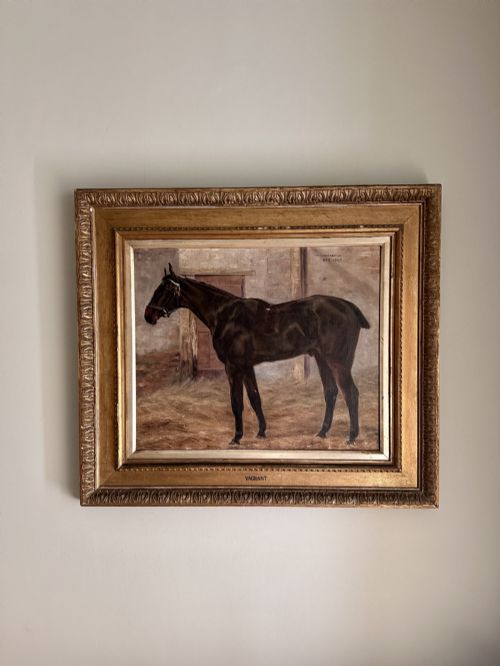
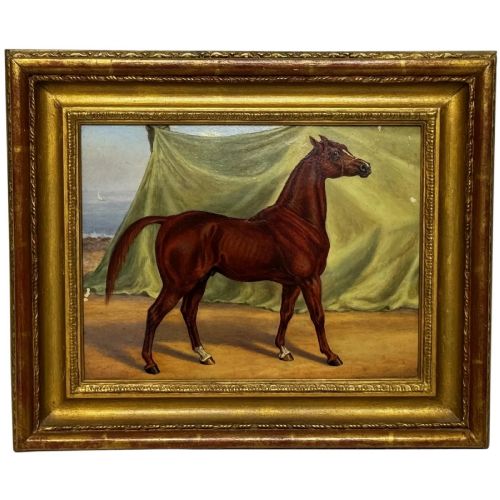
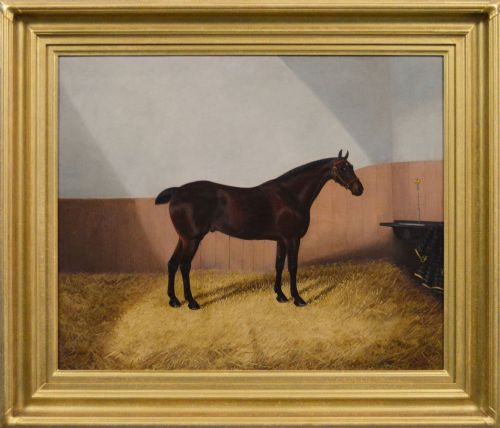
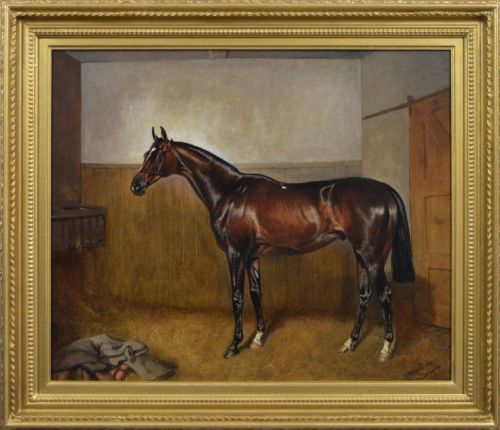
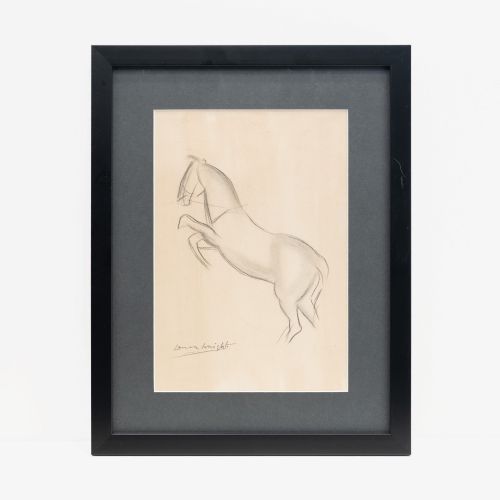
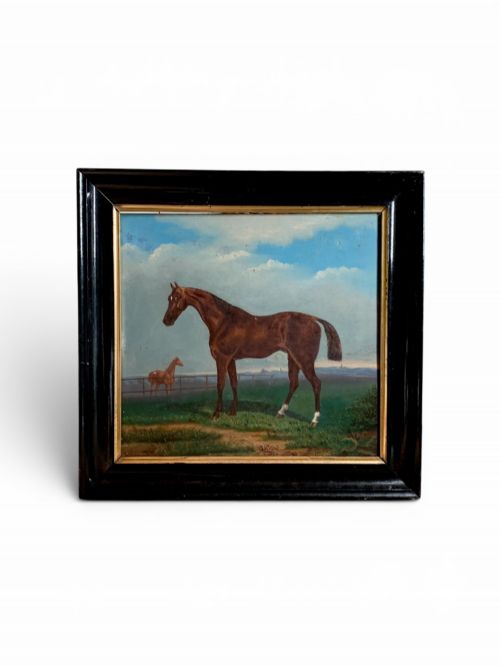
Antique equine art encompasses oil paintings, pastels, watercolours, and sculptures dedicated to horses, ranging from individual portraiture of famous racehorses to rural working scenes. Buyers seeking this category encounter numerous Victorian oil paintings on canvas, alongside framed prints, drawings, and wooden or bronze models.
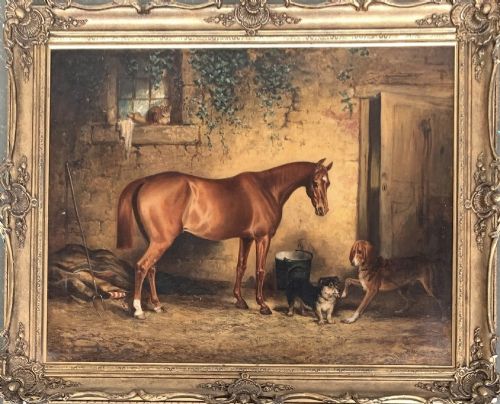
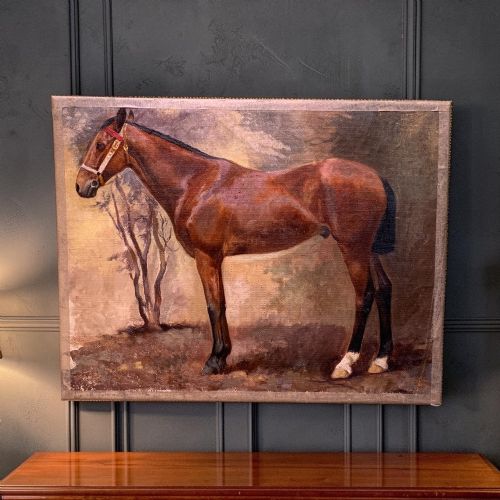
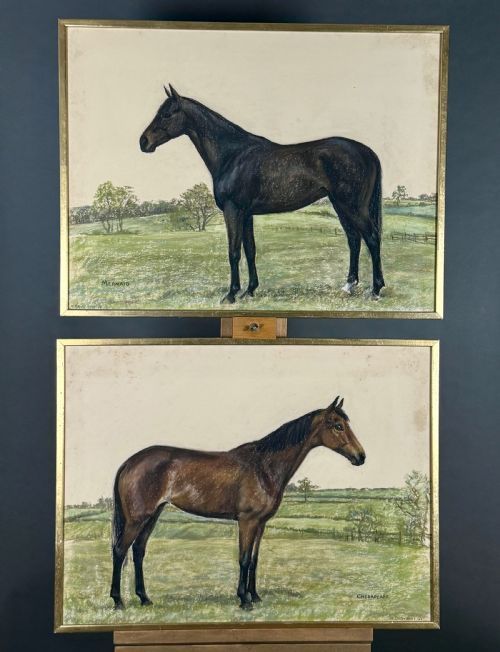
Portraits of named thoroughbreds, hunters, and stable scenes dominate the selection, often produced by specialist animal painters of the nineteenth and early twentieth centuries. These works frequently record specific animals by name, detailing their physical conformation, lineage, and owners.
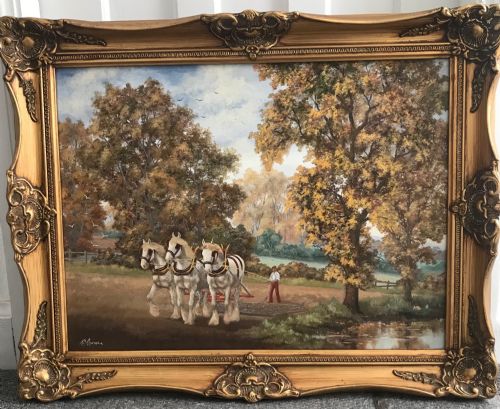
Beyond strict portraiture, the genre extends to broader rural landscapes incorporating horses at work, such as hay wagons, farmyards, and coastal scenes with ponies. Stylistically, pieces span from Georgian and Regency traditions through Victorian sporting art into early twentieth-century interpretations.
How they were made
The majority of these works rely on oil paint applied to canvas, wood panels, or pine, utilising traditional layering techniques to render the sheen of a horse coat and the play of light in a stable. Watercolour and pastel on paper appear alongside these oils, offering softer, more immediate studies of foals and equestrian pairs.
Three-dimensional pieces employ bronze casting or hand-carved wood, sometimes retaining original painted surfaces or mounted on giltwood elements. Frames frequently consist of carved wood and gesso, often gilded with gold leaf to complement the fine art within.
Listings feature nineteenth-century oil paintings on canvas alongside pastels, watercolours, and carved wooden models.
What varies in quality
Anatomical precision and the accurate rendering of equine movement separate exceptional pieces from lesser works, as master painters captured the distinct muscle structure, eye expression, and stance of specific breeds. The handling of background detail, whether a convincing stable interior or a luminous landscape, adds depth to the composition.
The prominence of the artist and the documentation attached to the piece heavily influence distinction within the field. Works bearing clear attribution to known sporting painters or carrying specific provenance regarding past owners and historic races command greater interest than anonymous studio output.
Henry Barraud·Albert Clark·Fred Fitzpatrick·John Alfred Wheeler·Thomas Walker Bretland·John Frederick Herring Snr·John Ferneley Senior·William Williams·George E Sharpe·Eugene Joseph Verboeckhoven·Benjamin Cam Norton·Clifton Tomson·Alfred Moginie Bryant·Arthur Winter Shaw·Abraham Cooper RA
The Antique Equine Art Glossary
- Canvas
- A heavy woven fabric stretched across a wooden frame to serve as a support for oil paintings. It provides a textured surface that holds layered pigment over centuries.
- Giltwood
- Wood that has been coated with a thin layer of gold leaf or gold paint. This material is standard for ornate period picture frames.
- Panel
- A flat piece of wood used as a rigid painting surface instead of canvas. Pine and other timbers offered a stable base for eighteenth and nineteenth-century artists.
- Provenance
- The documented history of ownership of an antique object from its creation to the present day. Verified lineage establishes authenticity and historical context.
- Sporting Art
- A genre of painting and sculpture dedicated to rural sports, horse racing, hunting, and prized animals. It flourished in Britain during the Georgian and Victorian eras.
Antique Equine Art: Frequently Asked Questions
What subjects do these horse paintings usually show?
Most works depict named racehorses, hunters in stable interiors, or working animals in rural landscapes. Many capture specific historical winners and prize mounts commissioned by their owners.
Other pieces place horses in broader countryside settings, including farmyards with agricultural machinery, hunting parties, or coastal scenes with ponies and sheep.
How can I tell a Victorian painting from a Georgian one?
Georgian and Regency works typically exhibit a more restrained palette and formal composition, focusing heavily on the exact conformation valued by early breeders. They often place the animal within a simplified landscape or classic stable.
Victorian and Edwardian pieces frequently introduce more dramatic lighting, detailed background narratives, and looser brushwork. Subject matter during these later periods also expanded to include everyday rural labour and detailed racing portraits.
Were these artworks created as records or decoration?
Many served as direct records of valuable livestock, commissioned by owners, breeders, and racing figures to document champion horses and lineage. Artists were often invited to stables specifically to paint a prized stallion or hunter.
Simultaneously, smaller works and painted prints fulfilled a decorative role for country houses and sporting enthusiasts who wished to celebrate rural pursuits and equestrian culture.
How should I display and care for antique oil paintings?
Antique canvases and panels require stable environmental conditions away from direct sunlight and sudden temperature shifts. Hanging them on interior walls protects the oil paint and canvas from excessive moisture.
Dusting should be done gently with a soft, dry brush, avoiding any liquid cleaners or chemical agents on the painted surface or the original giltwood frame.