



Traditional Horse Picture
A traditional horse picture captures the enduring bond between humans and equines through centuries of fine oil paintings, watercolours and engravings.
Traditional Horse Picture
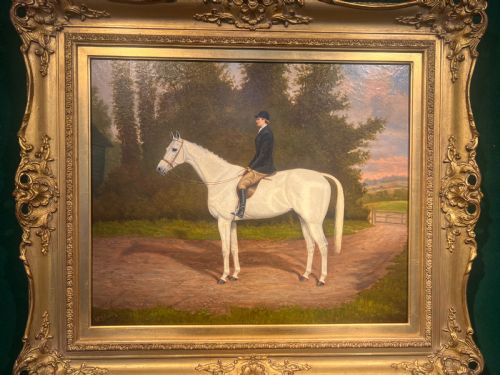
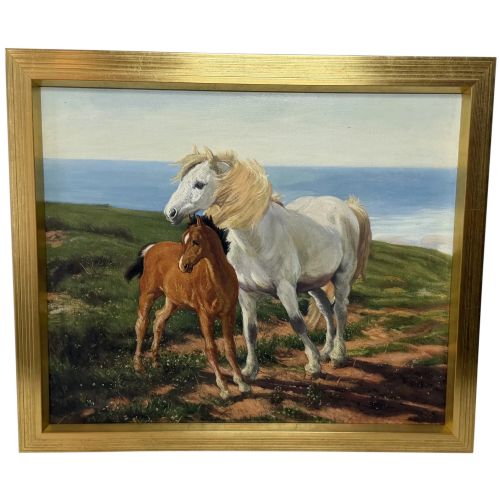
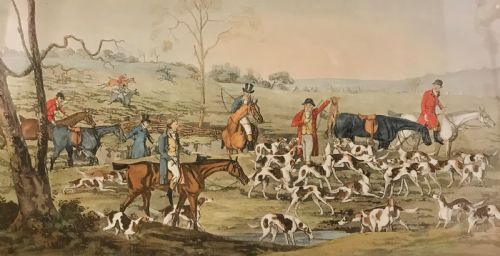
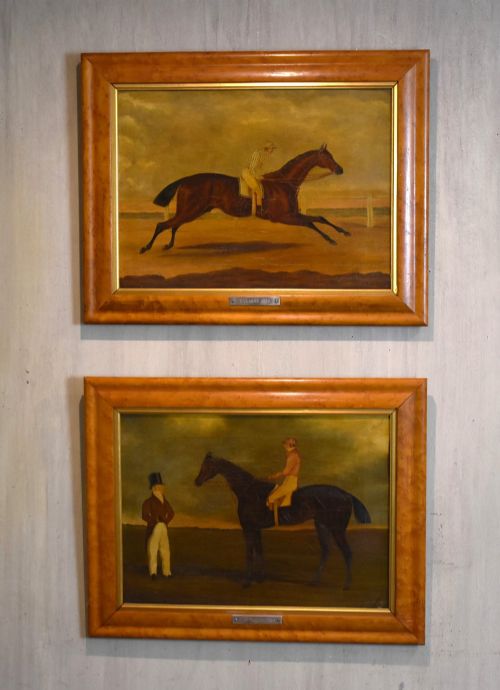
A traditional horse picture encompasses a wide variety of works documenting equine subjects, from formal portraits of individual racehorses and hunters to bustling hunting scenes and farmyard views. These artworks span several centuries, with pieces originating from the eighteenth, nineteenth, and twentieth centuries reflecting shifting artistic tastes.
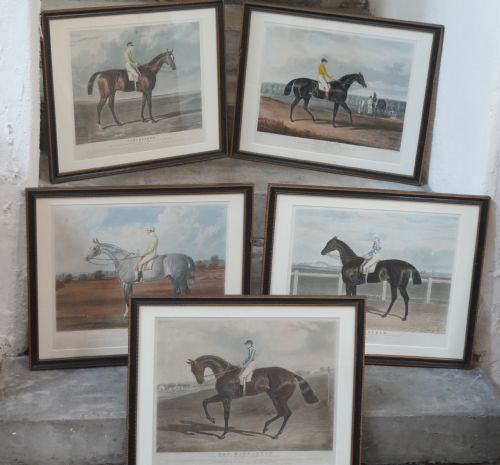
The selection on this page relies heavily on nineteenth-century oil paintings, watercolours, and early printed works depicting British sporting art and rural life. Buyers frequently encounter framed oil on canvas compositions alongside hand-coloured engravings and lithographs that portray everything from grey shires to thoroughbreds.
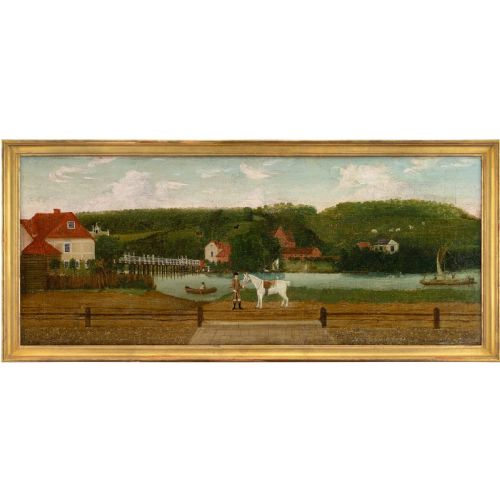
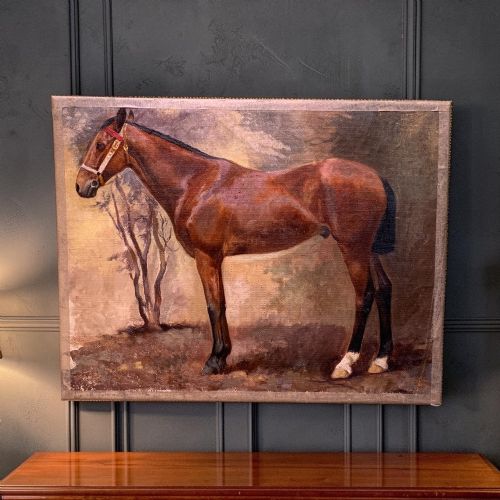
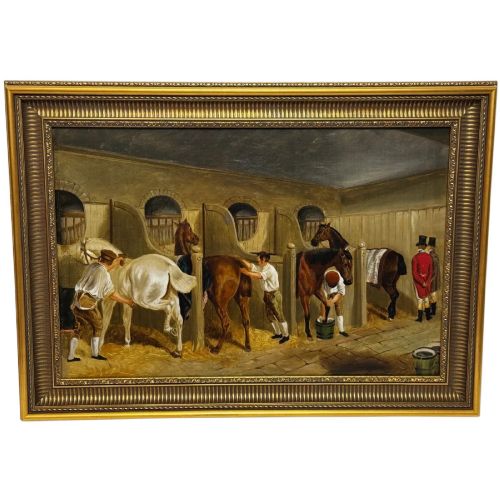
Subjects range from named champions such as Persimmon and Diamond Jubilee to anonymous bay hunters, farm horses ploughing fields, and coaching scenes. Works often place animals within specific landscapes, including Devon countryside, stable interiors, and estate grounds.
How they were made
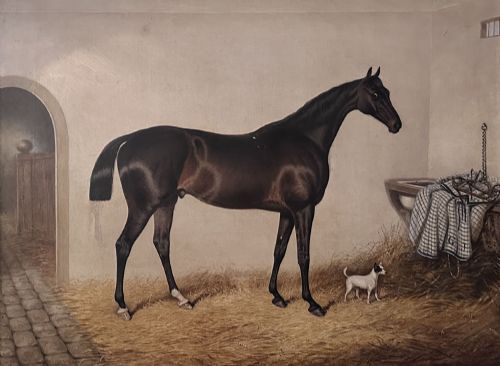
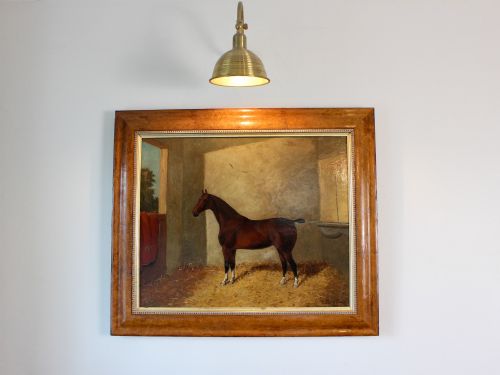
Artists painted primarily with oil on canvas or pine panel, applying pigments to build rich textures in the coats of horses and the surrounding foliage. Watercolours on paper and pencil sketches also appear, offering lighter preparatory studies or finished works of considerable detail.
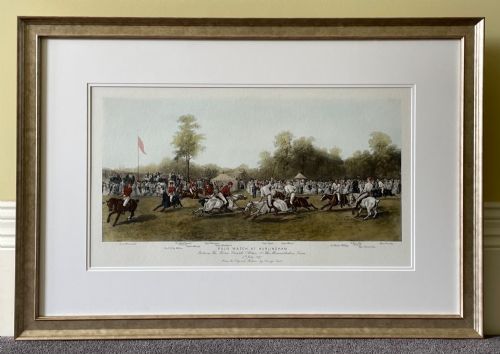
Printmakers utilised engraving and lithography techniques, sometimes applying hand-colouring over the printed lines to enrich the visual depth of hunting scenes and portraits. Original frames often consist of wood with gilt or giltwood finishes, complementing the warm tones of the paintings within.
Some horses on this page share wall space with hardworking ducks and chickens.
What varies in quality
The anatomical accuracy and vitality in the rendering of the horse distinguish finer works from more formulaic productions. Master artists capture musculature, tension, and expression with precision, whereas lesser hands produce stiff or generic animal forms.
The handling of the background landscape and light contributes significantly to the overall merit of a piece. Works where the surrounding estate, stable interior, or sky holds equal artistic conviction command greater regard than those with perfunctory scenery.
William Albert Clarke·John Frederick Herring Snr·Charles Walter Simpson·Edward Lloyd of Ellesmere·Michael Lyne·John Atkinson·Charles Faulkner·James William Booth·Alfred Wheeler·Abraham Cooper RA·Samuel Henry Alken·John Sanderson-Wells
The Traditional Horse Picture Glossary
- Lithography
- A planographic printing method using a stone or metal plate on which the image area is greasy and attracts ink while the damp non-image area retains water. This technique enabled accurate reproduction of detailed drawings and paintings.
- Engraving
- A printmaking process where an artist cuts lines directly into a metal plate with a burin to hold ink for transfer under pressure. This method produces sharp, precise lines frequently seen in historical sporting prints.
- Eglomise
- A technique involving the application of gold or silver leaf and painting on the rear face of glass to create a reflective, ornate border or image. It often appears on decorative frames and specialty presentation pieces.
- Provenance
- The documented history of ownership of an artwork, tracing its path from the creator's studio to the current offering. Clear records add historical context to sporting portraits.
- Pinxit
- A Latin term meaning he or she painted it, traditionally inscribed alongside an artist's signature on historical canvases. It denotes the formal attribution of the brushwork.
Traditional Horse Picture: Frequently Asked Questions
What periods do these horse pictures come from?
The available artworks span from the eighteenth century through the Victorian and Edwardian eras up to the mid-twentieth century. Most examples date from the nineteenth century, reflecting the height of British sporting art.
Earlier works from the seventeen-nineties sit alongside mid-twentieth-century watercolours and sketches, providing a broad chronological span for collectors.
How were these equine artworks originally displayed?
Landowners and sporting enthusiasts typically hung these paintings and prints in country houses, estate libraries, and antechambers. Large oil paintings served as focal points above mantelpieces or in grand hallways.
Smaller watercolours and engravings were often grouped in sets along corridors or within private studies, celebrating specific hunts and prized animals.
How do I identify a portrait of a named horse?
Inscribed titles on the canvas, stretcher bars, or original mounts frequently name the horse, such as specific hunters, racehorses, or royal thoroughbreds. Contemporary archival records and artist signatures also help link animals to historical studs.
Artists often recorded the names of notable jockeys or owners alongside the horse, providing clear markers for identification.
What is the difference between an oil painting and a print?
An oil painting is a unique, handmade work created by applying pigmented oils directly to canvas or wood panels, showing visible brushstrokes and rich texture. Prints and engravings are mechanically or manually reproduced multiples created from an etched plate, stone, or publishing block.
While prints offer accessible historical records of popular sporting subjects, original paintings remain singular creations by named artists.