
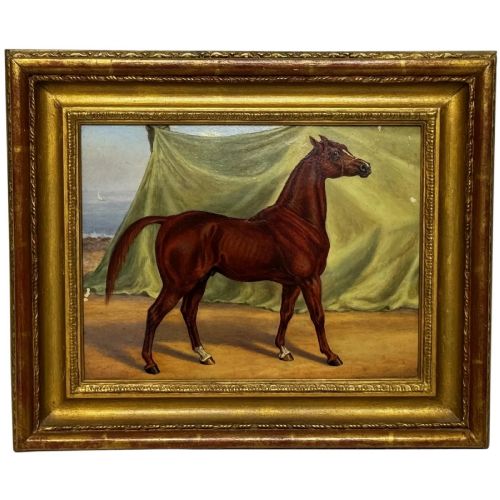

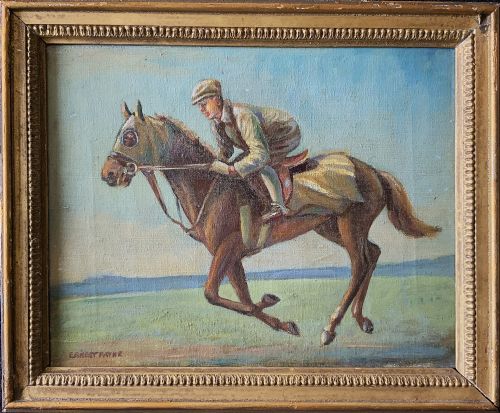
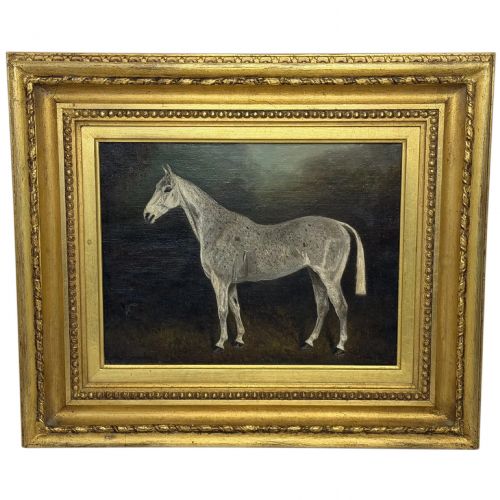
Gilt Framed Horse Portrait
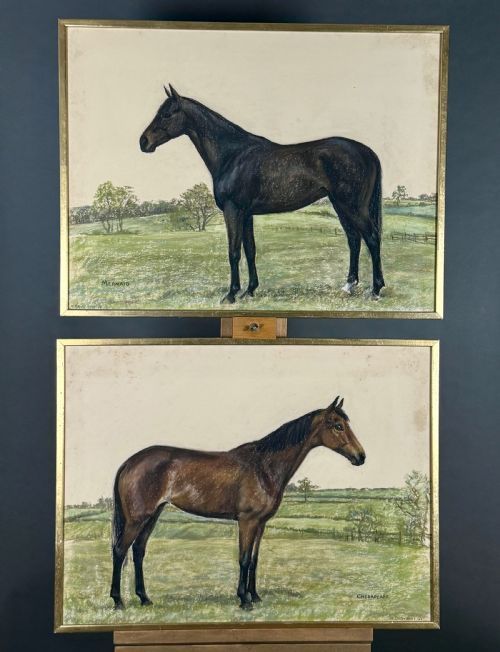
A gilt framed horse portrait brings the presence of nineteenth-century equines into a room through oil paint on canvas.
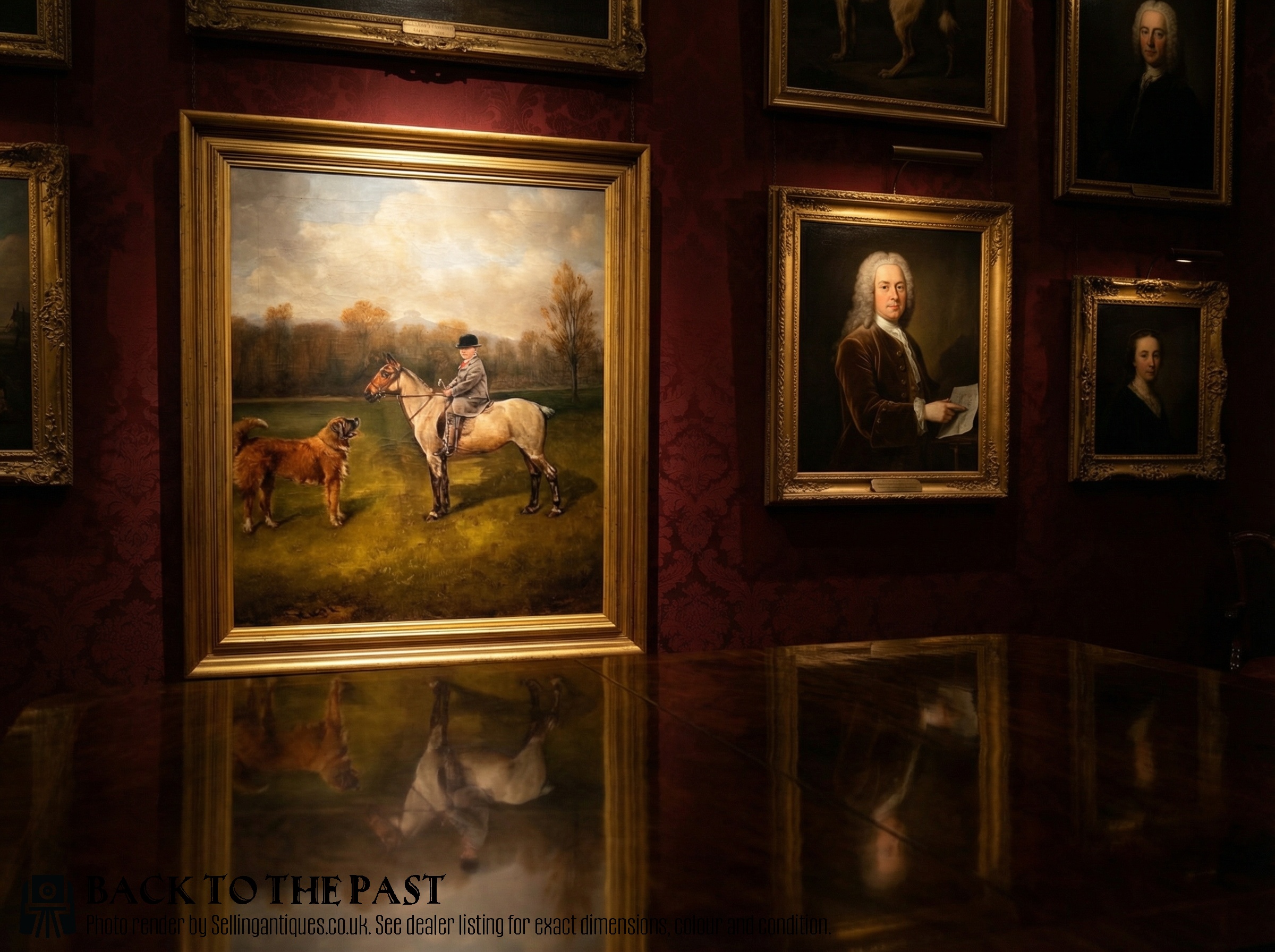
Gilt Framed Horse Portrait
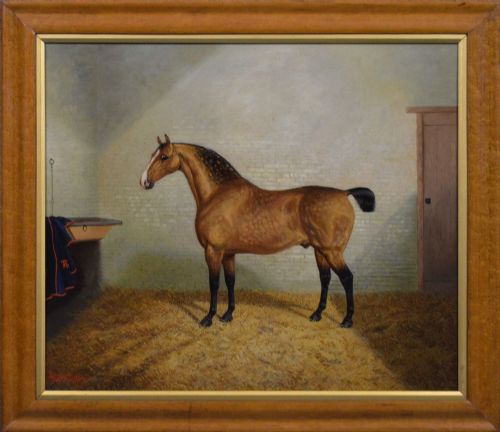
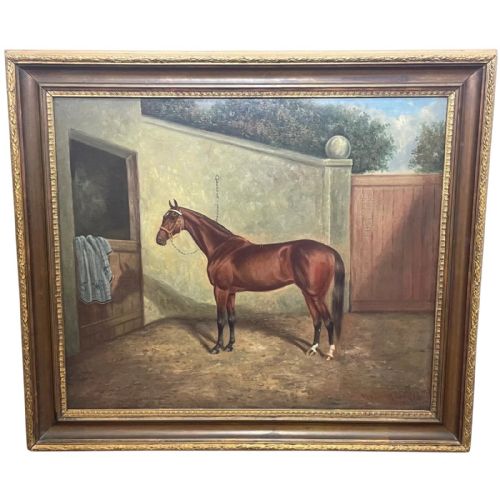
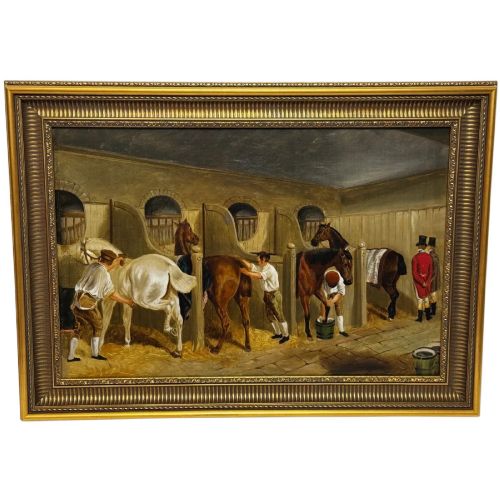
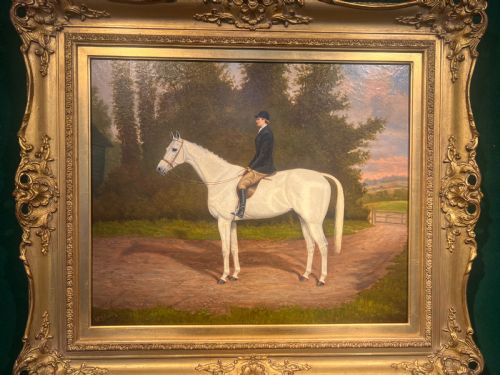
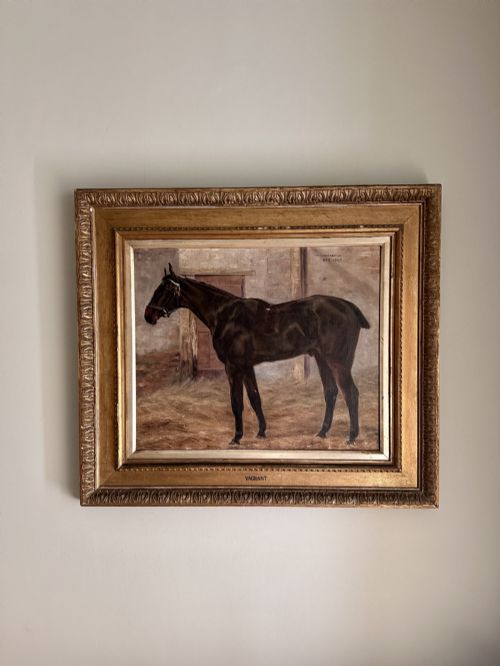
A gilt framed horse portrait captures individual hunters, racehorses, and stable scenes executed in oil on canvas during the nineteenth and twentieth centuries. These artworks document specific thoroughbreds, working animals, and equestrian events recorded by period artists.
Buyers searching this phrase encounter Victorian sporting art and traditional country paintings enclosed in moulded wooden surrounds finished with gold leaf. The majority originate from British and Irish rural traditions, depicting named animals alongside jockeys, grooms, and hounds.
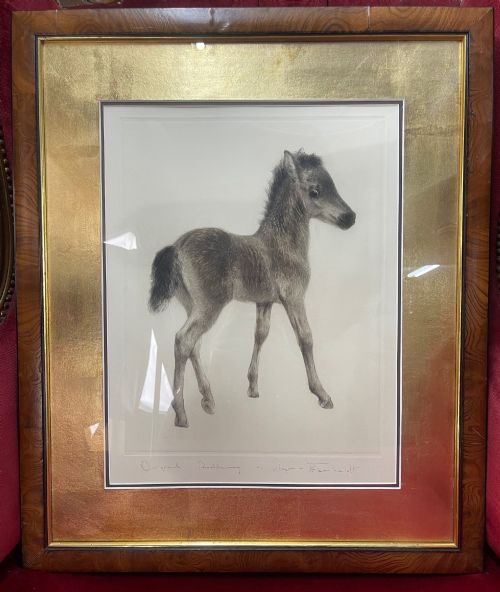
Works range from intimate studies of foals to large canvases depicting historic derby winners and hunting studs. The framing typically consists of period wood finished in gilt, which complements the dark tones and rich pigments of the canvas within.
How they were made
Makers built these pieces using oil paint applied to stretched canvas or wooden panels, utilising traditional layering techniques to render the musculature and coats of the animals. The ground was prepared with gesso before artists applied pigments mixed with linseed oil to achieve depth in the horse hair and landscape backgrounds.
The surrounds are constructed from carved wood, often composition ornament applied over timber moulding, finished with layers of gilt or gold leaf. Craftsmen joined the corners with mitres and secured the canvas within rebates using traditional glazier points and backing boards.
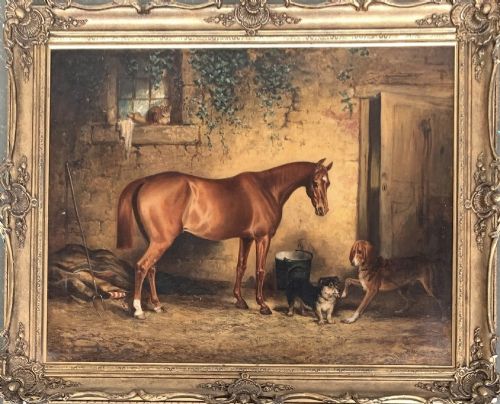
Several canvases record specific horses sharing their stables with surprisingly attentive terriers and working dogs.
What varies in quality
Quality rests in the anatomical accuracy of the equine subject, the handling of light across the coat, and the skill evident in the background landscape. Superior examples capture the specific conformation and temperament of the animal rather than relying on generic formulas.
The joinery and carving of the surrounding wood also separate standard commercial framing from finer craftsmanship. Original gilt surfaces showing honest wear display more character than modern replacements.
Henry Barraud·John Wootton·Thomas Hudson·Kurt Meyer-Eberhardt·Albert Clark·Jean-Gabriel Domergue·Fred Fitzpatrick·Sir Anthony van Dyck·Ernest Payne·John Alfred Wheeler·Thomas Walker Bretland·Basil Nightingale·Edward Lloyd of Ellesmere·C R Breytle·Benjamin Cam Norton·Samuel Spode·Edwin Frederic Holt·Clifton Tomson·Alfred Wheeler·Alfred Moginie Bryant·Alfred Grenfell Haigh·Abraham Cooper RA
The Gilt Framed Horse Portrait Glossary
- Giltwood
- Wood that has been coated with gold leaf or metal leaf. This finish provides a reflective border that frames the dark tones of an oil painting.
- Oil on Canvas
- Pigment suspended in drying oils applied to a woven fabric support. This medium allowed artists to blend tones and achieve realistic textures in equine coats.
- Victorian Sporting Art
- A genre of painting from the nineteenth century focusing on horses, hunting, and rural pursuits. These works document the prominent animals and equestrian culture of the period.
- Drypoint
- A printmaking technique where an image is scratched directly onto a metal plate with a sharp needle. This process creates a characteristic velvety line when inked and pressed onto paper.
Gilt Framed Horse Portrait: Frequently Asked Questions
What periods do these horse portraits date from?
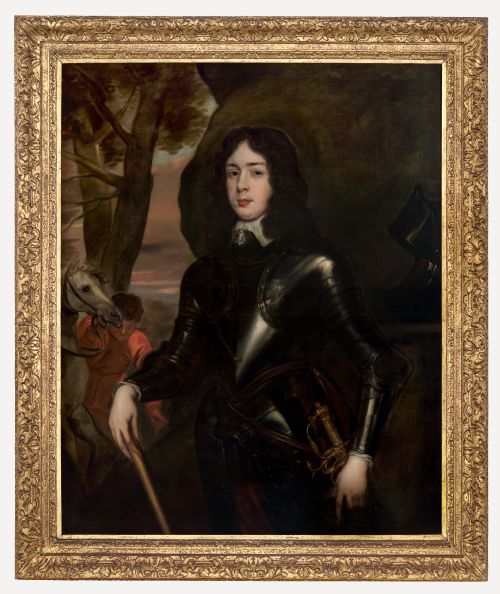
The listings span from the seventeenth century through the Victorian era into the mid-twentieth century. Most examples belong to the nineteenth and early twentieth centuries.
Artists during these periods recorded named racehorses, hunters, and stable scenes using traditional oil painting techniques on canvas.
How were these paintings originally displayed?
These works hung in country houses, estate offices, and sporting lodges alongside hunting trophies and family portraits. The gilt frames were designed to catch the light of oil lamps and candles in panelled rooms.
They served both as records of valuable bloodstock and as expressions of rural sporting life.
How do I identify the subject of the painting?
Many works include inscriptions on the canvas, stretcher bars, or framing labels detailing the name of the horse, the owner, or the race won. Contemporary records and sporting prints often help verify the identity of famous thoroughbreds.
Signatures or monograms left by artists in the corners of the canvas also point towards specific painters.
How do I care for an antique oil painting?
Keep the canvas away from direct sunlight, high humidity, and rapid temperature changes that can cause the paint layer to crack. Dust the surface gently with a soft, dry brush without applying pressure.
Avoid using commercial cleaning sprays on the gilt frame or the painted canvas.