
Antique Equestrian Oil Artwork
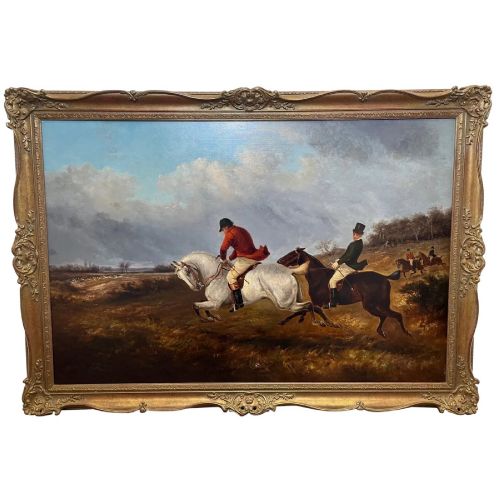
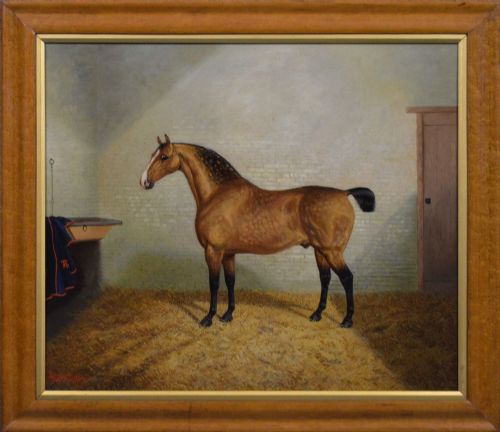
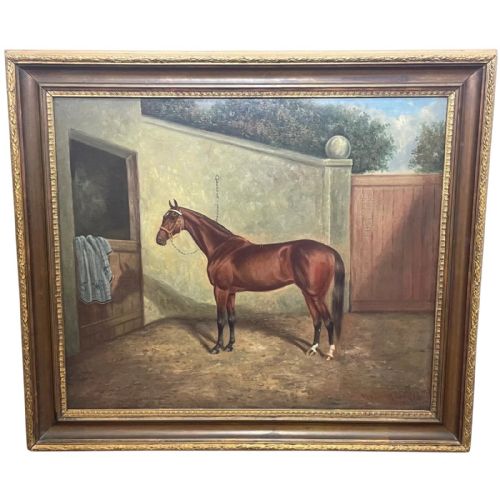
These antique equestrian oil artwork pieces capture horses, hunting fields and racing stables through historic brushwork.

Antique Equestrian Oil Artwork
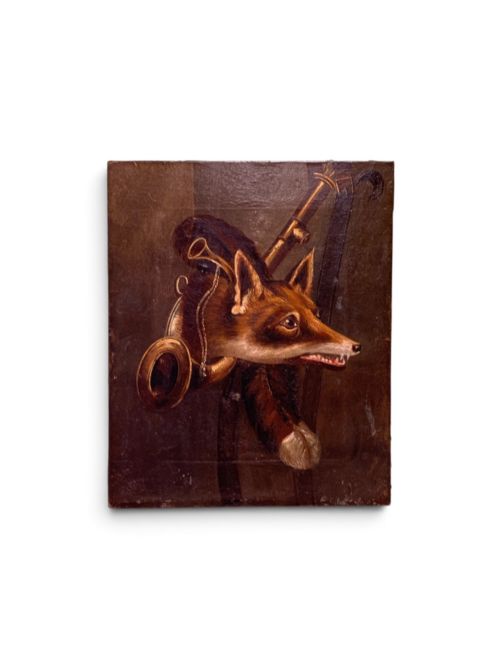
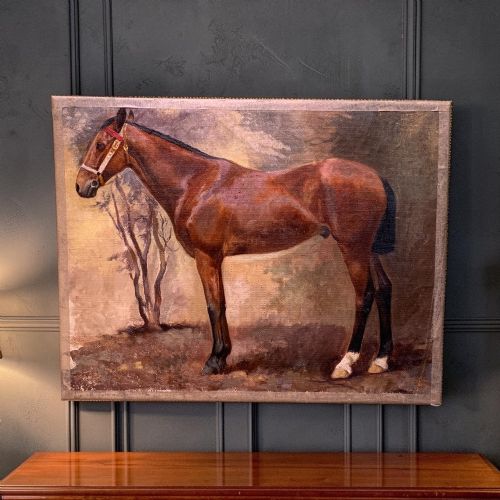
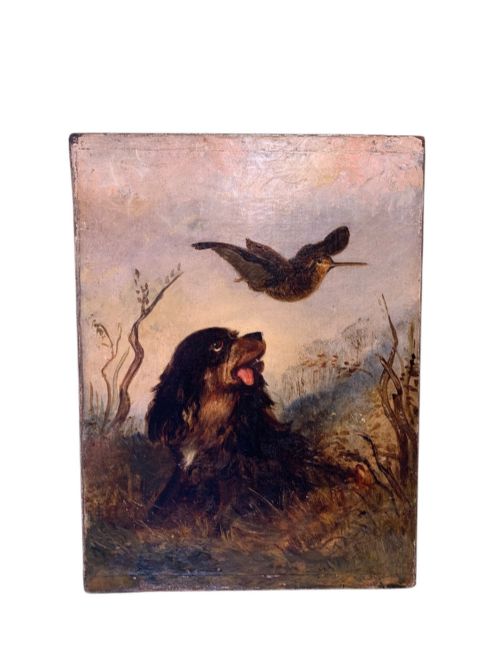
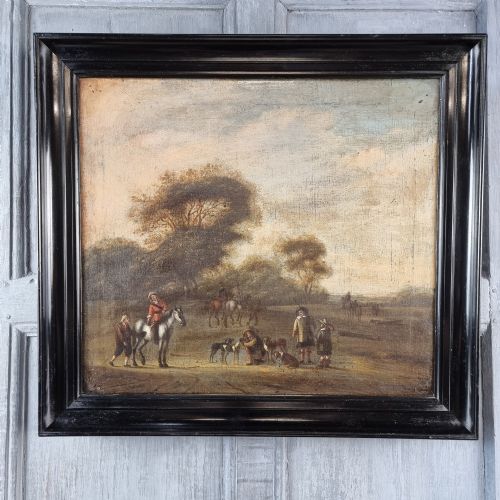
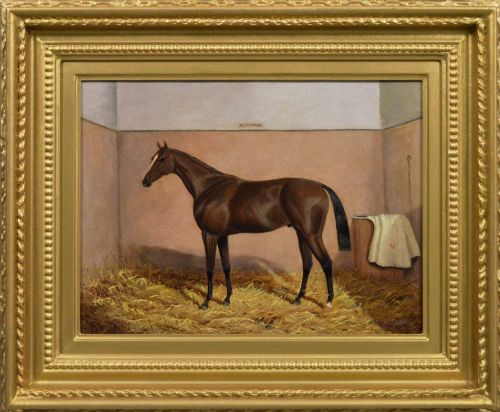
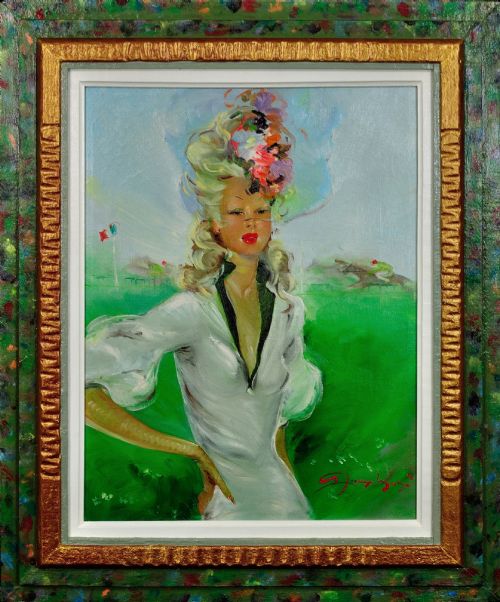
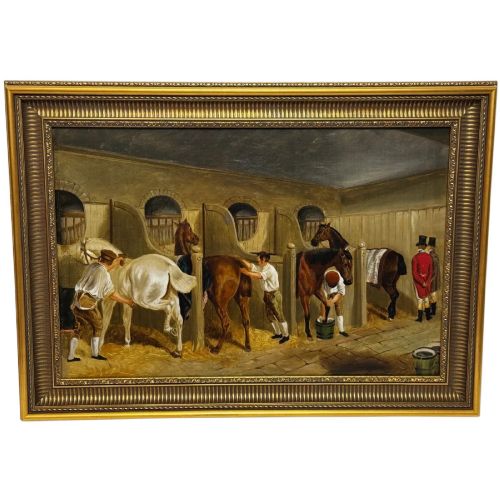
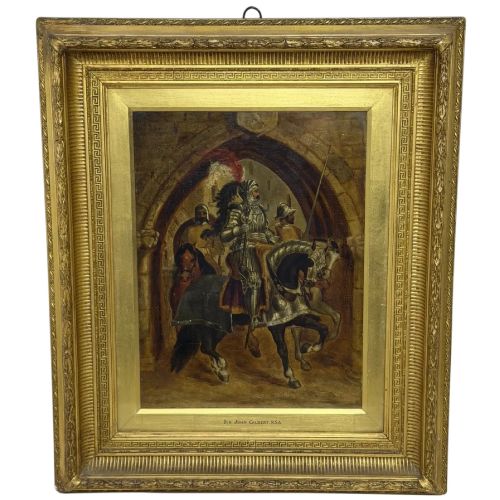
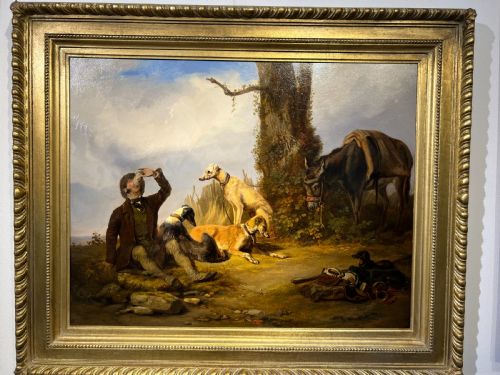
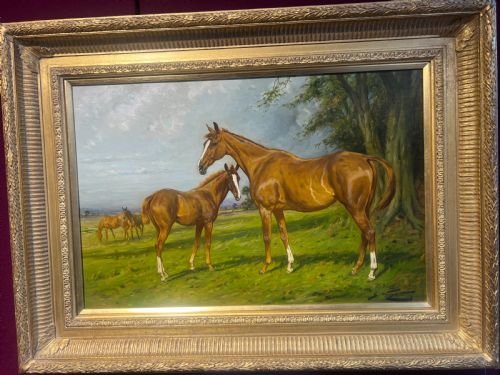
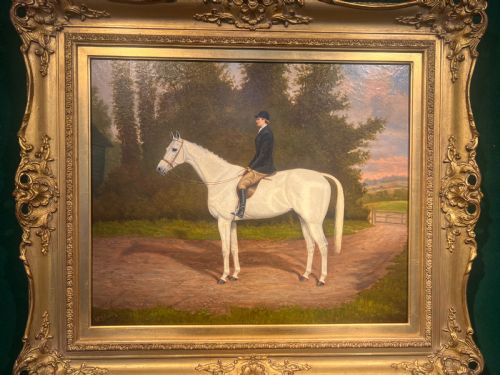
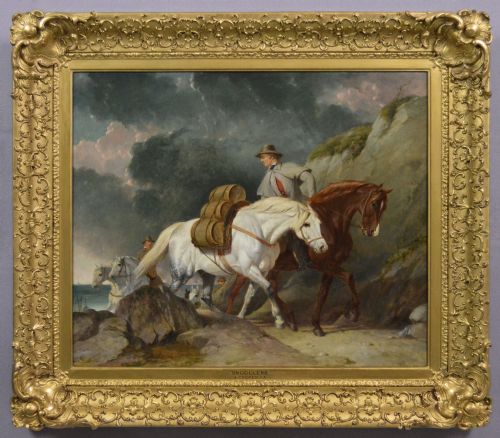
An antique equestrian oil artwork depicts horses, hunting scenes, and racing subjects rendered in oil paint on canvas or panel. These works range from individual portraits of named racehorses and hunters to broader coaching scenes and rural landscapes involving animals.
The pieces on this page lean heavily into nineteenth-century British traditions, alongside Edwardian and Georgian examples. Buyers frequently encounter framed horse portraits in stables or dynamic depictions of hounds and riders across open countryside.
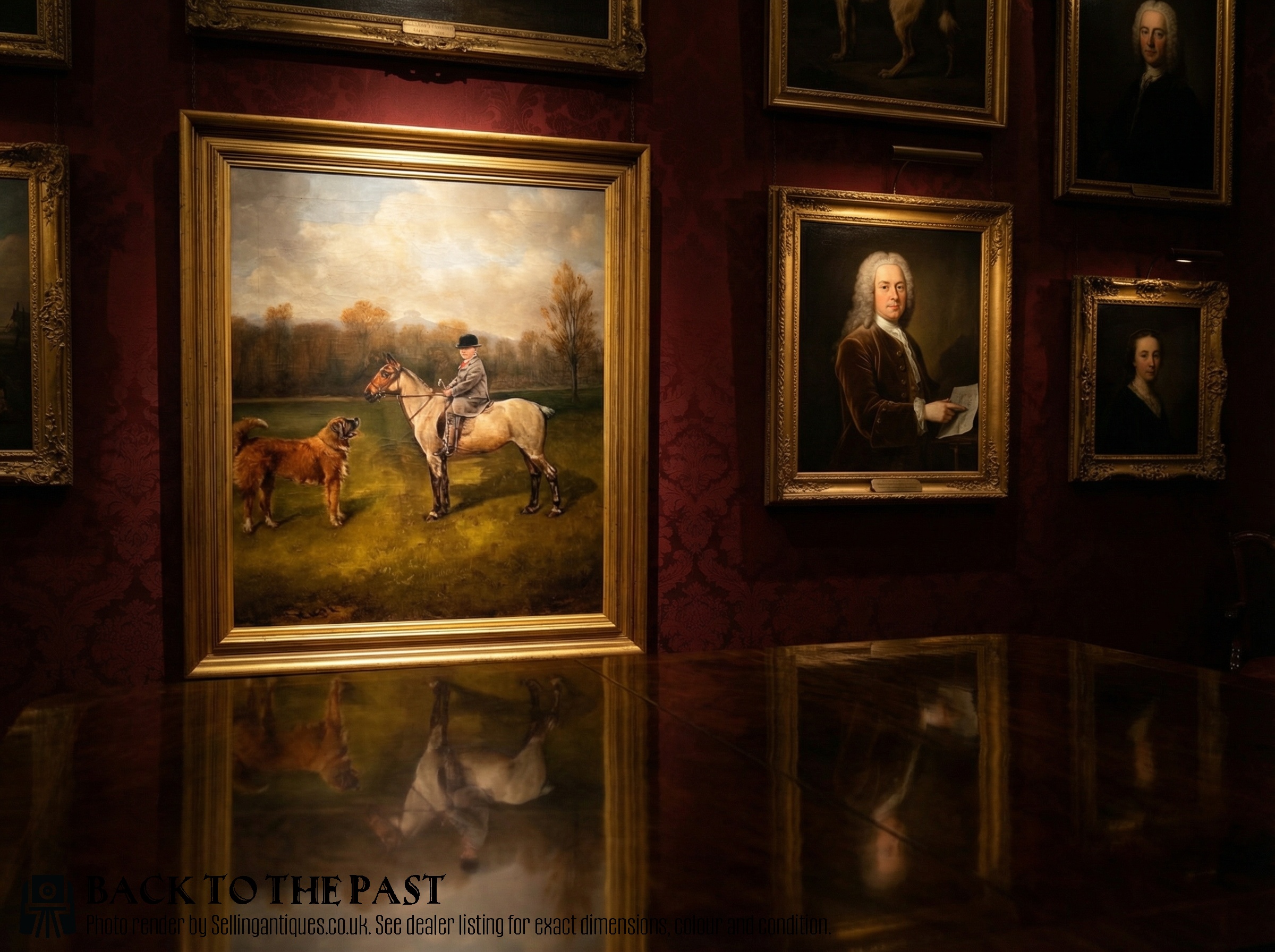
How they were made
Artists painted primarily with oil paint applied to stretched canvas, wooden panels, or occasionally board. This medium allowed painters to build rich layers of pigment, capturing the sheen of a horse coat or the atmospheric light of a landscape.
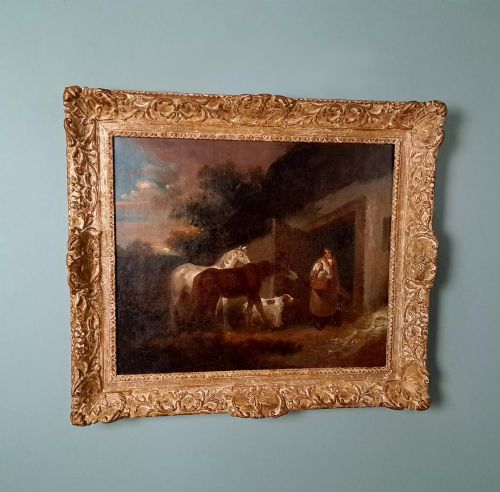
Frames form an integral part of these works, utilising moulded wood, gesso, and giltwood to create ornate borders that complement the oil paintings. Many frames retain their original gilded finishes, showing period craftsmanship that matches the age of the canvas.
Several canvases record local race winners with names as spirited as their galloping posture.
What varies in quality
Quality rests primarily in the anatomical accuracy of the horse and the handling of light across muscle and landscape. Superior painters render equine movement and expression with precise observation, whereas lesser works display stiff proportions or generic backgrounds.
The strength of provenance and the reputation of the artist elevate certain works above standard decorative pieces. Original gilt frames in good condition also add significantly to the overall integrity of the piece.
William Joseph Shayer Senior·Thomas Smythe·Albert Clark·Sir Edwin Henry Landseer·George Wright·Abraham Cooper·Henry Barraud·Fred Fitzpatrick·Ernest Payne·Edward Priestley·John Alfred Wheeler·Philip Rideout·George Morland·John Ferneley Senior·Charles Walter Simpson·Raimond Louis Lecourt·John Arthur Lomax
The Antique Equestrian Oil Artwork Glossary
- Canvas
- A heavy woven fabric stretched across a wooden frame to serve as a support for oil paint. It provides the standard textured surface for the vast majority of these historic works.
- Giltwood
- Timber carved and coated with a thin layer of gold leaf or metallic powder. It provides the traditional reflective border seen on nineteenth-century picture frames.
- Gesso
- A plaster-like mixture applied to wood before gilding or painting to create a smooth base. It allows craftsmen to carve intricate relief patterns onto frame mouldings.
- Provenance
- The documented history of ownership of an artwork that traces its lineage from the creator to the present day. Solid documentation verifies authenticity and past exhibitions.
Antique Equestrian Oil Artwork: Frequently Asked Questions
Were these paintings always framed in gold?
Giltwood frames became standard for displaying fine art during the Victorian and Georgian periods. The bright metallic finish was designed to catch gaslight or natural daylight in domestic rooms.
Some works retain their original frames, while others have been reframed over the decades. Matching a period-appropriate frame enhances the historical presentation of the canvas.
How can I tell a genuine nineteenth century canvas?
Inspect the reverse of the canvas and the wooden stretcher bars for signs of age, such as oxidation, hand-forged tacks, or maker stamps. Old canvas displays a tight, irregular weave and natural darkening behind.
Examining the paint surface under magnification reveals craquelure, the natural fine network of cracks that forms as oil paint hardens over generations.
What is the difference between a study and a finished portrait?
A study is typically a quicker, looser execution created to capture immediate movement or light conditions before painting a larger composition. These works often show visible brushstrokes and rapid pencil underdrawings.
Finished portraits present a highly polished depiction of a named horse or owner, often commissioned to record a prize-winning animal or a specific sporting event.