
Framed Horse Oil Painting
A framed horse oil painting brings centuries of equine artistry, sporting history and rural life directly onto the wall.

Framed Horse Oil Painting
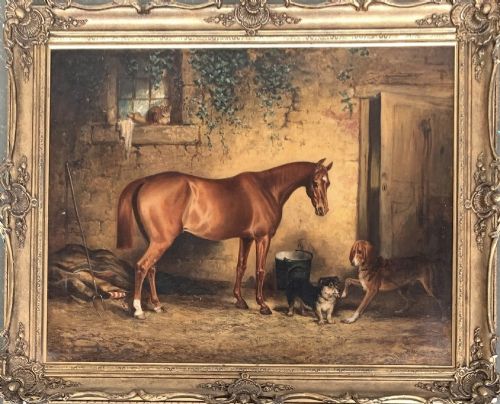
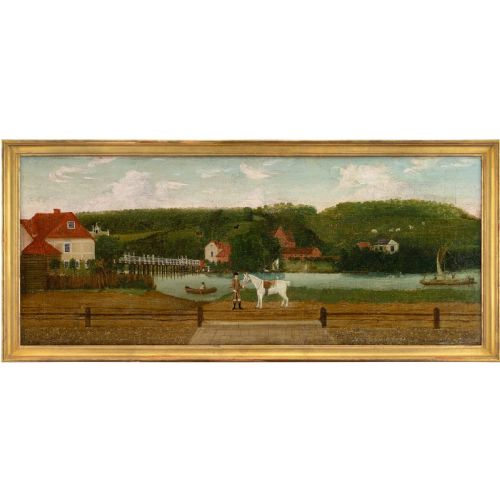
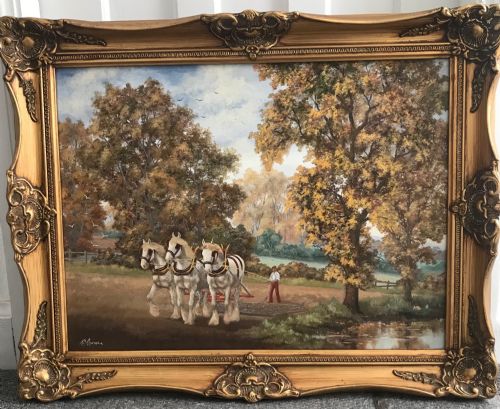
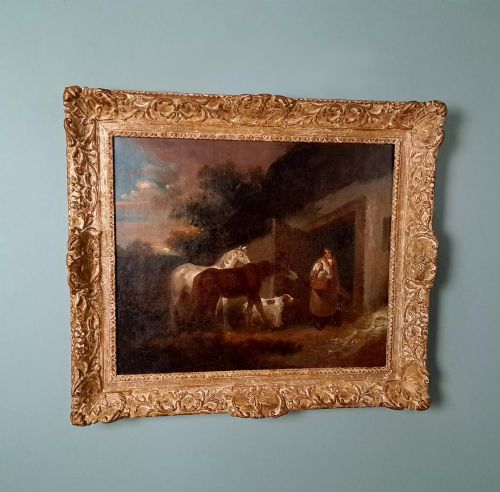
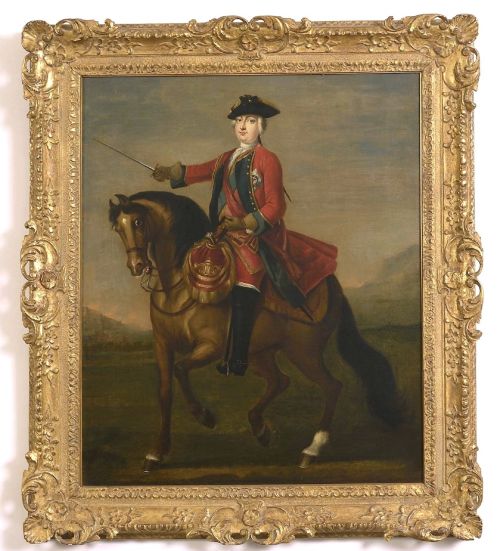
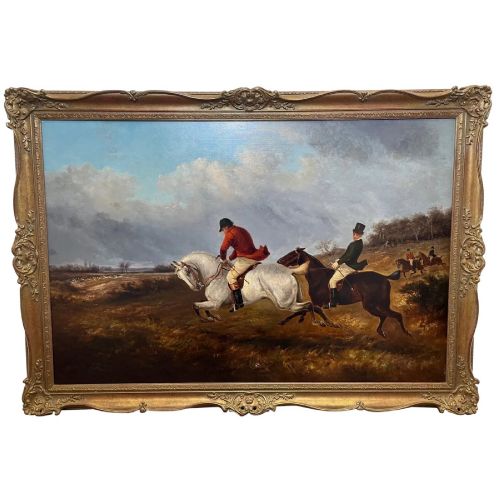
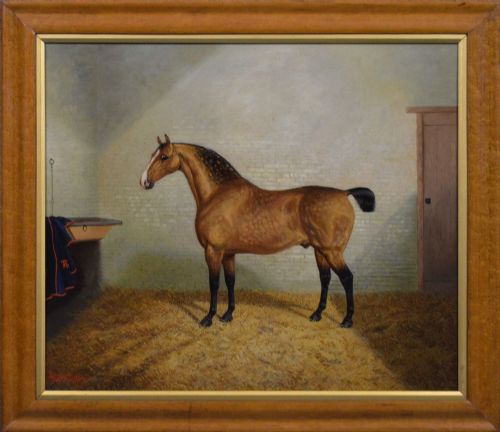
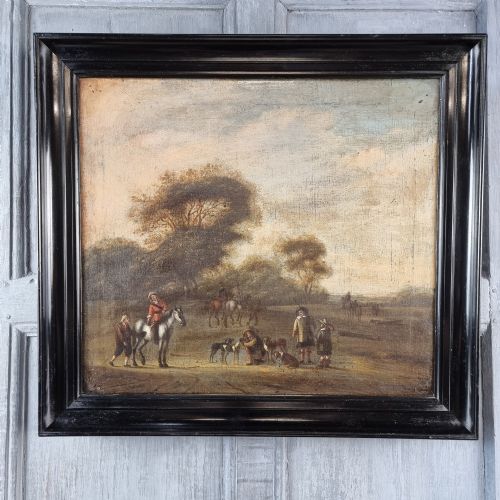
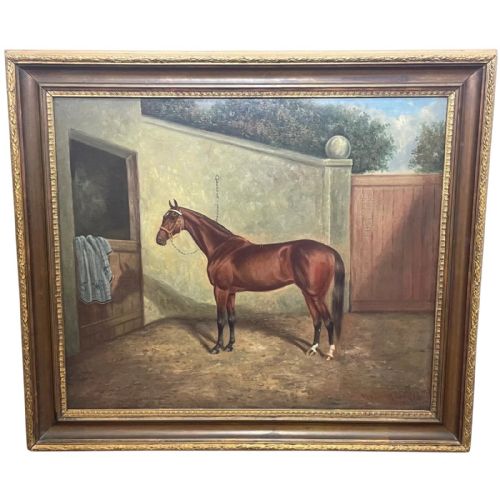
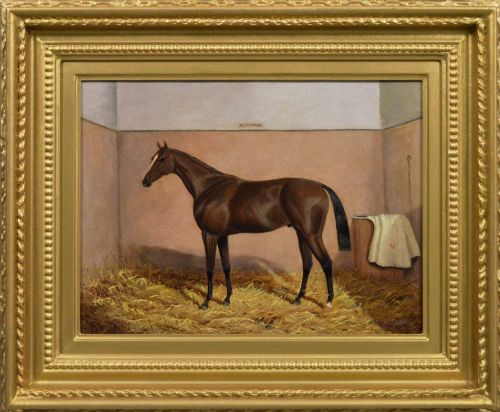
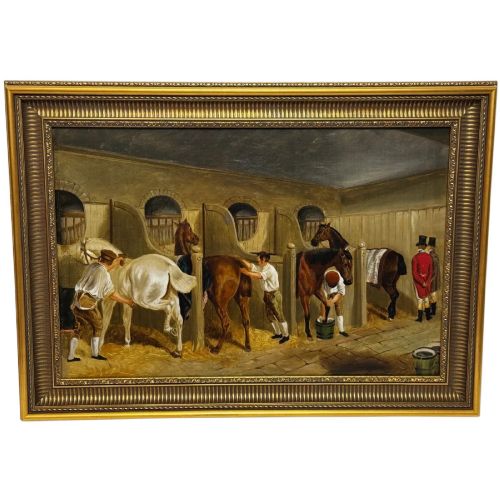
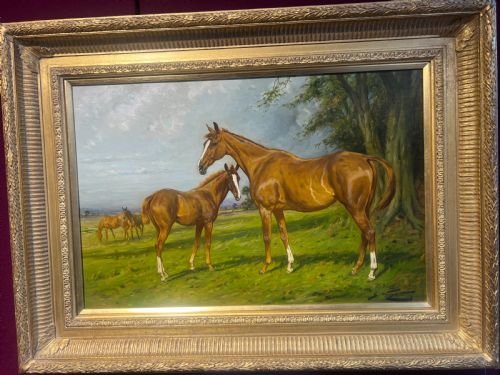
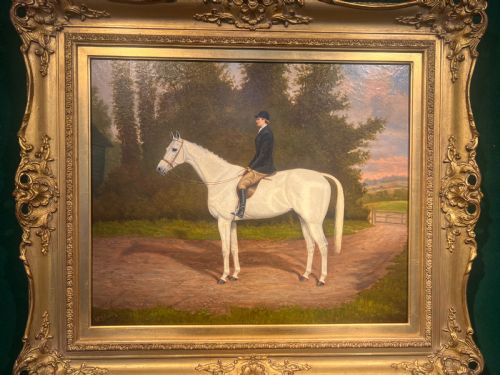
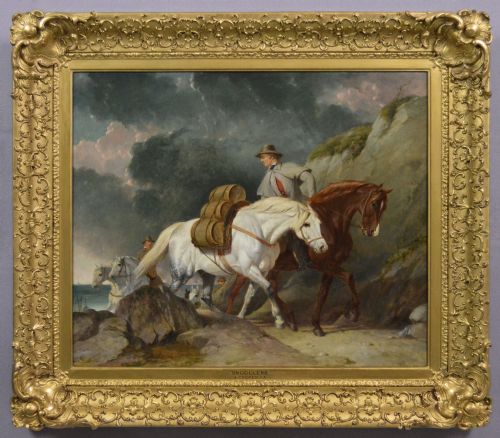
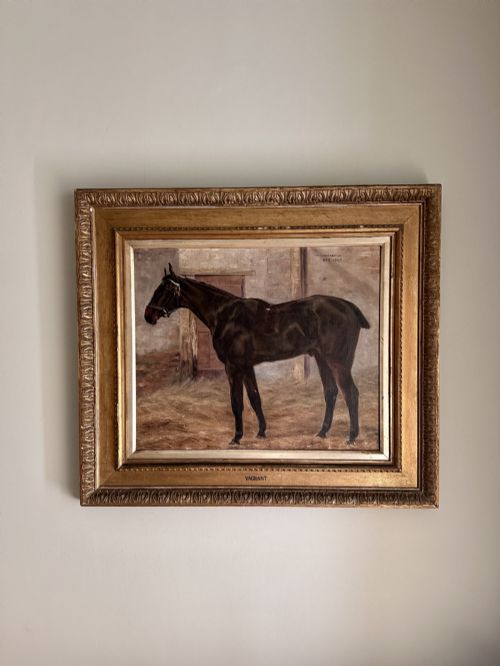
A framed horse oil painting captures equine subjects through various historical periods, ranging from the seventeenth century through the Victorian era and into the mid-twentieth century. Buyers encounter distinct forms such as individual portraiture of prize racehorses, hunting scenes, coaching oils and rural working horses in landscapes.
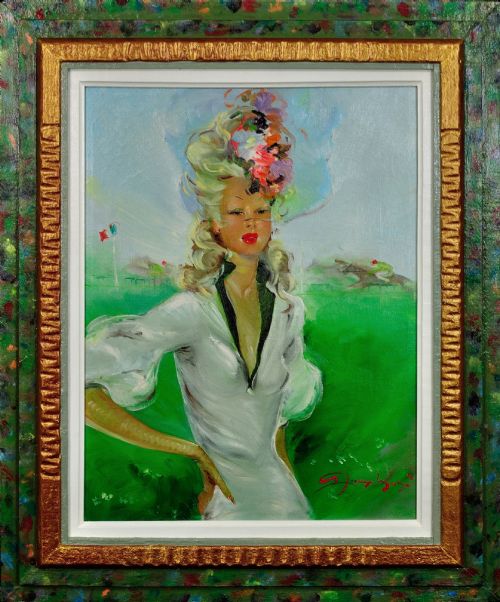
The works originate predominantly from British artistic traditions, including British sporting art and impressionism, alongside examples from French and Anglo-Flemish schools. Pieces span specific Victorian equestrian studies, Edwardian coaching works and later rural genre scenes depicting ploughing teams and ponies.
Most examples are presented within period surrounds, predominantly constructed from giltwood or wood, which complete the historical presentation of the canvas or panel. These works combine documentation of prized animals with established genres of fine art painting.
Determinants of quality
Quality rests upon the anatomical precision and expressive capability of the painter, distinguishing masterworks that capture the true spirit and conformation of an animal from routine studio production. Superior examples demonstrate confident brushwork, accurate perspective in landscape backgrounds and a convincing rendering of light upon coat and leather.
The integrity of the original canvas and paint layer, alongside the preservation of period framing, significantly influences the standing of a piece. Works retaining documented provenance to known estates or identifiable historical subjects hold greater historical weight.
The documented periods span from the seventeenth century through the Georgian and Victorian eras into the mid-twentieth century.
William Joseph Shayer Senior·Thomas Smythe·Albert Clark·Frederick Albert Clark·Abraham Cooper·Fred Fitzpatrick·Ernest Payne·Edward Priestley·John Alfred Wheeler·Philip Rideout·Thomas Walker Bretland·George Morland·John Ferneley Senior·Charles Walter Simpson·Harry Freckleton·William F. Perrin
The Framed Horse Oil Painting Glossary
- Giltwood
- Wood carved and covered with a thin layer of gold leaf or gold paint. This finish was widely used for traditional frames throughout the eighteenth and nineteenth centuries.
- Equestrian art
- Fine art depicting horses, riders and racing or hunting subjects. It forms a major category within British sporting art.
- Oil on canvas
- Pigment mixed with drying oil applied to stretched fabric. It serves as the primary support medium for the majority of these historic paintings.
- British sporting art
- A genre dedicated to the depiction of field sports, racing horses and hounds. It flourished particularly during the Georgian and Victorian periods.
- Panel painting
- An artwork executed on a flat piece of wood rather than stretched canvas. Panels provide a rigid support favoured in earlier periods.
Framed Horse Oil Painting: Frequently Asked Questions
How do I identify the age of a framed horse oil painting?
Dating relies upon examining the canvas preparation, stretcher construction, nail types and framing style alongside any visible signatures, dates or inscriptions on the reverse. Stylistic clues within the horse's tack, human attire and landscape details also align the work with specific artistic periods.
Historical records and artist signatures often provide definitive confirmation of a painting's era. Comparing the handling of paint and subject matter to dated comparative works helps narrow the timeframe of creation.
What is the difference between a portrait and a sporting scene?
A horse portrait focuses exclusively on an individual animal, often a named racehorse, hunter or prize stallion, rendered with specific markings and conformation in a stable or simple setting. Sporting scenes place horses within active narratives such as fox hunting, coaching journeys or race day paddocks.
Portraiture prioritises the exact likeness and pedigree of the subject, whereas sporting art captures action, movement and the atmosphere of equestrian events. Both categories share technical mastery in rendering equine anatomy.
Are these paintings always signed by the artist?
Many works bear visible signatures, monograms or contemporary inscriptions on the front or verso, while a significant portion remain unsigned or attributed to specific schools and followers. Unsigned works were common in studio practices or historical provincial production.
Attribution for unsigned paintings is determined through stylistic analysis, brushwork comparison and subject matter expertise. Quality and execution remain the primary indicators of merit regardless of a signature's presence.