

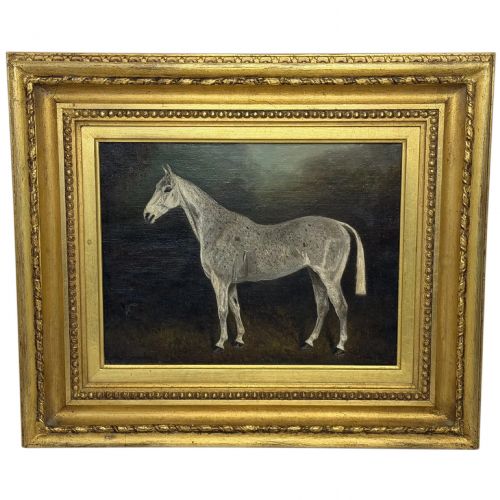
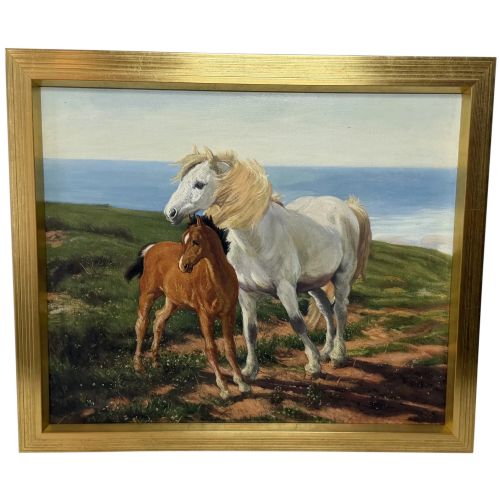
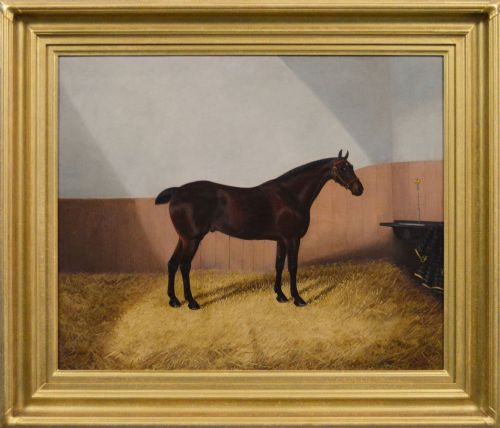
Vintage Horse Canvas
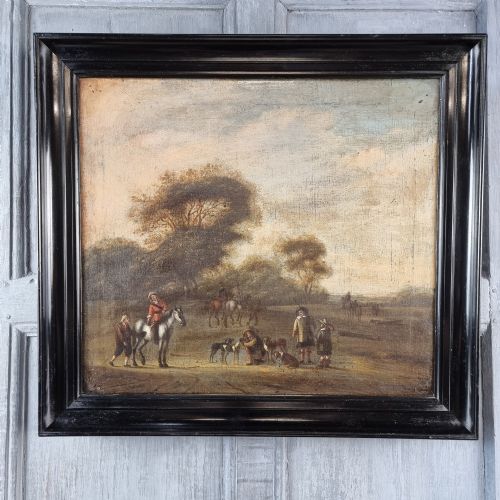
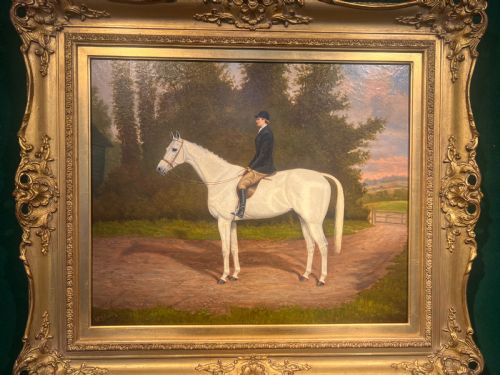
When you search for vintage horse canvas, you are looking at oil paintings on canvas depicting equines, hunters, and racing scenes from the 17th century through the mid-20th century.
Vintage Horse Canvas
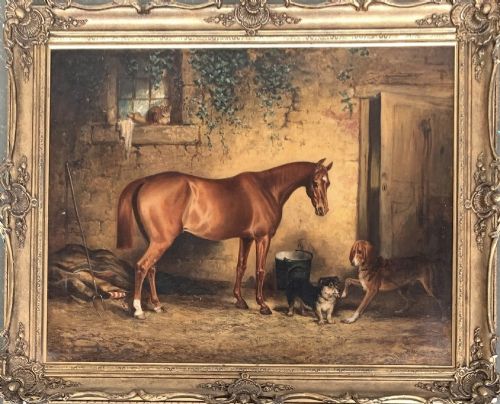
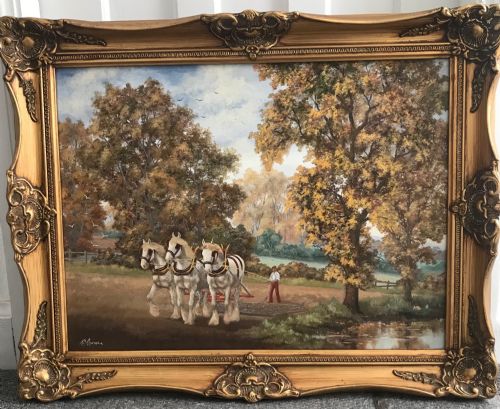
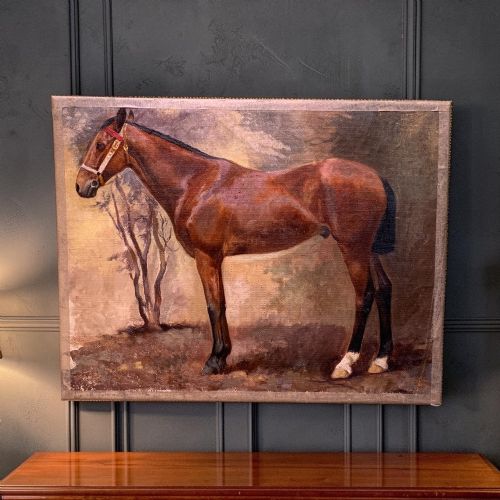
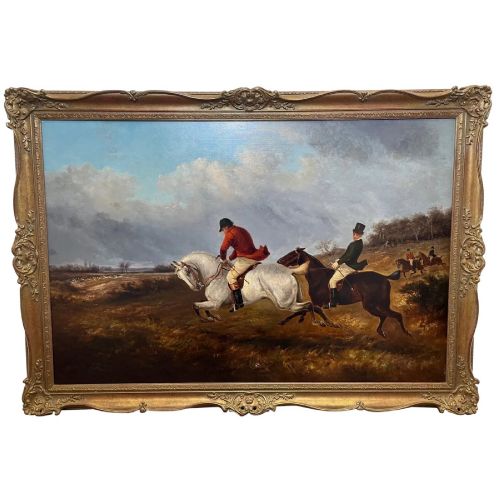
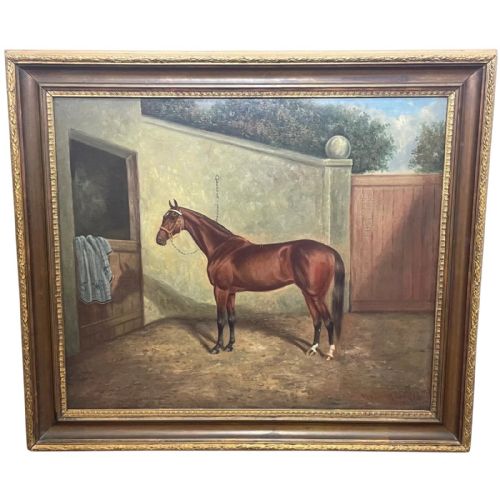
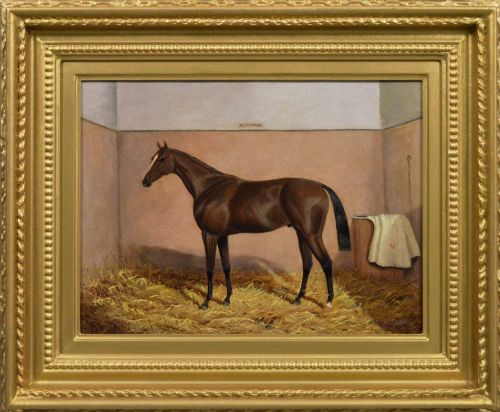
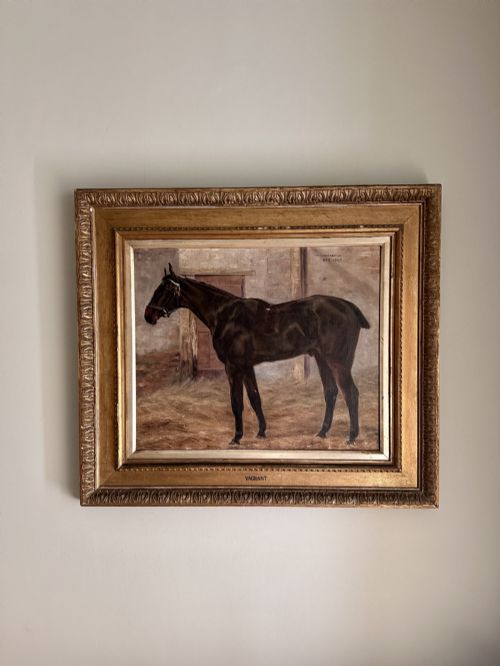
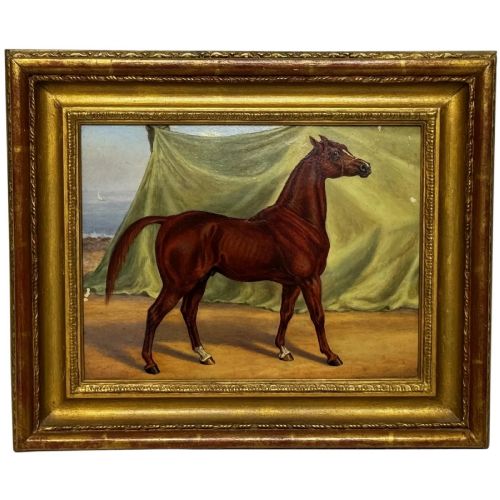
Vintage horse canvas pieces encompass oil paintings on canvas depicting horses, spanning periods from the Victorian era through the mid-20th century. A buyer searching this phrase encounters portraits of named racehorses, hunting scenes with hounds, working horses in fields, and stable studies.
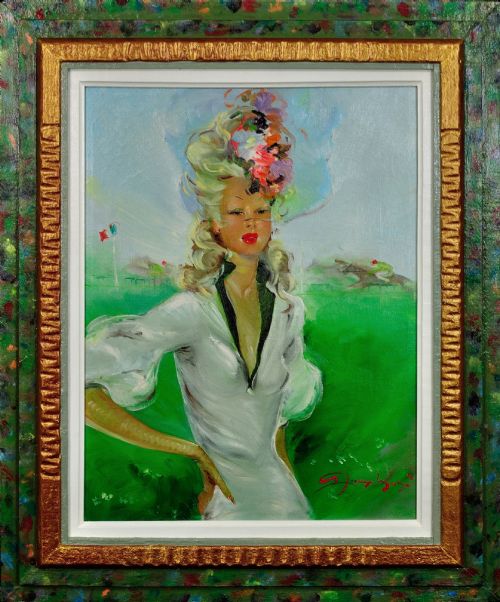
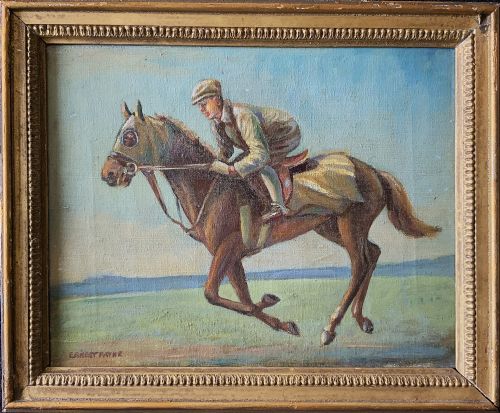
The selections on this page draw from 19th-century works, Edwardian and Georgian pieces, and mid-20th-century British and European depictions. Forms range from intimate portraits of bay hunters to dynamic racing scenes and rural landscapes featuring horses and wagons.
The subjects reflect traditional equine interests, including derby winners, regional hunts, coaching scenes, and pastoral life. These canvases capture the physical form and character of the animals through historical painting styles.
How they were made
These works are executed in oil paint applied to canvas, often supported by wooden stretcher frames and housed in giltwood or carved wooden frames. Artists utilised traditional brushwork and layering techniques with oil paint to achieve texture and depth in the depiction of coats and landscapes.
The physical construction typically involves stretched canvas secured to wood, capturing the light and pigment inherent in oil painting methods of the 19th and 20th centuries. Framing materials vary from ornate gilt wood to simpler wooden surrounds contemporary to the painting or added later.
Several horses captured on these canvases retain their racing glory, immortalised forever mid-gallop while ignoring the passing centuries.
What varies in quality
Quality in these canvases rests upon the artist's ability to render the anatomy, musculature, and spirit of the horse with precision and life. Works by documented equine painters or those with clear provenance demonstrate superior draftsmanship and command of oil paint compared to anonymous or derivative pieces.
The condition of the canvas and the preservation of the original oil paint layer dictate the integrity of the piece. Superior examples retain their original surface tension, stable pigment without excessive cracking, and framing that complements the period of the work.
Henry Barraud·Thomas Smythe·Albert Clark·Fred Fitzpatrick·Ernest Payne·Thomas Walker Bretland·Charles Walter Simpson·George Wright·Gabriel Dauchot
The Vintage Horse Canvas Glossary
- Oil on Canvas
- A painting medium where pigment is suspended in drying oils and applied to a woven canvas support. This combination allows for rich blending and textured brushwork.
- Giltwood
- Wood that has been coated with a thin layer of gold leaf or gilt powder. It is commonly found on the frames enclosing traditional oil paintings.
- Equine Portrait
- A painting specifically focused on recording the likeness and conformation of a particular horse. These works often name the subject, such as a derby winner or prized hunter.
- Sporting Art
- A genre of art depicting rural sports, hunting, horse racing, and animal portraits. It gained significant popularity in British art during the 18th and 19th centuries.
- Stretcher Frame
- A wooden framework over which the canvas is stretched tightly before painting. It provides structural support to keep the canvas taut.
Vintage Horse Canvas: Frequently Asked Questions
What periods do these horse canvases cover?
The pieces span from a 17th-century landscape through the Victorian and Edwardian periods into the mid-20th century. Most examples date from the 19th century up to the 1960s.
This range includes Georgian, Victorian, and mid-century modern British and European schools of painting.
How were these horse paintings created?
Artists used oil paint on woven canvas supports, employing traditional brush techniques to capture light, texture, and equine anatomy. Many are housed in wooden or giltwood frames.
The physical make-up typically consists of stretched canvas on a wooden frame, finished with layers of oil pigments.
How do I identify a named racehorse in a painting?
Many portraits record specific historic animals, such as Epsom Derby winners or named hunters, often noted in the title or inscribed on the canvas or frame.
Artists frequently documented celebrated horses of their day alongside their jockeys, trainers, or stable settings.
How do I care for a vintage oil on canvas?
Keep the canvas away from direct sunlight, excessive moisture, and rapid temperature changes to protect the oil paint and wood support. Dust the frame gently with a dry, soft cloth.
Avoid touching the painted surface directly, and consult a professional conservator if the canvas requires cleaning or structural repair.