
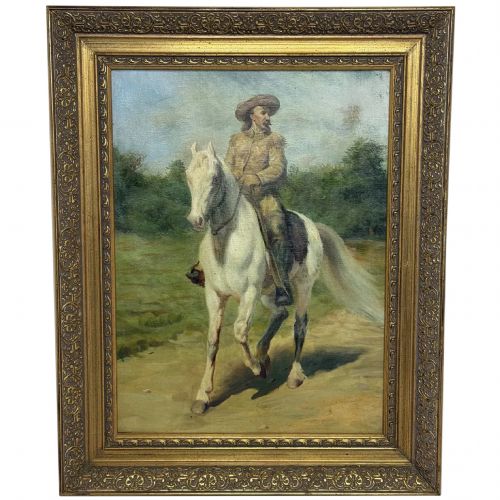


Mid Century Equestrian Painting
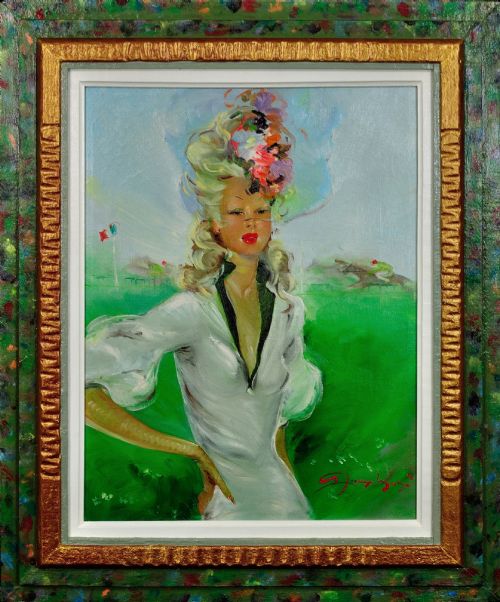
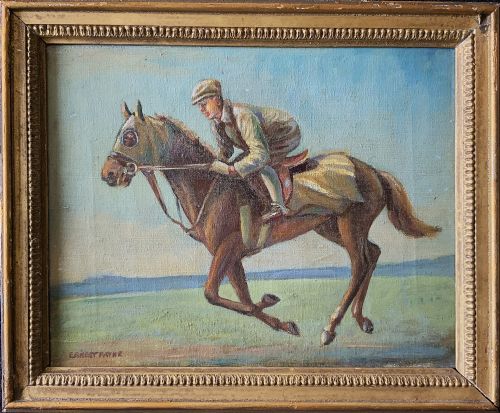
Mid century equestrian painting brings together horses and riders on canvas, paper and board, offering an authentic snapshot of twentieth-century sporting life.
Mid Century Equestrian Painting
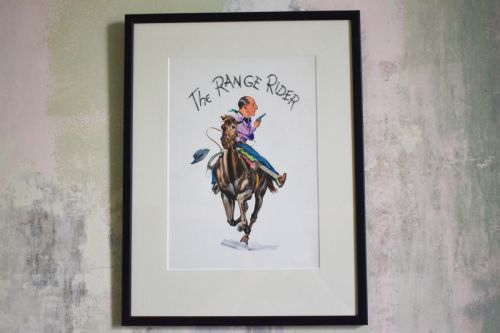
A mid century equestrian painting captures horses, jockeys, racecourses and stables through the lens of twentieth-century artists working in Britain, France and beyond. When you search for this phrase, you encounter everything from dynamic racing scenes and rodeo broncos to intimate portraits of ponies and hounds.
The pieces on this page span several decades, reaching from the nineteen-thirties through the nineteen-sixties, alongside a few nineteenth-century works and earlier Victorian items. You will find oil paintings on canvas and board, watercolours, gouache and even sand pictures, mostly framed and ready for the wall.
Subject matter ranges from formal race meetings at Longchamp and fashionable ladies at the races to gritty portrayals of showjumpers and working farm animals. Each piece reflects the specific artistic currents of its decade, mixing realism with mid-century modern and expressionist sensibilities.
Distinctions in quality
Quality in a mid century equestrian painting rests on the artist's command of anatomy and movement, successfully conveying the tense energy of a racehorse or bucking bronco. The strength of the brushwork and the confidence of the composition separate casual studies from accomplished works.
The integrity of the primary medium - whether oil paint on canvas or watercolour on paper - and the preservation of the surface layer dictate the overall standard. Works that retain their original framing and untouched painted surfaces hold greater visual clarity.
The listings on this page span multiple decades, incorporating oil paint, canvas, wood, paper, glass, gilt and watercolour.
Ernest Payne·John Rattenbury Skeaping·Harry Freckleton·Hazel M Barnett·Gabriel Dauchot·Tom Carr·Molly Maurice Latham·Allan Gwynne Jones·Jennens and Bettridge
The Mid Century Equestrian Painting Glossary
- Oil paint
- A slow-drying paint made by mixing pigments with a drying oil, commonly linseed. This medium allows artists to blend tones smoothly and build thick, textured layers known as impasto.
- Gouache
- An opaque water-based medium that includes a white pigment filler, producing a heavier and flatter finish than traditional transparent watercolour.
- Gilt
- A thin layer of gold leaf or gold paint applied to surfaces such as wooden picture frames. It provides a reflective border that highlights the artwork within.
- Expressionism
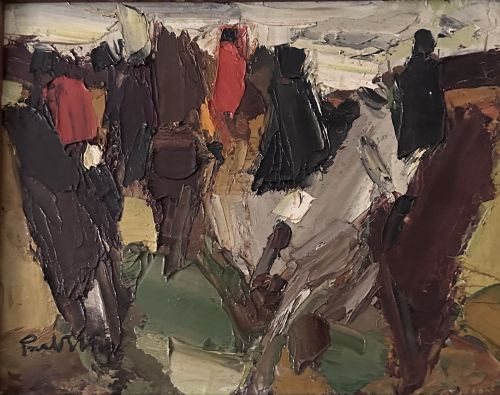
- An artistic style where the artist distorts visual reality to evoke emotional moods or dynamic energy. In equestrian art, this approach emphasises the raw motion of the horse over strict anatomical precision.
Mid Century Equestrian Painting: Frequently Asked Questions
What subjects appear in mid century equestrian painting?
These works feature racehorses, jockeys, showjumpers, polo ponies, hunting hounds and rodeo scenes. Artists also captured portraits of specific animals alongside everyday stableyard moments.
Subjects range from formal British sporting art traditions to lively French expressionist interpretations of racecourses and riders.
Which materials were used for these artworks?
Painters utilised oil on canvas, oil on board, watercolours and gouache on paper. Support structures typically consist of wood, canvas, card or paper.
Many pieces are preserved within period wooden and gilt frames appropriate to their decade of creation.
How do I identify the period of a painting?
Dating relies on stylistic clues, artist signatures, framing methods and materials. Mid-century modernist and expressionist brushwork often points toward the nineteen-fifties and sixties.
Earlier Victorian and nineteenth-century pieces display distinct academic conventions and traditional glazing techniques compared to mid-century works.
How should I display these paintings at home?
Hang them on neutral walls where the canvas or paper can be viewed without visual clutter. Ensure pieces are kept away from direct sunlight to protect oil paint and watercolours from fading.
Pairing framed works with period furniture or traditional study decor complements their mid-century aesthetic.