

Vintage Country Sporting Art
Vintage country sporting art captures the energy of the field, the stable and the kennel through centuries of British tradition.
Vintage Country Sporting Art
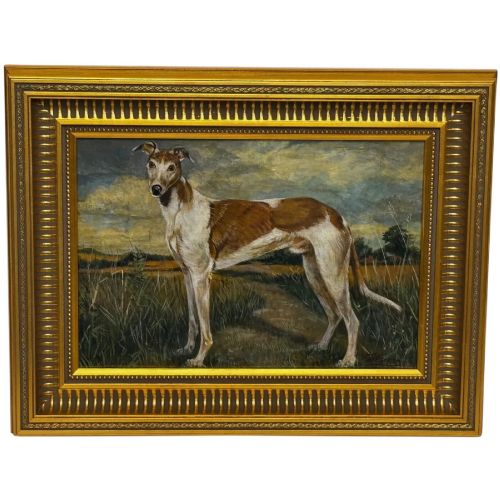
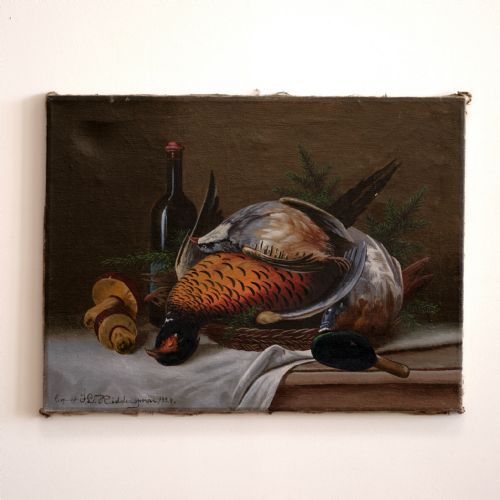
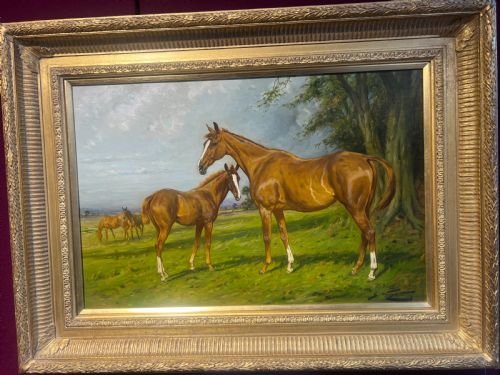
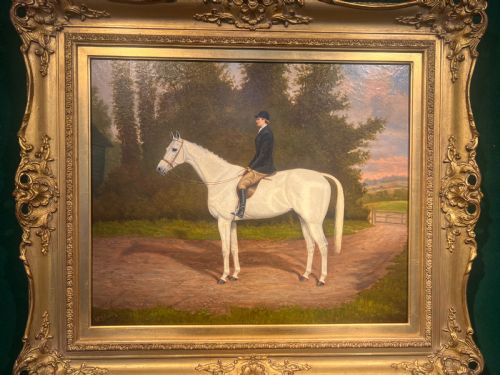
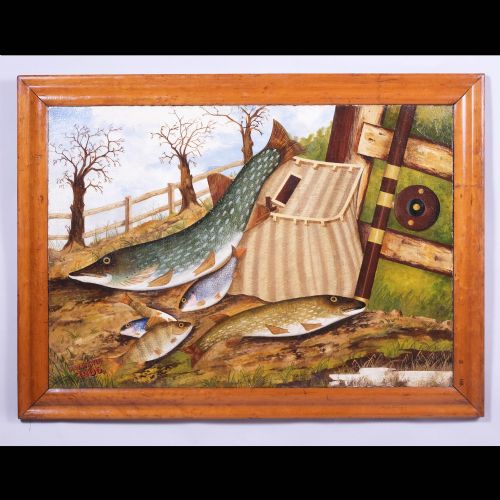
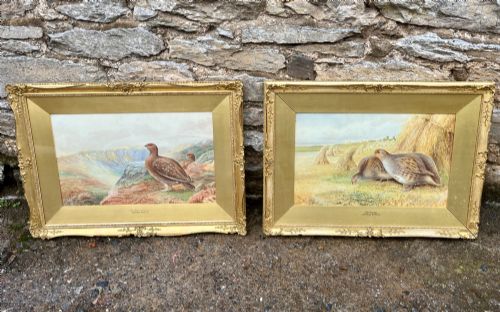
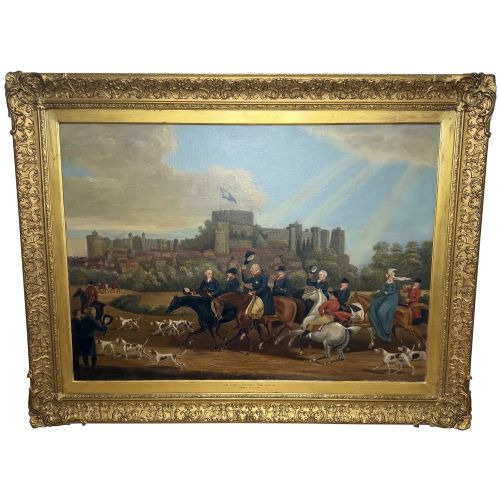
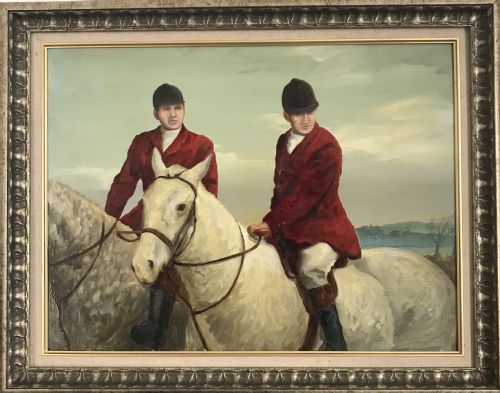
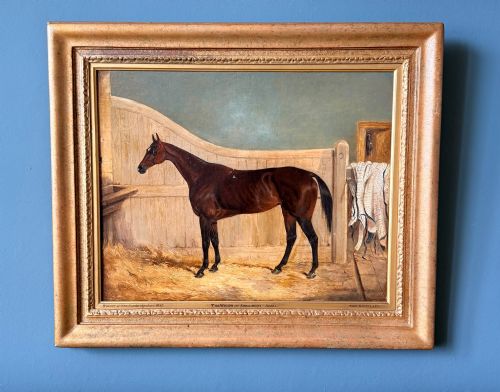
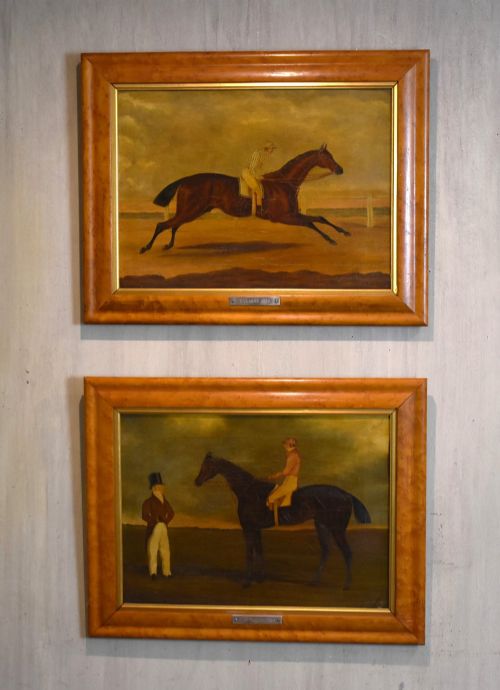
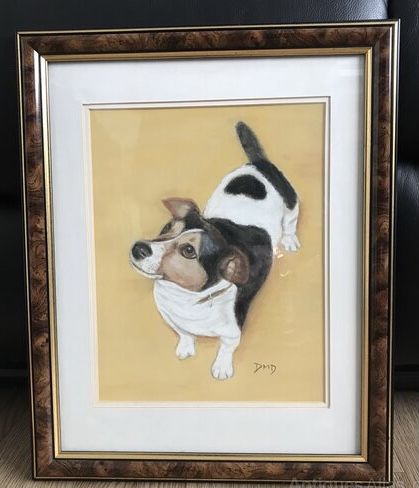
Vintage country sporting art encompasses oil paintings, watercolours, framed prints and decorative objects dedicated to rural pursuits and animals. Buyers searching for vintage country sporting art encounter depictions of horses, hounds, game birds, and hunting scenes spanning the nineteenth and twentieth centuries.
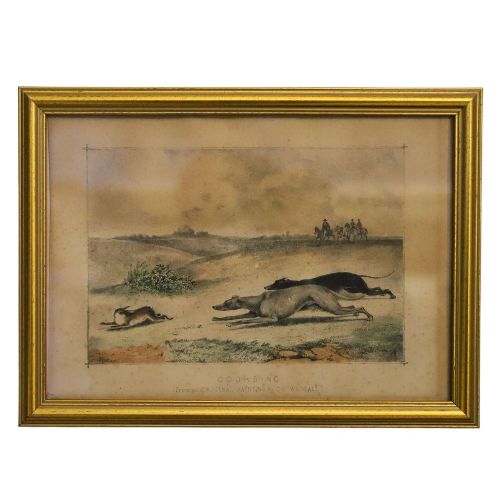
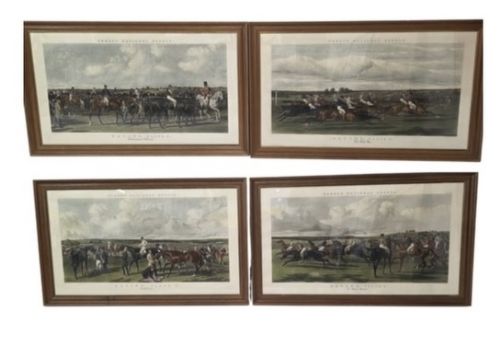
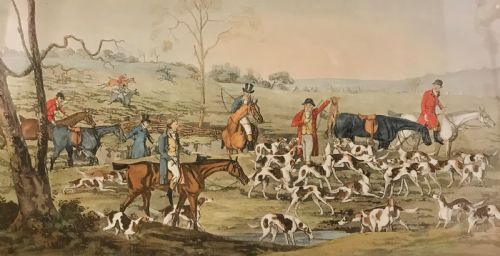
The selection ranges from detailed nineteenth-century oil paintings of hunters to early twentieth-century watercolours and hand-coloured engravings. Works often focus on specific dogs, racehorses, coaching scenes, and rural wildlife rendered by British artists and schools.
How they were made
Artists painted primarily in oil on canvas or applied watercolour and gouache to paper, often framing works behind glass in wood or giltwood frames. Printmakers produced lithographs, aquatints and engravings, sometimes hand-colouring the impressions after publication.
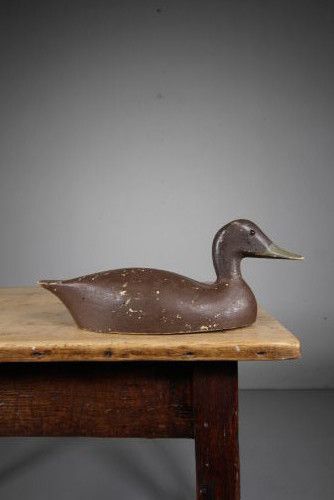
Makers shaped carved wooden decoy ducks for practical use on waterways before they transitioned into decorative objects. Paper works frequently incorporated pencil, chalk and pastel alongside ink and watercolour washes.
Listings feature works executed in oil paint, watercolour, pencil, chalk, pastel and ink on canvas and paper supports.
What varies in quality
The standard of execution in anatomy and movement separates routine portrayals from masterwork animal portraiture. Handling of light across a horse coat or the alert expression of a terrier indicates the painter skill.
Condition of the canvas, paper support and original framing influences desirability. Intact pigment layers without heavy restoration maintain the integrity of the original brushwork.
George Wright·William Albert Clarke·George Rankin·John Frederick Herring Snr·Philip Henry Rideout·John Sanderson Wells
The Vintage Country Sporting Art Glossary
- Lithograph
- A print made from a planographic image drawn on limestone or metal. The process allows for subtle tonal gradations common in nineteenth-century sporting prints.
- Giltwood
- Wood carved and coated with gold leaf or gilt paint. It is frequently seen on nineteenth-century frames surrounding oil paintings.
- Aquatint
- An etching technique that produces tonal areas resembling watercolour washes. It was widely used for reproducing hunting scenes and coaching prints.
- Decoy
- A carved and painted wooden bird utilised to attract waterfowl. Country house examples often double as folk art objects.
Vintage Country Sporting Art: Frequently Asked Questions
How do I care for old oil paintings?
Keep oil paintings away from direct sunlight and dramatic temperature fluctuations to prevent canvas slackening and paint cracking. Dust surfaces gently with a soft, dry brush without applying moisture or cleaning solutions.
Consult a professional conservator if the varnish darkens or if the paint layer shows signs of lifting from the ground.
What subjects appear in sporting art?
Common subjects include fox hunting, horse racing, coaching scenes, and portraits of prized hunters, racehorses and gun dogs. Artists also depicted coursing events with greyhounds and lurchers, alongside game birds and rural wildlife.
Many works document specific historical animals, named winners and noted packs of hounds active across the British countryside.
Are framed prints original works?
Framed prints are mechanical or chemical reproductions of an original composition, produced via lithography, engraving or aquatint. While the print itself is a period impression from the publishing date, it is not a unique painting.
Hand-coloured examples received additional pigment by hand after printing, giving each sheet individual variation.
How can I tell the age of a piece?
Dating relies on stylistic clues in clothing, tack, framing materials, and artist signature records. Nineteenth-century works often feature canvas stamps from London colourmen and heavier stretcher frames.
Twentieth-century pieces display shifts in paper quality, printing technology and framing styles typical of the Edwardian era and later decades.