
Country House Artwork
Country house artwork brings domestic sporting scenes and local topographical views directly to your walls.
Defining country house artwork
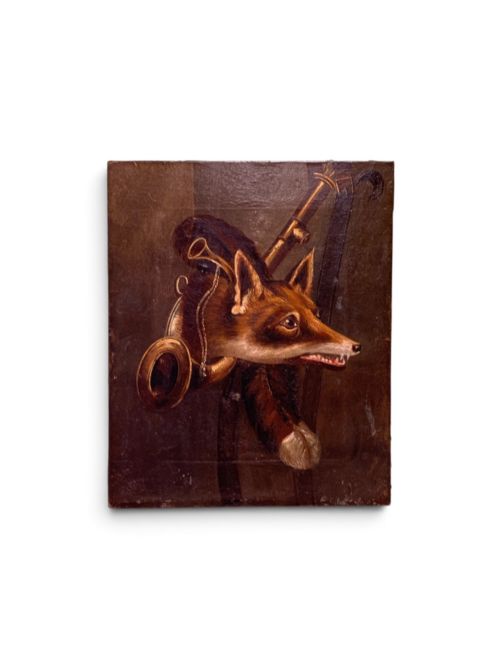
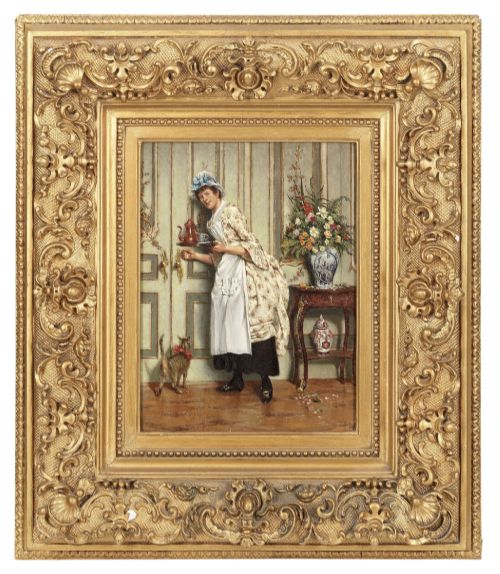
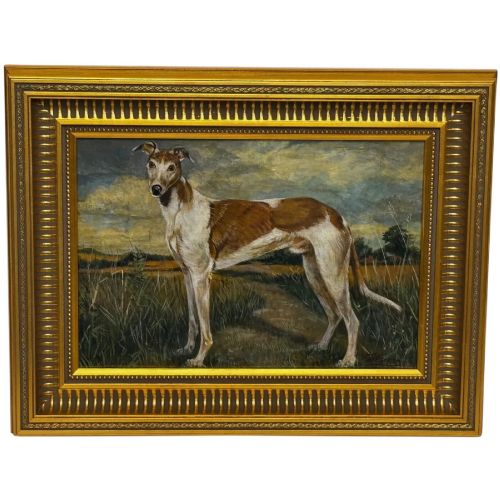
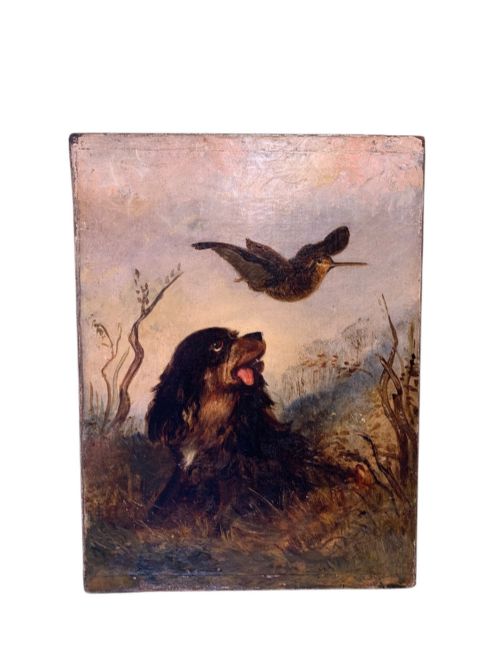
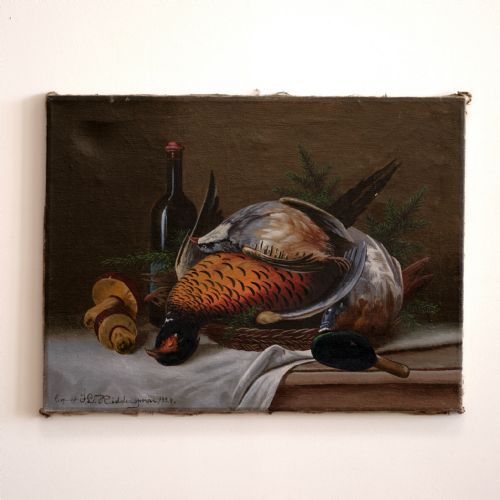
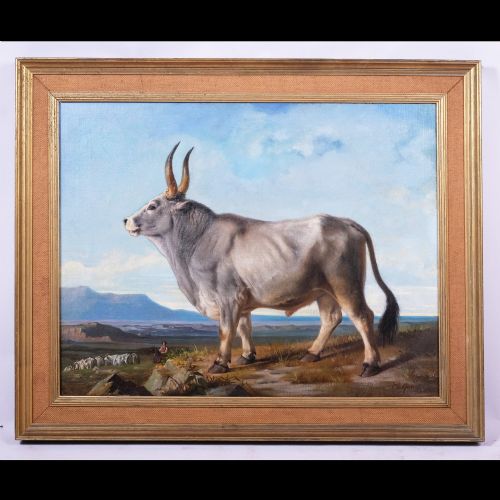
Country house artwork encompasses period paintings and framed prints recording horses, hounds, sporting events, and local Sussex scenes. These works reflect the visual culture of historic British estates across the eighteenth, nineteenth, and early twentieth centuries.
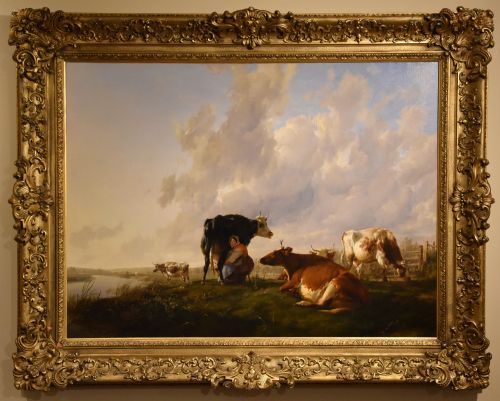
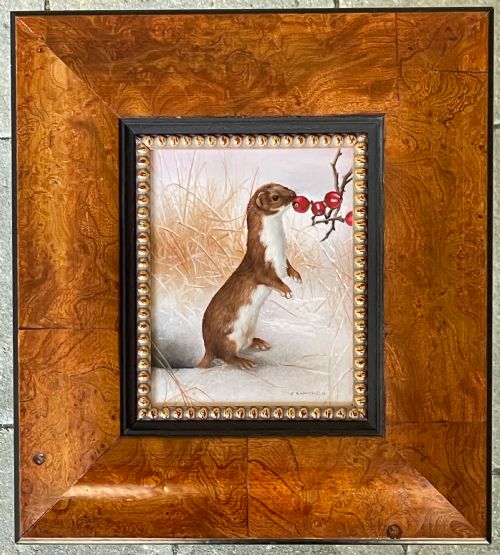
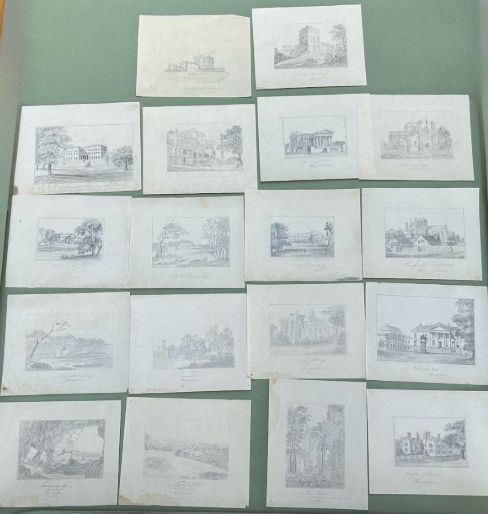
The selection on this page relies primarily on nineteenth century canvases alongside earlier eighteenth century topographical pieces and Victorian works. Buyers encounter oil paintings, oil on board, and lithographs housed within their original frames.
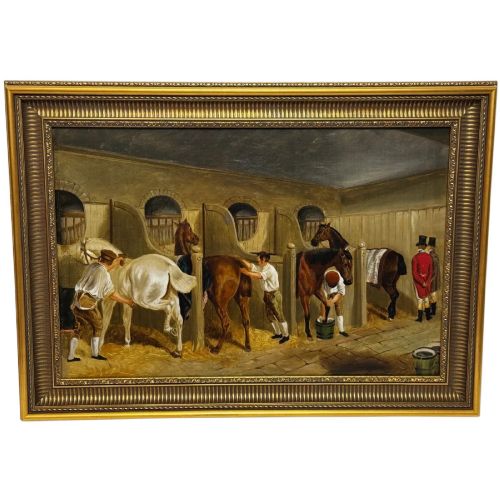
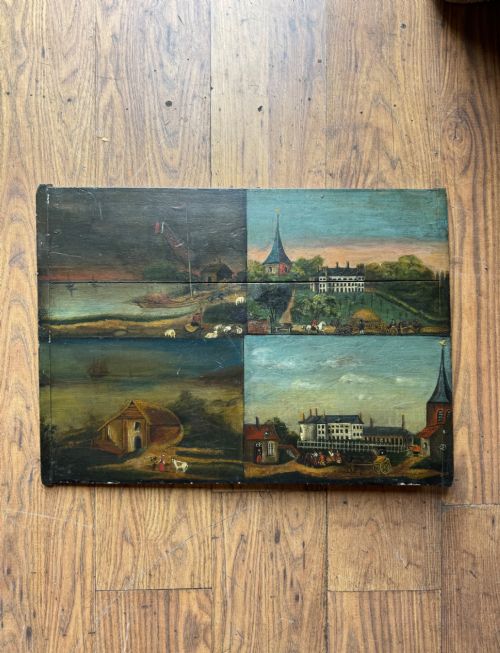
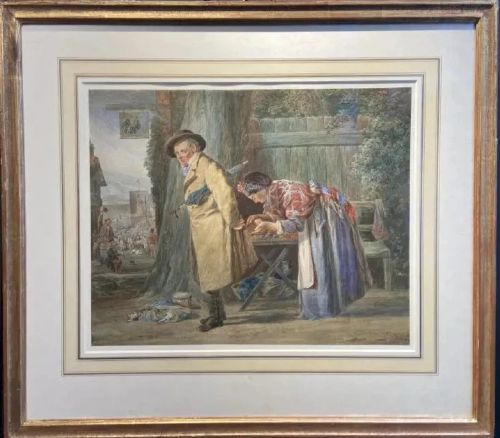
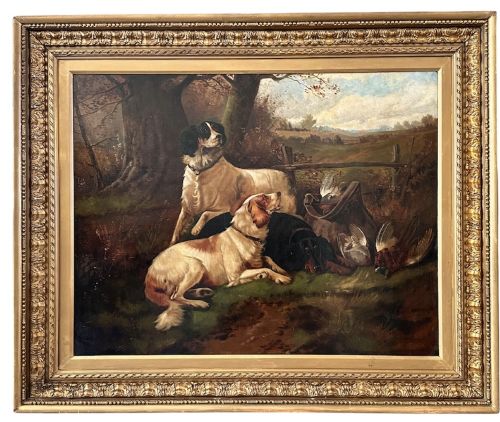
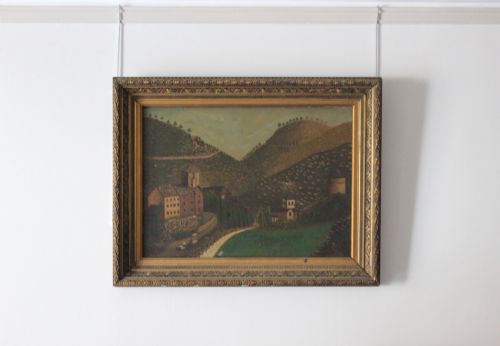
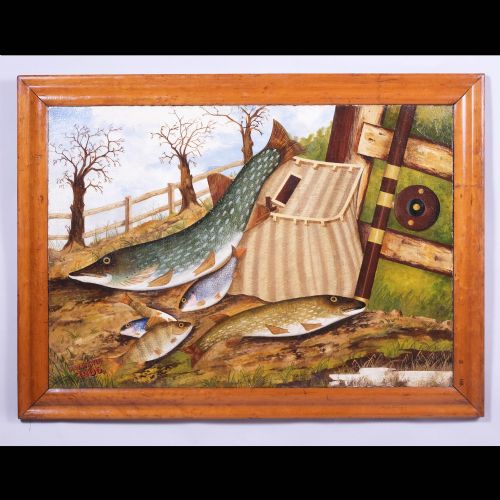
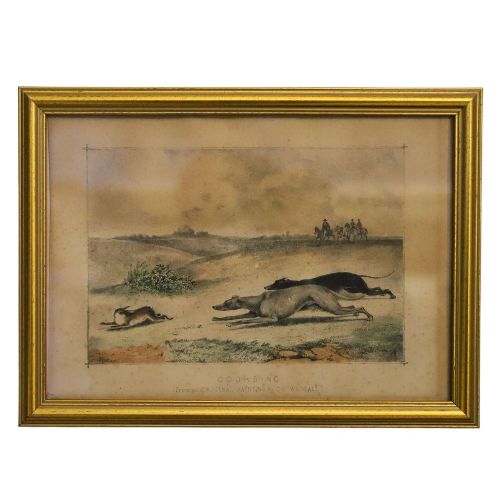
Subjects range from naive topographical views and formal bay hunter portraits to dynamic hare coursing and hound scenes. Each piece captures the distinct character and rural preoccupations of past British domestic life.
Materials and construction
Works in this category utilise oil paint applied to canvas, wood panels, or paper substrates, capturing rich textures across various surfaces. Lithography also appears, offering a detailed print medium used to reproduce dynamic field sports imagery.
Framing materials primarily consist of wood, frequently finished in gilt to complement the traditional domestic interiors these pieces inhabited. Glass protects works on paper, while oil paintings on canvas remain exposed within their supportive wooden stretchers.
Retail Price Guide 2026
Typical UK retail prices for country house artwork, calculated from the Sellingantiques database of over a million retail prices indexed since 2003. This retail price guide relies exclusively on Sellingantiques data; no external sources or auction records are used, so the figures do not describe the wider market.
An anonymous artist left a brushstroke record so vague that even the signature requires a detective.
Assessing quality
Quality in these works rests upon the precision of brushwork and the anatomical accuracy found in figurative subjects such as horses and hounds. Earlier naive pieces derive their merit from charming perspective and direct local documentation rather than academic proportion.
The preservation of the original gilt wood frames and the stability of the underlying canvas or paper directly influence the integrity of each piece. Finer works maintain strong pigment saturation and clear handling of light without excessive later intervention.
C. H. Weigall
The Country House Artwork Glossary
- Lithograph
- A print produced by drawing an image on a limestone or metal plate using an oil-based medium. This technique allows for subtle tonal gradations and fine detail in works like nineteenth century sporting prints.
- Topographical
- Depicting a specific real-world location or landscape rather than an imagined scene. Eighteenth century examples on this page record exact places such as Staplecross in Sussex.
- Naïve
- Characterised by an artless perspective and direct execution, often created by self-taught artists. These works possess a distinct historical charm distinct from formal academic painting.
- Gilt wood
- Wood coated with a thin layer of gold leaf or metallic paint. It provides traditional reflective framing for period oil paintings and prints.
Frequently Asked Questions
What periods do these artworks cover?
The available selection spans from the mid eighteenth century through the nineteenth century and into the early twentieth century.
This broad timeline incorporates Georgian folk art, Victorian sporting pieces, and regional topographical views.
Are these paintings supplied framed?
Yes, the pieces typically include their period surrounds, such as traditional gilt wood frames or protective glass.
These enclosures complement the canvas, board, or paper works within.
What subjects are most common?
Equestrian scenes, hunting dogs, hare coursing, and specific English village topographies dominate the imagery.
These subjects reflect traditional rural pursuits and estate life.
How do I care for antique canvas paintings?
Keep works away from direct sunlight and excessive moisture fluctuations to preserve the oil paint and canvas.
Dust gilt wood frames gently with a dry, soft cloth.