
Traditional Country Art
Traditional country art brings the honest craft of rural life into a room, spanning rustic oil paintings and sturdy wooden seating.
Traditional Country Art
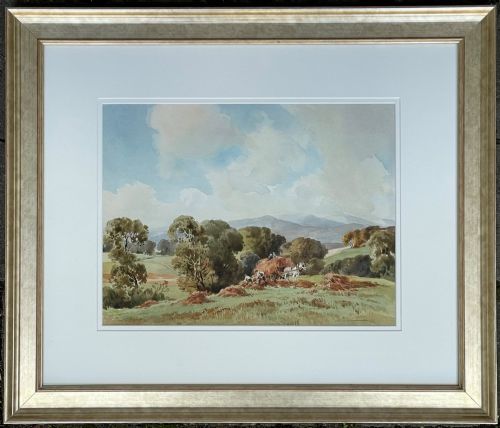
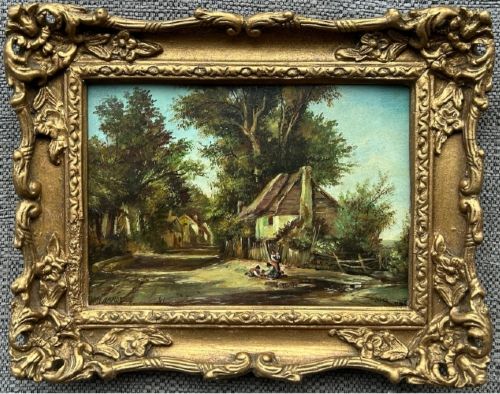
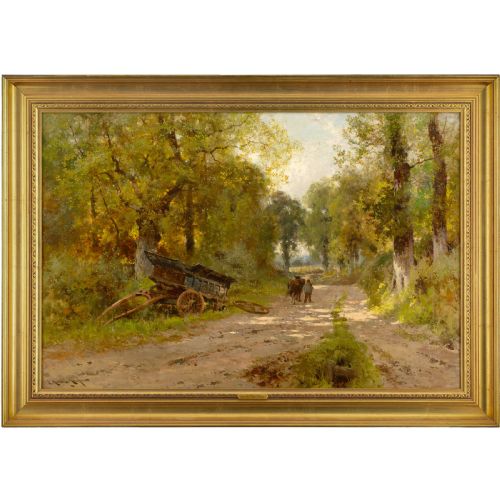
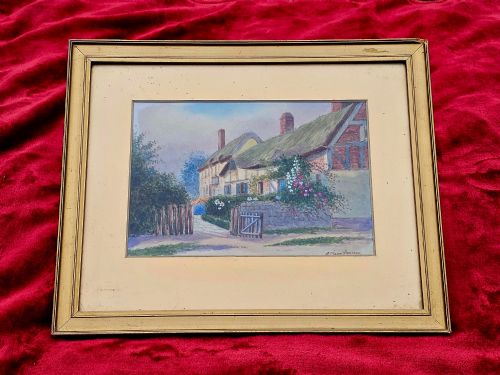
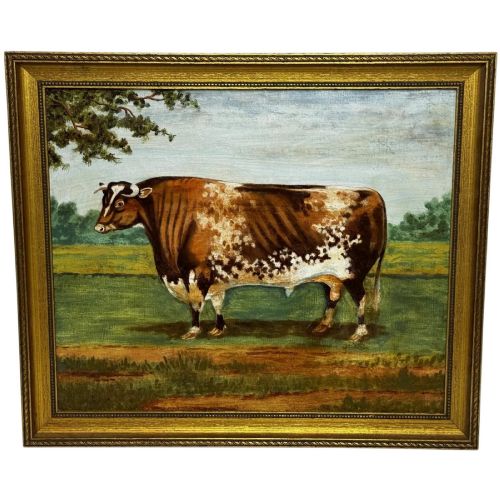
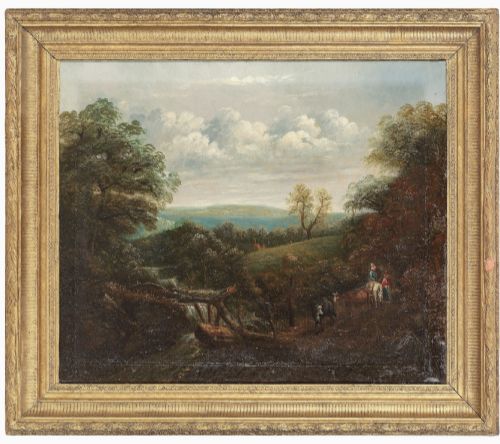
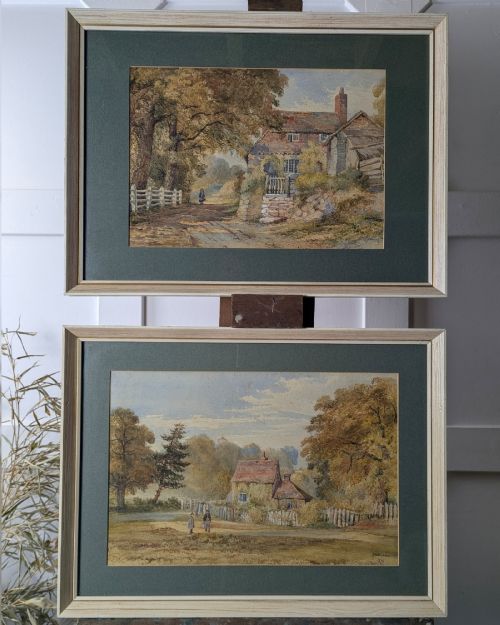
Traditional country art encompasses rural oil paintings, watercolours, and solid wooden seating made during the nineteenth and early twentieth centuries. Buyers seeking this aesthetic encounter depictions of farm animals, harvest landscapes, and cottage scenes alongside practical elm and beech chairs.
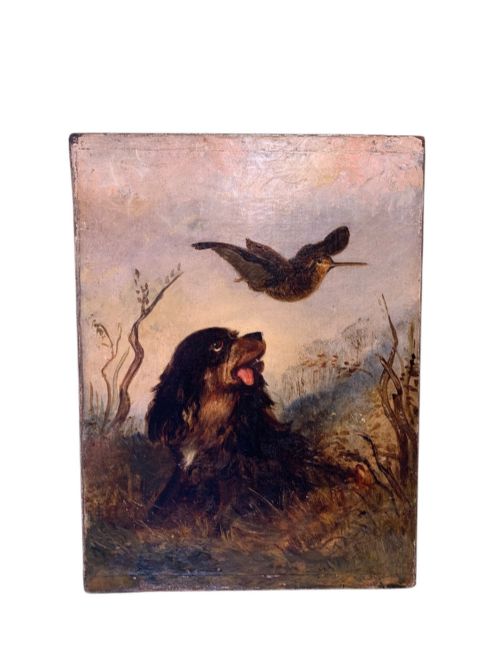
The objects stem from English and Scottish provincial makers who recorded everyday rural scenes with directness. These pieces reflect regional domestic life rather than courtly polish, focusing on working horses, sporting subjects, and domestic dairying.
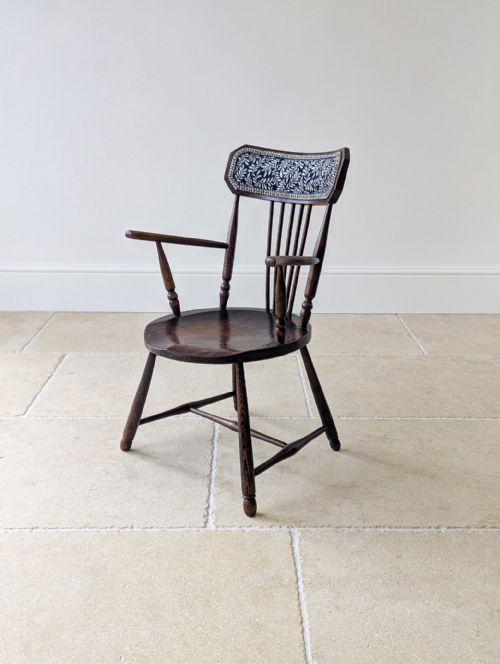
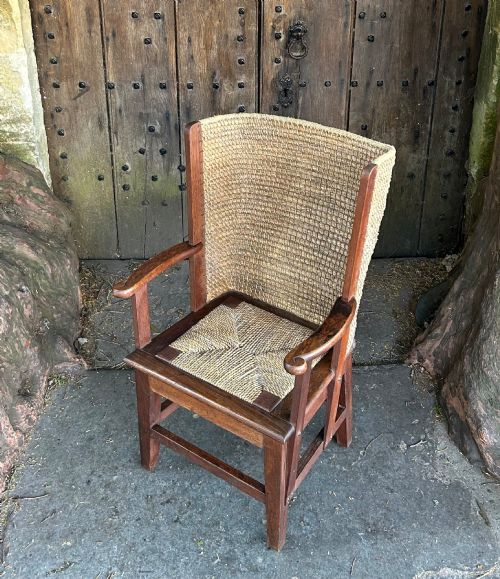
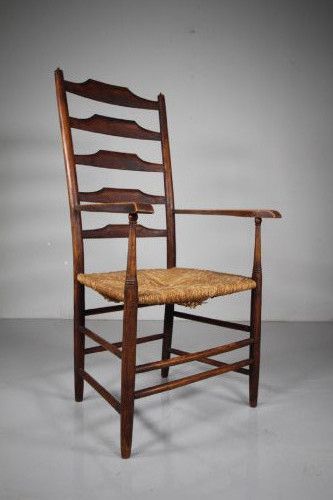
Armchairs, Windsor chairs, and framed artwork dominate the selection, often carrying the marks of local joinery and regional school painting. This grouping bridges fine art and practical utility through straightforward materials like oak, canvas, and paper.
Materials and construction
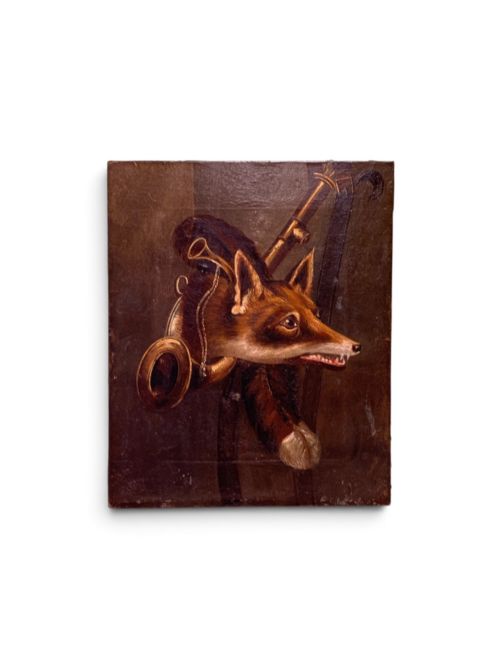
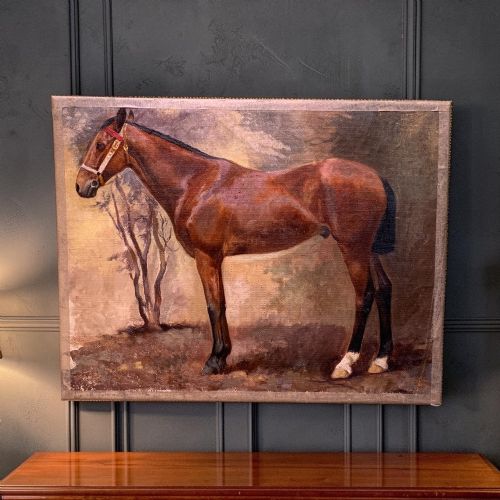
Painters used oil on canvas, wood, panel, and paper, applying pigment to capture rural light and agricultural subjects. Watercolour on paper served artists recording landscape views and botanical subjects on location.
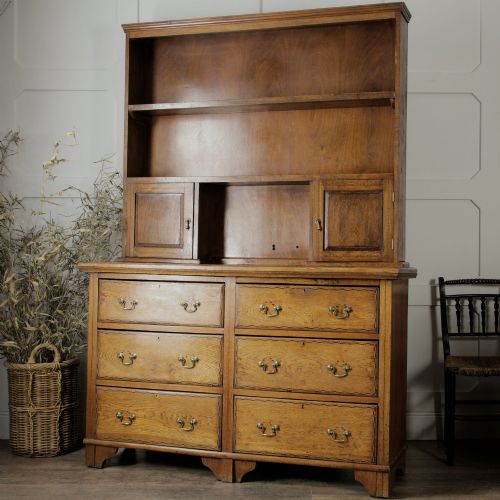
Furniture makers utilised native timbers including elm, beech, laburnum, and solid honey oak. Chairs and dressers relied on traditional joinery methods, combining turned spindles with carved seats to ensure durability.
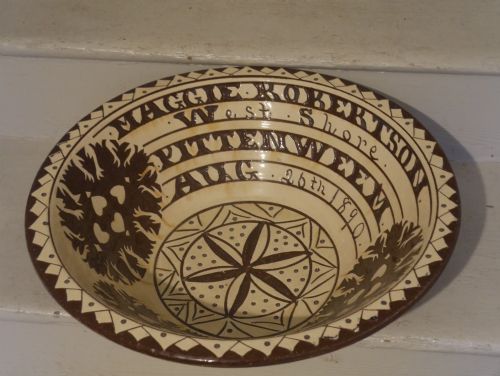
Decorative earthenware vessels like slipware dairy bowls involved local clay bodies shaped and glazed for agricultural storage. Giltwood and plain wooden frames completed the paintings, protecting the canvas and paper surfaces.
Traditional Country Art Retail Price Guide 2026
Typical asking prices for traditional country art among the pieces listed under this phrase on Sellingantiques today, from the lower quarter to the upper quarter. They describe what is for sale here now, not the wider market.
A hand-painted wooden decoy duck sits ready to deceive the most discerning waterfowl.
Judging quality in rural pieces
Quality rests on the precision of brushwork in paintings and the integrity of timber selection in furniture. Stronger canvases show confident handling of light and anatomical accuracy in animals, while better chairs display balanced proportions and tight joints.
Maker attribution and signed panels elevate specific pieces above anonymous school works. Provenance and clear regional origins, such as documented pottery bowls or named Windsor chair designs, separate standard utility items from notable examples.
Percy Lancaster·William Howard Hardy·John Horace Hooper·A Marie Parsons·Robert A Nottingham·Philip Clissett·Robert John Hammond·Walter Heath Williams·Robert Thorne Waite·John Smith Atherton·Howard Helmick·Thomas Sidney Cooper·Joseph H Barnes·John Sargent Noble·George Wright·William Albert Clarke·Carl Whitfield
The Traditional Country Art Glossary
- Slipware
- Pottery decorated with a liquid clay slip before firing. This technique produced functional dairy bowls with earthy yellow and brown patterns.
- Windsor chair
- A wooden chair built with a solid saddle-shaped seat into which the legs and back spindles are direct-inserted. These chairs utilised contrasting timbers like elm for seats and beech for spindles.
- Oil on panel
- A painting executed on a wooden board rather than stretched canvas. Panels provided a rigid surface favoured by nineteenth-century landscape artists.
- Genre painting
- Artwork depicting scenes from ordinary daily life. These works captured figures working in fields or market settings rather than grand historical narratives.
- Giltwood
- Wood that has been coated with a thin layer of gold leaf. Frames finished in this manner were used to elevate significant oil paintings.
Traditional Country Art: Frequently Asked Questions
What subjects appear in country paintings?
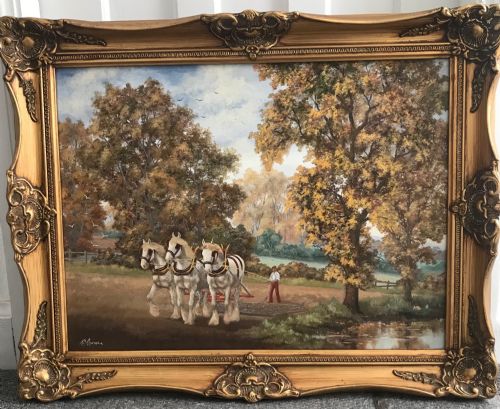
Paintings show shire horses, working dogs, harvest fields, and rural cottages. Artists focused on the daily realities of farming life and local livestock.
These works documented the nineteenth-century countryside before mechanisation altered rural routines. They offer a direct record of agricultural landscapes and domestic animals.
Where were slipware bowls used?
Slipware bowls served functional roles in dairies for processing milk and separating cream. Seaton Pottery produced notable examples in Scotland using local clays.
These heavy earthenware vessels handled daily kitchen tasks before ending up as decorative items. Their glazed surfaces resisted moisture and agricultural wear.
How should I care for oil paintings?
Keep oil paintings away from direct sunlight and excessive humidity to protect the canvas and pigment. Dust the surface gently with a soft, dry brush.
Avoid hanging pieces above active heat sources that could dry out the wooden panels or stretchers. Professional conservation ensures the paint layer remains stable over time.