

Framed Sporting Prints
Framed sporting prints capture horses, hounds and field sports through centuries of ink, paper and paint.
Framed Sporting Prints
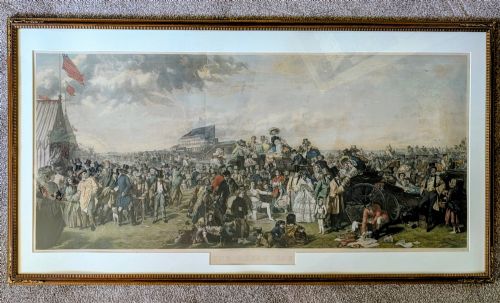
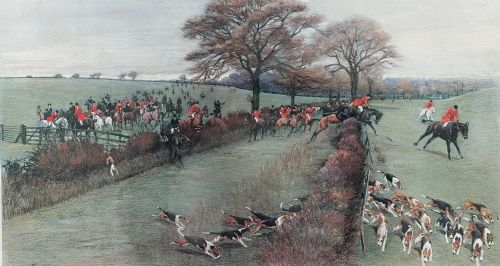
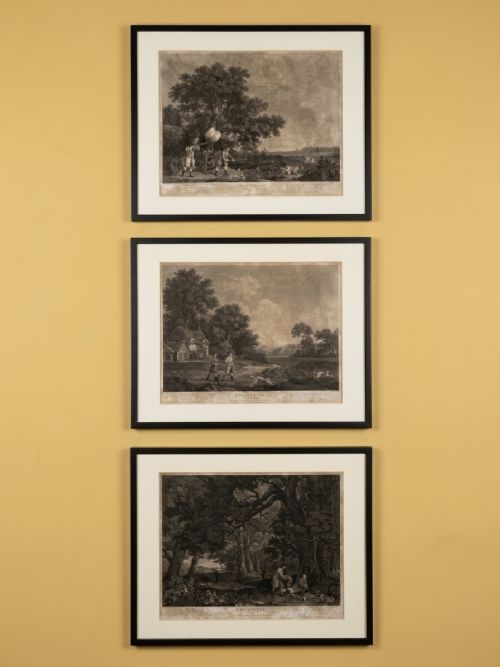
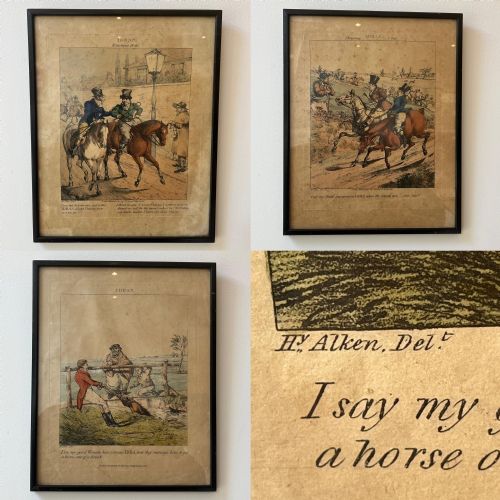
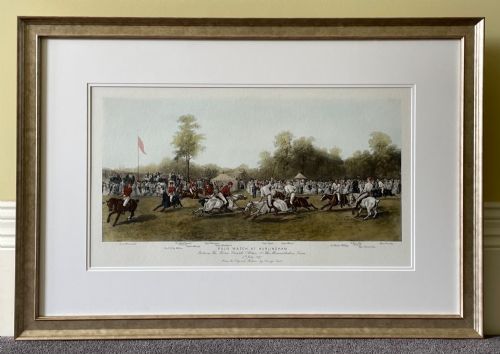
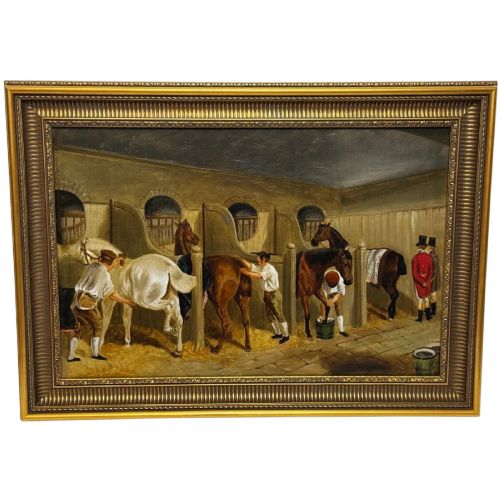
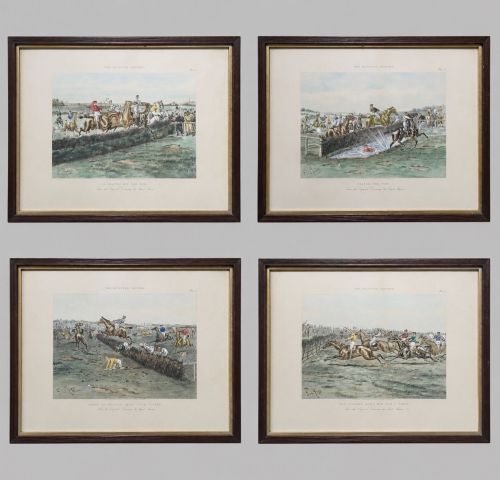
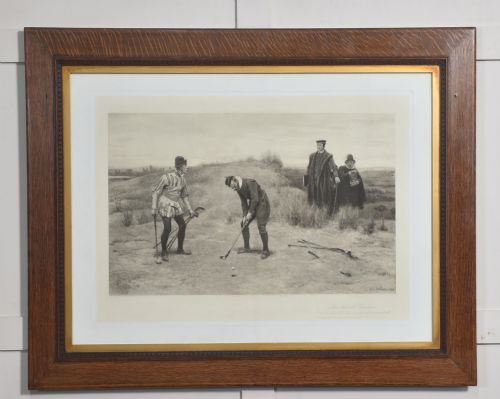
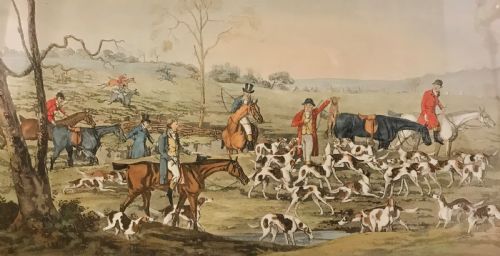
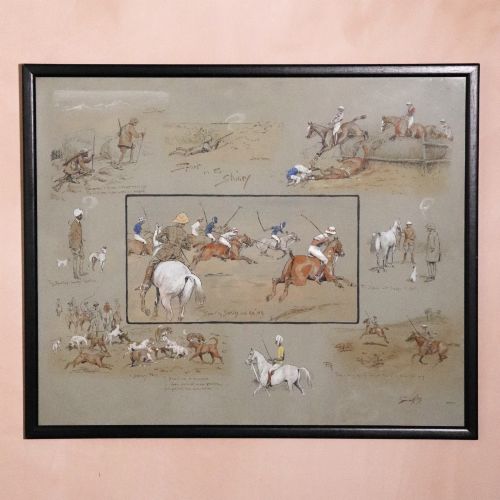
When you search for framed sporting prints, you enter a visual record of equine pursuits, hunting, racing and country pastimes. The examples on this page span Georgian plates through to mid-century works, encompassing original watercolours, oils and mass-produced graphics.
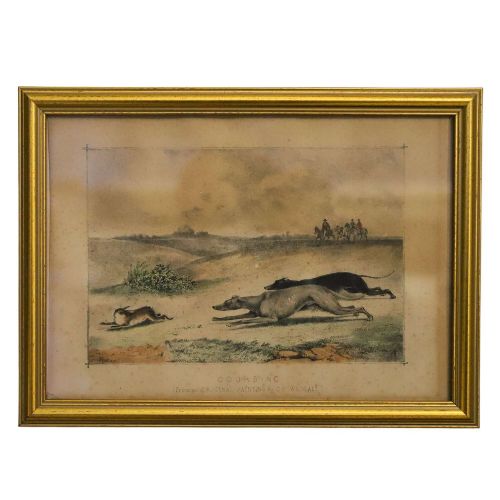
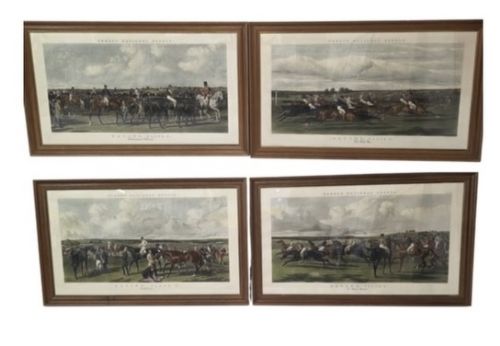
Engravings, lithographs and aquatints dominate the selection, often preserved behind glass within wooden or gilt frames. Sets of four remain common, capturing sequential moments in horse racing or field sports.
How they were made
Makers utilised paper as a primary support for engravings, etchings and lithographs, applying ink by hand or press. Many early plates received supplementary watercolour washes to brighten the imagery.
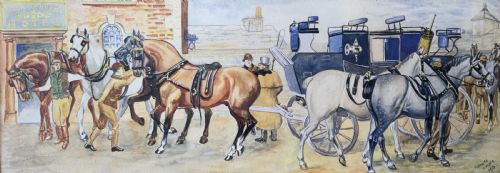
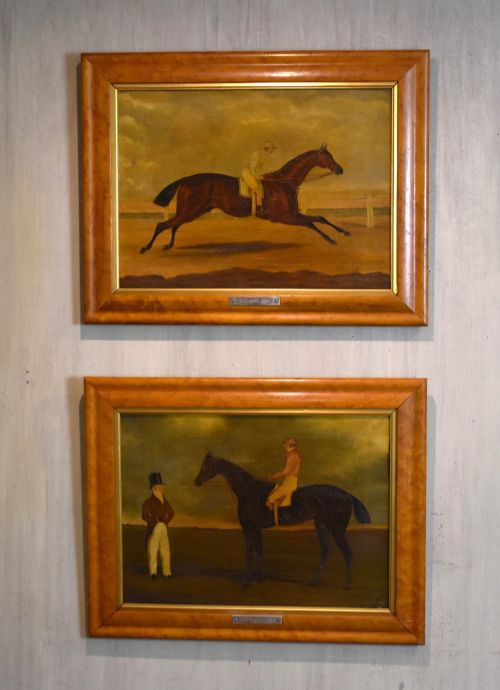
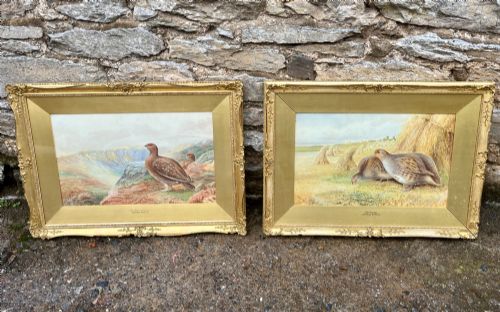
Painters turned to oil on canvas or watercolour on paper for original compositions, mounting finished works within oak, giltwood or plain wooden frames protected by glass.
Framed Sporting Prints Retail Price Guide 2026
Typical asking prices for framed sporting prints among the pieces listed under this phrase on Sellingantiques today, from the lower quarter to the upper quarter. They describe what is for sale here now, not the wider market.
Listings span the Georgian, Victorian and Edwardian eras, utilising paper, glass, wood, ink, watercolour and oil on canvas.
What varies in quality
The clarity of the printed line and the crispness of the hand-colouring separate standard decorative plates from superior impressions. Early strikes from copper or steel plates retain sharper details than later reproductions.
The choice of framing materials and the original preservation of the paper sheet influence the overall character of the piece. Untouched nineteenth-century framing adds context that modern replacements lack.
George Finch Mason·C. H. Weigall·George Rankin·John Frederick Herring Snr·John Rattenbury Skeaping·Anne Goldthwaite·Herbert Dicksee·Abraham Cooper·Charles Faulkner·Alfred Wheeler·John Atkinson·James Dobie
The Framed Sporting Prints Glossary
- Aquatint
- A printmaking technique that produces areas of tone resembling watercolour washes. It was frequently used in sporting art to render atmospheric landscape backgrounds.
- Lithograph
- A planographic printing method based on the repulsion of oil and water. It allowed artists to create fluid, painterly lines on limestone blocks.
- Chromolithograph
- A colour lithographic technique using multiple stones to build up rich hues. Nineteenth-century publishers utilised this method for vibrant periodical prints.
- Engraving
- A method of cutting design lines directly into a metal plate with a burin. The resulting impressions yield sharp, precise details suitable for fast-paced sporting scenes.
- Eglomise
- The process of applying gold or silver leaf to the reverse side of glass. This decorative border technique appears on specific framed works.
Framed Sporting Prints: Frequently Asked Questions
What subjects appear in these prints?
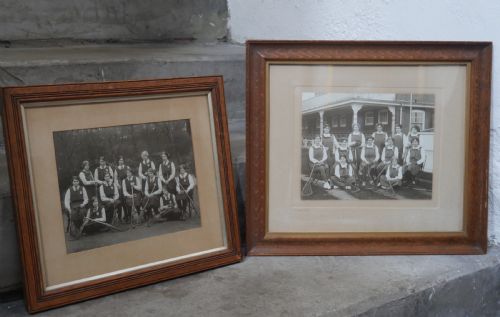
The subjects focus primarily on equestrian events, horse racing, polo, hunting and game shooting. Domestic animal portraits and athletic team photographs also feature among the selections.
Fields sports dominate the imagery, reflecting nineteenth and early twentieth-century rural pastimes.
How should I display them at home?
These works suit studies, hallways and reception rooms, particularly when grouped in sets of four or pairs. Hanging them away from direct sunlight protects the underlying paper and watercolour pigments.
Pairing matching hunting or racing scenes creates a balanced wall arrangement.
Are these works original antique pieces?
The inventory combines original nineteenth-century hand-coloured engravings and lithographs with period watercolours and oil paintings. Dates range from Georgian plates through to mid-twentieth-century prints.
Each listing specifies the material and period to clarify its origin.
How do I identify different print methods?
Engravings show distinct plate marks pressed into the paper edges alongside fine, incised lines. Lithographs display softer tonal gradations without the physical indentation characteristic of metal plates.
Examining the surface under magnification reveals the underlying ink application.