




19th Century Horse Engravings
These 19th century horse engravings capture the spirit of the Victorian turf and hunt, offering collectors a direct link to historic equestrian culture.
19th Century Horse Engravings
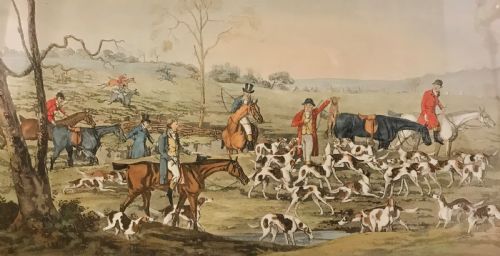
When you search for 19th century horse engravings, you encounter framed art and wall prints that record the dominant equestrian interests of the Victorian era. The selection centres on racing scenes, hunting subjects, and individual animal portraits executed on paper.
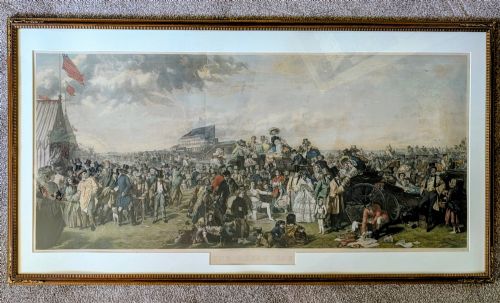
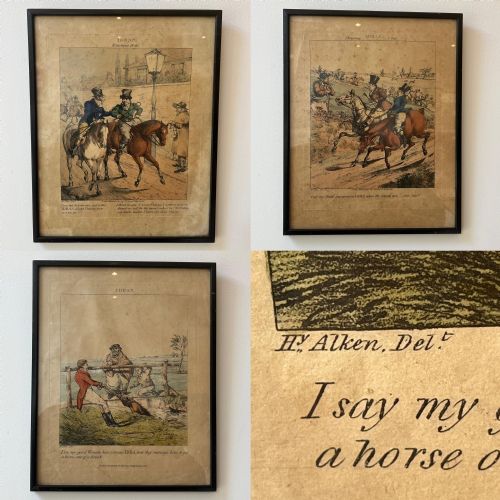
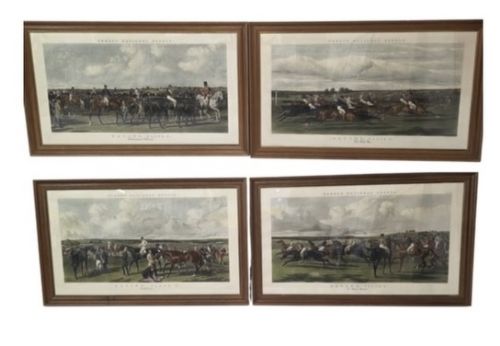
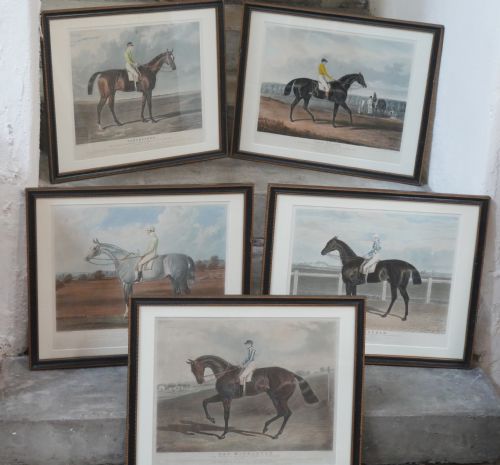
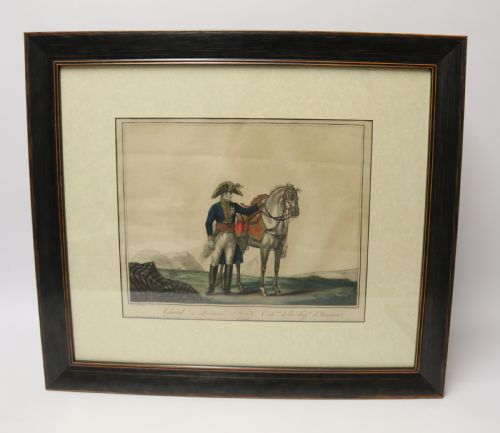
Most pieces date from the Victorian period, including sets of four or five racing prints alongside individual antique plates. Works after artists such as William Powell Frith and Aiken sit alongside French lithographs and aquatints like those by Victor Adam.
The material form remains consistent across the listings, typically comprising paper prints housed in wooden frames behind glass. Some examples incorporate hand-coloured details or richer mountings involving gilded wood and gold leaf.
How they were made
Production relies primarily on paper sheets marked with ink through engraving, lithography, or aquatint techniques. Artisans applied these methods to replicate original paintings or drawings for wider publication.
Many plates receive additional hand-colouring in watercolour to enhance the visual depth of the horse and rider subjects. Finished prints then find protection behind glass within wooden frames, often finished in gilt wood or gold leaf.
19th Century Horse Engravings Retail Price Guide 2026
Typical asking prices for 19th century horse engravings among the pieces listed under this phrase on Sellingantiques today, from the lower quarter to the upper quarter. They describe what is for sale here now, not the wider market.
One set captures six leaping amazones, proving that Victorian horse enthusiasm extended far beyond the local village steeple chase.
What varies in quality
Quality rests heavily on the crispness of the ink impression upon the paper and the presence of fine hand-coloured watercolour details. Early impressions from well-preserved plates retain sharper lines than later or worn printings.
The completeness of a matched set heavily influences the desirability of the piece, particularly with multi-part racing or hunting series. Original framing materials, such as period gilded wood, also distinguish superior examples from plain later mountings.
William Powell Frith·Victor Adam
The 19th Century Horse Engravings Glossary
- Engraving
- A printmaking process where an artist cuts lines into a metal plate to hold ink. This technique produces fine, precise details well suited to 19th century animal subjects.
- Lithography
- A planographic printing method using a flat stone or metal plate. It allows for the fluid reproduction of tonal drawings and rich scenes.
- Aquatint
- A variation of etching that creates tonal areas resembling watercolour washes. It was frequently utilised for atmospheric 19th century sporting prints.
- Gilt wood
- Wood coated with a thin layer of gold leaf or metallic paint. This material is common on period frames housing fine Victorian art.
19th Century Horse Engravings: Frequently Asked Questions
What subjects do these prints show?
The works predominantly depict horse racing, hunting scenes, and military subjects involving horses. Many pieces record specific events or famous animals from the period.
Artists and publishers captured these popular sporting themes to satisfy the strong Victorian demand for equestrian imagery.
How should I display them at home?
These framed paper works require hanging away from direct sunlight to protect the ink and watercolour pigments from fading. Keeping them behind glass shields the delicate paper surfaces from atmospheric dust.
Matching sets look striking when hung together in a study, hallway, or living room as a unified gallery display.
Are these pieces original 19th century items?
The listings comprise authentic 19th century works produced during the Victorian era. The materials used, including period paper, ink, and wood framing, reflect nineteenth-century production methods.
Dates range across the century, with specific items tied to the 1820s, 1850s, and 1870s.
Do the prints come ready to hang?
Most pieces arrive as framed art, combining paper prints, glass, and wooden frames such as gilt wood. This allows you to place them directly onto a wall upon arrival.
Some multi-piece sets provide a cohesive group of four or five works ready for a coordinated arrangement.