




Georgian Equestrian Prints
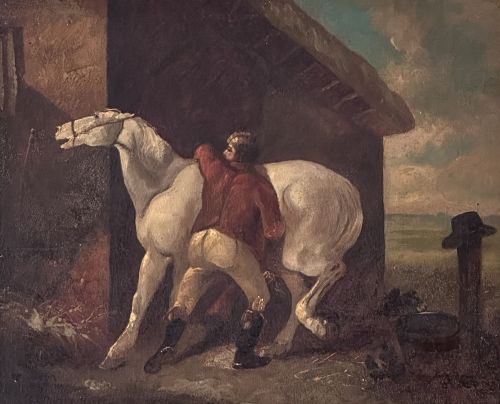
Georgian equestrian prints capture the speed, power and lineage of eighteenth-century horses through skilled engraving.
Georgian Equestrian Prints
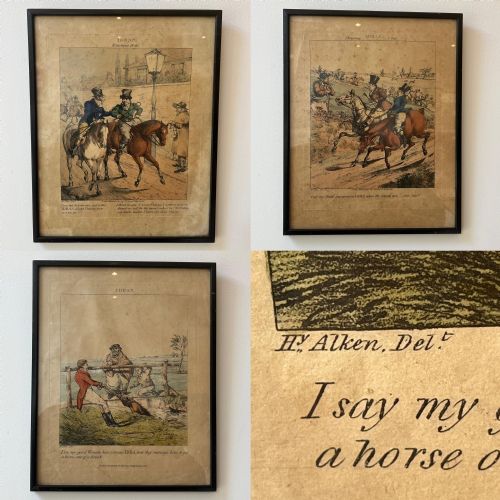
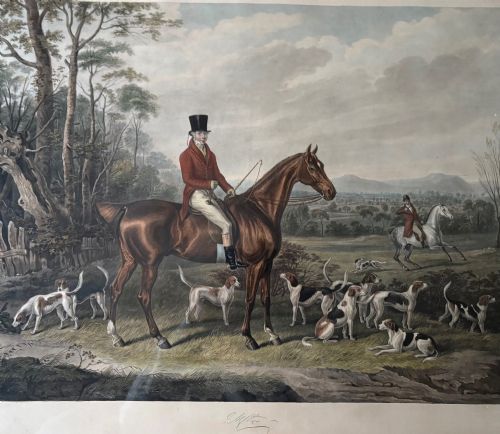
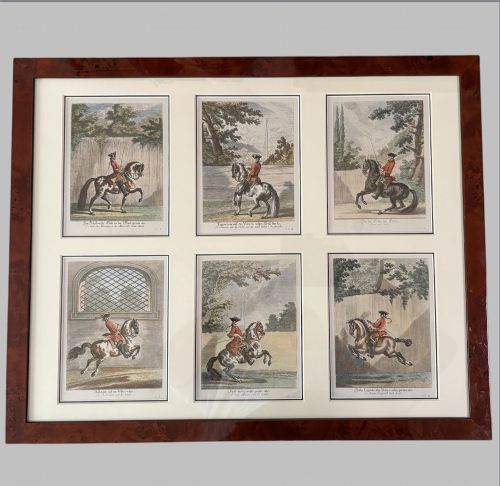
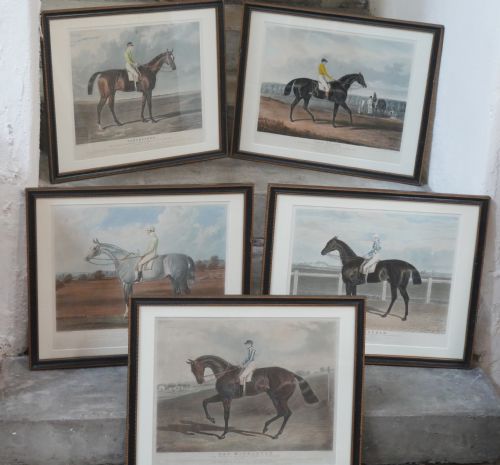
These works represent georgian equestrian prints, showing horses, riders and sporting scenes across framed prints and engravings. The period examples include copper engravings and hand-coloured plates dating from the eighteenth century.
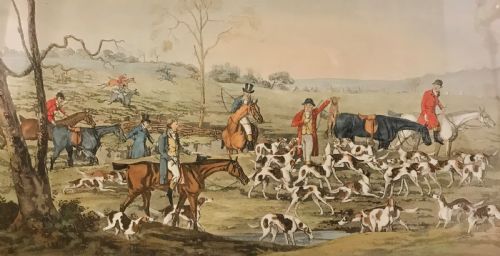
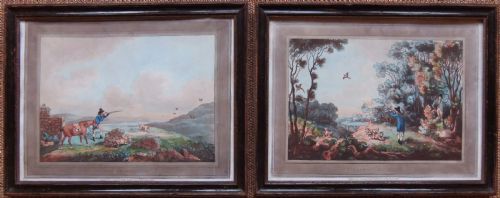
Collectors encounter framed wall art, pairs of old prints and sets depicting racing, hunting and portraits. The subjects range from named racehorses like Creeping Molly to fox hunting scenes and sporting tandems.
Pieces from this category span various production dates, encompassing authentic eighteenth-century impressions alongside later nineteenth-century interpretations and twentieth-century reproductions.
Materials and production
The physical objects combine paper supports with ink, watercolour and paint, often finished by hand to add colour to copper engravings and mezzotints. Makers employed engraving techniques to transfer detailed lines onto the sheet.
Framing materials incorporate wood and gilt alongside glass protection, while some related items utilise burr wood veneer. The combination of engraved ink and applied colour creates the characteristic surface of these sporting works.
Georgian Equestrian Prints Retail Price Guide 2026
Typical asking prices for georgian equestrian prints among the pieces listed under this phrase on Sellingantiques today, from the lower quarter to the upper quarter. They describe what is for sale here now, not the wider market.
Some horses achieved such fame that their portraits were printed and collected just like royalty.
Assessing quality
Quality rests upon the clarity of the printed line and the precision of the hand-applied watercolour. Impressions taken early from the plate retain crisp details in the horse's musculature and the rider's attire.
The preservation of the paper and the integrity of the framing materials contribute to the overall standard of the piece. Contemporary framing or well-maintained period frames affect how these works present on the wall.
Edward Fisher·Sir Joshua Reynolds·Ridinger·Abraham Cooper·George Morland·W Ward·H Alken·Sam Howitt
The Georgian Equestrian Prints Glossary
- Mezzotint
- A printmaking process where the copper plate is roughened to produce dark tones and rich contrasts. This technique allows for subtle tonal gradations particularly suited to portraits.
- Copper engraving
- An intaglio method where lines are cut directly into a copper plate with a burin. The resulting incisions hold the ink for transfer to paper under pressure.
- Aquatint
- A variant of etching that produces areas of tone rather than lines. It mimics the appearance of watercolour washes when printed.
- Hand coloured
- The process of applying pigment by brush to a monochrome printed base. This adds vibrant detail to sporting scenes and racing plates.
Georgian Equestrian Prints: Frequently Asked Questions
What subjects do these prints show?
The subjects focus on horses, racehorses, hunting scenes and equestrian portraits. They record named animals and sporting events from the period.
Many depict specific horses like Creeping Molly or illustrate fox hunting narratives across sets of framed engravings.
How should I hang these prints?
Protect the paper from direct sunlight to prevent fading of the ink and any applied watercolour. Hang them on stable interior walls away from moisture.
Pairs and sets look best displayed together in balanced arrangements that maintain consistent framing heights.
Are these works original period pieces?
The selection includes authentic eighteenth-century copper engravings alongside nineteenth-century impressions and later twentieth-century reproductions. Each listing notes the specific era and style.
Examining the paper characteristics and printing technique helps distinguish original impressions from later copies.
What is a mezzotint portrait?
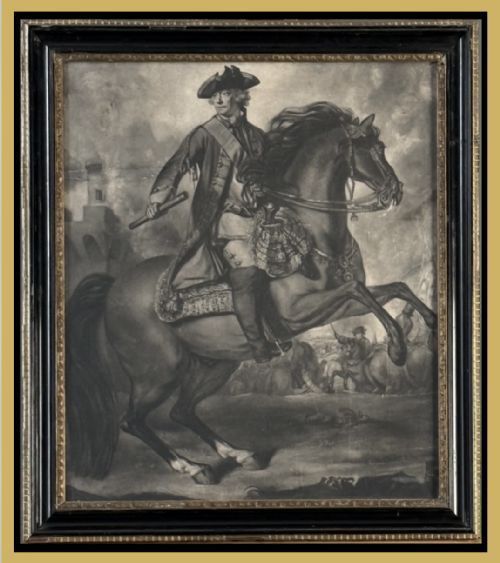
A mezzotint is an intaglio print where the plate is worked to create deep shadows and smooth tonal transitions. This method produces velvety dark areas.
In equestrian art, this technique captures the texture of coats and the formal dignity of notable figures.