




Georgian Sporting Art
Georgian sporting art captures the energy of the hunt, the stable and the racecourse on canvas, paper and panel.
Georgian Sporting Art
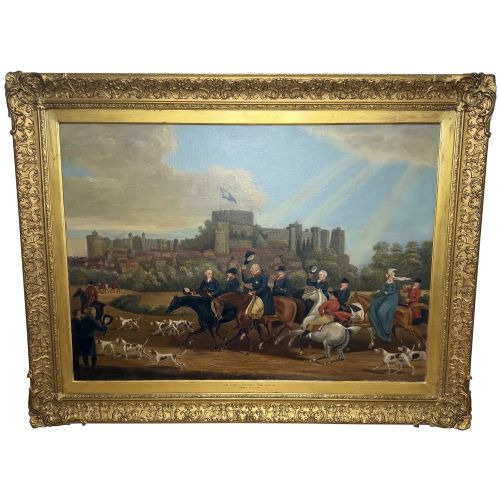
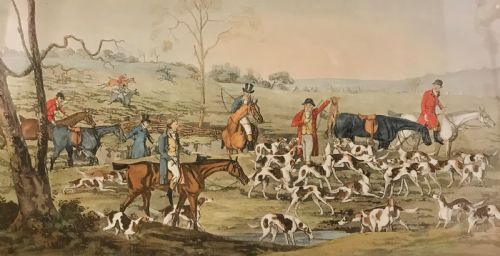
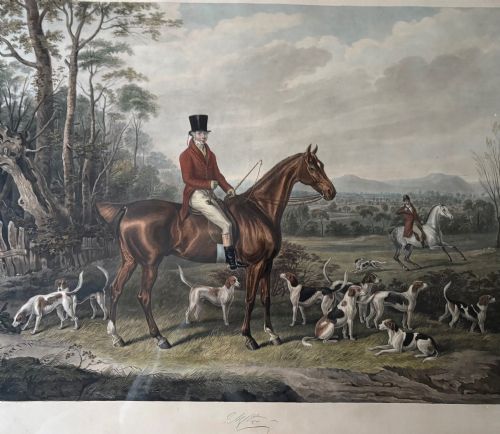
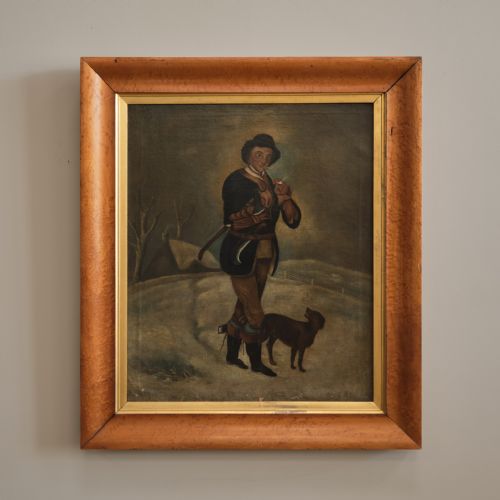
When you search for georgian sporting art, you encounter oil paintings, watercolours and engravings that celebrate horses, hounds, hunting parties and rural pastimes. The works span the eighteenth and nineteenth centuries, taking the form of framed wall art, detailed prints and small oil pictures on canvas or wood.
Oil paintings on canvas and pine panel form a large part of the selection, alongside hand-coloured engravings and watercolours. These pieces document country life, coaching scenes and individual portraits of prize horses and dogs from the period.
How they were made
Artists worked primarily with oil paint on canvas or wood panels, as well as applying watercolour and ink to paper. Engravings and copperplates relied on inked impressions transferred to paper, sometimes finished with hand-colouring.
Support materials range from traditional canvas stretched over frames to solid pine panels and delicate paper sheets housed behind glass.
Several hounds and hunters retain their individual names, immortalised in oil alongside their proud owners.
What varies in quality
The anatomical accuracy of horses and hounds distinguishes accomplished works from naive or provincial output. Skill in handling light, landscape depth and movement separates the work of named painters from standard studio copies.
The clarity of the impression in prints and engravings, together with the preservation of original hand-colouring on paper, defines the standing of works on paper.
John Sanderson Wells·William Williams·Abraham Cooper·Samuel Raven·J F Marie Huet Villiers·Clifton Tomson·Samuel Henry Alken·James Ward·John Nost Sartorius·John Vine of Colchester·George Stubbs·William Bunbury·James Barenger·John Charles Maggs
The Georgian Sporting Art Glossary
- Aquatint
- A printmaking technique that produces areas of tone resembling watercolour washes. It was frequently used to reproduce sporting subjects and coaching scenes.
- Stipple engraving
- A method of creating images on copper plates using dots rather than continuous lines. This technique created soft tonal gradations suited to portraits and social satires.
- Eglomise
- The process of applying gold or silver leaf and painting on the reverse side of glass. This technique protected the pigment and produced a glossy surface finish.
- Pine panel
- A solid wood board used as a rigid painting support before canvas became standard. Artists prepared the timber surface with gesso before applying oil paint.
Georgian Sporting Art: Frequently Asked Questions
What subjects appear in georgian sporting art?
These works depict horse racing, fox hunting, coaching scenes, shooting parties and portraits of prized animals. Human figures include country gentlemen, huntsmen, grooms and carriage drivers.
Artists also recorded rural pastimes and social sports such as rackets, skittles and football in framed prints.
How should I hang these artworks?
Keep oil paintings and watercolours away from direct sunlight to prevent the fading of pigments and paper. Stable room temperatures protect wood panels and canvas from warping or cracking.
Grouping smaller engravings together creates a traditional gallery arrangement on panelled or painted walls.
How do I identify the period of a piece?
Stylistic clues, costume details, framing methods and paper types help date the artwork. Signatures, inscriptions and artist attributions provide further historical context.
Sporting attire, hat shapes and carriage designs shifted across the decades from the Georgian era into the Victorian age.