
Antique Hunting Art
Antique hunting art encompasses oil paintings, watercolours, prints and carved wooden decoys that record centuries of field sports, hounds and game.
Antique Hunting Art
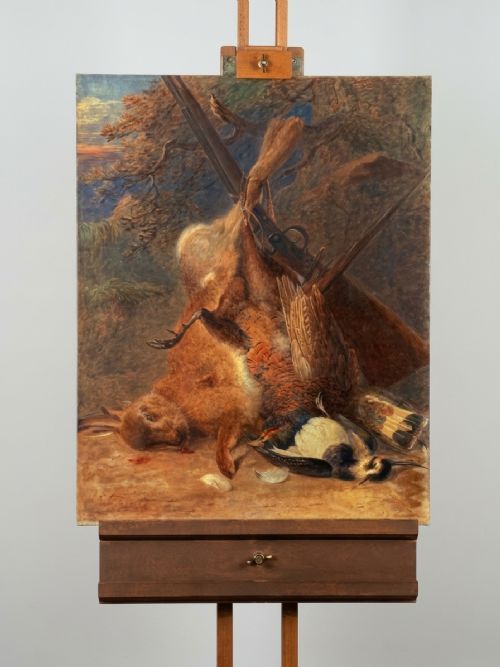
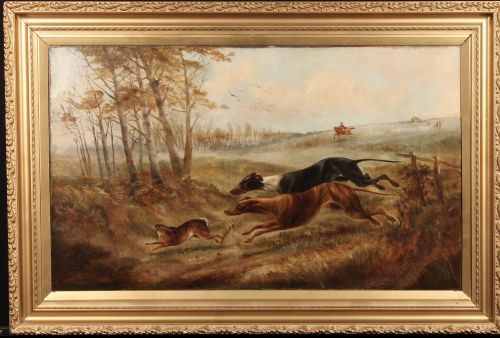
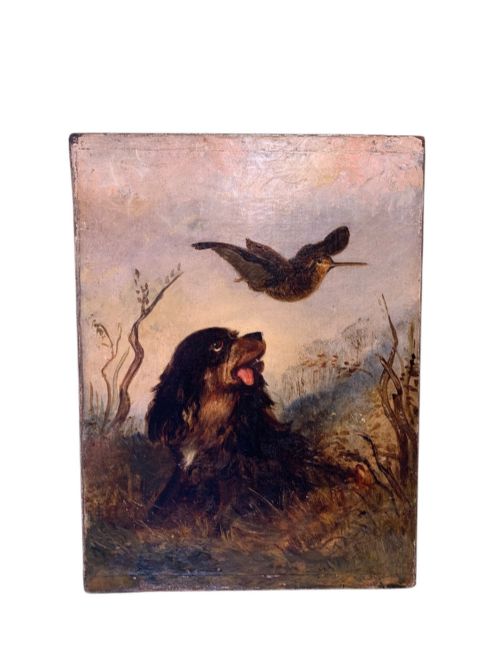
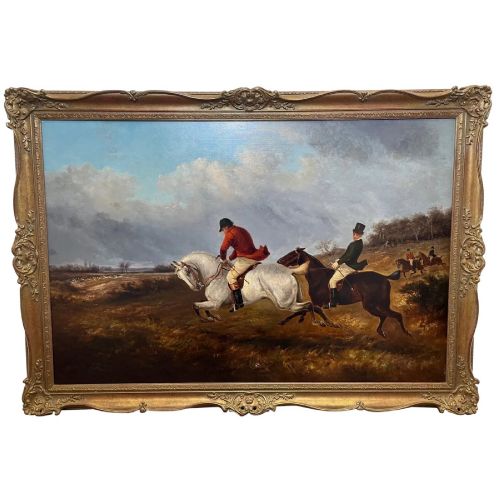
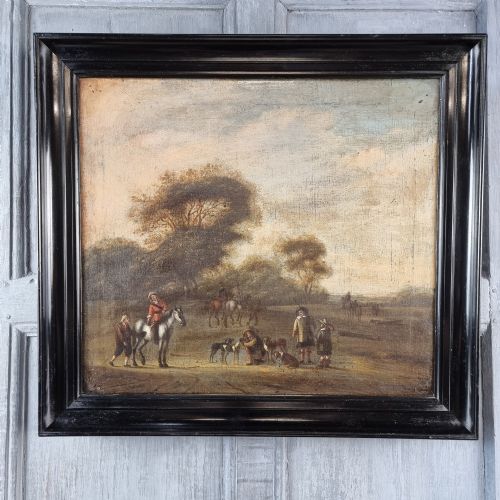
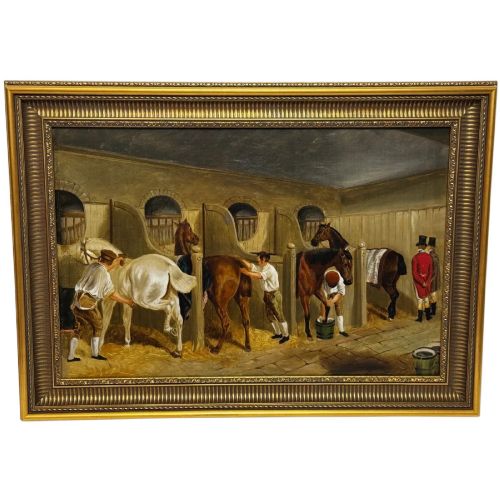
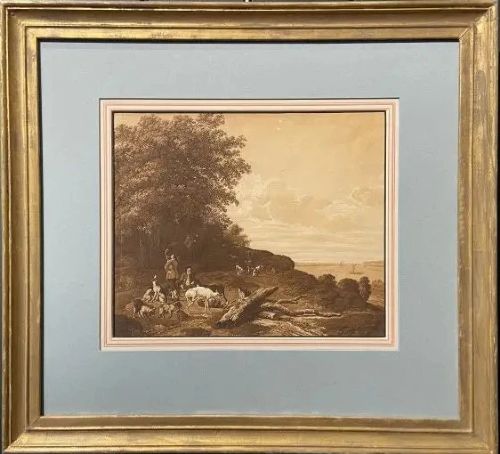
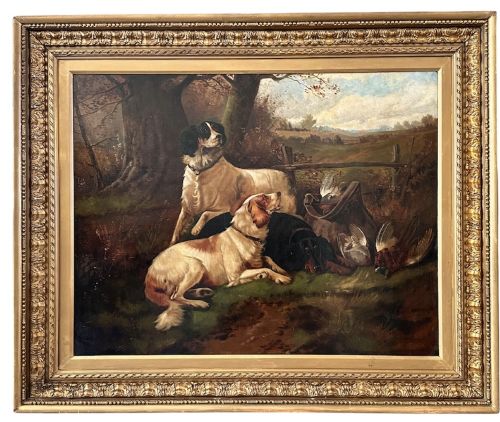
When you search for antique hunting art, you encounter a diverse array of works depicting horses, hounds, game and rural pursuits. The most frequent pieces on this page are nineteenth-century oil paintings on canvas, framed prints, and watercolours representing field sports and country life.
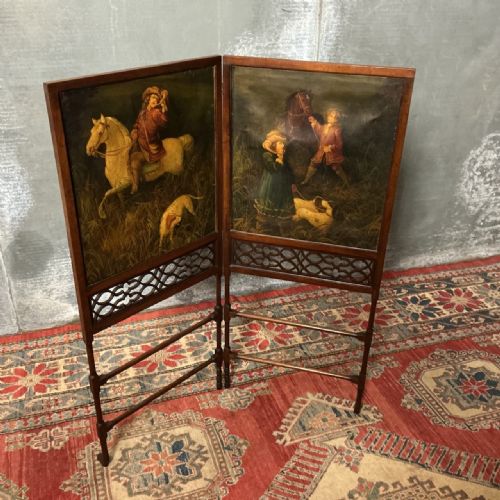
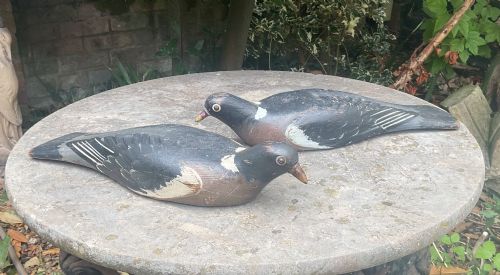
The selection extends from seventeenth-century landscapes and Dutch Golden Age canvases to Edwardian screen sets, carved wooden decoy pigeons, and folk art antler trophies. Works span Victorian sporting art, Georgian coaching scenes, and Regency prints.
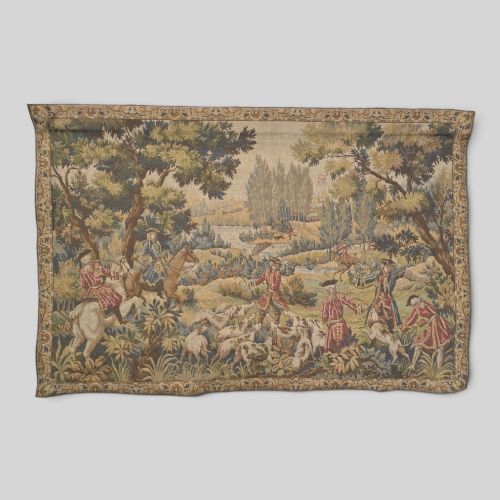
Beyond framed works on paper and canvas, the category embraces tapestries, carved fruitwood trophies, and nineteenth-century lithographs. These objects capture the social and sporting history of the British countryside and continental estates.
Distinctions in quality
Quality rests upon the artist's ability to render anatomy, movement, and light, particularly in the depiction of horses, hounds, and wildlife. Masterful handling of brushwork and pigment distinguishes accomplished canvases from formulaic workshop output.
The integrity of the surface materials, from the stability of the oil paint to the preservation of nineteenth-century paper and original gilt frames, marks the difference between well-maintained pieces and those altered by restoration.
Listings feature oil paintings, watercolours, prints, and carved wood objects spanning the seventeenth century through to the 1920s.
Michelangelo Meucci·John Sargent Noble·Edgar Hunt·Sir Edwin Henry Landseer·John Frederick Herring Senior·Benjamin Blake·Thomas Hicks·Arthur Wardle·Jacob Van Der Does II·John Nost Sartorius
The Antique Hunting Art Glossary
- Decoy
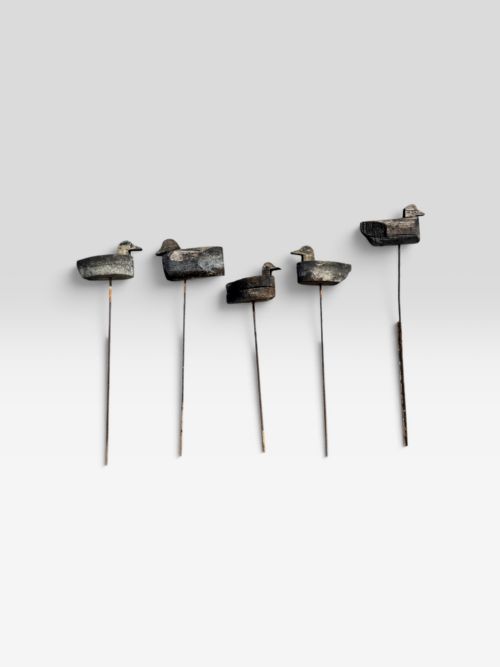
- A carved or painted wooden bird used to attract wildfowl during shooting. Nineteenth-century examples often display original surface paint and working patination.
- Aquatint
- A printmaking technique that produces tonal effects resembling watercolour washes. It was frequently utilised for sporting prints and illustrated books.
- Bodycolour
- Watercolour mixed with white pigment to produce an opaque, gouache-like finish. This medium allows for sharp highlights in detailed animal and bird studies.
- Trompe l'oeil
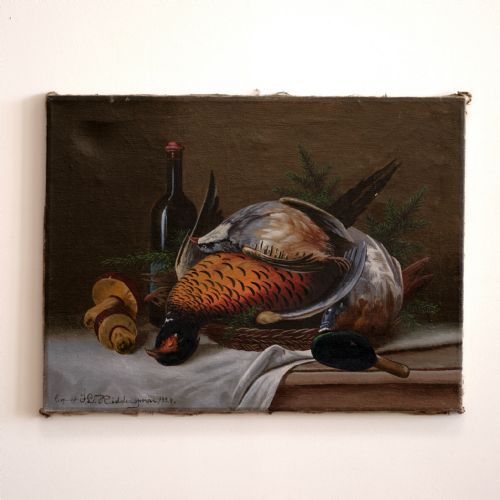
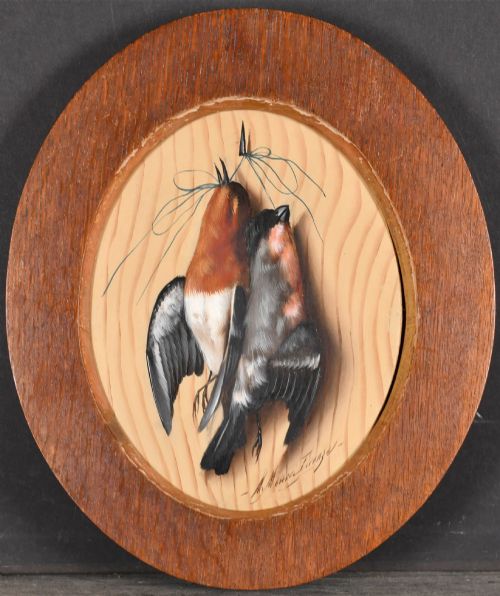
- An artistic illusionistic technique that deceives the eye into perceiving painted objects as three-dimensional. It appears frequently in still life paintings of hanging game and songbirds.
- Hogarth frame
- A narrow, stepped wooden picture frame finished with dark moulding or gilt slip. These frames are traditional for eighteenth and nineteenth-century English prints and paintings.
Antique Hunting Art: Frequently Asked Questions
What subjects appear in hunting art?
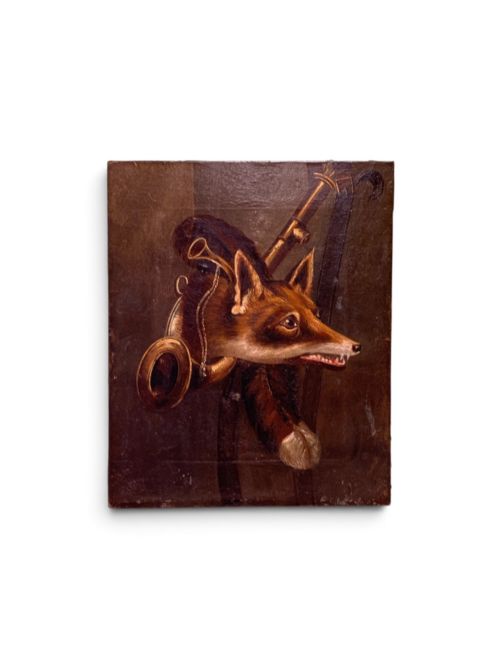
The artwork depicts horses, hounds, game birds, and foxes within rural or woodland landscapes. Scenes also encompass falconry, coaching, and domestic sporting portraits.
Compositions range from large-scale oil paintings of hunts in progress to intimate still life studies of game and fruit.
How do I identify nineteenth-century pieces?
Nineteenth-century works typically display specific stylistic traits, framing methods, and canvas preparations characteristic of the period. Signatures, dates, and biographical records of artists active during this era aid attribution.
Examine the reverse of the canvas and the framing materials for additional clues regarding age and origin.
Where were wooden decoys used?
Wooden decoys were placed on lakes, fields, or marshes to lure wildfowl and pigeons within range during shoots. Working decoys show simple, functional forms intended for practical use outdoors.
Surviving examples retain original painted surfaces that indicate their regional manufacture and period of use.
How do I display oil paintings safely?
Position oil paintings away from direct sunlight and sources of excessive heat or humidity to protect the canvas and paint layers. Ensure the hanging wall can support the weight of the frame securely.
Maintain stable indoor environmental conditions to prevent the wood and canvas from warping over time.