





Edwardian Sporting Picture
An edwardian sporting picture captures the speed, animals and fields of British rural life on canvas or paper.
Edwardian Sporting Picture
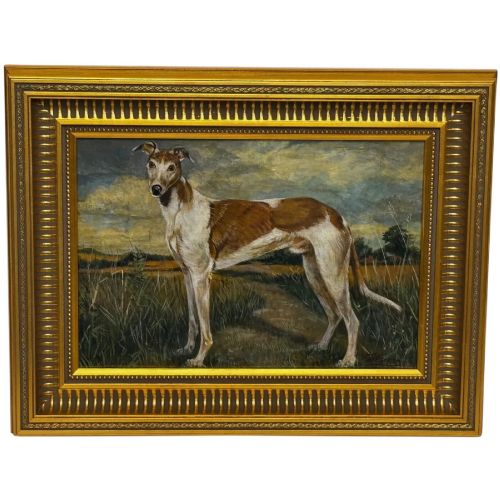
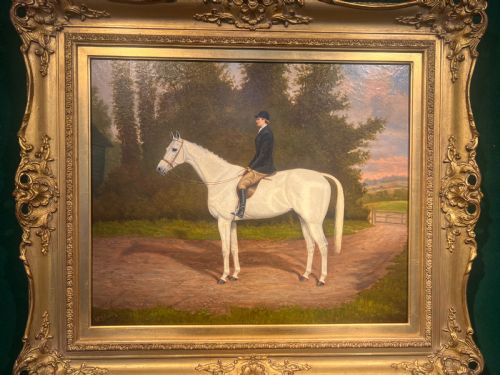
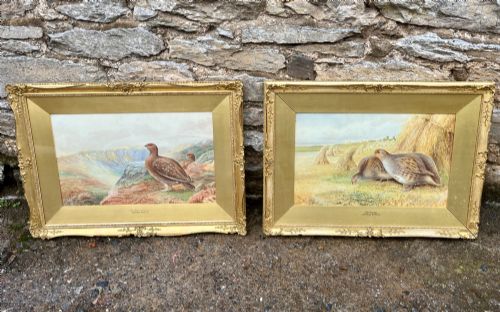
When someone searches for an edwardian sporting picture, they encounter framed artworks dedicated to horses, hounds, game birds and racing scenes. The pieces on this page span oil paintings, watercolours, chalk drawings and original prints from the early twentieth century and surrounding decades.
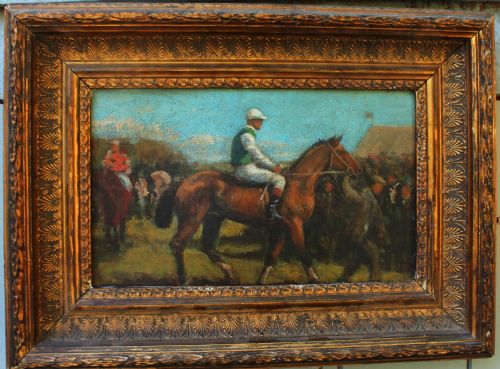
Oil on canvas and watercolour dominate the selection, portraying racehorses, hunting dogs and coaching scenes with direct observation. Artists of this era rendered movement in the field and the paddock with brisk brushwork and careful anatomical detail.
Works on paper, including prints and chalk drawings, record the humour and pace of equestrian life. These depictions preserve a distinct period of British sporting art where country pursuits held a central place in visual culture.
Materials and Technique
Artists painted primarily in oil on canvas or applied watercolour and chalk to paper, relying on traditional grounds and pigments. Frames of gilt wood, walnut or simple wood surrounds complemented the domestic and club settings where these pictures hung.
Printmakers employed techniques such as chromolithography to replicate original watercolours for a wider audience. Hand-tinting frequently added colour to printed hunting and military scenes, bridging the gap between multiples and unique works.
Several dogs captured in these watercolours and oils appear remarkably impatient to chase a pheasant.
Factors of Quality
The capability of the artist to render animal anatomy and the dynamism of motion dictates the merit of each piece. Superior works display a confident handling of brush or chalk that communicates speed and weight without stiffness.
The condition of the paper or canvas and the originality of the framing contribute significantly to desirability. Works that retain their vibrant pigment and bear signatures or attributions to established painters command greater attention from collectors.
William Albert Clarke·George Rankin·John Emms·Cecil Charles Windsor Aldin·Alfred Wheeler·John Sanderson Wells·Charles Johnson Payne Snaffles·Frank Algernon Stewart·Frank Dadd·Thomas Blinks
The Edwardian Sporting Picture Glossary
- Chromolithography
- A planographic printing process used to produce multi-coloured prints. This method allowed publishers to distribute faithful reproductions of popular sporting watercolours.
- Gilt wood
- Wood coated with a thin layer of gold leaf or gold paint. Frames treated in this manner provided a traditional decorative border for oil paintings.
- Paddock
- An enclosure near a stable or racecourse where horses are saddled and shown before a race. Artists frequently depicted these spaces to showcase thoroughbreds and jockeys.
- Watercolour
- A painting method where fine pigment is suspended in a water-soluble binder on paper. This technique created translucent washes suited to outdoor scenes and rapid sketches.
Edwardian Sporting Picture: Frequently Asked Questions
What subjects appear in these pictures?
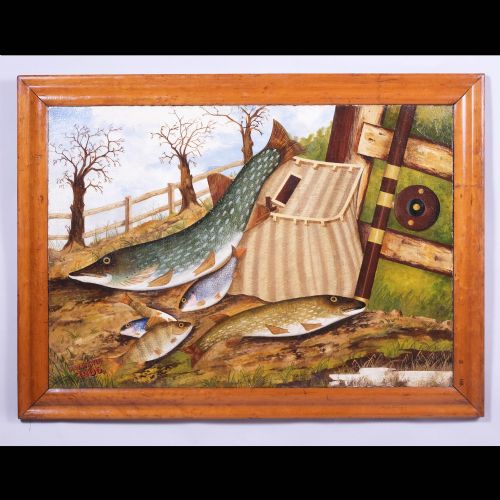
The subjects focus on British rural pursuits, featuring racehorses, hunters, lurchers, retrievers and game birds. Scenes range from quiet fishing spots to bustling race paddocks and hunting fields.
Human figures such as jockeys, huntsmen and squires often accompany the animals, reflecting the social traditions tied to country sports.
How do I care for a watercolour?
Watercolours require protection from direct sunlight to prevent the pigments from fading over time. Glazing with appropriate glass helps shield the delicate paper and paint from atmospheric pollutants.
Keeping the piece in a stable environment away from damp conditions preserves the paper support and prevents foxing spots.
Are these works original or printed?
The selection includes both unique hand-painted works, such as oil paintings and watercolours, and period prints. Signatures, brush textures and close inspection of the surface help distinguish unique paintings from lithographic reproductions.
Prints from this era often carry publisher details or artist signatures in the margin, marking them as intentional editions.
How can I tell the period of a piece?
Stylistic cues, clothing fashions and framing materials offer reliable indicators of a work's era. Edwardian pieces often display loose brushwork akin to British impressionism alongside specific sporting attire of the time.
Backboards, paper types and old framing labels on the reverse of the work provide further clues to dating.