

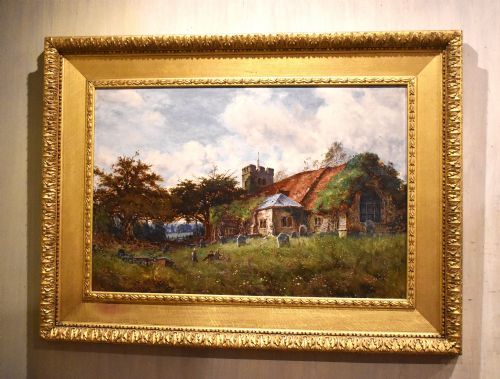
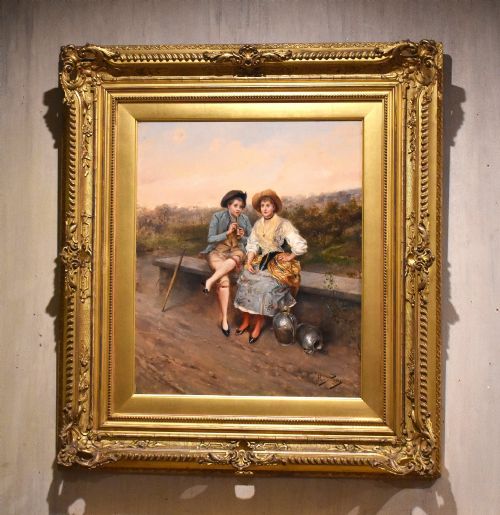
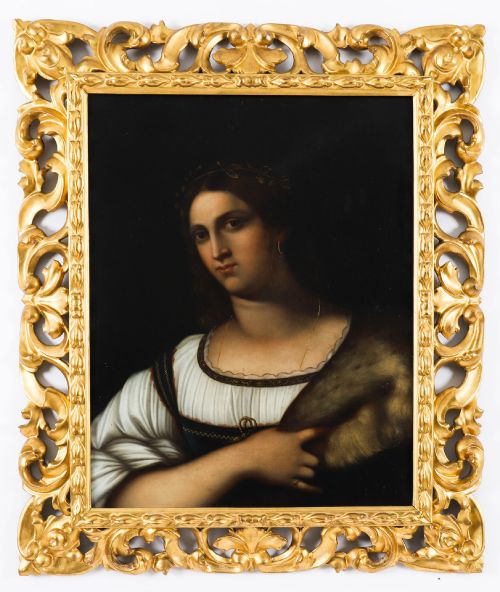
Antique Gold Frame Painting
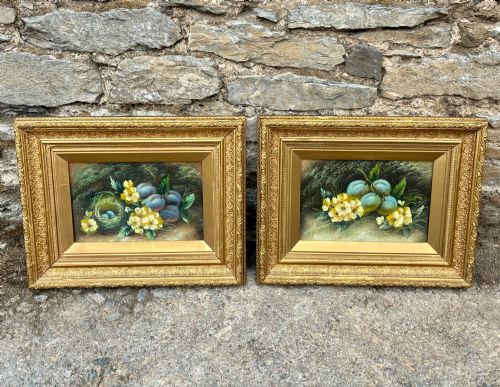
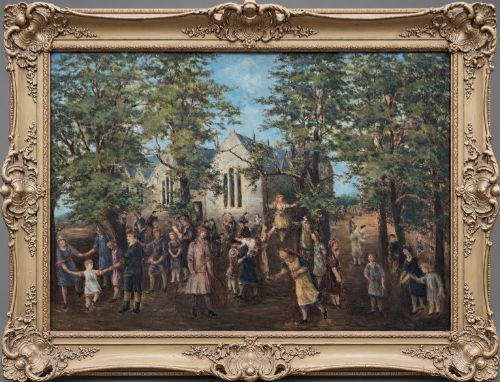
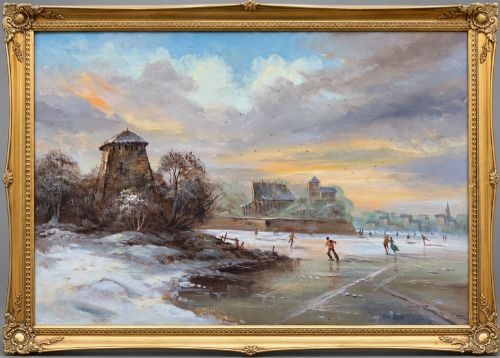
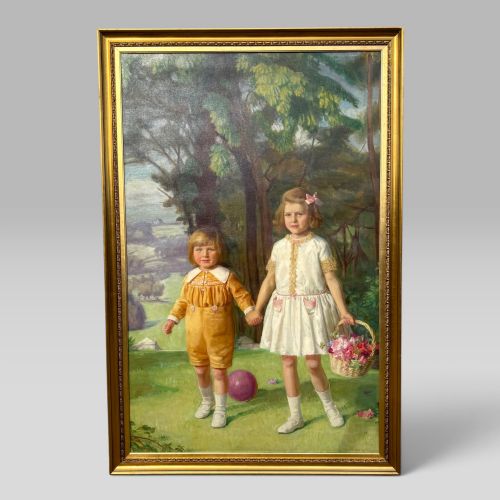
An antique gold frame painting combines the enduring allure of historical portraiture and landscape with the sculptural richness of gilded woodwork.
Antique Gold Frame Painting
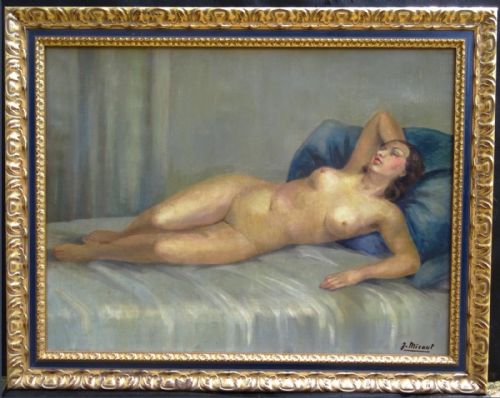
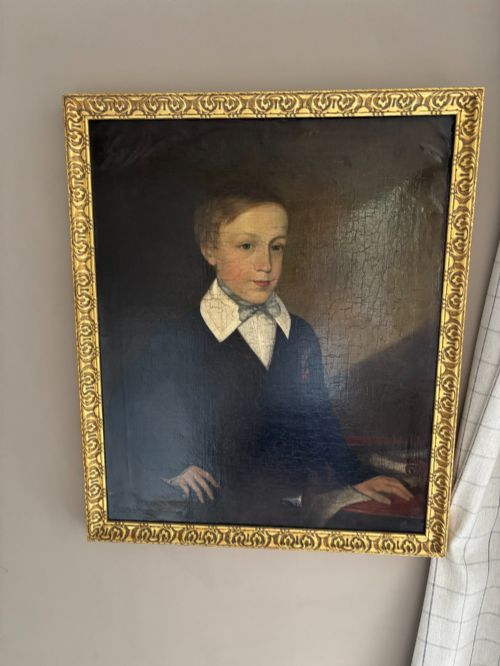
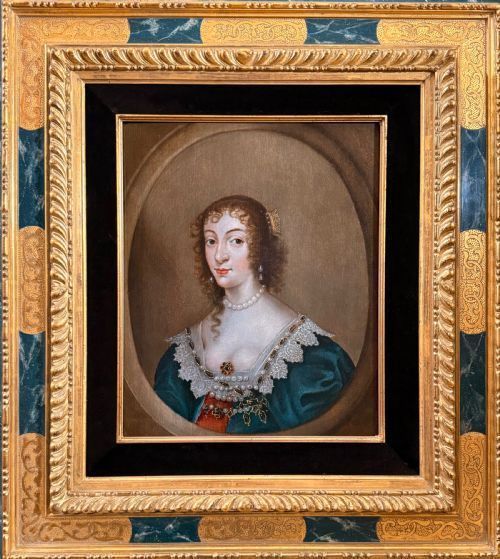
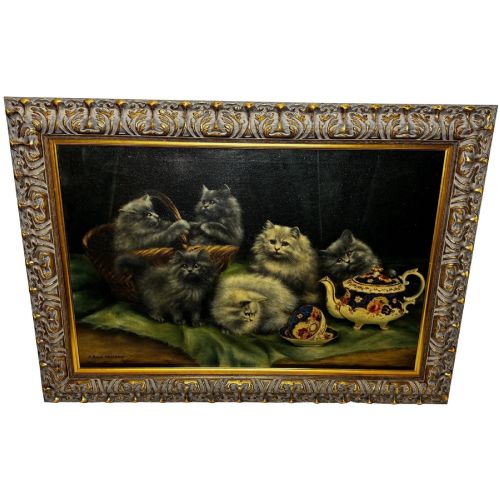
When searching for an antique gold frame painting, buyers encounter works executed primarily in oil on canvas, wood, or board, ranging from the seventeenth century through to the twentieth century. These pieces span formal portraiture, pastoral landscapes, marine scenes, and genre subjects created by various European schools and individual artists.
The most common representations on this page stem from the nineteenth century, alongside substantial offerings from the seventeenth and eighteenth centuries, plus Edwardian and later interpretations. Surviving examples frequently pair oil paintings with elaborate wall mirrors and porcelain plaques housed in matching surrounds.
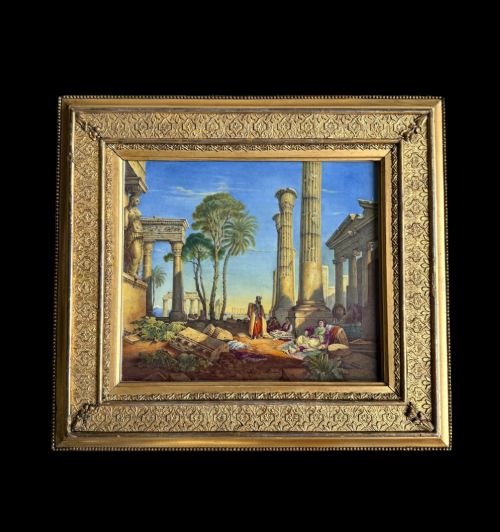
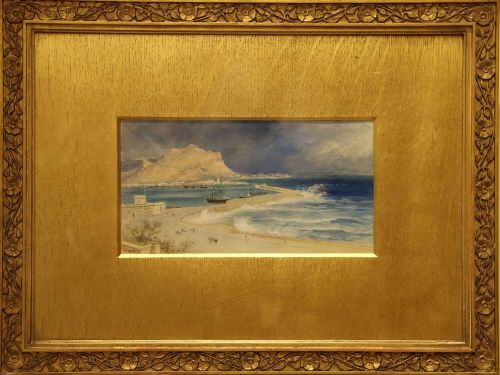
Subjects range from noble personages and grand tour vistas to rustic farmyards, alpine views, and equestrian studies. Each format reflects the aesthetic priorities of its respective period, from the robust Baroque to Victorian realism and decorative Edwardian styles.
Materials and technique
Makers constructed these works using traditional supports such as woven canvas, wooden panels, and heavy boards prepared with gesso layers. Artists applied oil paints, gouache, or watercolours, building rich pigment depths that respond to light.
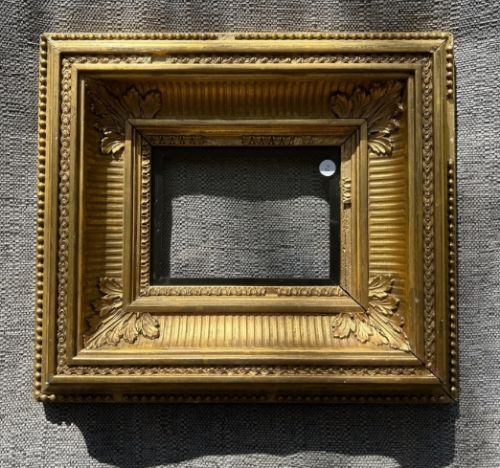
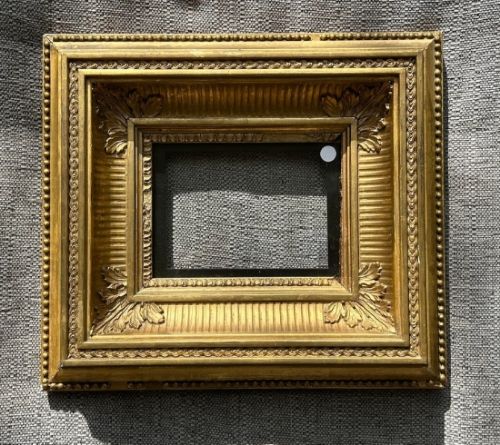
The enclosing surrounds utilise wood shaped into intricate profiles, subsequently coated with gesso and leaf of gold or metallic paints. Artisans carved or moulded floral and linear motifs directly onto the wood before applying the final gilded finish.
Listings feature works spanning the 17th Century to the 19th Century, alongside Edwardian pieces and 1960 examples.
Assessing quality
Distinction across the range lies in the dexterity of the brushwork and the anatomical or perspective precision of the painted subject. Superior works demonstrate confident handling of light, shadow, and fabric textures by trained hands, whereas lesser examples display stiffness in composition and line.
The integrity of the surrounding gilded woodwork dictates overall desirability, particularly where hand-carved gesso details remain crisp beneath the gold leaf. Pieces retaining their original period mounts without excessive restoration command greater appreciation from collectors.
Sir Godfrey Kneller·Jacob Philipp Hackert·Frederick Buck·Samuel Joseph Clark·Edward Holmes RBA·Hyacinthe Rigaud·Joseph Vivienne·Sir Peter Lely·John Greenhill·Henry Barraud·Karl Gatermann·William Mellor·Willem J Palman·Hugh Barry-Scott·William Manners·Karel Dujardin·Margaret Sarah Carpenter·Barent Gael·Matthieu Elias·E Steele
The Antique Gold Frame Painting Glossary
- Gesso
- A plaster mixture applied to wood surfaces as a smooth base for gilding or painting. This substance allows artisans to carve intricate relief decorations.
- Giltwood
- Wood carved and coated with gold leaf or powder. It provides a luminous border that complements historical canvases.
- Portrait Miniature
- A small, highly detailed painting capturing an individual likeness, often executed on ivory, vellum, or card. These intimate works frequently feature delicate gold surrounds.
- Capriccio
- An architectural fantasy artwork combining buildings, archaeological ruins, and other architectural elements in a fictional compositional landscape. Artists often used this style during the grand tour period.
- Eglomise
- A technique involving cold painting and gilding on the rear face of glass. This method creates a reflective, mirrored surface with deep metallic lustre.
Antique Gold Frame Painting: Frequently Asked Questions
What periods do these paintings cover?
The available selection spans several centuries, starting from the seventeenth century through the Georgian and Regency eras into Victorian times and the Edwardian period. Later twentieth-century examples also appear.
Each era brings distinct portraiture conventions, landscape styles, and framing techniques that reflect contemporary artistic tastes.
How do I identify the framing materials?
Most surrounds consist of wooden bases treated with gesso and finished with gold leaf or gilt layers to achieve a metallic sheen. Examining the corners and relief decorations reveals whether motifs are hand-carved or moulded.
Original frames often show minor age-related wear to the gilding that matches the era of the canvas inside.
How should I care for an antique oil painting?
Keep the artwork away from direct sunlight, excessive moisture, and fluctuating temperatures to protect the canvas and underlying wooden stretcher. Dust the surface and frame gently with a soft, dry cloth without applying liquids or cleaning agents.
Professional conservators should handle any structural repairs or deep cleaning.