
Classical Landscape Art
Classical landscape art brings the ordered vistas, ancient ruins and idealised pastoral life of antiquity into your home through oil paintings and textiles.
Classical Landscape Art
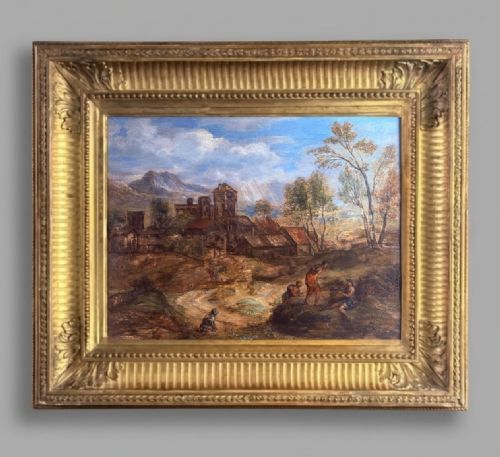
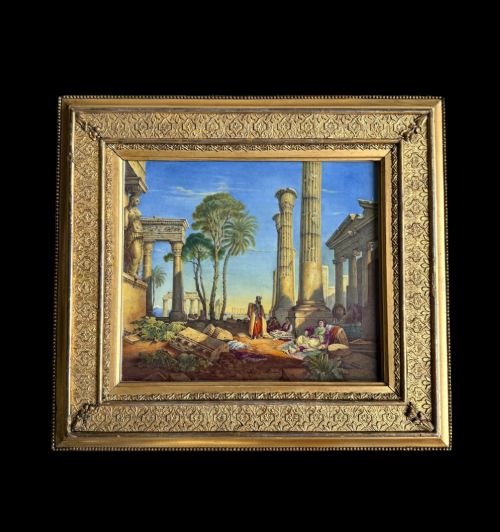
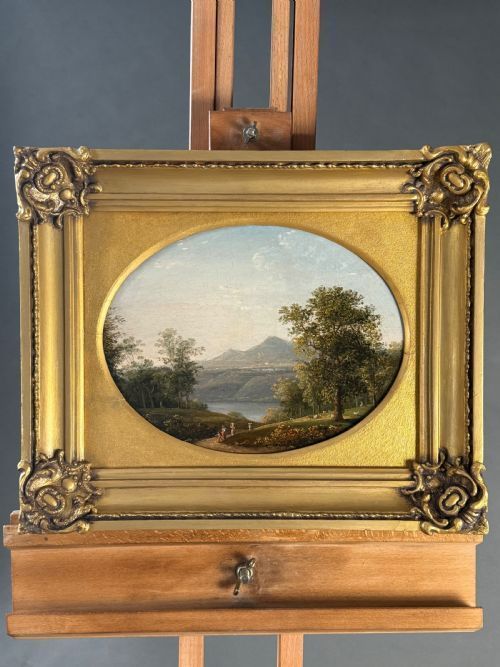
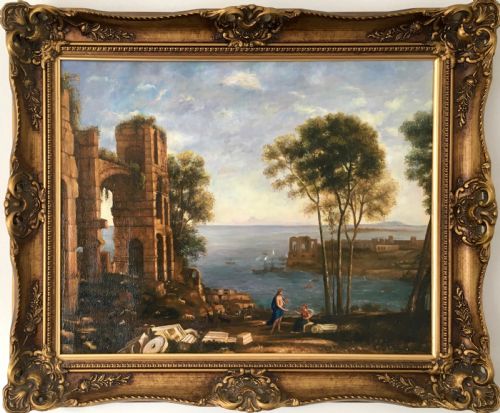
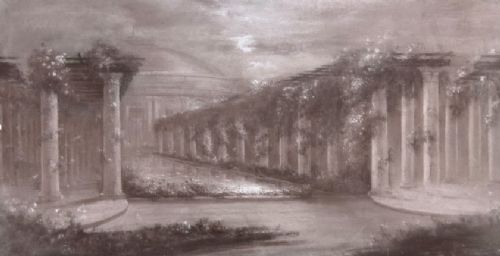
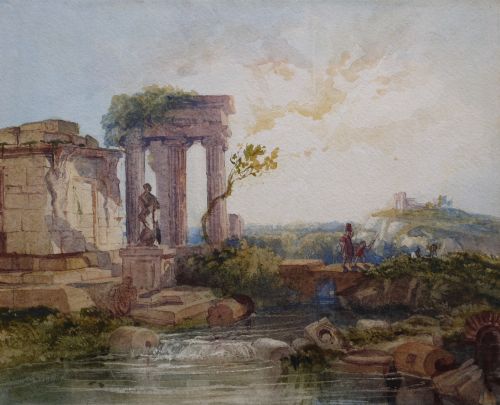
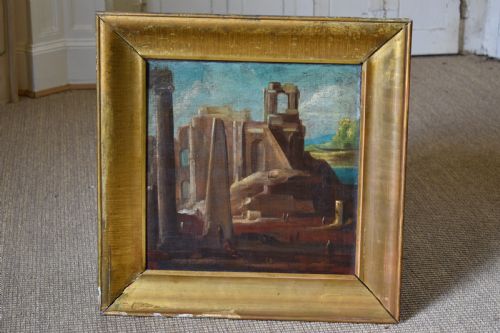
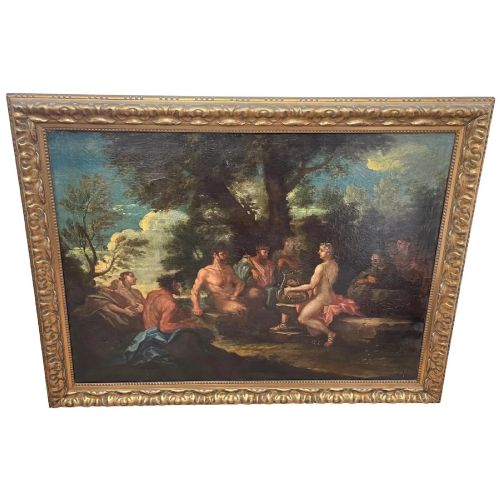
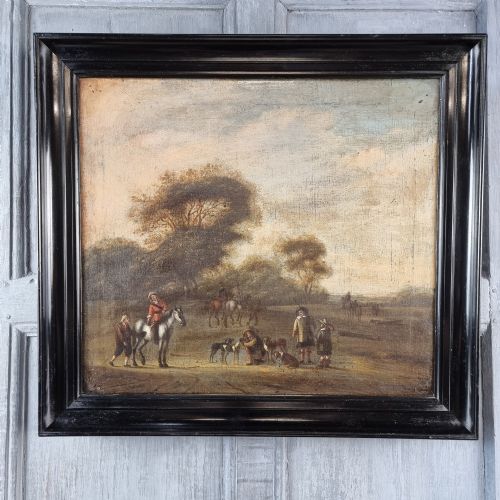
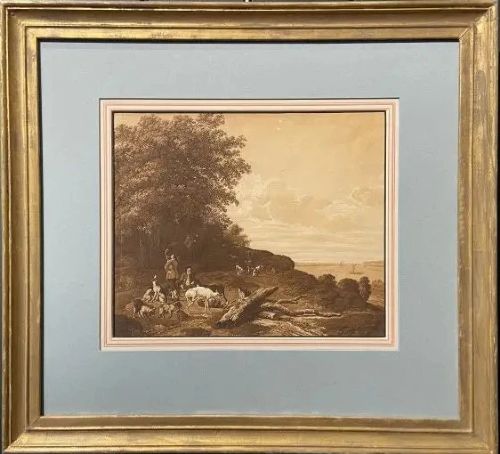
Classical landscape art embraces painted scenes, prints and tapestries depicting structured natural environments framed by architectural ruins or mythological figures. These works draw heavily on seventeenth-century European traditions and later Grand Tour inspirations. You will frequently encounter oil paintings on canvas alongside woven wall hangings and works on paper.
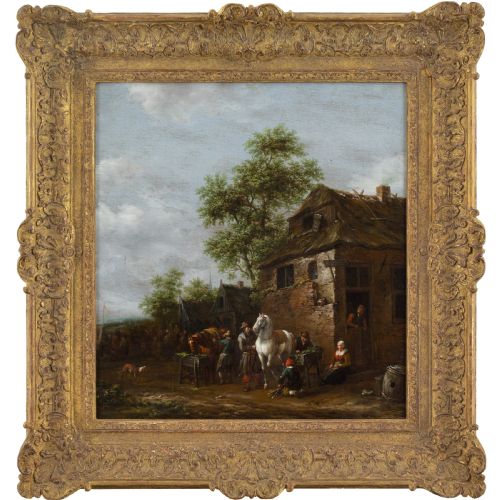
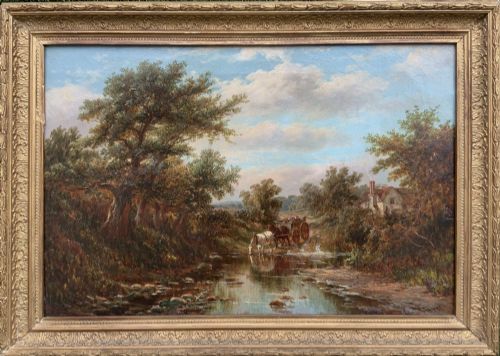
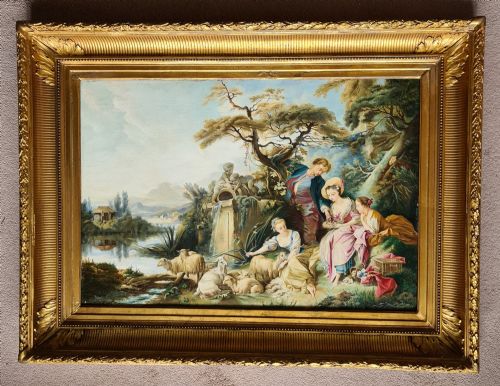
The aesthetic prioritises balance, harmony and historical narrative over wild topography, often placing classical temples or rustic shepherds within rolling Italianate valleys. Pieces span multiple centuries, ranging from seventeenth-century Dutch and Flemish compositions to nineteenth-century British watercolours and later commemorative prints.
Collectors seek these works to establish a sophisticated, historical atmosphere in a room, using the structured compositions and muted earth tones to anchor an interior. The selection here reflects diverse regional schools operating across the continent, capturing centuries of reinterpretations of pastoral antiquity.
Materials and Techniques
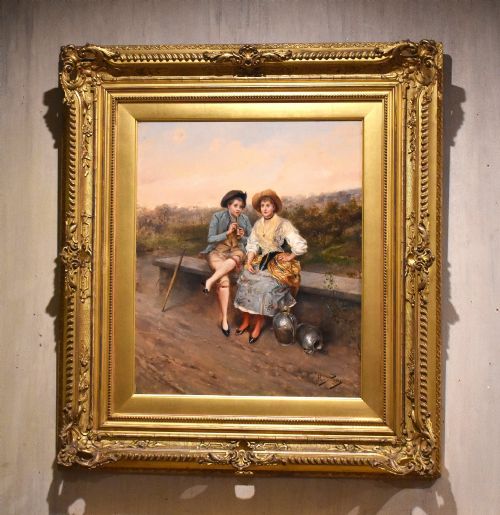
Painters relied principally on oil on canvas or panel, building up luminous glazes to achieve atmospheric depth and atmospheric skies. Many works utilise traditional wooden stretchers and heavy giltwood frames featuring carved gesso ornamentation to complete the presentation.
Woven textiles form a distinct category within these pieces, employing wool and silk threads to construct large-scale verdure and biblical tapestries. Graphic works depend on fine paper substrates treated with charcoal, watercolour or engraving techniques to record intricate architectural details.
The selection includes works attributed to various regional European traditions, featuring Dutch Golden Age compositions and British School watercolours.
Distinguishing Quality
Quality rests upon the confidence of the brushwork and the structural integrity of the composition, where masterly handling of light defines architectural forms and figures. Superior examples display precise anatomical proportions in human or animal subjects and a harmonious spatial relationship between foreground ruins and distant horizons.
The integrity of the original support matters greatly, distinguishing untouched historic canvases and early panels from heavily retouched or compromised examples. Furthermore, the presence of period-correct framing, such as original giltwood mouldings or period stretchers, elevates the overall integrity of the piece.
Jacob Philipp Hackert·Francesco Guardi·Barent Gael·Thomas Thomas·Richard Principal Leitch·Angelo Maria Crivelli·Francois Boucher·Johannes Lingelbach·Étienne Baudet·Poussin·Cornelis Van Poelenburgh·Thomas Edward Roberts·John Ferneley Senior·Margaret Maitland Howard·John Hamilton Mortimer·Jean-Baptiste Joseph Pater·Giovanni Paolo Panini
The Classical Landscape Art Glossary
- Capriccio
- An architectural fantasy placing together fictional or real buildings, ruins and other architectural elements in a fictitious combination. This compositional device allowed artists to construct idealised classical vistas.
- Grand Tour
- A traditional trip of Europe undertaken by upper-class European young men of sufficient means during the eighteenth and nineteenth centuries. Travellers collected paintings, prints and artefacts to document their journey through Italy.
- Verdure
- A type of tapestry or painting featuring lush green foliage, plants and woodland scenes as the primary subject matter. These often incorporate distant architectural elements or animals.
- Italianate
- A style of art and architecture inspired by the models, landscape and light of rural Italy. Artists working in this manner frequently incorporated classical columns, shepherds and warm, golden palettes.
- Gesso
- A white paint mixture consisting of a binder mixed with chalk, gypsum or pigment, used extensively in framing. It provides a smooth surface for subsequent gilding with gold leaf.
Classical Landscape Art: Frequently Asked Questions
What is classical landscape art?
Classical landscape art encompasses paintings, prints and tapestries depicting idealised pastoral scenes, often populated with mythological figures and ancient architectural ruins. These works draw inspiration from seventeenth-century European traditions and later Grand Tour travels.
They reflect an artistic desire to capture harmony, balance and antiquity rather than purely realistic topography. Collectors value them for their structured compositions and historic atmosphere.
How were these artworks displayed?
Historically, large oil paintings and tapestries served as focal points in formal rooms, country houses and salons to demonstrate the owner's cultivation. Smaller watercolours, engravings and sketches were often kept in portfolios or displayed in intimate studies.
Today, they are similarly used to anchor a room's decor, pairing well with traditional and contemporary interiors alike. Their structured vistas bring depth and a sense of history to domestic spaces.
How do I date a piece?
Dating relies on examining the materials, support substrate, framing style and the characteristic brushwork or engraving technique of the period. Pigments, canvas preparation and the style of the giltwood frame provide important clues regarding the era of production.
Signatures, inscriptions or stamps on the reverse of the canvas or stretcher offer further evidence. Comparing the stylistic approach to documented works by known schools helps narrow down the timeframe.
What subjects appear in these scenes?
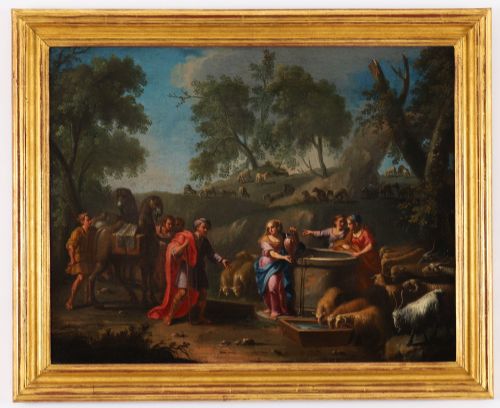
Common subjects include pastoral valleys dotted with classical temples, crumbling Roman ruins, shepherds with flocks and figures drawn from classical mythology or literature. Artists frequently blended real Italian landmarks with imagined elements to create an idealised vision of nature.
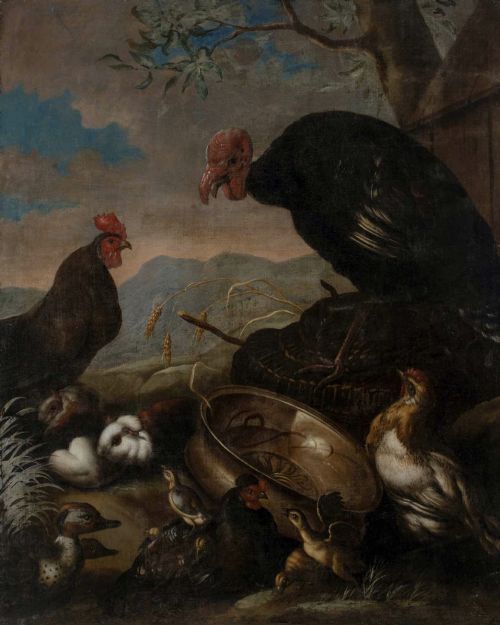
Narratives involving biblical events, literary scenes or daily rural life also feature prominently. Animals, ranging from grazing livestock to exotic birds, often populate the foregrounds.