



Old Master Landscape Painting
An old master landscape painting brings centuries of European scenery, mythology, and pastoral life directly to your walls.
Old Master Landscape Painting
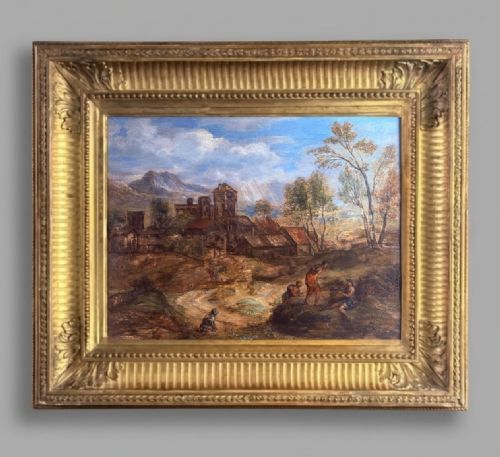
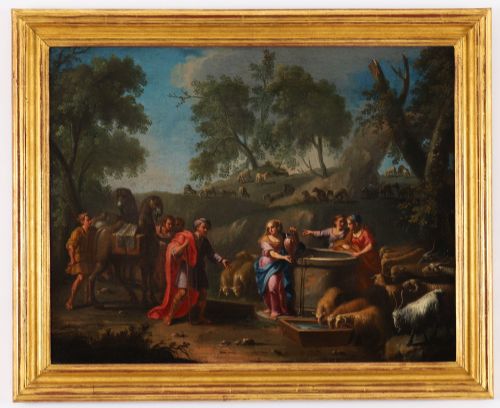
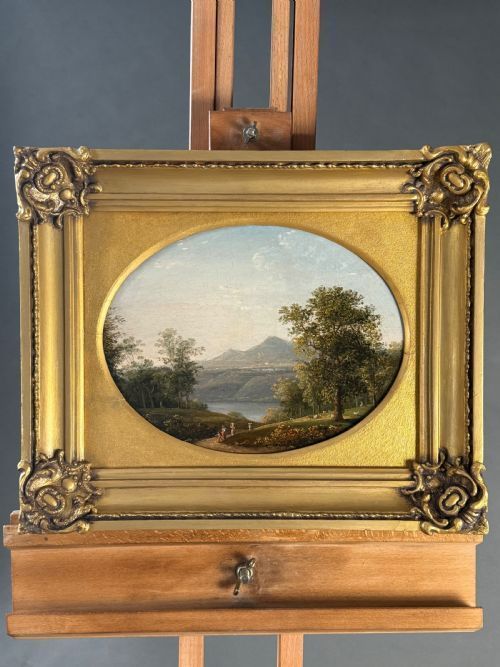
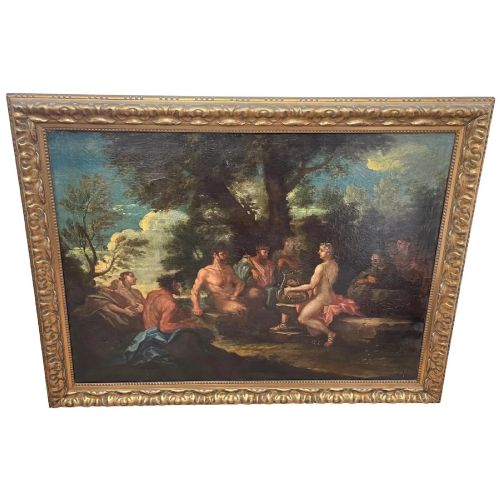
An old master landscape painting captures historical, mythological, or pastoral scenes created during the seventeenth and eighteenth centuries across Europe. You are most likely to encounter works originating from Italian, Dutch, and Flemish schools, reflecting the stylistic developments of the Baroque and Neoclassical periods.
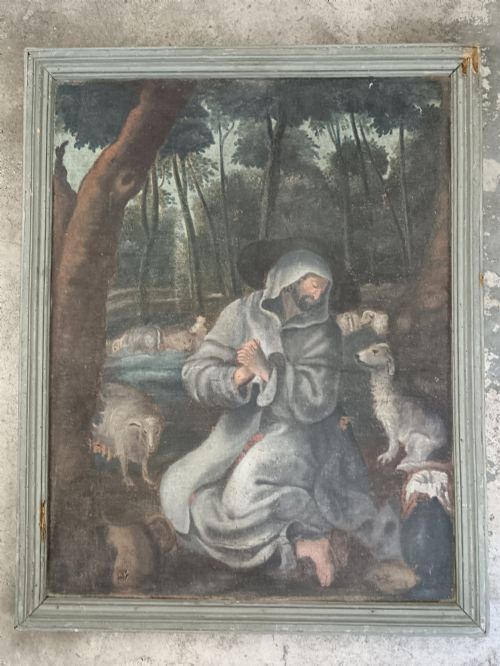
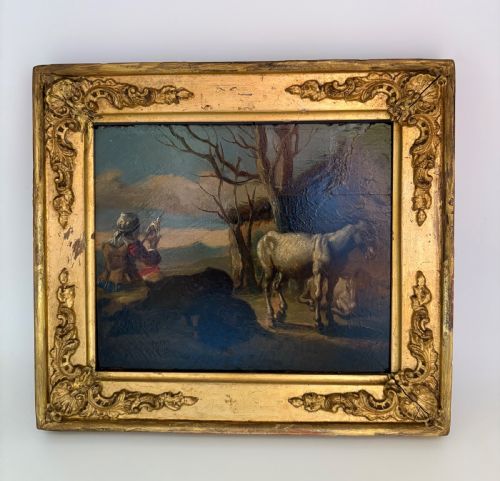
The subjects range from grand architectural ruins and classical Italian vistas to Flemish village fetes and pastoral gatherings involving shepherds, animals, and mythological figures. These works often employ canvas or oak panel supports, framed in period giltwood.
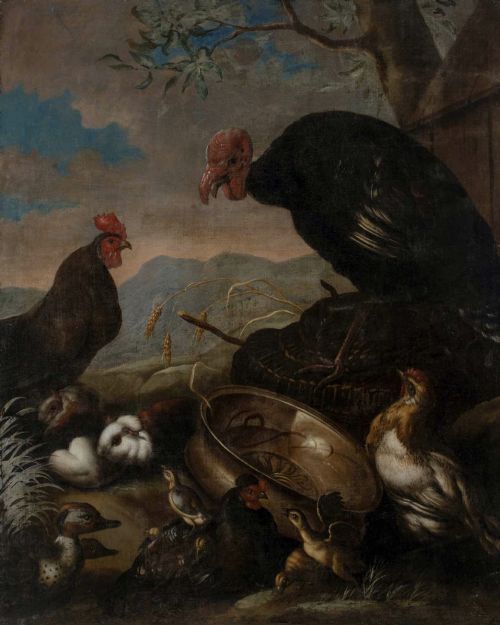
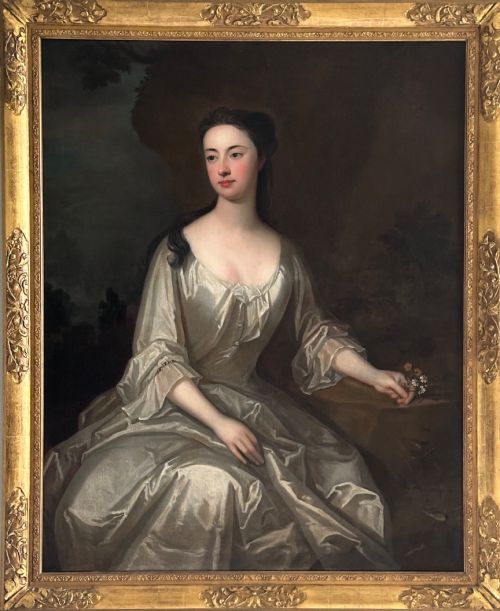
Compositions frequently incorporate figures, wildlife, or architectural elements set within expansive natural backdrops, showing the artistic priorities of early European painters. The geographical origins span English, Italian, and Flemish traditions.
Judging quality and execution
The distinction between works rests on the handling of light, atmospheric perspective, and the anatomical precision of figures and animals within the composition. Masterful brushwork creates convincing depth in foliage, skies, and distant ruins, whereas lesser examples rely on formulaic repetition.
The survival of the original or period-appropriate giltwood frame contributes significantly to the integrity of the piece. The distinction also lies in whether a work is attributed to a named hand, a studio, or a regional school.
The listings span the seventeenth and eighteenth centuries, incorporating Italian Baroque, Dutch Golden Age, and Neoclassical styles.
Jacob Philipp Hackert·Angelo Maria Crivelli·Cornelis Van Poelenburgh·David Teniers II·Francesco Zuccarelli·Giacomo Nani
The Old Master Landscape Painting Glossary
- Oil on Canvas
- A traditional painting medium where pigments bound in drying oils are applied to a woven cloth support stretched over a wooden frame.
- Giltwood
- Wood, typically carved timber or gesso-coated mouldings, covered with a thin layer of gold leaf.
- Pentimento
- An alteration in a painting evidenced by previous layers of paint showing through the upper strata, revealing the artist's changing composition.
- Panel
- A rigid support for a painting, commonly constructed from timber such as oak, used extensively before canvas became dominant.
- Baroque
- The dominant European artistic style of the seventeenth century characterised by dramatic movement, deep shadows, and grand scale.
Old Master Landscape Painting: Frequently Asked Questions
How do I identify seventeenth-century works?
Seventeenth-century pieces often reflect Baroque sensibilities, featuring dramatic lighting, deep shadows, and specific regional techniques associated with Dutch and Italian schools.
Examination of the canvas weave, panel preparation, and framing style provides further context regarding the era of production.
What subjects appear in these paintings?
Common subjects include classical Italian landscapes, mythological figures, pastoral scenes with shepherds, and architectural ruins.
Animals, birds, and village gatherings also feature prominently in Dutch and Flemish traditions.
Are these paintings on canvas or panel?
Surviving works utilise both traditional woven canvas supports and solid wood panels, frequently made from oak.
The choice of support often aligns with the regional traditions of the artist's workshop.
How should I care for an old oil painting?
Keep the artwork away from direct sunlight, extreme temperature fluctuations, and high humidity to protect the oil pigments and wooden supports.
Avoid touching the painted surface directly and consult a professional conservator for cleaning or frame maintenance.