





Baroque Classical Landscape Art
Baroque classical landscape art brings grand pastoral vistas and mythological scenes into the room through seventeenth and eighteenth-century oils and tapestries.
Baroque Classical Landscape Art
Baroque classical landscape art comprises oil paintings and woven tapestries created during the seventeenth and eighteenth centuries, capturing vast countryside views, architectural ruins, and mythological narratives. These works reflect the aesthetic interests of European collectors who valued grand theatrical compositions balanced by classical harmony.
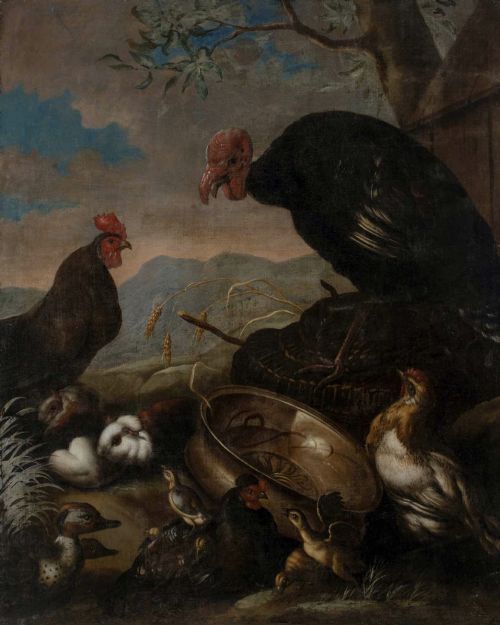
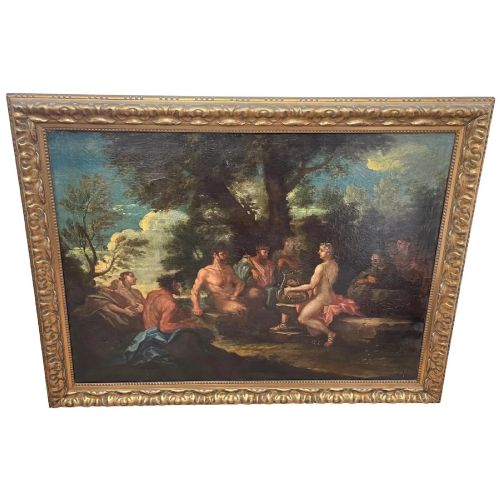
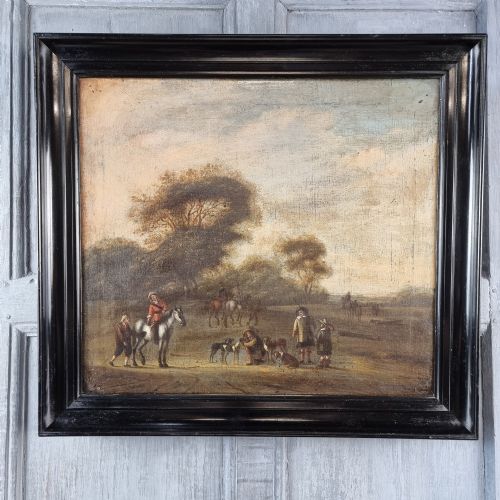
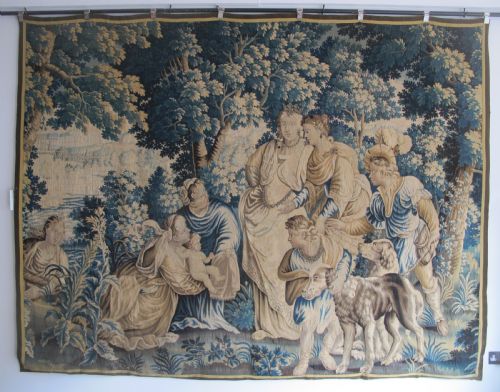
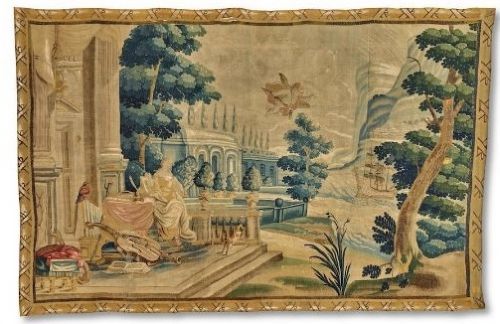
The pieces on this page span Dutch, Flemish, and Italian schools, encompassing rural scenes with figures, harbour views, and extensive wooded landscapes framed in wood or giltwood. Oil on canvas and wool-and-silk tapestries form the primary material expressions of this genre.
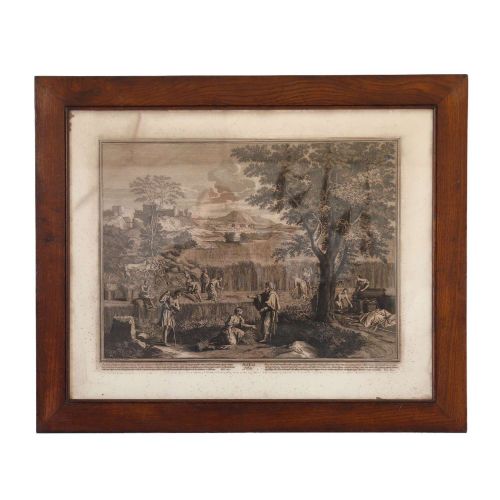
Buyers encounter works attributed to specific continental schools as well as larger scale verdure tapestries designed for monumental wall display. Each piece demonstrates the period preoccupation with structured natural space intertwined with classical mythology or biblical narrative.
How they were made
Painters applied oil pigments to canvas, building up deep tones for foliage, architectural masonry, and figures against distant luminous skies. Artisans constructed wooden stretchers and often housed these canvases in giltwood frames.
Tapestry weavers utilised wool and silk threads on high or low warp looms to produce pictorial wall hangings depicting verdure landscapes and biblical scenes. These textile works required precise colour blending to achieve atmospheric perspective across large formats.
Listings feature seventeenth and eighteenth-century works in oil on canvas, wood, giltwood, wool, and silk across Italian, Dutch, and Flemish schools.
What varies in quality
The distinction between works rests upon the handling of light, atmospheric depth, and the precision of the figures populating the foreground. Master compositions integrate human activity smoothly into the surrounding natural or architectural elements.
In tapestries, quality depends on the density of the weave, the preservation of the original wool and silk dyestuffs, and the complexity of the verdure detailing. Surviving frames and the clarity of regional attribution further differentiate individual pieces.
Angelo Maria Crivelli·Cornelis Van Poelenburgh·Claude Lorrain·Pieter Bout·Adriaen Frans Boudewyns·Francesco Zuccarelli·Francesco Albani·Giacomo Nani·Reynard Le Vieux
The Baroque Classical Landscape Art Glossary
- Verdure tapestry
- A wall hanging dominated by lush foliage, trees, and plants, frequently produced in Flemish workshops during the seventeenth century. These textiles served both decorative and insulating purposes in grand interiors.
- Oil on canvas
- Pigment bound in drying oil applied to a stretched woven fabric support, which became the standard medium for easel paintings in the seventeenth and eighteenth centuries. This combination allowed artists to achieve rich tonal gradations.
- Giltwood
- Wood carved and surfaced with a thin layer of gold leaf, commonly used for framing classical paintings and mirrors. The metallic finish reflects interior light to enhance the artwork.
- Old Master
- A term applied to European painters of high skill working before the nineteenth century, encompassing regional schools from Italy, the Netherlands, and France. These artists established foundational conventions for perspective and composition.
Baroque Classical Landscape Art: Frequently Asked Questions
What subjects appear in these works?
The works depict pastoral countryside views, mountainous regions, harbour ports, and architectural ruins often populated by mythological figures, sportsmen, or animals. Biblical scenes and royal processions also feature prominently.
Artists drew inspiration from classical antiquity and contemporary European topography, blending observed nature with theatrical composition.
How do oil paintings differ from tapestries?
Oil paintings utilise pigments on canvas mounted to stretchers, capturing fine brushwork, light effects, and transparent glazes. Tapestries are woven textile panels constructed from wool and silk threads.
Both formats share compositional interests in landscape and narrative but offer entirely different tactile and visual textures on the wall.
Where were these pieces produced?
Production centres include Italy, the Netherlands, and Flanders during the seventeenth and eighteenth centuries. Regional schools developed distinct approaches to light, colour saturation, and landscape composition.
Flemish workshops excelled in large scale tapestries, whilst Italian and Dutch painters focused on oil on canvas formats.
How should I care for a canvas painting?
Protect oil paintings from direct sunlight and maintain stable indoor humidity levels to prevent canvas slackening and pigment cracking. Dust surfaces gently with a soft, dry brush without applying pressure.
Avoid hanging pieces near direct heat sources or in damp environments.