




17th Century Italian Artwork
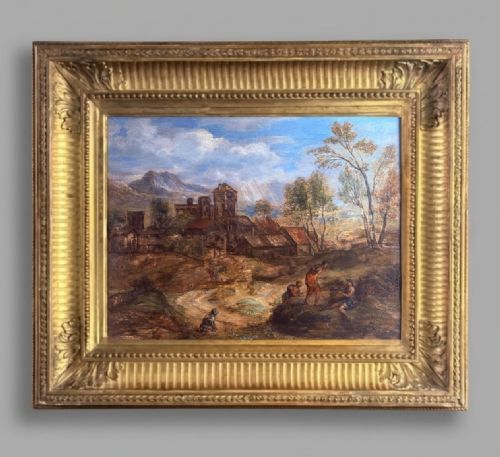
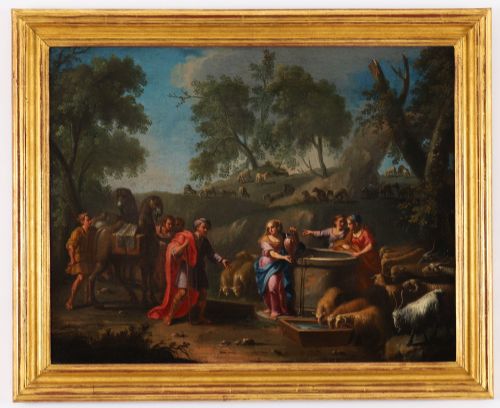
These 17th century italian artwork pieces bring dramatic religious scenes, classical landscapes and expressive portraiture directly into a room.
17th Century Italian Artwork
When someone searches for 17th century italian artwork, they are looking at centuries-old paintings originating from regional art centres across Italy during the Baroque period. The pieces on this page span the seventeenth and eighteenth centuries, capturing both original seventeenth-century works and later iterations from schools influenced by that era.
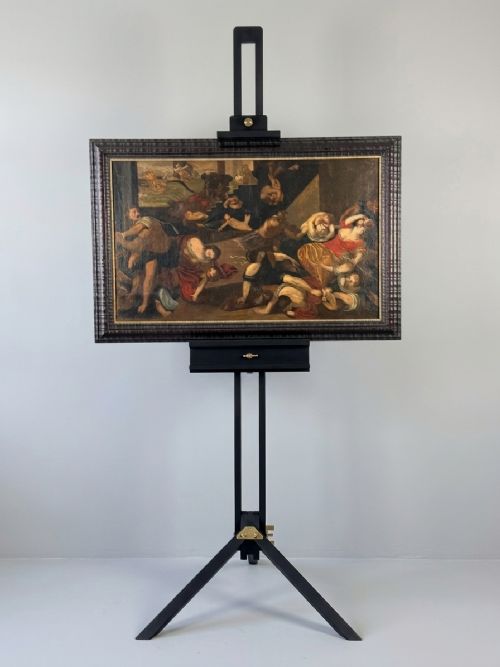
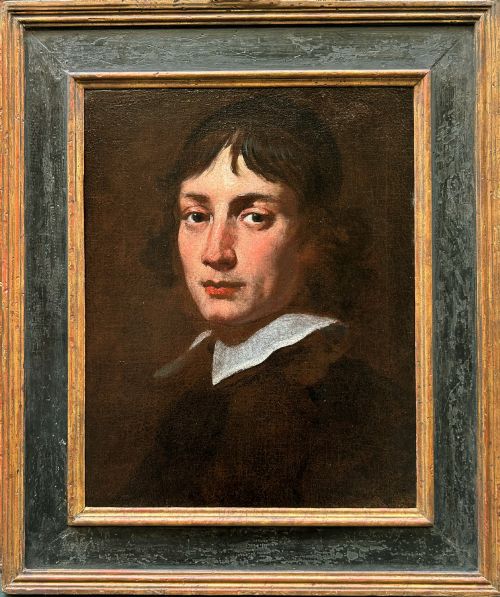
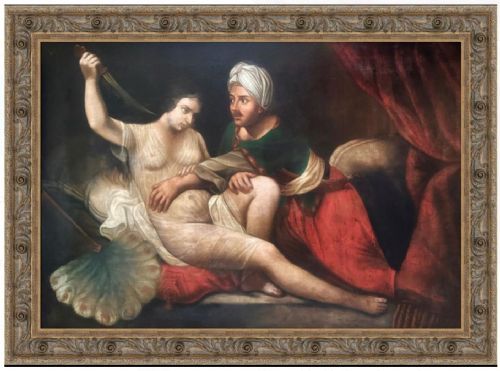
Buyers most frequently meet oil paintings on canvas and wood panel within these listings. Common subjects include biblical narratives such as the massacre of the innocents, landscape scenes featuring arcadian views or roman ports, and detailed portraits of figures like philosophers and young men.
The regional schools represented across the items show distinct local traditions, ranging from Venetian and Veronese schools to Genoese and Roman workshops. These regional variations shape the visual character of each composition, whether through maritime seascapes or intimate depictions of saints and biblical characters.
How They Were Made
Artists of this era built their compositions using oil paint applied to prepared surfaces such as canvas or wooden panels, including fruitwood. The medium allowed for rich tonal depth, subtle blending of shadows and light, and lasting vibrancy in the pigment.
Many of these works are housed in frames featuring gilt, giltwood or carved wood construction. These decorative surrounds were designed to complement the religious and secular themes of the paintings while providing structural protection to the edges of the canvas or panel.
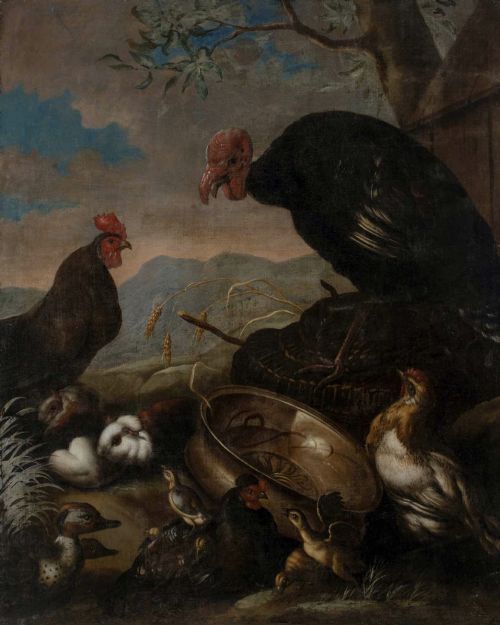
Angelo Maria Crivelli populated his large seventeenth-century canvases with noisy flocks of fowl and castle ruins, bringing an entire farmyard indoors.
What Varies in Quality
The distinction between works at different levels rests on the expressive power of the brushwork and the confidence of the composition. Masterpieces from named circles or recognised schools display superior command of anatomy, drapery and atmospheric perspective compared to simpler follower pieces.
Condition and historical survival also play a part in how a piece is judged. Works that retain their original panel or canvas integrity alongside well-preserved oil paint layers present a more direct connection to the seventeenth-century hand.
Angelo Maria Crivelli·Guillaume Courtois·Gian Lorenzo Bertolotto·Pietro D'asaro·Andrea Celesti·Orsola Maddalena Caccia
The 17th Century Italian Artwork Glossary
- Oil on Canvas
- A painting technique where oil paint is applied to a stretched woven fabric support. This method became dominant during the early modern period for its durability and flexibility.
- Oil on Panel
- A work created by applying oil paint directly to a prepared wooden board. Fruitwood and other dense timbers were commonly utilised by painters before canvas gained total preference.
- Giltwood
- Timber carved and coated with a thin layer of gold leaf or metallic powder. It was widely used for ornate picture frames in Italian Baroque interiors.
- Italian Baroque
- The dominant artistic style of the seventeenth century characterised by dramatic contrast between light and dark, intense emotion, and dynamic movement. It encompasses various regional schools across Italy.
- School
- A group of artists working in a particular region, sharing stylistic traits and often following the methods of a master. Venetian, Genoese, and Roman schools are typical examples found in this category.
17th Century Italian Artwork: Frequently Asked Questions
What subjects appear in seventeenth-century Italian paintings?
The subjects range from sacred religious narratives such as the lamentation of Christ and the Madonna and Child to classical landscapes and maritime views. Portraits of philosophers, prophets and young men also form a significant part of the selection.
These varied themes reflect the diverse church, civic and domestic commissions that sustained Italian workshops during the period.
How do I identify different regional schools?
Regional schools are generally identified through the distinct palette, handling of light, and thematic preferences characteristic of specific Italian cities or areas. Venetian works often showcase atmospheric landscapes, while Roman and Genoese pieces tend to emphasise strong sculptural forms and dramatic lighting.
Attributions to particular followers or circles help connect individual paintings to these broader geographic traditions.
What is the difference between canvas and panel supports?
Canvas supports consist of woven fabric stretched over a wooden frame, allowing for larger compositions and a textured surface. Panel supports utilise solid wooden boards, such as fruitwood, which offer a smooth, rigid ground for finer detail.
Both supports were widely used throughout the seventeenth century depending on the scale and purpose of the artwork.
How should I care for an old master painting?
Old master paintings require stable indoor humidity and temperature levels to prevent the wood panels from warping or the canvas and paint layers from cracking. Direct sunlight should be avoided to protect the oil pigments from fading over time.
Dusting should be done gently with a dry, soft brush, leaving any deep cleaning or restoration to professional conservators.