

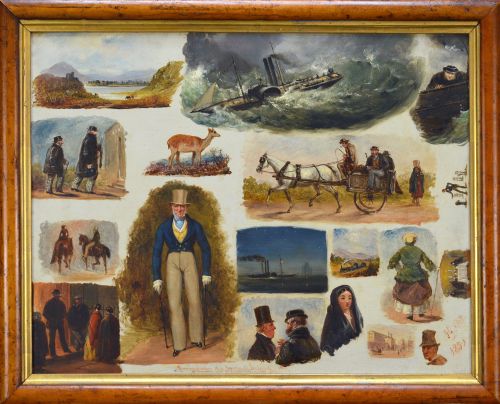
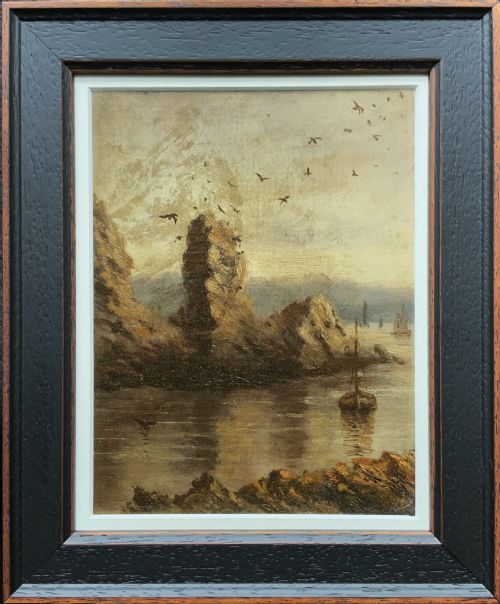
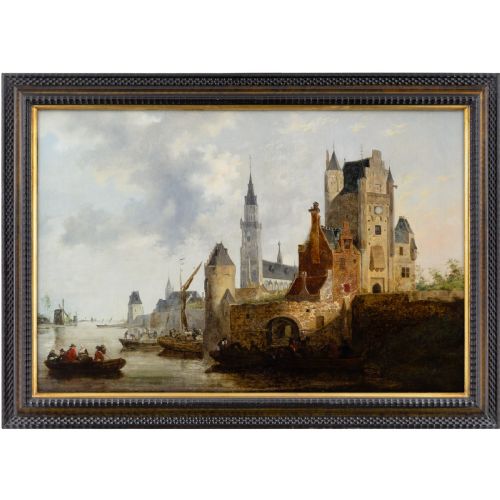
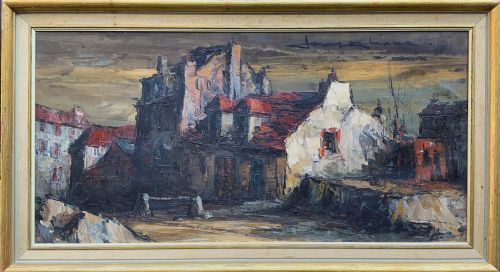

Brown Oil Landscape Painting
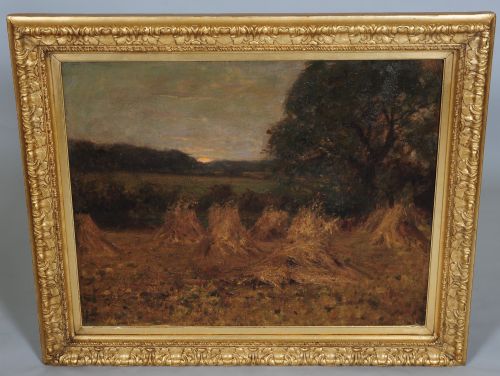
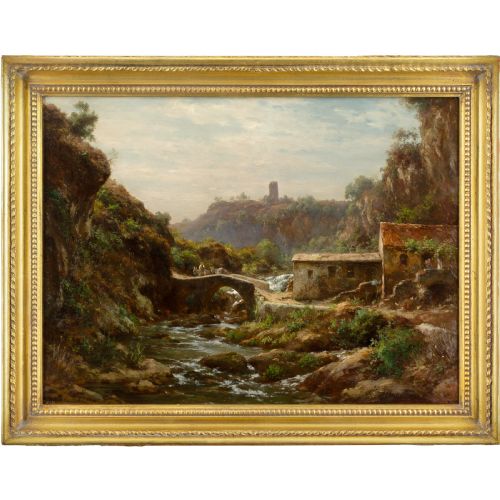
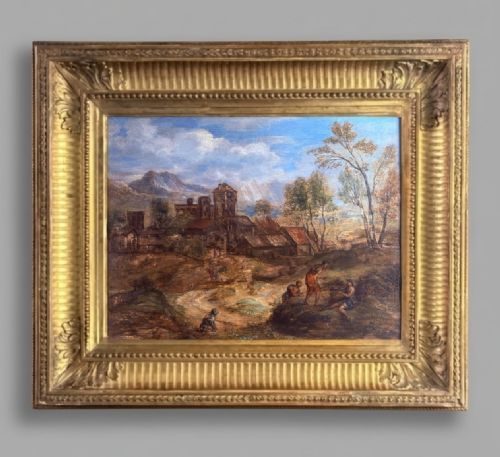
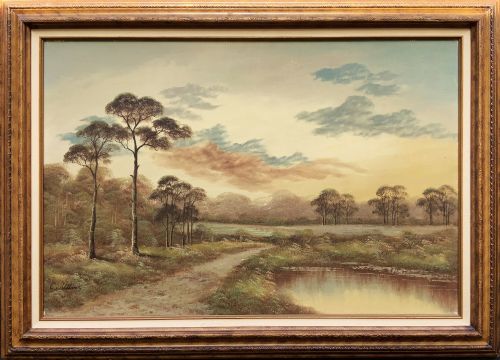
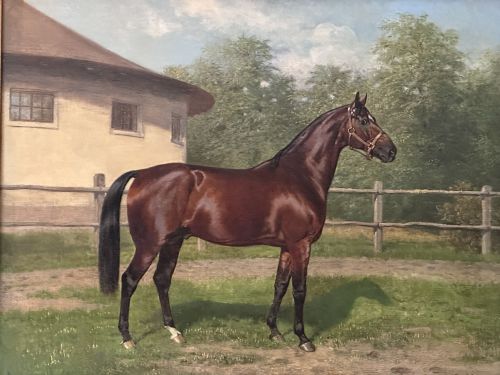
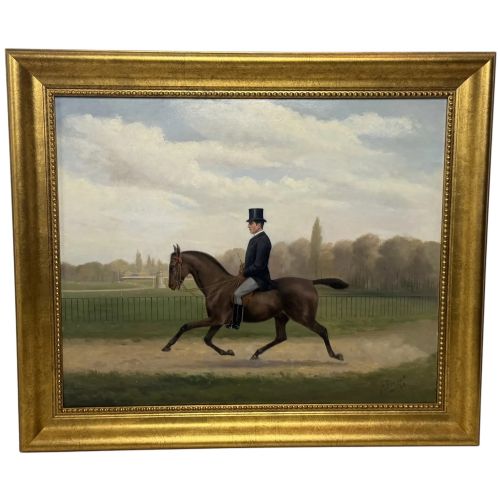
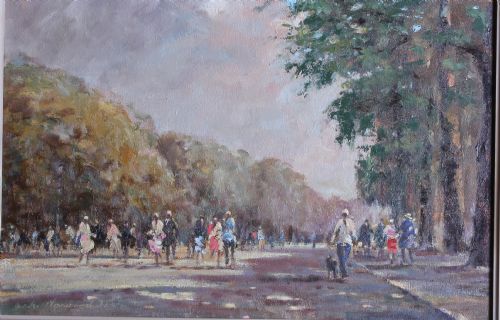
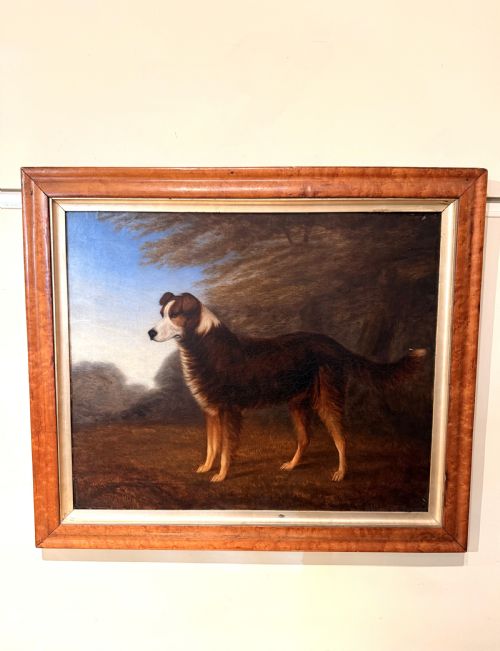
These brown oil landscape painting works capture rural scenes in rich earth tones, offering collectors a glimpse into early twentieth-century pastoral life.
Brown Oil Landscape Painting
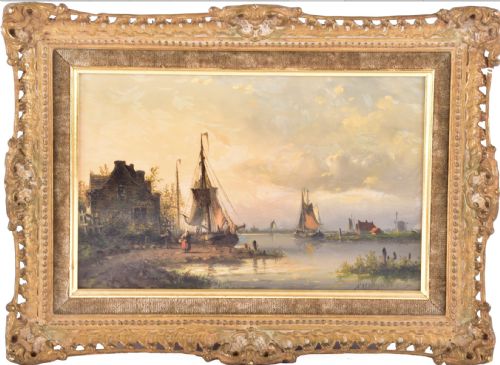
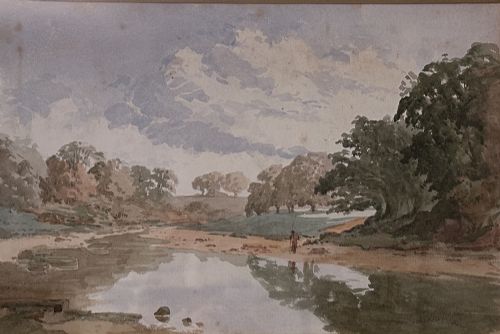
A brown oil landscape painting typically portrays rural British scenes, featuring subjects such as moorlands, coastal views, and agricultural settings with figures or animals. These works date primarily from the early twentieth century, spanning from the Victorian realists through to British and Scottish impressionists.
The compositions on this page most frequently present traditional British countryside views executed in oil paint upon canvas or board. Buyers encountering these pieces will find atmospheric depictions of locations like Wharfedale and the Scottish lochs.
The visual character relies heavily on muted earth palettes where brown tones dominate the depiction of terrain, skies, and rustic structures. Artists of this era utilised these natural hues to evoke the quiet mood of eventide or winter light across the moors.
How they were made
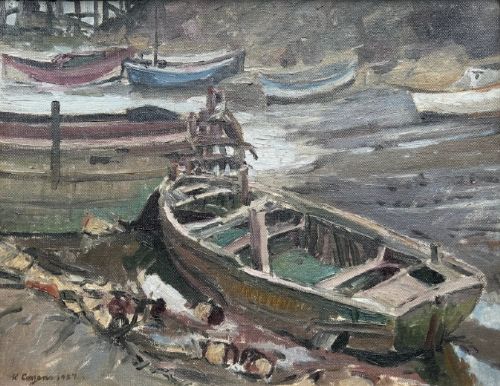
The physical construction of these artworks involves the application of oil paint directly onto either woven canvas or rigid board supports. Painters built up the surface using brushwork that ranges from smooth academic finishes to the looser, textured strokes characteristic of impressionism.
Artists formulated their palettes using traditional ground pigments suspended in oil mediums, allowing for slow drying times and rich tonal blending. This medium enabled the creation of deep brown shadows and atmospheric hazes typical of early twentieth-century landscape works.
Brown Oil Landscape Painting Retail Price Guide 2026
Typical asking prices for brown oil landscape painting among the pieces listed under this phrase on Sellingantiques today, from the lower quarter to the upper quarter. They describe what is for sale here now, not the wider market.
The documented periods span the early decades of the twentieth century, specifically covering the years between nineteen hundred and nineteen thirty.
What varies in quality
Quality in a brown oil landscape painting rests upon the sureness of the brushwork and the artist's ability to command depth and light within a restricted monochrome or earth-toned palette. Weaker examples can feel flat and formulaic, whereas superior pieces use subtle tonal shifts to give the damp moorland air or fading evening light a convincing tactile presence.
The distinction between standard works and exceptional examples also lies in the handling of detail, such as the integration of human figures or livestock into the wider topography. A master hand defines form economically yet persuasively, whereas lesser paintings lose structural clarity in muddy passages of paint.
Owen Bowen·Herbert Royle·William Miller Frazer·William Greaves·Frank Moss Bennett·William Beattie Brown
The Brown Oil Landscape Painting Glossary
- Canvas
- A heavy woven fabric stretched across a wooden frame to serve as a sturdy support for oil painting. It provides a slightly springy surface that holds thick impasto brushwork well.
- Board
- A rigid flat panel used as a substitute for stretched canvas in landscape painting. Many early twentieth-century artists favoured smaller boards for plein-air sketching.
- Impressionism
- A style of painting that focuses on capturing the visual impression of a moment, paying particular attention to shifting light and atmosphere. Scottish and British practitioners applied this approach to familiar rural vistas.
- Victorian Realism
- An artistic approach dedicated to depicting everyday subjects truthfully without idealisation. In landscape works, this translates to unvarnished portrayals of agricultural labour and terrain.
- Oil Paint
- A slow-drying paint made by mixing pigments with a drying oil such as linseed. This medium allows artists to blend tones seamlessly and build rich, luminous surfaces.
Brown Oil Landscape Painting: Frequently Asked Questions
How do I date these landscape paintings?
Dating relies heavily on stylistic markers, framing, and recorded artist active periods, which cluster around the early twentieth century. Signatures and exhibition labels on the reverse of the canvas or board often provide definitive chronological clues.
Comparison with documented works by painters from the British and Scottish impressionist movements also helps narrow down the decade of production.
Where should I hang an oil landscape?
These works suit traditional reception rooms, studies, or hallways where their earthy brown tones can complement period architectural details and wooden furniture. Adequate wall space away from direct heat sources ensures the oil paint and canvas remain stable.
Pairing the painting with appropriate ambient lighting will enhance the subtle tonal gradations and atmospheric depth characteristic of the period.
How do I care for an oil painting on board?
Maintain stable indoor humidity and temperature levels to prevent the wooden or composition board from warping and the oil paint from cracking. Avoid touching the painted surface directly, as natural skin oils can attract dust and degrade the varnish.
Dust the surface gently with a soft, dry brush when necessary, and consult a professional conservator if cleaning or structural reinforcement is required.