


Early 20th Century Oil Painting
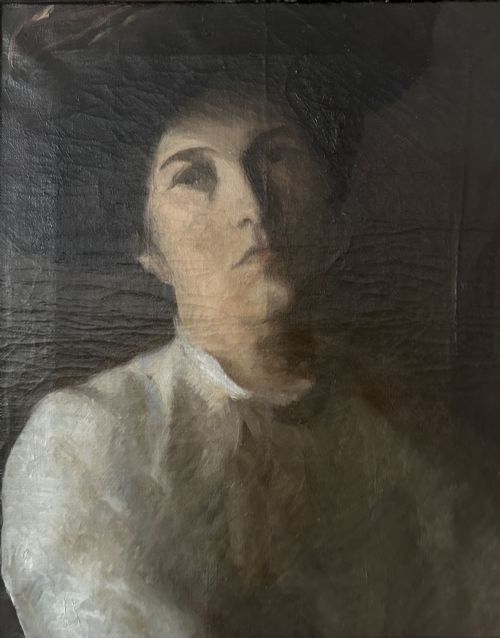
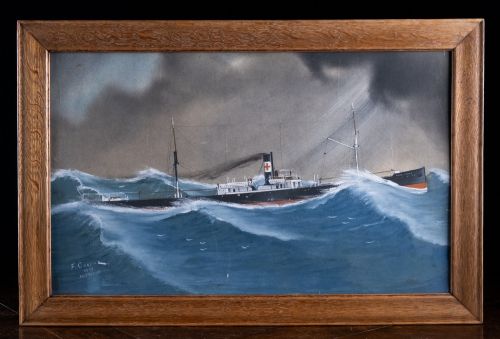
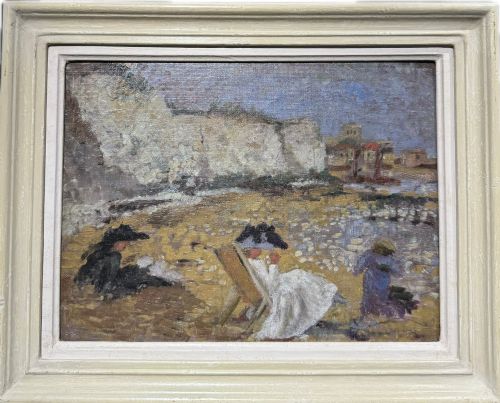
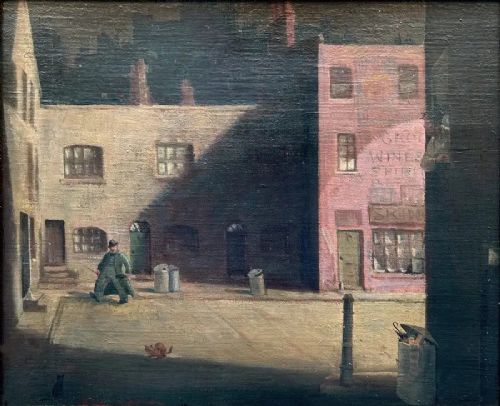
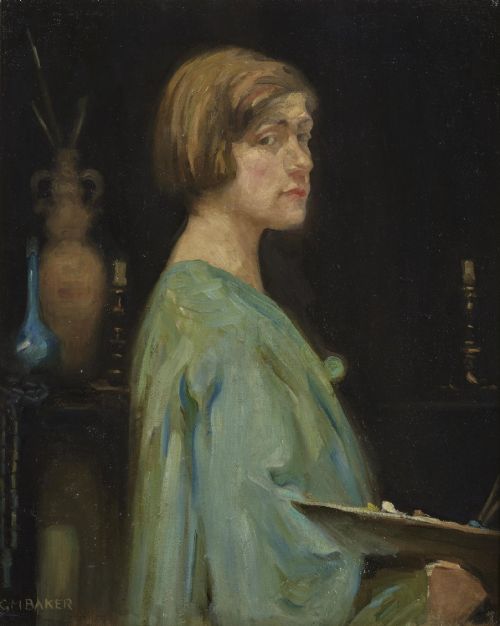
An early 20th century oil painting captures the light and mood of Edwardian and interwar life through brushwork on canvas, board or panel.
What They Are
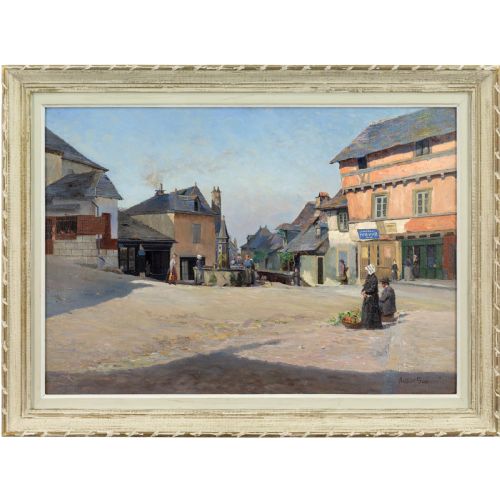
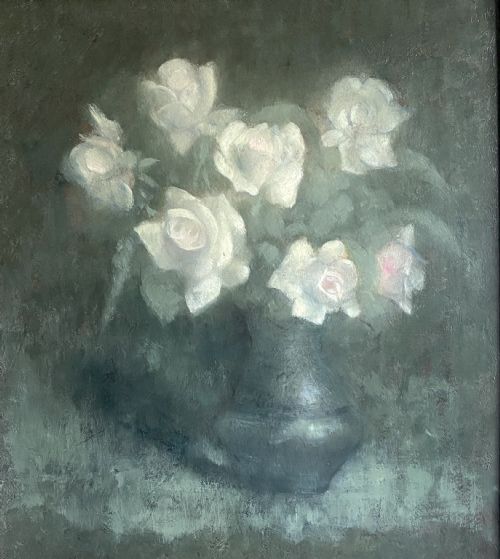
An early 20th century oil painting encompasses works produced from the Edwardian period through to the 1930s, reflecting diverse artistic movements including British Impressionism and the French School. Buyers seek these pieces to bring authentic period atmosphere into a room, drawn to subjects that range from tranquil river and mountain landscapes to detailed floral still lifes.
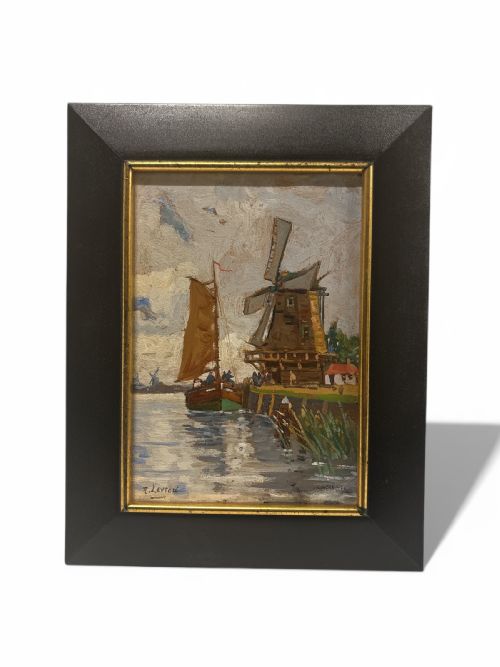
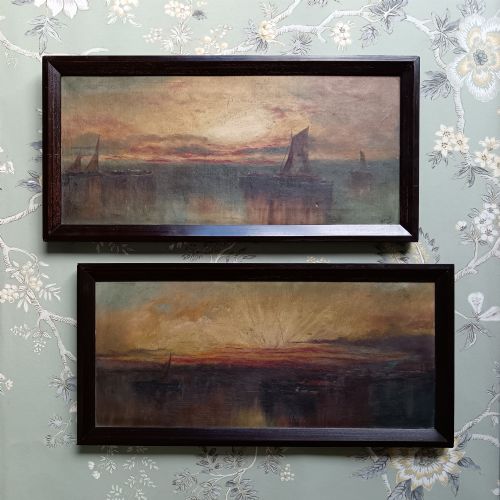
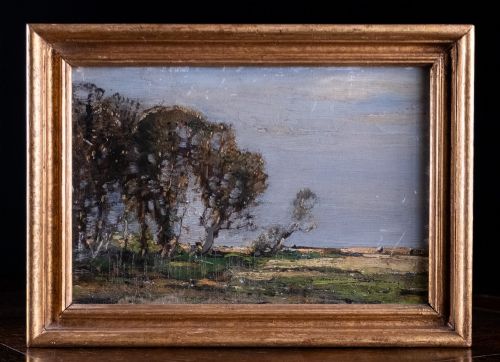
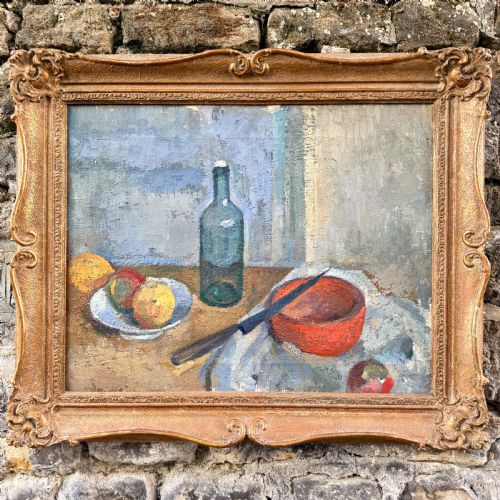
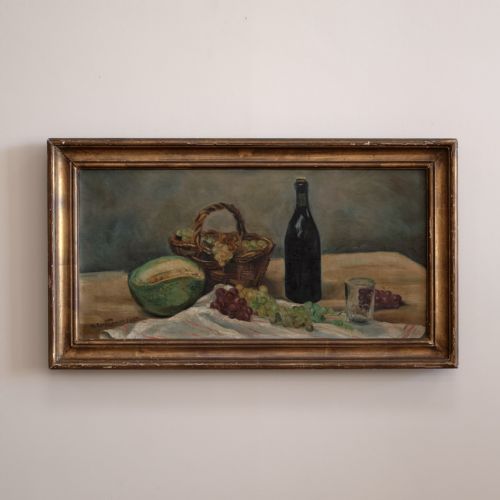
The most common examples on this page are landscape oil paintings depicting rural scenes, farmyards, and coastal views from across Britain, Europe and Switzerland. Alongside these, still life studies of fruit and flowers frequently appear, often housed in their original giltwood or walnut style frames.
How They Were Made
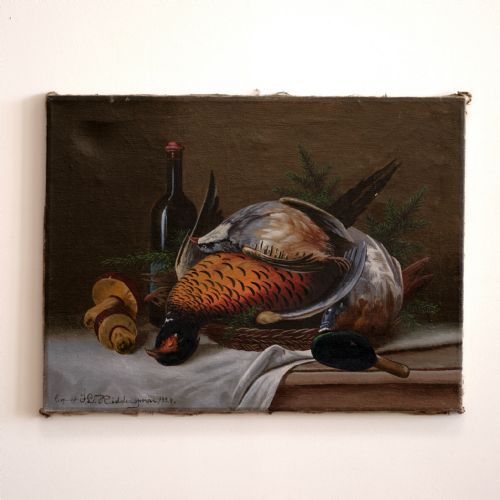
Artists applied oil paint to various supports including stretched canvas, canvas laid onto board, wooden panels, card, and metal panels. The medium allowed for rich texture, visible impasto, and subtle blending of colour.
Many works retain their original frames, constructed from wood with gilt finishes or burr walnut style veneers, which protect the edges of the canvas or board and complement the composition.
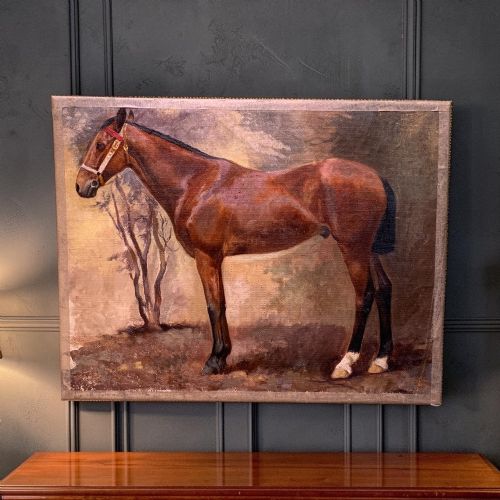
Several canvases capture cows, horses, and gun dogs patiently posing while the British weather refuses to cooperate.
What Varies in Quality
Quality rests upon the confidence of the brushwork and the artist's ability to capture light and atmosphere within the chosen medium. Masterful impasto and sensitive colour mixing elevate a landscape or still life above standard decorative works.
The relationship between the painting and its period frame contributes significantly to the overall integrity of the piece. Intact original mounting and frames that complement the date and style of the canvas indicate careful preservation.
Herbert Royle·Oliver Hall·Augustus William Enness·Reginald Grange Brundrit·AF de Breanski
The Early 20th Century Oil Painting Glossary
- Impasto
- Paint applied thickly to a canvas or board, standing out from the surface so that the marks of the brush or palette knife remain visible. This technique adds tactile depth and catches light across the composition.
- Canvas laid onto board
- A method where a fabric canvas is adhered to a rigid wooden or cardboard support for stability. Painters often utilised this technique for smaller outdoor sketches.
- British Impressionism
- An artistic movement spanning the late 19th and early 20th centuries focusing on everyday subjects and natural light. Practitioners employed broken brushstrokes to capture transient atmospheric effects.
- Giltwood
- Wood that has been coated with gold leaf or a gold-coloured finish. These frames frequently surround period oil paintings to enhance the visual weight of the artwork.
Frequently Asked Questions
How do I date an early 20th century painting?
Dating relies on signatures, artist exhibition records, and stylistic clues within the clothing, architecture, or transport depicted. Supporting evidence such as framing materials and canvas stamps also helps narrow the timeline.
Many works include dates inscribed directly onto the canvas, board, or reverse by the artist during the painting process.
What subjects are most common?
Landscapes dominate the period, featuring river scenes, rural cottages, Scottish highlands, and coastal fishing boats. Floral and fruit still lifes also appear regularly, painted in oil on canvas or board.
Artists frequently recorded local countryside views, farmyard scenes, and continental landscapes from travels across Europe.
Are these paintings signed by the artist?
A substantial number of works bear the original signature or monogram of the painter, often placed in a lower corner. Unsigned pieces are frequently attributed to regional schools based on technique and subject matter.
Signatures provide a direct link to recorded painters who exhibited during the Edwardian era and the 1930s.
How should I care for an oil painting?
Display oil paintings away from direct sunlight and fluctuating humidity to protect both the canvas and the oil pigments. Gentle dusting with a soft, dry brush keeps the surface clean without disturbing the paint layer.
Original frames benefit from occasional inspection to ensure the canvas remains secure within its housing.