



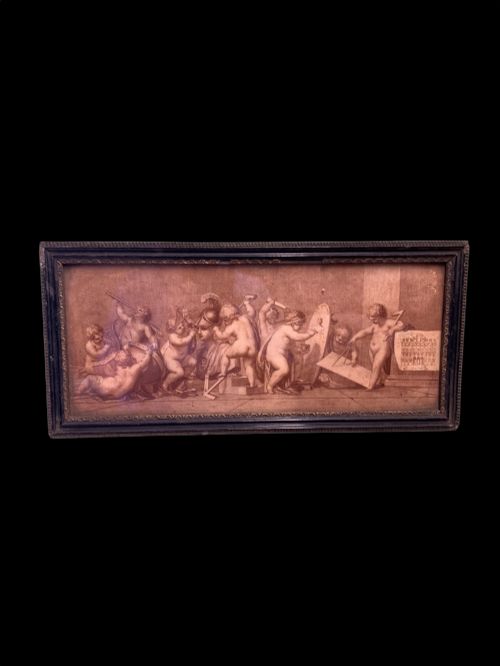
Ebonised Framed Art
Ebonised framed art brings together dark, dense timber borders and historic works on paper, panel or canvas, offering a stark silhouette that makes portraits and prints stand out on a wall.
Ebonised Framed Art
When searching for ebonised framed art, buyers encounter historical wall pieces housed within dark, heavily darkened wooden surrounds. These works span centuries of production, capturing periods from the seventeenth through to the twentieth century.
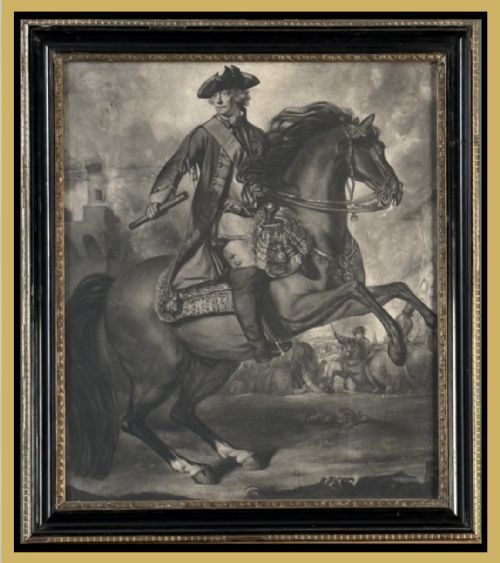
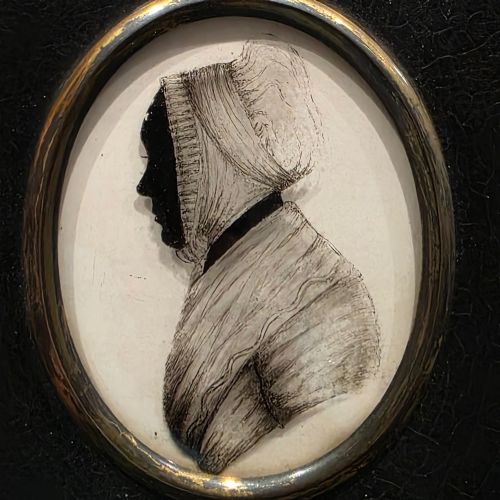
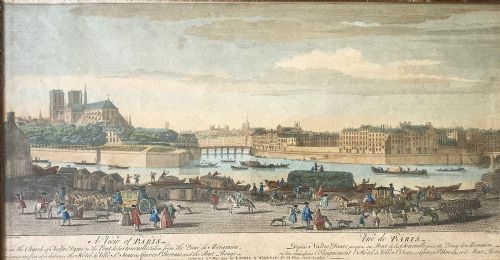
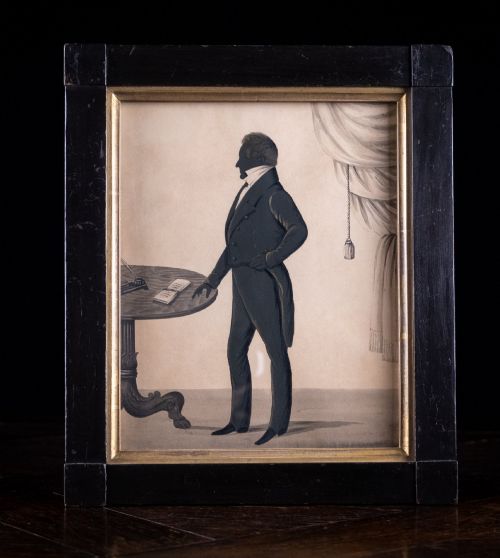
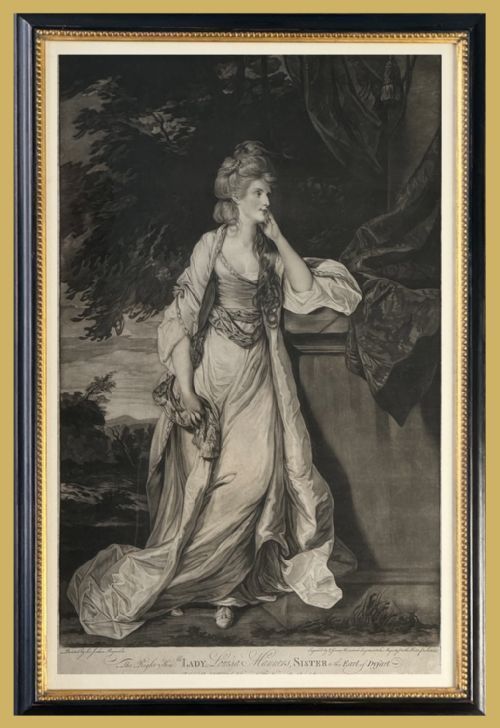
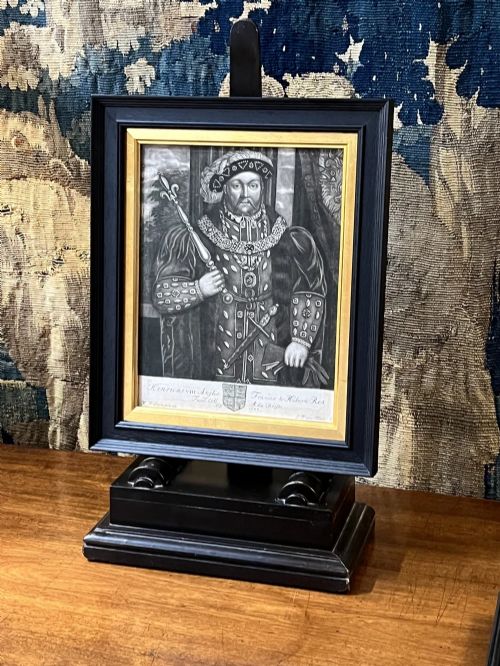
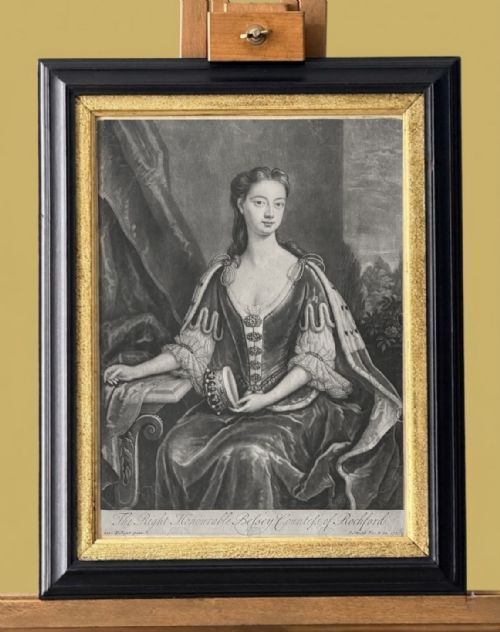
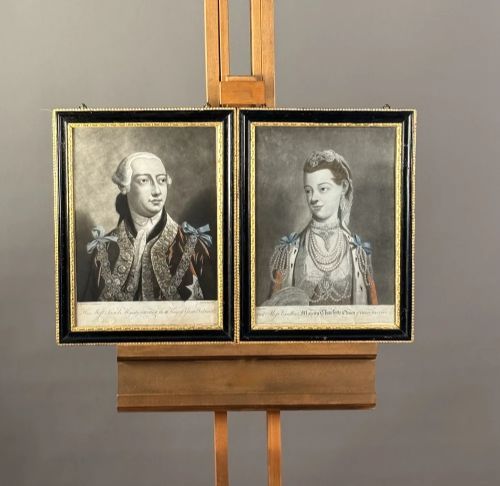
The selection on this page leans heavily toward portraits, landscapes and still life representations. Oil paintings, mezzotints, silhouettes and watercolours make up the primary forms meeting the eye.
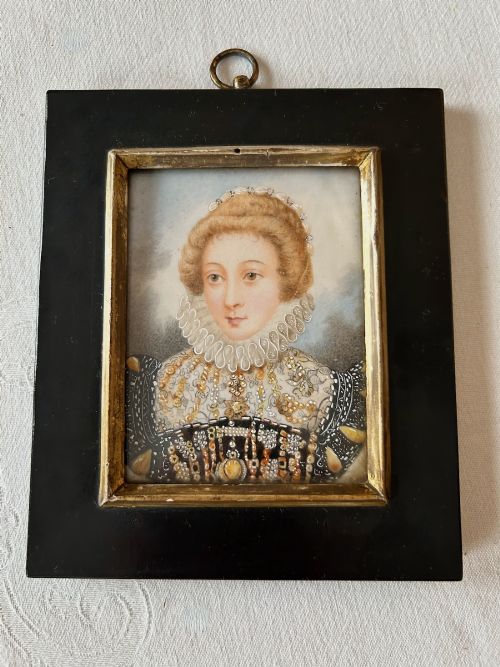
Many of these pieces draw on European traditions, including Dutch, French and Italian schools. Portrait miniatures and framed prints sit alongside larger oils on panel and canvas.
How these pieces were constructed
Makers utilised dense woods treated with dark stains or black finishes to achieve the characteristic ebonised effect. This process often involved staining timber to imitate ebony, providing a sombre, uniform border that contrasts with the artwork inside.
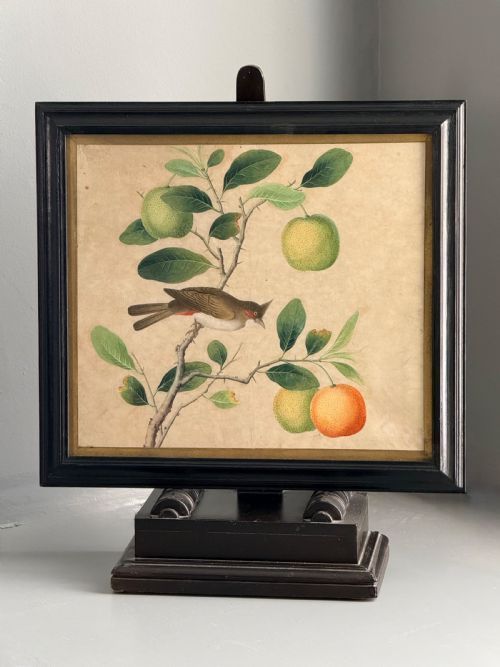
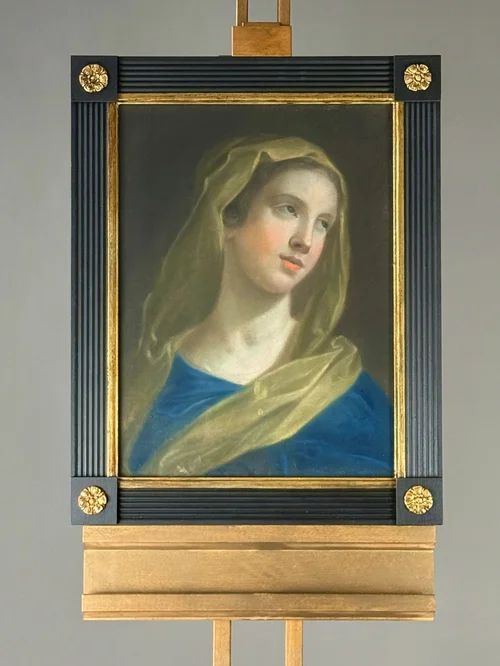
Gold leaf and gilt accents frequently appear alongside the dark woodwork, catching the light and framing the central image. Glass protects fragile surfaces such as paper prints, gouache on pith paper and delicate pastel drawings.
Ebonised Framed Art Retail Price Guide 2026
Typical asking prices for ebonised framed art among the pieces listed under this phrase on Sellingantiques today, from the lower quarter to the upper quarter. They describe what is for sale here now, not the wider market.
Materials span oil paint, glass, paper, brass and gold leaf set within ebonised wooden surrounds.
What separates examples in quality
Quality rests heavily on the execution of the primary artwork, whether an oil painting or a detailed mezzotint print. Skilled hands produce finer lines, deeper tonal contrast and more convincing anatomical proportions in portraiture.
The harmony between the artwork and its ebonised frame dictates the overall success of the piece. Original or period-appropriate frames that complement the scale and date of the imagery elevate the object above mismatched pairings.
Edward Fisher·Sir Joshua Reynolds·Henri Fradelle·George Atkinson·Benedetto Lutti·Valentine Green·John Faber Snr·Hans Holbein the Younger·John Smith·Charles D Agar·Thomas Frye·Richard Purcell·Van Rijckevorsel·Verheijen·W D Almond·Guillaume Courtois·Gaspar Peeter Verbruggen·Albin Mattenheimer·Le Brun·Frans Hals·Godfried Schalcken
The Ebonised Framed Art Glossary
- Ebonised wood
- Timber treated chemically or with dark pigment to simulate expensive ebony. This finish provides a deep black surface popular in framing historic works.
- Mezzotint
- A printmaking process of the intaglio family where the plate is roughened to achieve rich tonal gradations. It allows for subtle shifts in light and dark across portrait subjects.
- Gouache
- An opaque water-based paint medium yielding flat, matte areas of colour. It appears on various historic supports including pith paper.
- Silhouette
- A solid dark profile portrait cut from paper or painted onto a pale ground. Artists frequently rendered these in black against contrasting light backgrounds.
Ebonised Framed Art: Frequently Asked Questions
What periods do these ebonised frames represent?
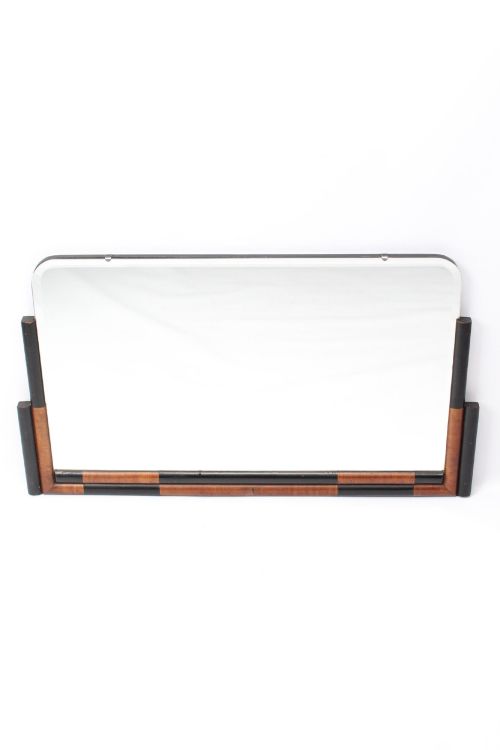
The pieces span multiple centuries, stretching from the late sixteenth and seventeenth centuries through the Georgian and Regency eras into Victorian times and the Art Deco period of nineteen thirty.
Most items align with traditional European fine art production, reflecting styles such as Baroque, Dutch Golden Age and neoclassical portraiture.
How should I care for ebonised framed art?
Keep these works away from direct sunlight and damp environments to protect both the wooden frames and the delicate paintings or prints inside. Dust the ebonised surfaces gently with a dry, soft cloth.
Avoid liquid cleaners on the dark wood or gilt sections, as moisture can damage the finish and historical materials.
Are these artworks original period pieces?
The listings comprise historical works created across various centuries, including period mezzotints, oil paintings and silhouettes. Each item reflects the artistic standards and techniques of its specific era of origin.
Creators utilised traditional media such as oil paint, pastel, watercolour and ink on supports like canvas, panel and paper.
What subjects are common in these frames?
Portraits dominate the selection, featuring nobles, dignitaries and historical figures rendered in oil, print or silhouette. Still life compositions of flowers and fruit also appear.
Landscapes and architectural views provide additional variety, capturing historical scenes through engraving, watercolour and oil paint.