


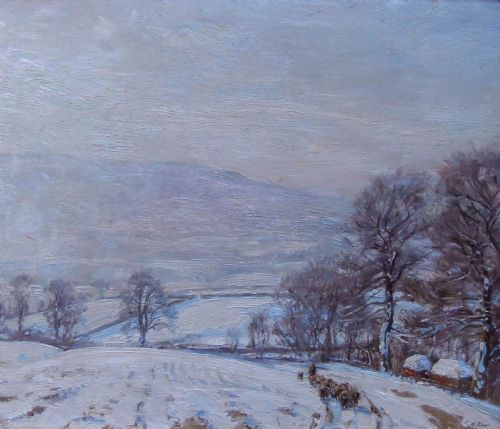


Snow Landscape Oil Painting
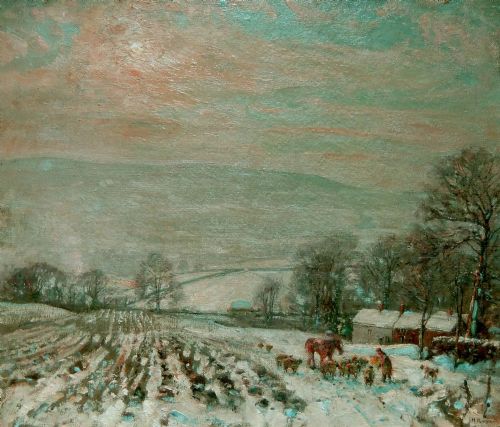
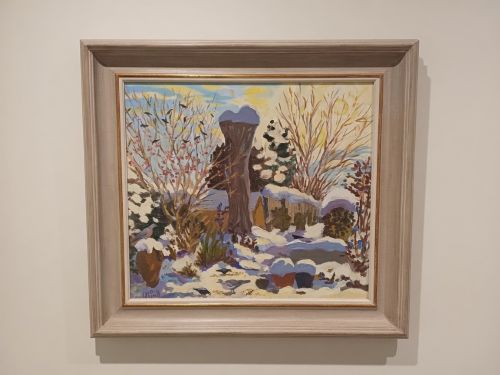
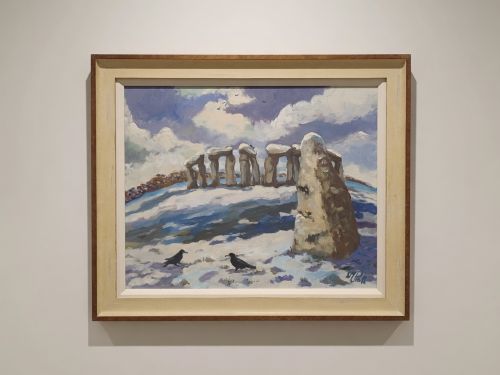
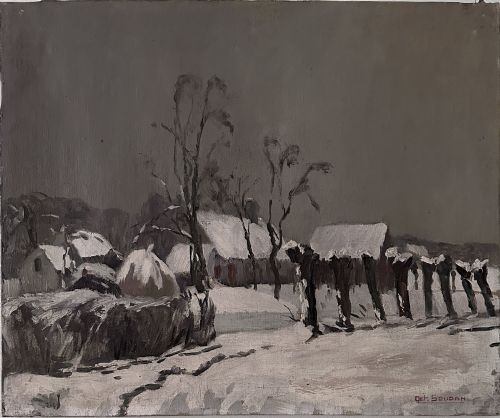
When you want a snow landscape oil painting, you are looking at winter scenes rendered in pigment.
Snow Landscape Oil Painting
A snow landscape oil painting captures the chill of winter across various regions, from Yorkshire dales and Scottish highlands to alpine peaks and Dutch villages. These works range from tranquil rural cottages and frozen rivers to dramatic coaching scenes caught in blizzards.
The pieces represented here extend from the nineteenth century through the twentieth century, encompassing British Impressionism, Realism, Romanticism, and German Expressionism. You will frequently encounter rural farmsteads, Highland cattle, and figures trudging through snowdrifts.
Subject matter varies widely, taking in domestic genre scenes, hunting hounds, stagecoaches, and stark, empty buildings at dusk. The physical support also shifts between traditional stretched canvas and rigid wood boards.
How they were made
Artists built these compositions primarily using oil paint applied to canvas or wood boards, often enclosing the finished work within wood frames adorned with gesso and giltwood. The medium allowed painters to build thick impasto layers to suggest heavy snow drifts or thin translucent glazes for frosty winter skies.
Techniques range from the tight, detailed brushwork of nineteenth-century coaching painters to the looser, expressive marks of later impressionist and expressionist hands. Pigments were manipulated to catch the pale, low light characteristic of a winter afternoon or a snowstorm.
Several coaches are hopelessly stranded in snowdrifts, leaving passengers to seek shelter while hounds chase foxes through the white fields.
What varies in quality
Quality rests upon the artist's command of light and atmosphere, particularly the difficult task of rendering white snow without making it appear flat or lifeless. A superior hand captures the subtle blue, grey, and violet shadows cast across a winter field rather than relying on pure white.
Compositional strength and the handling of the medium dictate the standing of a piece, separating routine topographical records from deeply evocative winter scenes. The integration of figures, animals, or architecture into the frozen landscape reveals the painter's depth of skill.
Herbert Royle·John Charles Maggs·Ernest Higgins Rigg·Charles Jones·George Augustus Williams
The Snow Landscape Oil Painting Glossary
- Impasto
- Paint applied thickly to a canvas or board, standing out from the surface so that the texture of the brush or palette knife remains visible. This technique is frequently used to render the physical bulk of deep snow or frozen earth.
- Gesso
- A plaster-like mixture applied to wood frames as a base before gilding or painting. It provides a smooth foundation for decorative mouldings.
- Giltwood
- Wood that has been coated with a thin layer of gold leaf or gilt powder. It is commonly found on the ornate frames enclosing traditional landscape paintings.
- Genre painting
- The pictorial representation of scenes from everyday life, typically involving ordinary people engaged in common activities. In winter scenes, this often includes figures collecting firewood or travelling by stagecoach.
- British Impressionism
- A painting style influenced by the French movement, characterised by relatively small, thin, yet visible brush strokes and an emphasis on accurate depiction of light. British practitioners applied these principles to native rural and coastal subjects.
Snow Landscape Oil Painting: Frequently Asked Questions
How do I date a snow landscape oil painting?
Dating relies on stylistic clues, the type of canvas or board used, and the framing materials. Clothing styles on figures or the presence of specific forms like stagecoaches also offer reliable chronological markers.
Signatures, exhibition labels, and inscriptions on the reverse of the stretcher or board frequently provide definitive dates or narrow down the active period of the artist.
What subjects are most common in these paintings?
Rural Yorkshire dales, Scottish highlands with cattle, and coaching scenes caught in snowstorms appear frequently across these works. Artists also favoured quiet village streets, farm buildings, and figures navigating winter weather.
Coastal views and alpine mountain ranges also feature among the selection, reflecting the geographical spread of the painters who recorded these frosty vistas.
Are these paintings usually framed?
Most pieces retain their period frames, which often feature wood, gesso, and giltwood construction. These frames are integral to the presentation and help place the work within its historical context.
Original frames complement the palette of the oil painting and protect the edges of the canvas or board from damage over time.
How should I care for an oil painting on canvas?
Keep the painting away from direct sunlight, extreme temperature fluctuations, and high humidity to prevent the canvas from warping and the oil paint from cracking. Gentle dusting with a soft, dry brush is generally sufficient for surface maintenance.
Avoid using water, chemical cleaners, or cloths on the painted surface, as these can permanently damage the delicate layers of pigment and varnish.