

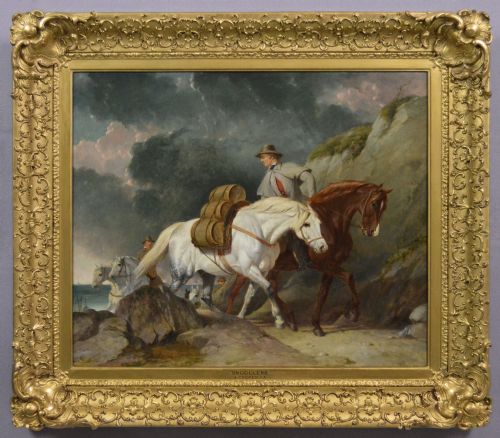
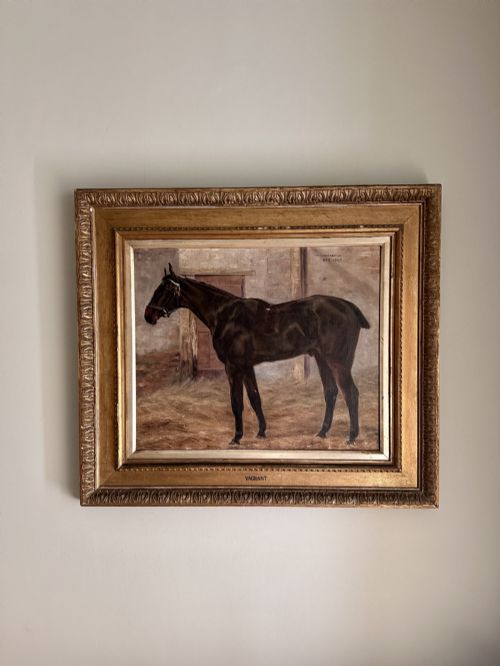
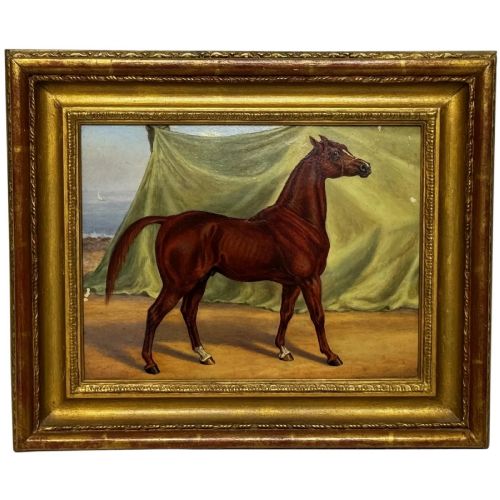
Equestrian Oil Painting Framed
An equestrian oil painting framed captures the enduring spirit of the sporting horse across canvas and panel.
Equestrian Oil Painting Framed
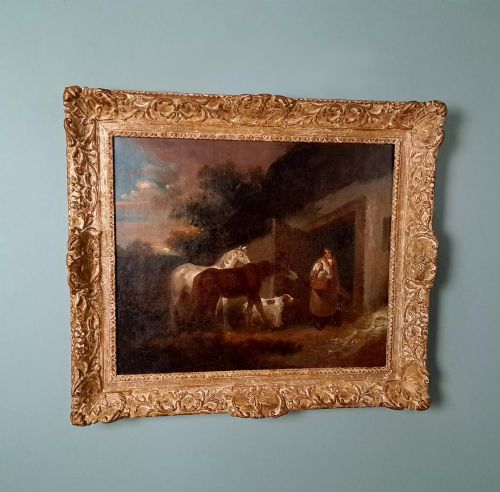
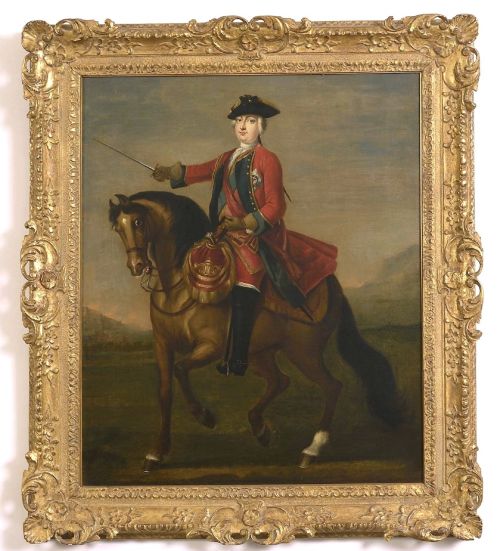
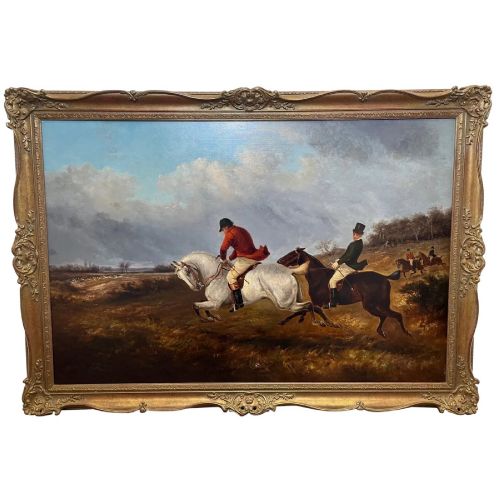
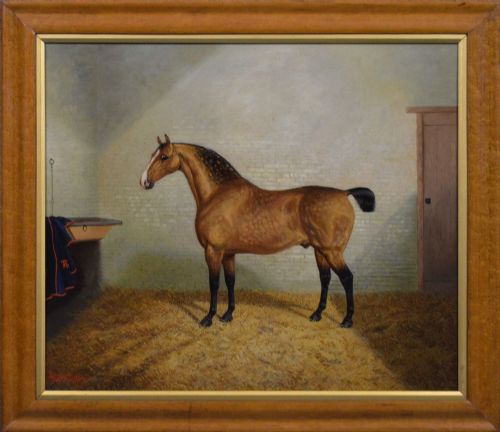
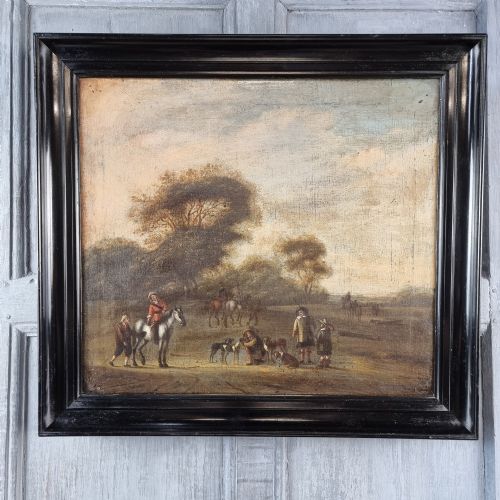
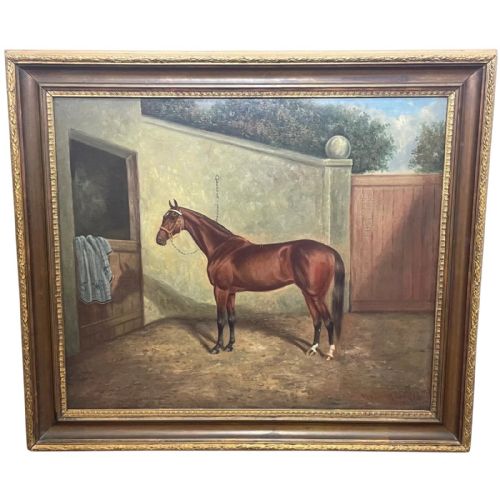
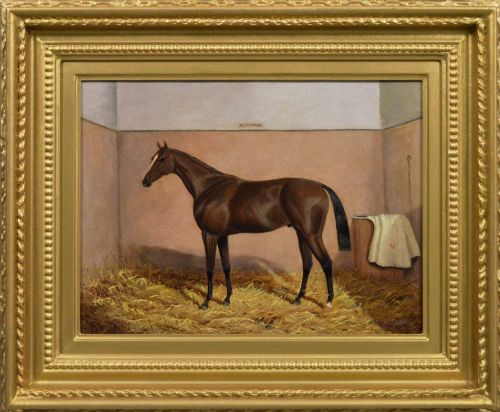
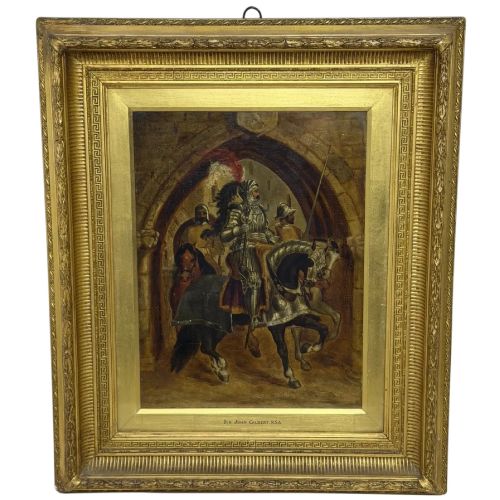
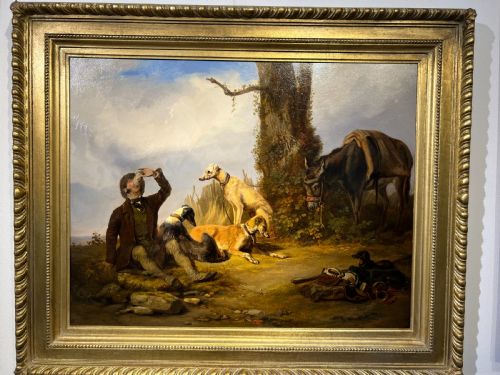
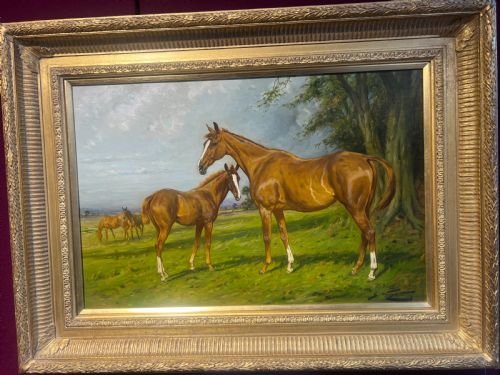
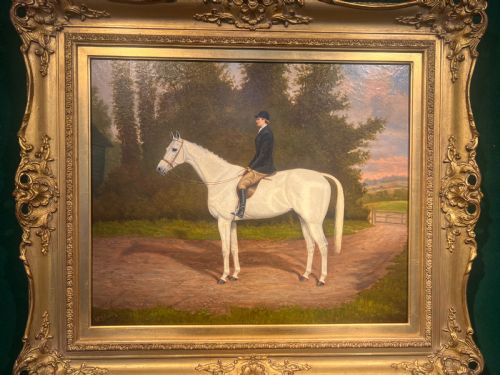
An equestrian oil painting framed brings together centuries of British sporting art, featuring subjects from fox hunting scenes and racehorse portraits to coaching oils and stableyard studies. These works span the eighteenth, nineteenth, and twentieth centuries, reflecting changing tastes in portraiture and landscape.
Buyers browsing this selection will encounter horse portraits set in stables, dramatic gallops, and depictions of notable winners by named artists. The framed presentation typically incorporates period wood and giltwood moulding that complements the depth of the oil paint.
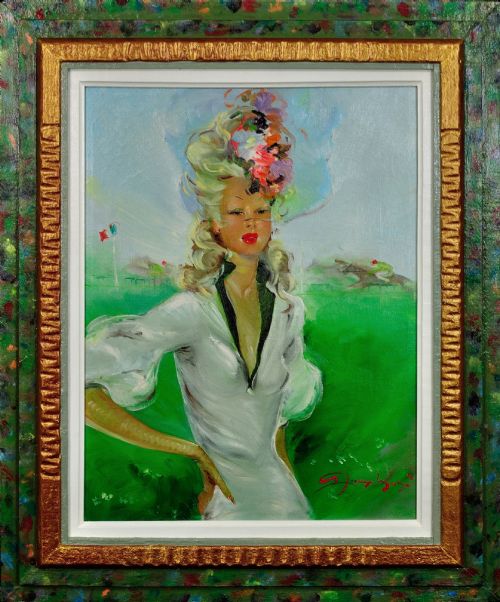
Originating largely from British and French schools, these pieces demonstrate the historic significance of horses in rural and competitive life. The category includes both intimate studies and large-scale canvases suited to traditional interiors.
How They Were Made
These works utilise oil paint applied to canvas or wood board, building rich layers of colour that capture the musculature and sheen of the horse. Artists manipulated pigment with brushes and palette knives to render texture in both the animal coats and the surrounding landscape.
Periods represented span from the 17th century through the Victorian era to mid-century modern interpretations.
What Varies in Quality
Quality rests in the anatomical accuracy of the horse, the fluidity of the brushwork, and the handling of light across the composition. Superior works capture individual temperament and movement rather than relying on stiff formulaic poses.
The integration between the painting and its frame also distinguishes pieces at the higher end, where original giltwood surrounds complement the palette of the canvas without overpowering the central subject.
William Joseph Shayer Senior·Thomas Smythe·Albert Clark·Frederick Albert Clark·Sir Edwin Henry Landseer·George Wright·Abraham Cooper·Henry Barraud·Fred Fitzpatrick·Ernest Payne·Edward Priestley·John Alfred Wheeler·Philip Rideout·Thomas Walker Bretland·George Morland·John Ferneley Senior·Charles Walter Simpson·Harry Freckleton
The Equestrian Oil Painting Framed Glossary
- Giltwood
- Wood carved and coated with gold leaf or a metallic substitute. This material provides a reflective border that accentuates the darker tones of an oil painting.
- Canvas
- A heavy woven fabric stretched across a wooden stretcher frame to serve as a sturdy support for oil paint. It remains the most common substrate for historic fine art.
- Equestrian art
- Depictions of horses, riders, and carriage transport within sporting or landscape contexts. This genre has a long tradition in British painting.
- Provenance
- The documented history of ownership and exhibition for a work of art. Clear records help confirm the authenticity and origin of a painting.
Equestrian Oil Painting Framed: Frequently Asked Questions
How do I hang a heavy framed oil painting?
Heavy framed oil paintings require secure wall fixings such as picture hooks rated for the specific weight, anchored directly into wall studs or masonry.
Using two fixing points distributed across the width of the frame keeps the artwork level and distributes the load evenly.
What periods do these paintings cover?
The available selection spans from the late seventeenth century through the Victorian era and into the mid-twentieth century. Most examples date from the nineteenth and early twentieth centuries.
Stylistic shifts move from classical sporting portraits toward more impressionistic British realism as the decades progress.
How should I clean the frame?
Giltwood and wood frames require gentle dusting with a dry, soft bristle brush or a clean microfiber cloth to remove surface particles.
Avoid using water, liquid cleaners, or solvents on gilded surfaces, as moisture can lift the delicate gold leaf finish.
Are these paintings on canvas or board?
The works utilise both traditional woven canvas stretched over wooden frames and solid wood panels as painting supports.
Canvas allows for subtle give under the brush, while panel supports offer a rigid surface favoured by certain portraitists.