



Antique Grey Horse Picture
An antique grey horse picture captures the nobility of the animal through oils and watercolours spanning the Regency to the mid twentieth century.
Antique Grey Horse Picture
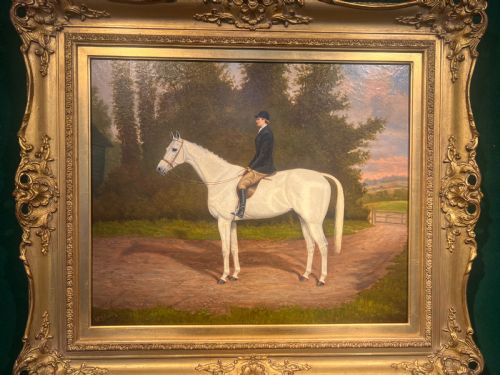
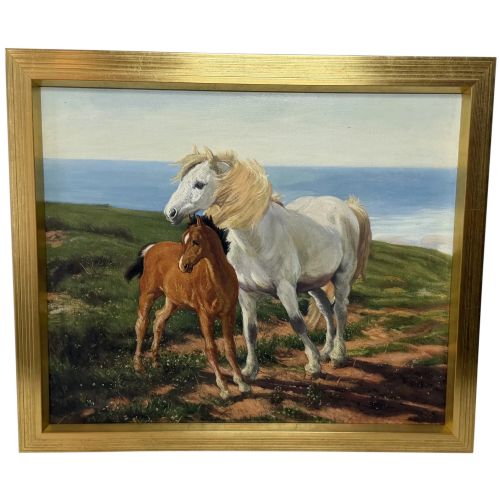
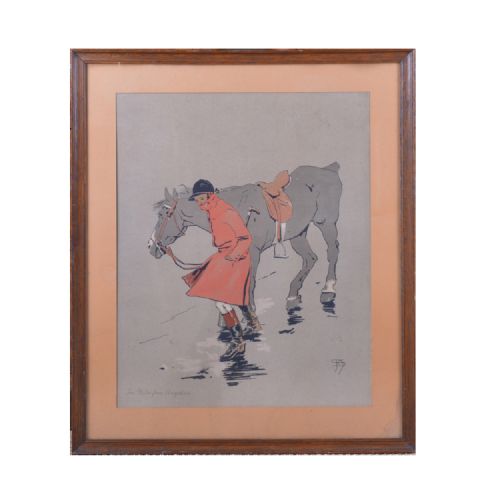
An antique grey horse picture centres on equine subjects rendered in oil paint, watercolour, ink, and print across periods from the Regency era to the twentieth century. These works capture hunting scenes, pastoral landscapes, and detailed portraits of mares and foals in framed formats.
Buyers encountering this selection will find British School and sporting art compositions ranging from monochrome watercolours to large oil paintings on canvas and paper. Pieces vary from signed sporting portraits by named artists to atmospheric rural scenes featuring heavy working horses.
The material presentation typically includes original wooden frames, often accented with gilt work and protected under glass. Each piece preserves historical techniques of equine depiction, from nineteenth-century sporting traditions to later impressionist realism.
Materials and Construction
Artists working on these subjects applied oil paint to canvas or wood panels, building up rich textures for coat and landscape details, or used watercolour and ink on paper for lighter, fluid depictions. Canvas supports and heavy paper sheets were mounted securely within traditional wooden frames.
Gilt finishes and glass glazing frequently complete the presentation of these framed works, protecting the delicate pigments beneath from environmental wear. The application of chromolithograph printing techniques also appears among the visual formats represented.
Periods represented span from the Regency era through Victorian sporting art to Edwardian and later twentieth-century pieces.
Assessing Quality
Quality rests upon the artist's ability to render equine anatomy accurately and convey movement within the landscape, distinguishing accomplished sporting art from standard decorative items. The precision of brushwork in the horse's coat and the harmony between the animal and its background dictate the piece's standing.
The preservation of the original medium, whether oil on canvas or watercolour on paper, alongside the integrity of the period frame, influences the overall character of the work. Evidence of a named hand adds distinct weight to the composition.
William Albert Clarke·Albert Ludovici Jnr·Basil Nightingale·Clifton Tomson·Vernon Stokes·William J Hodgson·Snaffles·Frank Saltfleet·Frank Algernon Stewart·John Baragwanath King
The Antique Grey Horse Picture Glossary
- Watercolour
- A painting method where fine pigment is suspended in water-soluble binder applied to paper. This medium allows for transparent washes and delicate tonal shifts often seen in equestrian sketches.
- Chromolithograph
- A multicoloured print produced through lithographic stones, capturing the rich tones of original artworks. This technique made sporting and landscape scenes accessible during the late nineteenth and early twentieth centuries.
- Equestrian Art
- Depictions focusing specifically on horses, riders, and the associated sporting culture. This genre demands precise knowledge of equine form and movement from the artist.
- Gilt
- A thin layer of gold leaf applied to wooden frames to enhance decorative appeal. It provides a warm border that complements the tones of oil paintings and watercolours.
Antique Grey Horse Picture: Frequently Asked Questions
How do I care for antique watercolours?
Keep watercolours away from direct sunlight to prevent fading of the delicate pigments on paper. Maintaining stable indoor humidity protects both the paper support and the original frame.
Ensure the glass and backing board remain sealed to keep out dust and moisture over time.
What periods do these paintings cover?
The selection spans from the Regency period through the Victorian and Edwardian eras up to the mid twentieth century. Each period brings distinct framing styles and artistic conventions to equine portraiture.
Nineteenth-century works often emphasise traditional sporting art, while later pieces explore impressionist realism.
Are the frames original to the pieces?
Many works retain their period wooden frames, which may feature original gilt detailing suited to the era of creation. These housings reflect the framing fashions contemporaneous with the painting's execution.
Examining the joinery and finish helps determine the historical relationship between the artwork and its frame.
How are different horse breeds depicted?
Artists distinguished heavy working horses from sleek hunters through careful attention to bone structure, musculature, and coat colour. Grey mares, heavy cart horses, and hunting thoroughbreds each received specific rendering techniques.
Background details such as grooming gear or agricultural carts provide context for the animal's specific role.