

Canvas Horse Portrait
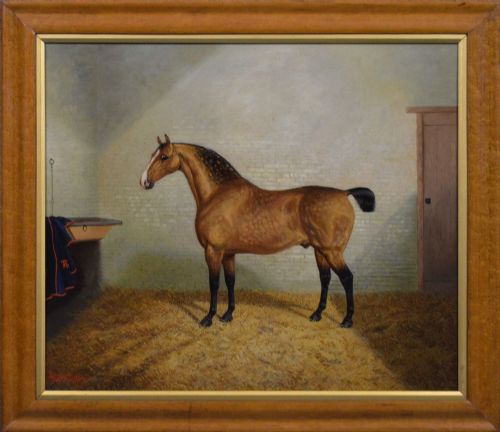
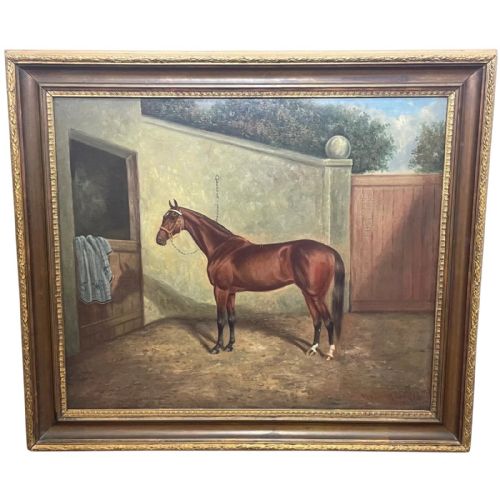
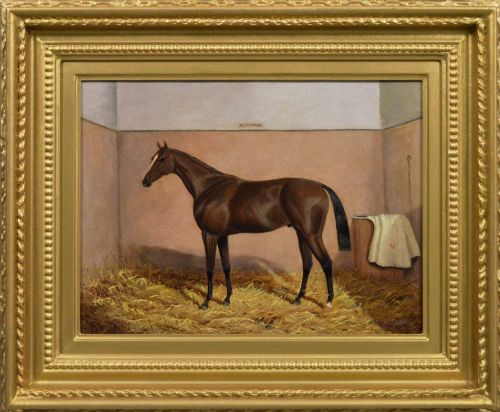
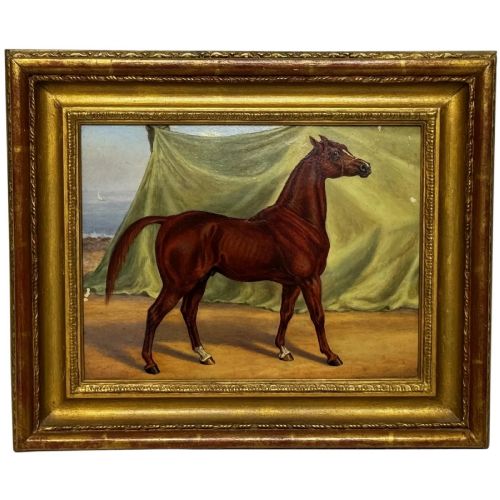
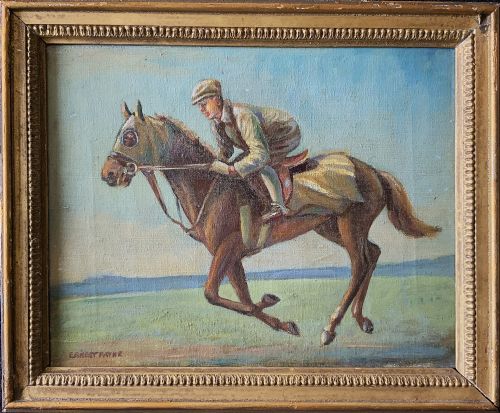
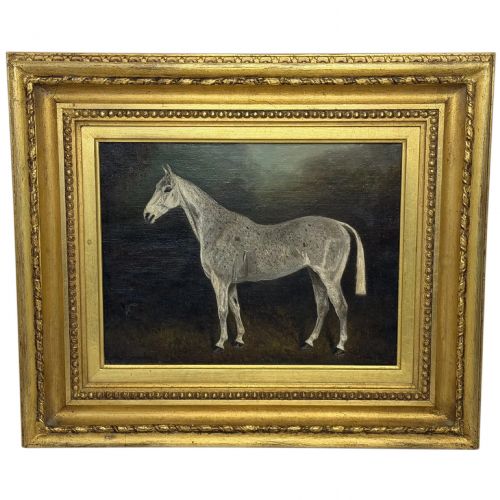
A canvas horse portrait captures the strength and character of valued animals through traditional oil painting techniques.
Canvas Horse Portrait
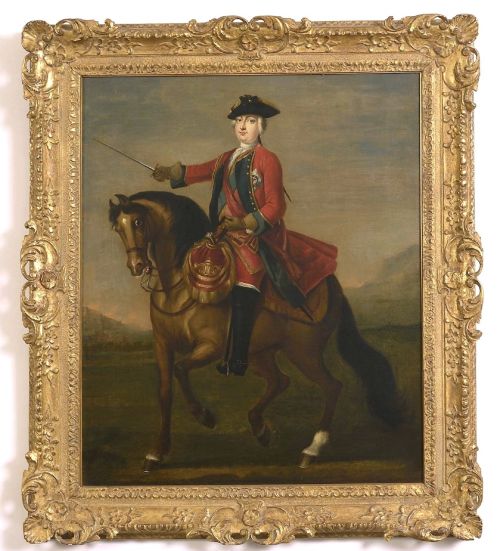
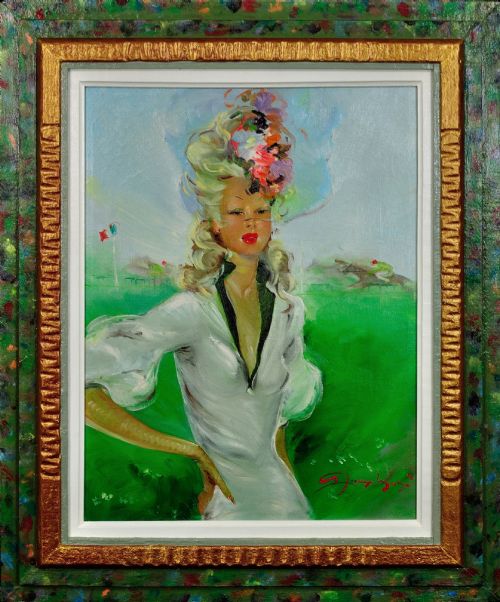
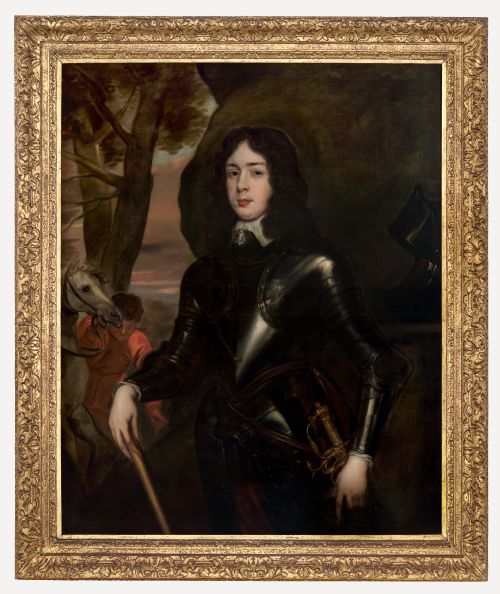
A canvas horse portrait brings together historic equestrian subjects and traditional painting methods, recording specific animals, racehorses, and working beasts from past centuries. The pieces on this page span the 17th century through to the mid 20th century, encompassing Victorian sporting art, Georgian works, and mid-century interpretations.
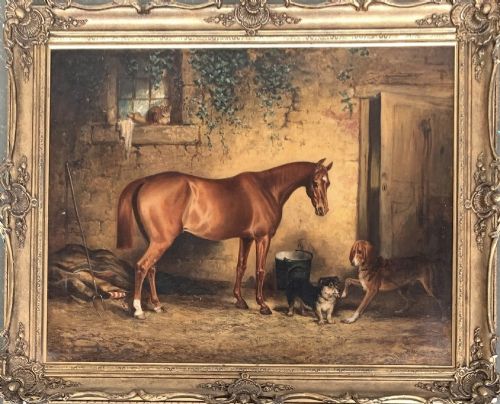
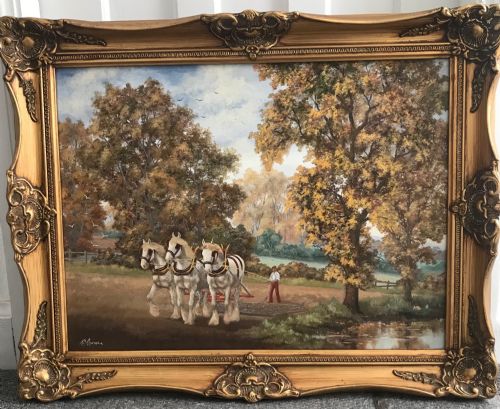
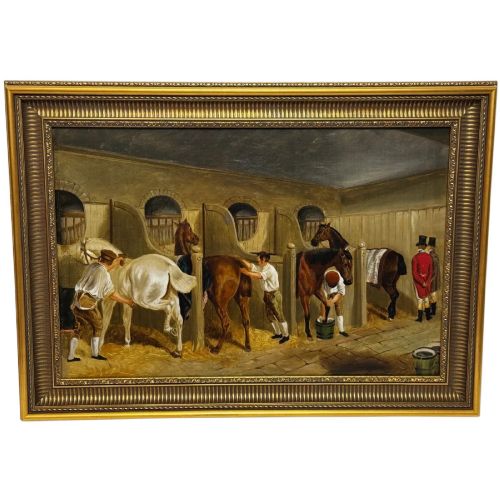
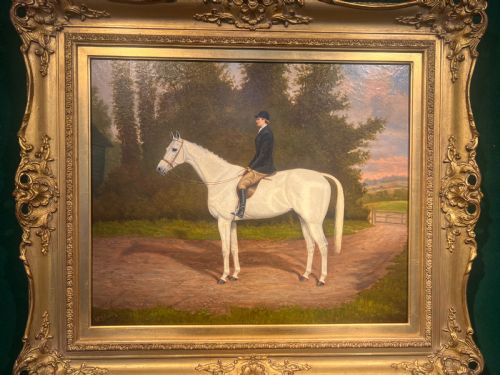
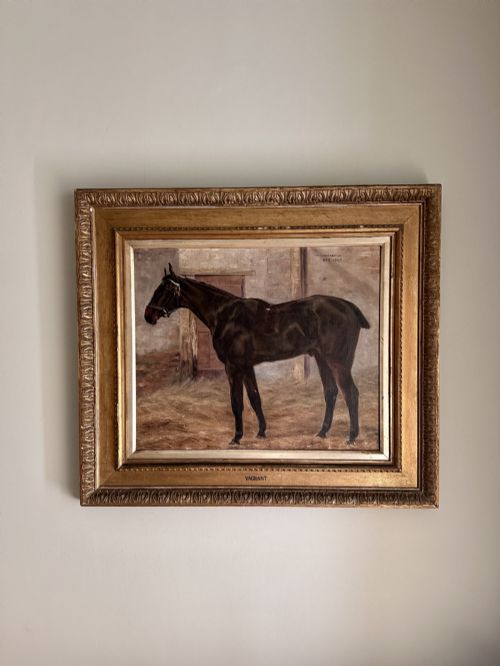
Buyers will encounter various formats, ranging from detailed studies of named thoroughbreds in stables to broader landscapes featuring hunters, ploughing teams, and hunting scenes. The most common examples belong to the 19th century and the Victorian period, reflecting a widespread era of equestrian patronage and sporting portraiture.
Materials and technique
The works rely upon oil paint applied to woven canvas stretched over wooden frames, often supported by period giltwood or gilded frames that enhance the visual depth of the composition. Painters utilised layered oil pigments to build the sheen of coats, the play of light on muscle, and the textures of stables and rural landscapes.
Many surviving pieces incorporate gold leaf or decorative gilt mouldings within their framing, reflecting the high status afforded to prized horses, hunters, and racing winners by their historical owners.
Listings feature works spanning the 17th, 18th, 19th, and 20th centuries, created in oil on canvas with wood and giltwood frames.
Distinctions in quality
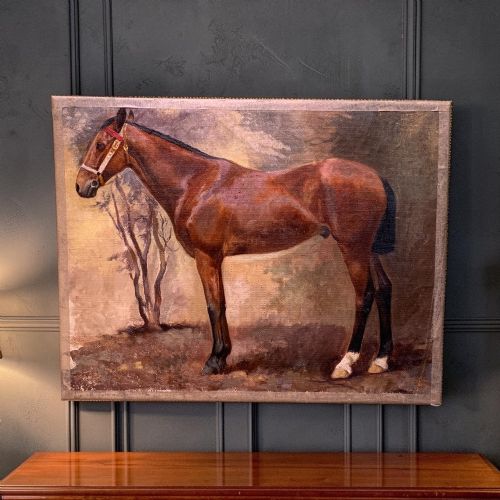
Quality within a canvas horse portrait rests upon the artist's anatomical precision, the handling of light across the horse's coat, and the convincing depiction of movement or stable environment. Superior examples capture individual temperament and bone structure accurately, whereas lesser pieces rely on formulaic postures and flat backgrounds.
The depth of provenance also elevates certain works, particularly where archival records connect the canvas to named estates, historical races, or documented painters of the British and Victorian sporting schools.
Henry Barraud·John Wootton·Thomas Hudson·Albert Clark·Fred Fitzpatrick·Sir Anthony van Dyck·Ernest Payne·John Alfred Wheeler·Thomas Walker Bretland·John Ferneley Senior·George E Sharpe
The Canvas Horse Portrait Glossary
- Oil on canvas
- A traditional painting medium where coloured pigments are suspended in drying oils and applied to a woven textile support. This combination allows for rich blending and enduring surface textures.
- Giltwood
- Timber carved and surfaced with a thin layer of gold leaf or gold paint. Frames utilising this material were designed to complement the prestige of equine artwork.
- Sporting art
- A genre of painting dedicated to horses, hounds, racing, shooting, and rural pursuits. It flourished particularly during the Georgian and Victorian eras.
- Provenance
- The documented history of ownership of an artwork. A clear lineage adds historical context and verifies authenticity.
Canvas Horse Portrait: Frequently Asked Questions
How do I date a canvas horse portrait?
Dating relies upon stylistic clues within the painting, the clothing of any figures, the stretcher construction of the canvas, and framing details. Signatures, dates, or handwritten inscriptions on the reverse often provide direct evidence.
Period framing and archival records or labels attached to the wood can further narrow down the exact decade of creation.
Where were these horse portraits originally displayed?
Historically, such artworks hung in country houses, estate libraries, stable offices, and gentlemen's clubs. They served to commemorate prized hunters, celebrated racehorses, and beloved family pets.
Owners commissioned skilled painters to record their finest animals as symbols of wealth, sporting prowess, and rural lifestyle.
How should I care for an oil painting?
Keep the canvas away from direct sunlight, damp environments, and rapid temperature fluctuations to prevent the oil paint from cracking or the wood from warping. Dust the surface gently with a soft, dry brush without applying pressure.
Avoid using liquid cleaners or water on the painted surface or the gilt frame, as moisture damages aged varnishes and gilded finishes.
What is the difference between a study and a portrait?
A study is typically a quicker, more focused execution concentrating on a specific element like a horse's head, leg muscles, or coat texture. These were often preparatory works for larger, finished compositions.
A portrait represents a named animal with finished detail, often placed within a specific setting such as a stable interior, paddock, or landscape.