




Antique Paper Aquatints
Antique paper aquatints capture tonal depth through etched copper plates, offering collectors rich historical imagery suited for traditional interiors.
Antique Paper Aquatints
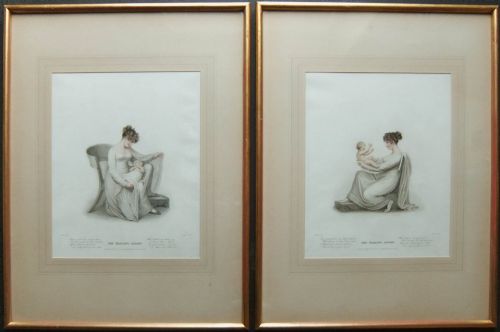
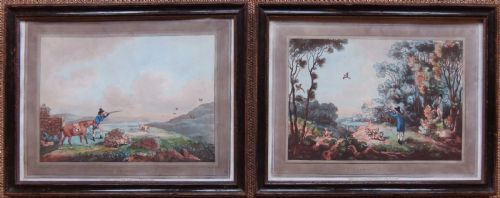
When you search for antique paper aquatints, you encounter works on paper dating from the Georgian, Victorian, and early twentieth-century periods. These pieces include individual sheets and framed prints, often found in sets depicting sporting scenes, coastal views, or portraiture.
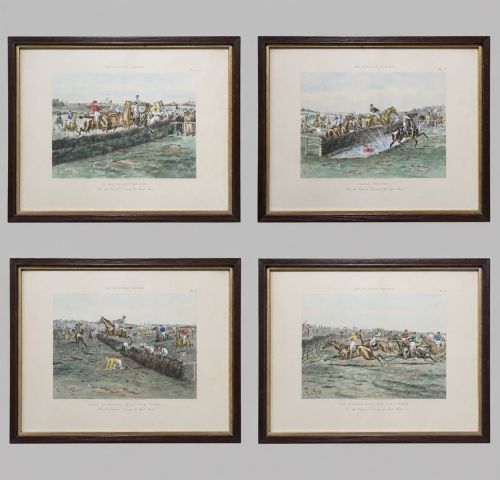
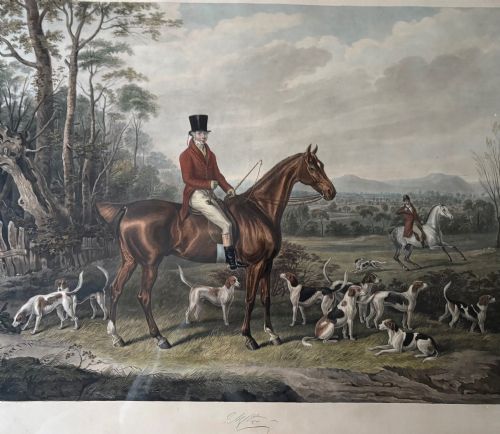
The selections on this page span several stylistic movements, from Regency works through to Modern British and Art Deco compositions. You are most likely to meet nineteenth-century sporting prints and sets of four or six narrative plates framed in wood or gilt wood.
Makers and artists represented across the listings include Adam Buck, George Finch Mason, W. Collard, Henry Alken, Joseph Farington, Joseph Constantine Stadler, Sam Howitt, Norman Janes, and Louis Icart. These works showcase the tonal capabilities of the medium through ink, watercolour, and hand-coloured details.
Materials and Technique
The process relies on a copper plate dusted with resin and treated with acid to create tonal areas that resemble watercolour washes. Printers applied ink to paper, sometimes enhancing the final impression by hand with watercolour or gold leaf.
Framed works utilise traditional materials such as wood, gilt wood, and glass to protect the paper substrate. The combination of engraved lines and granular aquatint grounds produced distinct visual textures unique to this printmaking method.
Periods represented span from Georgian and Regency eras through to Victorian, Art Deco, and Modern British styles.
Quality Variations
The distinction between standard examples and superior pieces rests upon the crispness of the impression and the precision of the hand-colouring. Strong tonal contrast indicates a well-bitten plate that has not suffered from excessive wear during the printing process.
Completeness alters the desirability of a piece, particularly when acquiring multi-part sets such as coaching or shooting scenes. Original framing in period wood or gilt surrounds further distinguishes works that retain their historical context.
Adam Buck·George Finch Mason·W. Collard·Joseph Farington·Joseph Constantine Stadler·Sam Howitt·Norman Janes·Louis Icart
The Antique Paper Aquatints Glossary
- Aquatint
- A printmaking technique that uses acid-resistant resin to produce tonal surfaces resembling watercolours. It creates soft gradations of shade rather than sharp lines.
- Hand-Coloured
- Pigments applied by brush to a printed monochrome base. This meticulous addition enhances specific details within the composition.
- Regency
- An English stylistic period spanning the early nineteenth century. Furniture and art from this era often feature classical motifs and refined proportions.
- Gilt Wood
- Timber coated with a thin layer of gold leaf or metallic powder. It provides a bright, reflective border for framed prints.
- Drypoint
- An intaglio printmaking method where a design is scratched directly into a metal plate with a sharp needle. This creates a distinctive velvety burr along the lines.
Antique Paper Aquatints: Frequently Asked Questions
What is an aquatint print?
An aquatint is an intaglio printmaking method that uses etched resin to create areas of tone rather than simple lines. The resulting image closely resembles a watercolour wash.
Printers often enhanced these sheets further by applying washes of watercolour by hand, making each surviving impression distinct.
How do I care for antique paper?
Keep framed pieces away from direct sunlight to prevent the fading of ink, watercolour pigments, and paper supports. Stable humidity levels protect the paper from warping or foxing over time.
Glazing should remain intact to shield the delicate surface from dust and atmospheric pollutants in your home.
Are these prints original antiques?
The listings span the nineteenth and early twentieth centuries, produced during the active periods of the artists and publishers named. Technical details such as paper texture and plate marks help confirm the age of each piece.
Historical subjects often reflect the sporting and cultural interests of the Georgian and Victorian eras.
How should I display sets?
Complete sets of four or six plates look best when hung together in a symmetrical arrangement to preserve their narrative sequence. Matching frames help unify the display along a hallway or study wall.
Ensure each frame is securely hung using appropriate hardware designed for heavy wood and glass combinations.