


Antique Sporting Engravings
These antique sporting engravings capture the pace and pageantry of past field sports, bringing centuries of tradition directly to your wall.
Antique Sporting Engravings
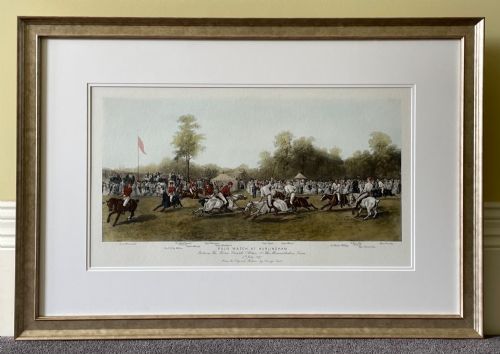
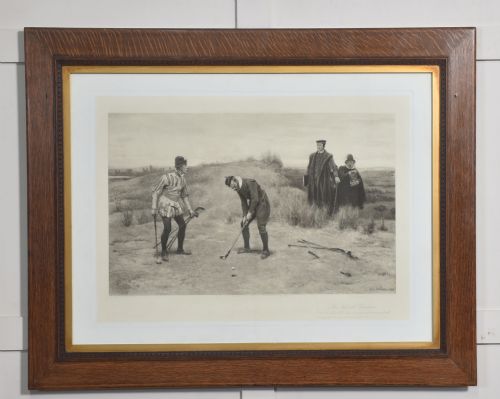
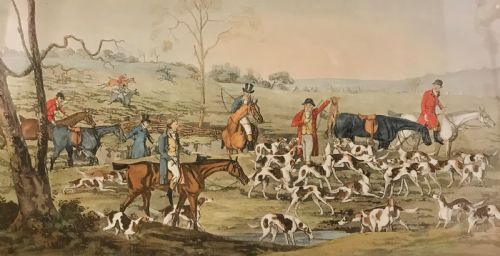
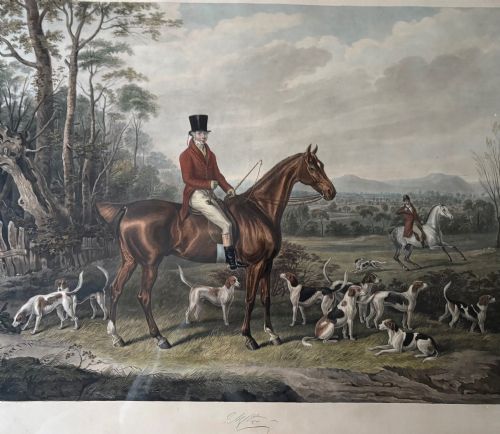
When you search for antique sporting engravings, you encounter framed prints, wall art, and copperplate engravings that record equestrian scenes, horse racing, hunting, and canine subjects.
The pieces appearing on this page span the Georgian, Regency, and Victorian periods, alongside Edwardian examples and nineteenth-century British works.
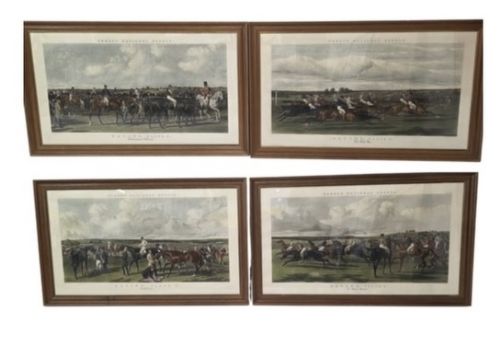
You frequently meet matching sets of four, such as hunting scenes or horse racing plates, preserved in period frames of wood, oak, or gilt wood.
Materials and Techniques
These works utilise ink applied to paper through copperplate engraving, etching, lithography, or stipple engraving.
Many examples incorporate hand colouring or watercolour applied over the printed lines, sometimes accompanied by gold leaf details within the framing.
Factors of Quality
The standard of an impression depends on the crispness of the plate lines and the subtlety of the hand colouring applied across the paper surface.
Completeness alters the standing of a set, as surviving groups of four or six hold greater integrity than isolated single plates.
Alken·William Bunbury·Charles Hunt·Francis Calcroft Turner·Sam Howitt·J F Herring
The Antique Sporting Engravings Glossary
- Engraving
- A printmaking technique where an artist cuts lines directly into a metal plate with a burin. This process produces sharp, clean lines that hold up well across multiple impressions.
- Aquatint
- An intaglio printmaking method that produces tonal areas resembling watercolour washes. It is frequently combined with line etching to create nuanced backgrounds in sporting prints.
- Lithography
- A planographic printing process based on the repulsion of oil and water. It allowed nineteenth-century publishers to issue vibrant sporting subjects efficiently.
- Stipple engraving
- A method of creating images using fine dots rather than continuous lines. This technique renders soft facial expressions and drapery particularly well.
- Copperplate
- A flat sheet of copper used as the matrix for engraving or etching. The metal allows for meticulous detail before wearing down under the press.
Antique Sporting Engravings: Frequently Asked Questions
How should I hang antique engravings?
Protect the paper from direct sunlight by choosing a wall away from harsh windows. Proper placement preserves both the ink and any delicate hand colouring.
Keep the framing consistent if you group several pieces together. Matching wood or gilt wood frames maintain the historical character of the display.
Are these prints usually sold in sets?
Many sporting subjects were originally published as series, particularly scenes of horse racing, hunting, and rural pastimes. Finding a complete set of four remains a common occurrence.
Single plates also appear frequently, offering an accessible entry point for collectors focusing on specific animals or pastimes.
What subjects appear most often?
Equestrian pursuits dominate the field, including horse racing, fox hunting, polo, and portraits of celebrated racehorses. Canines also feature prominently in studies of bull bitches and hunting dogs.
Beyond horses and hounds, you find depictions of cricket, football, boxing, and social satires reflecting Georgian and Victorian life.
How do I identify the period?
Examine the paper quality, the printing technique, and any inscriptions noting the publisher and publication date. Georgian plates often display fine copperplate work, while Victorian pieces frequently utilise lithography.
Framing materials and backing papers offer additional clues, though many works have been reframed during their history to suit changing interiors.