



Equestrian Engravings Set
An equestrian engravings set brings classic sporting life to a wall, combining traditional printing methods with subjects of horses, hounds and riders.
Equestrian Engravings Set
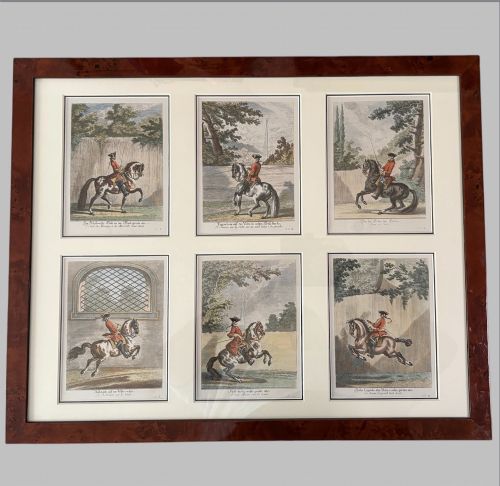
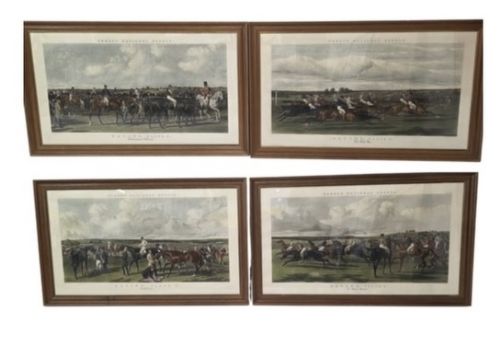
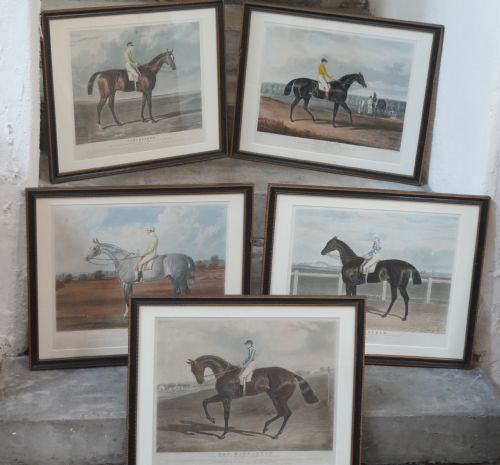
An equestrian engravings set comprises multiple framed works focusing on horses, racing, hunting and sporting subjects across different historical periods.
Buyers browsing an equestrian engravings set will encounter Victorian and Georgian examples, ranging from French lithographs to English copperplate prints.
The configurations vary from pairs and sets of four to larger groups of five or six pieces, often preserved within period frames of wood or gilt.
Materials and technique
These works utilise traditional printmaking techniques on paper, employing ink and hand applied watercolour to bring detail and colour to the printed lines.
Frames are constructed from wood, including burr wood veneer and gilt wood, often protected by glass to preserve the paper underneath.
Equestrian Engravings Set Retail Price Guide 2026
Typical asking prices for equestrian engravings set among the pieces listed under this phrase on Sellingantiques today, from the lower quarter to the upper quarter. They describe what is for sale here now, not the wider market.
Current listings span the eighteenth and nineteenth centuries, featuring British and French works in paper, ink, watercolour and burr wood veneer.
Assessing quality
Quality rests in the crispness of the impression, the skill of the original hand colouring, and the integrity of the paper over centuries.
Matched sets housed in their original period frames command greater interest than assembled groups placed in modern surrounds.
Ridinger·Alken·Victor Adam·Charles Hunt·Francis Calcroft Turner·J F Herring
The Equestrian Engravings Set Glossary
- Engraving
- A print made by cutting a design into a metal plate, usually copper, which holds ink for pressing onto paper. This technique allows for exceptionally fine lines and detail.
- Lithograph
- A planographic printing process using a stone or metal plate on which the image area retains ink. It became popular in the nineteenth century for multicoloured prints.
- Hand coloured
- A print finished with watercolour or other pigments applied by brush after the initial impression. This adds individual character and tone to each sheet.
- Gilt wood
- Wood coated with a thin layer of gold leaf or metallic paint. It creates a bright, reflective border suited to traditional framing.
Equestrian Engravings Set: Frequently Asked Questions
How should I hang framed prints?
Keep prints away from direct sunlight to prevent the ink and watercolour from fading over time.
Hang them at eye level in rooms with stable humidity to protect the paper and wooden frames.
Are these prints originals?
The listings include period printings from the eighteenth and nineteenth centuries rather than modern reproductions.
Each set reflects the printing technology and artistic styles of its specific era.
Why do some sets include hand colouring?
Publishers often employed artists to add watercolour highlights by hand to make the black and white impressions more visually striking.
This extra step creates subtle variations between sheets within the same set.
What framing materials are used?
Period frames frequently utilise timber constructions such as burr wood veneer or gilded mouldings.
These surrounds are designed to complement the tone and subject matter of the artwork.