

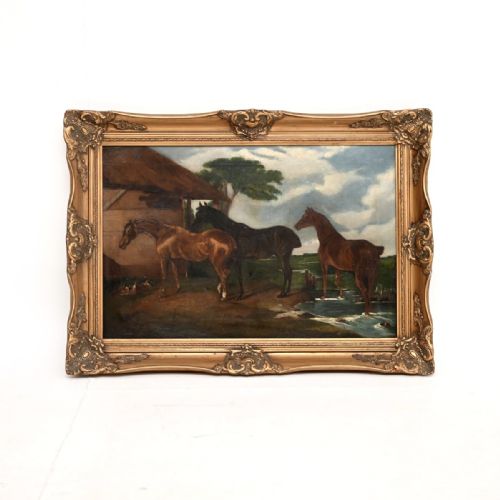


18th Century Equestrian Art
18th century equestrian art captures horses, riders and military scenes in oil, engraving and drawing, bringing historic action and portraiture directly into a room.
18th Century Equestrian Art
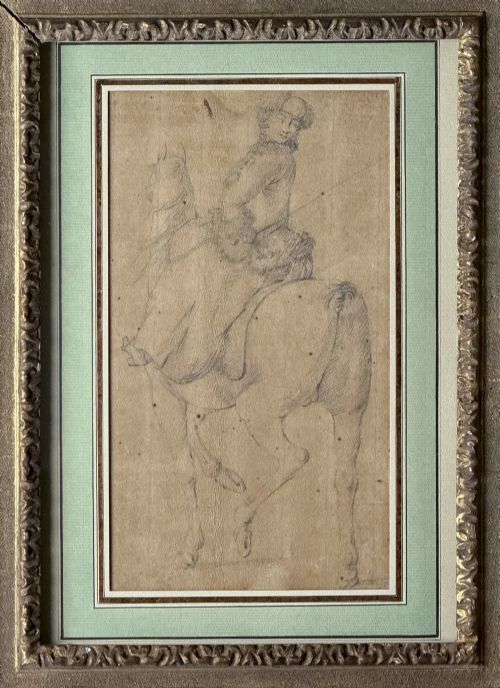
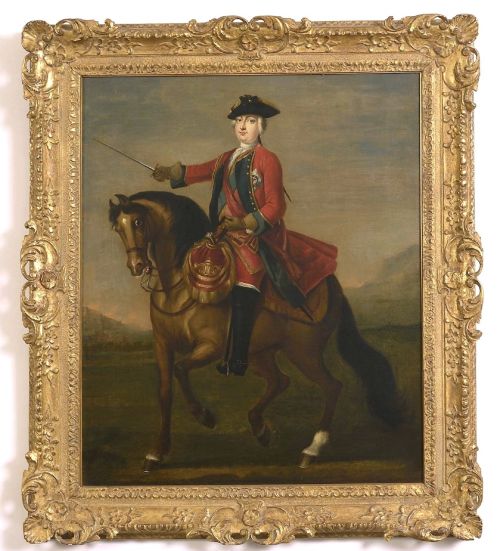
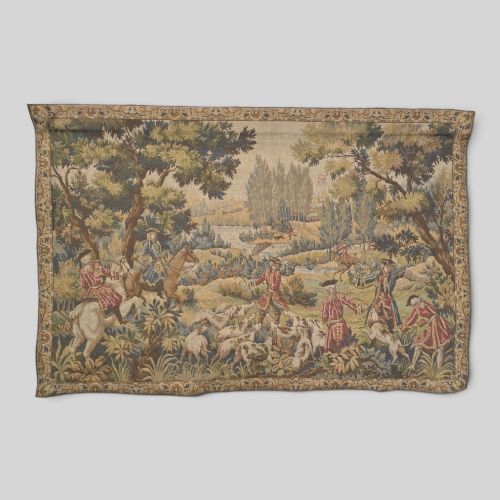
When you search for 18th century equestrian art, you find oil paintings, framed prints, drawings and tapestries depicting horses, riders, cavalry skirmishes and hunting scenes. The pieces on this page span the Georgian period, the eighteenth century and Northern European schools, alongside later interpretations.
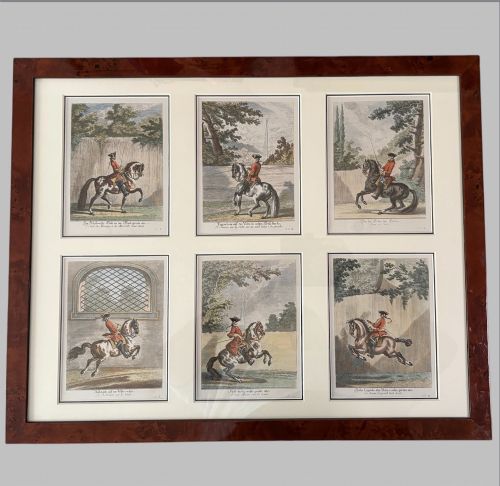
The version you are most likely to meet here is an eighteenth-century oil painting on canvas or panel, or a hand-coloured copper engraving from the Georgian era. These works range from intimate portraits of named racehorses and military officers to spirited cavalry scenes.
Subjects vary from specific historical figures and famous racehorses like Creeping Molly to anonymous riders, grooms and rural carriage parties. Some pieces originate from Italian or Northern European workshops, whilst others show distinct French Rococo or classical influences.
Materials and techniques
Artists painted oil on canvas, wood and pine panel, employing rich pigments to render horse flesh, uniforms and landscapes. Drawings on paper use ink and fine lines to capture the swift movement of horses and riders.
Printmakers utilised copper plates to produce detailed engravings, sometimes finished with hand-coloured washes. Frames of gilt wood and carved wood often house these works, complementing the visual weight of the art.
18th Century Equestrian Art Retail Price Guide 2026
Typical asking prices for 18th century equestrian art among the pieces listed under this phrase on Sellingantiques today, from the lower quarter to the upper quarter. They describe what is for sale here now, not the wider market.
Listings feature works in oil, ink, and watercolour on paper, canvas, and pine panel, alongside carved wood and tapestries.
Evaluating quality and execution
Quality rests upon the artist's command of anatomy, perspective and movement, separating stiff, formulaic representations from works with convincing energy and precise equine proportion. The handling of light and shadow across the horse's musculature and the rider's attire dictates the visual depth of an oil painting.
In engravings, the crispness of the line and the subtlety of any hand-colouring determine the standard of the piece. The preservation of the original paper, canvas or pine panel, along with period framing, influences the overall integrity of the surviving work.
John Wootton·Thomas Hudson·George Morland·William Williams·Johan Noah Bemmel
The 18th Century Equestrian Art Glossary
- Copper engraving
- An intaglio printmaking process where an artist cuts lines into a copper plate with a burin. Ink is pushed into these grooves and transferred under pressure to paper.
- Oil on pine panel
- A painting executed on a prepared board of pine wood rather than woven canvas. This surface offers a rigid ground popular in certain regional European traditions.
- Mezzotint
- A printmaking method where the copper plate is roughened uniformly to produce rich dark tones and smooth gradations of light. It allows for tonal depth rather than relying solely on lines.
- Tapestry
- A form of textile art woven by hand on a loom, depicting pictorial scenes with dyed threads. These heavy wall hangings often feature historic hunting or landscape compositions.
18th Century Equestrian Art: Frequently Asked Questions
How do I identify an 18th century equestrian painting?
Look closely at the canvas or panel material, the pigments used, and the style of dress and horse tack depicted. Eighteenth-century works often show specific Georgian or classical portrait conventions that differ from later Victorian interpretations.
Examine the back of the panel or stretcher frames for age-related wear, old inscriptions, or remnants of historic labels. Comparing the handling of anatomy and landscape with known period examples helps confirm the era.
What is the difference between an engraving and an oil painting?
An oil painting is a unique, hand-painted artwork created with pigment suspended in oil on canvas, wood or panel. It shows distinct brushwork and layered colour.
An engraving is a printed multiple produced by carving an image into a copper plate and transferring it to paper. Many period engravings were subsequently finished with hand-applied watercolours.
Where were these artworks displayed originally?
These pieces hung in country houses, libraries, and estate reception rooms of Georgian landowners and military officers. They celebrated prized possessions like racehorses, military achievements, and the pleasures of the hunt.
Today, they suit studies, living rooms or hallways, pairing well with traditional interiors and period wood panelling. Their historical subjects provide a direct link to eighteenth-century sporting and military culture.
How should I care for antique prints and oil paintings?
Keep framed works away from direct sunlight and damp conditions to prevent fading of ink and paper or cracking of oil paint and wood panels. Maintain a stable room temperature to protect organic materials.
Dust frames and glass gently with a dry, soft cloth, avoiding chemical cleaners. If an oil painting requires cleaning or canvas repair, consult a professional conservator.