
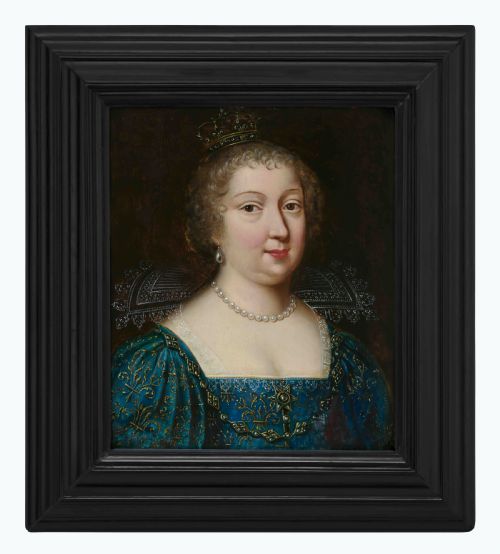


French Baroque Painting
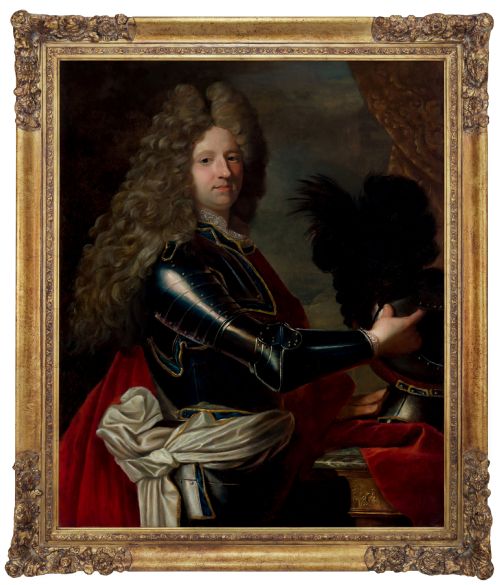
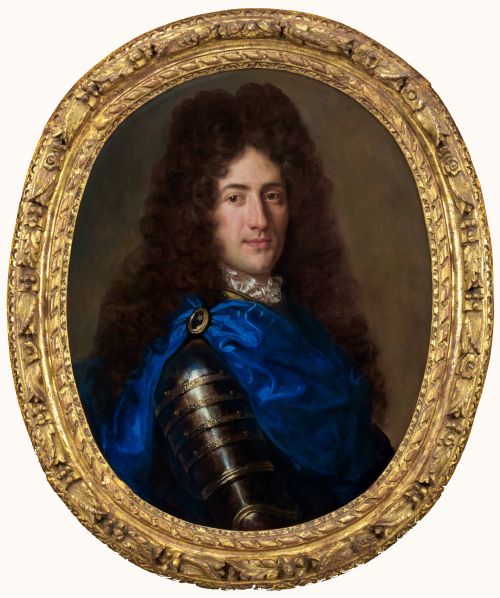
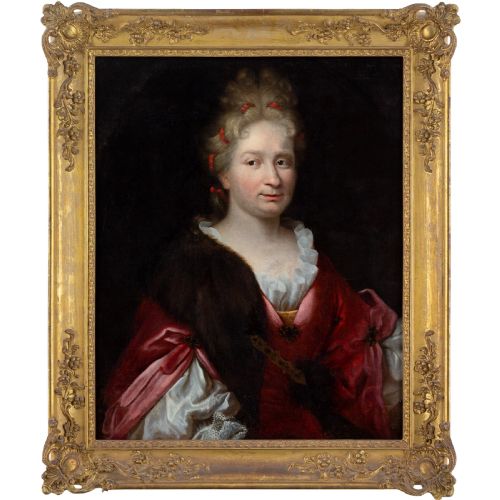
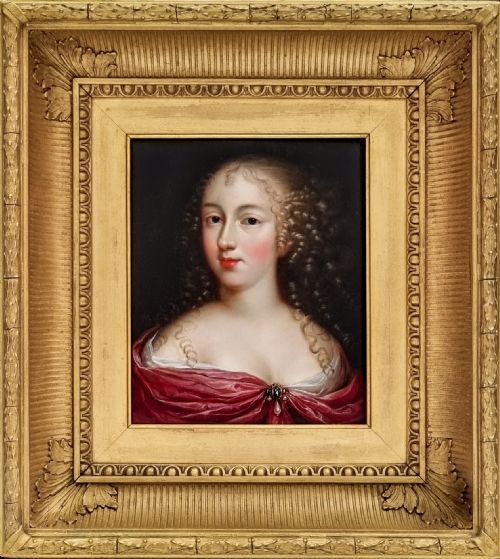
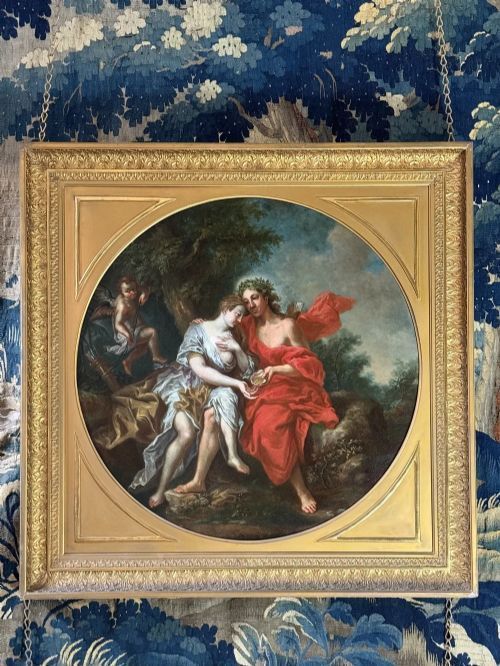
When you handle french baroque painting, you encounter substantial oil on canvas portraits and mythological scenes that bring grand seventeenth and eighteenth-century interiors to life.
French Baroque Painting
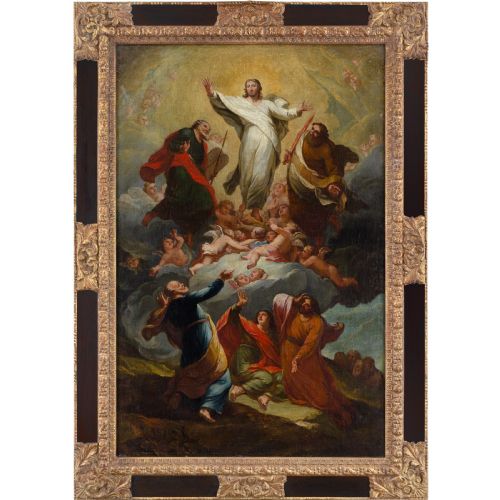
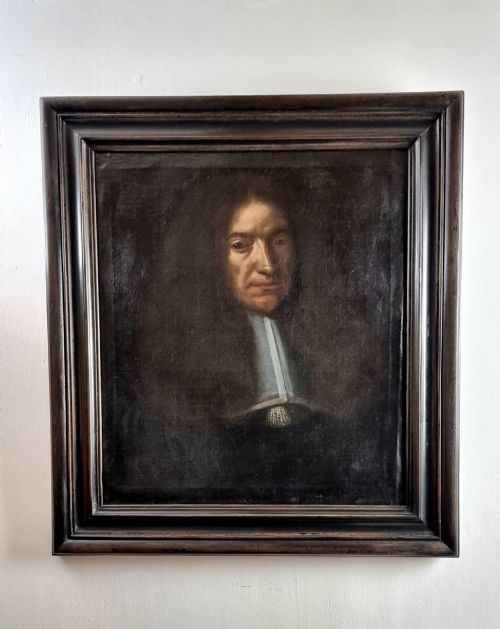
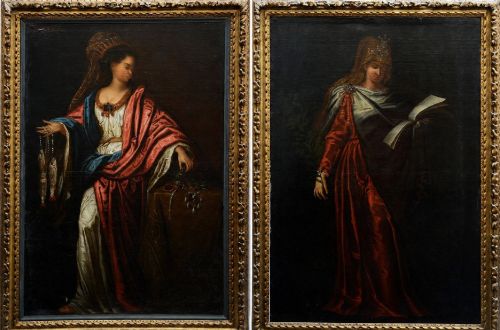
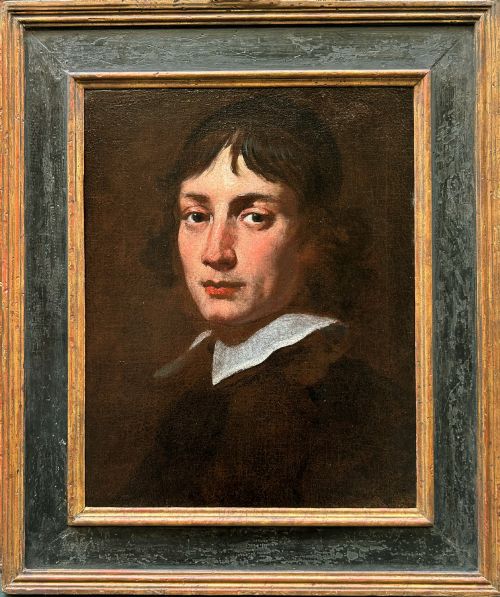
When you search for french baroque painting, you examine oil on canvas artworks, oil on panel pieces, and related decorative items that reflect seventeenth and eighteenth-century aesthetics. The works appearing on this page span the seventeenth, eighteenth, and nineteenth centuries, featuring portraits of judges, nobility, and classical mythological compositions.
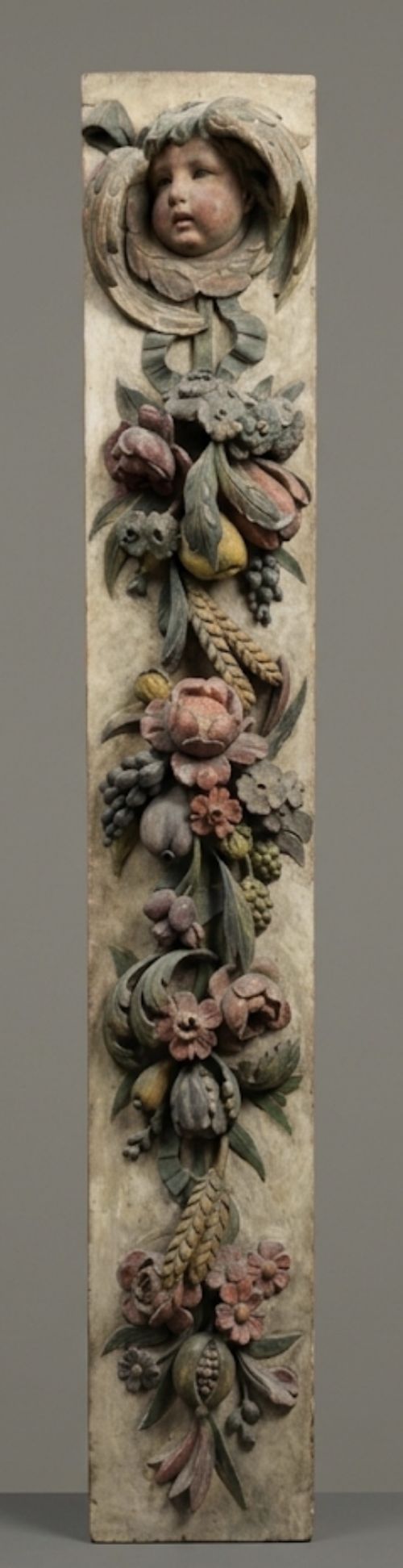
Beyond direct oil paintings on canvas or panel, related works emerge through oil paint mediums, carved wooden polychrome panels, and Limoges enamel plaques. These pieces capture the portraiture and religious or classical narrative styles associated with the French school and surrounding European influences of the period.
How They Were Made
Painters utilised oil paint applied to prepared canvas or wooden panels, building rich pigment layers to achieve depth in drapery, armour, and flesh tones. Gesso served as a foundational ground for panels and frames, smoothing the wooden surface before the artist laid down pigments.
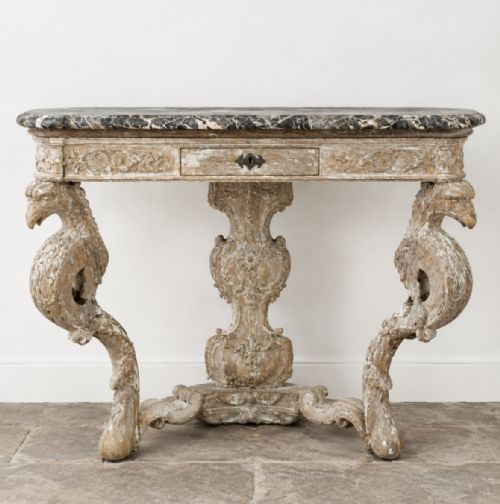
Giltwood and brass hardware frequently complement these works through contemporary or period frames, wall sconces, and carved wooden structural elements like console tables. Artisans carved wooden panels and frames by hand, finishing them with polychrome or gilt details to house the primary canvases.
Listings include oil on canvas, wood panels, gesso, giltwood, and brass across seventeenth and eighteenth-century French and Georgian periods.
What Varies in Quality
The precision of brushwork and the anatomical confidence in portraiture distinguish studio output from follower and circle pieces. Hand-carved details in wooden frames and panels show varying depths of relief and crispness of edge.
The preservation of the original oil paint layer and the integrity of the wood or canvas support dictate the physical condition and visual impact of each artwork.
Pierre Mignard·Charles-Antoine Coypel·Guillaume Courtois·Joseph Vivienne·Henri and Charles Beaubrun·Nicolas Fouché·Hyacinthe Rigaud·Nicolas De Largillière·Pierre Gobert·Louis De Silvestre·Jean-Baptiste Santerre
The French Baroque Painting Glossary
- Oil on Canvas
- Pigment mixed with drying oil applied to a stretched woven fabric support. This method allowed artists to create expansive compositions with subtle tonal gradations.
- Panel Painting
- An artwork executed on a flat piece of wood rather than stretched fabric. These supports offer a rigid base favoured in earlier portraiture.
- Gesso
- A plaster mixture consisting of a binder mixed with chalk, gypsum, or pigment. It prepared wooden panels and frames for painting or gilding.
- Giltwood
- Wood that has been treated with a thin layer of gold leaf or powder. It provides a reflective, ornate border for mirrors and paintings.
- French School
- A collective term for artists trained or working within French artistic traditions. It links diverse hands under shared regional stylistic approaches.
French Baroque Painting: Frequently Asked Questions
What subjects appear in french baroque painting?
Portraits of nobility, judges, and children dominate the canvases, alongside classical mythological scenes involving figures like Apollo, Daphne, and Venus.
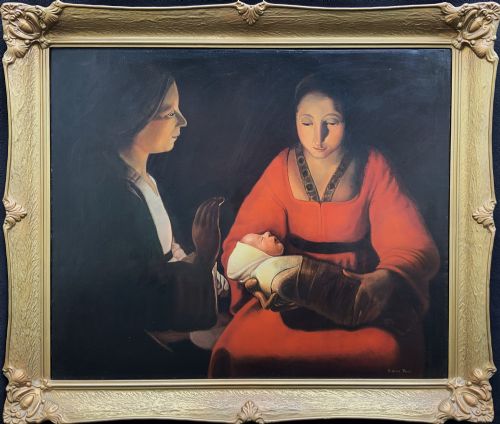
Religious compositions depicting the Virgin and Child or ex-voto subjects also feature prominently among these historical works.
How do I hang a heavy oil painting?
Ensure your wall fixings anchor directly into solid masonry or substantial wooden studs behind plasterboard to support the weight of the canvas and its frame.
Utilise picture wire or heavy-duty D-rings rated well above the combined mass of the painting and its wooden or gilt frame.
Are these works cleaned or restored?
Historical oil paintings often undergo conservation treatments over centuries to stabilise flaking paint or remove darkened varnish layers.
Examination under specific lighting reveals the extent of past touch-ups or relining on the original canvas support.
How do I identify a circle or follower attribution?
Attributions such as circle or follower indicate an artist working closely in the manner or studio of a master rather than the master himself.
These pieces share stylistic traits, handling of paint, and composition with documented works by the named painter.