



Dutch School Portrait
When you search for a dutch school portrait, you enter a tradition of character and poise preserved in oil and wood.
Dutch School Portrait
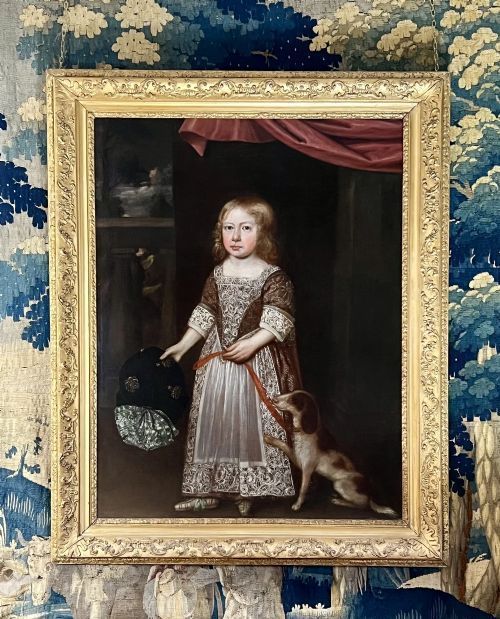
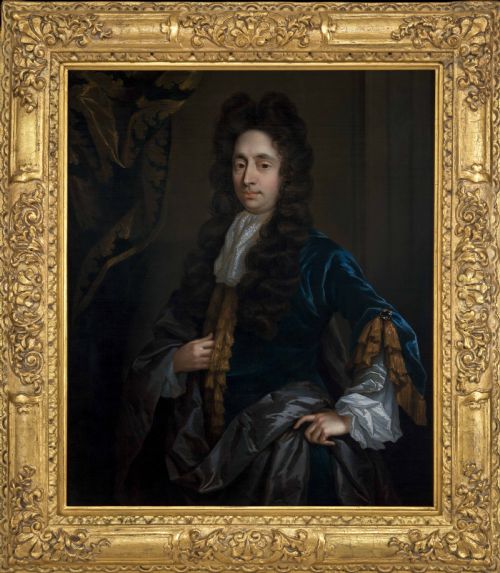
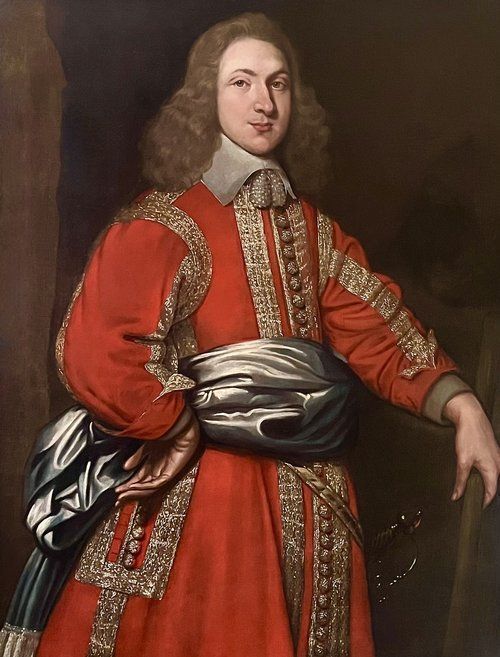
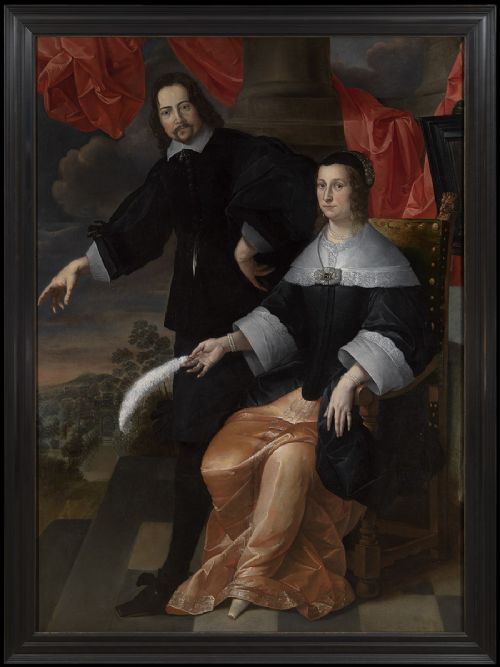
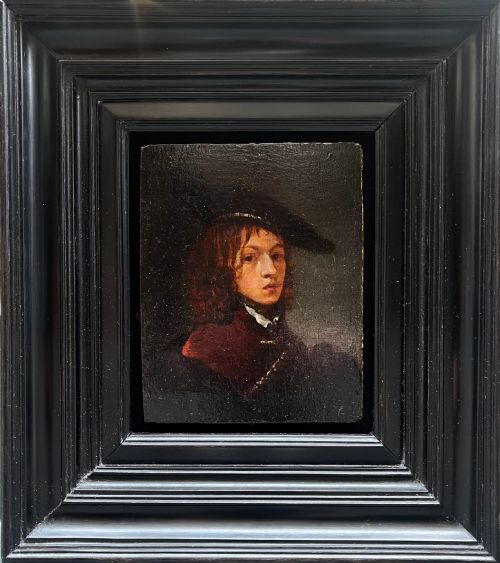
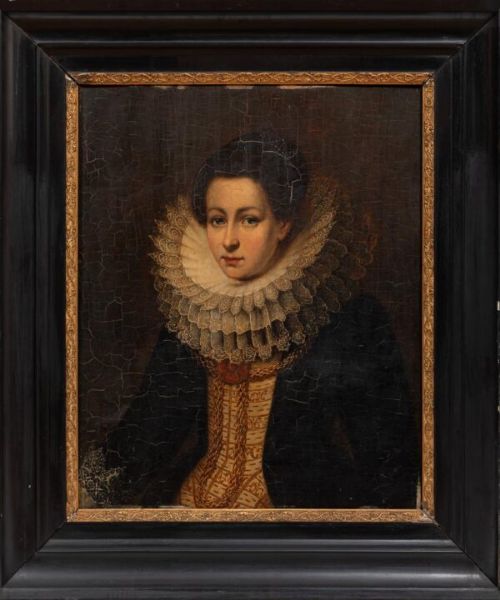
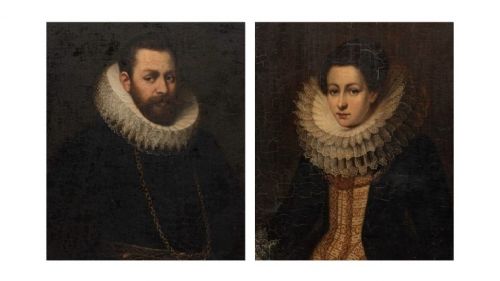
A dutch school portrait captures individuals from nobility, military service and civic life, rendered with the precise observation characteristic of Northern European workshops. These works record sitters ranging from young girls and musicians to naval officers and patricians, often framed by elaborate ruff collars or period attire.
The versions most commonly encountered on this page span the seventeenth century through to later nineteenth-century interpretations and revivals. Paintings appear on wooden panels, canvas and board, reflecting both original period production and later reverence for Golden Age aesthetics.
How They Were Made
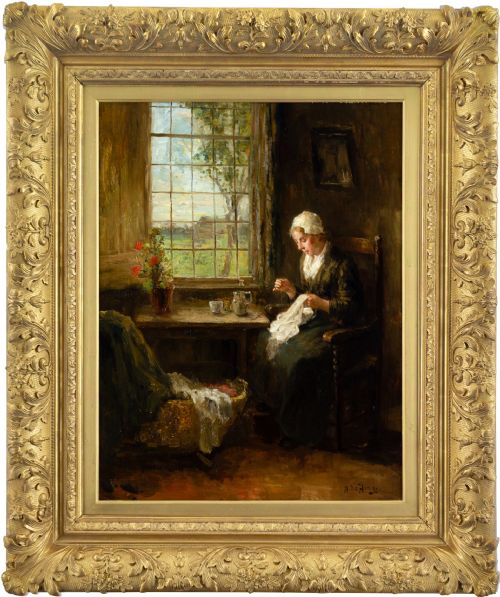
These works rely on oil paint applied to prepared canvas, wooden panel or board, capturing deep shadows and subtle skin tones through layered glazes. Many examples retain their original gilt wood or heavy oak frames, which contribute structurally and aesthetically to the presentation of the artwork.
Techniques range from direct studio output to meticulous copies after masters like Rembrandt or Cornelis van der Voort. Painters utilised panel supports in earlier pieces and canvas in later iterations, aligning with the material availability of their respective periods.
Several portraits feature sitters who appear remarkably stern, as though posing while trying very hard not to sneeze.
What Varies in Quality
The integrity of the ground support and the preservation of the original paint layer also distinguish finer examples. Superior pieces maintain their tonal depth without excessive modern overpainting, allowing the atmosphere of the sitter's era to endure.
Bernard De Hoog·David Teniers The Younger·Wybrand de Geest·Nicolaes Maes·Frans van der Mijn
The Dutch School Portrait Glossary
- Ruff collar
- A stiffened, pleated linen neck accessory popular in elite fashion during the late sixteenth and seventeenth centuries. Its intricate folds demand high skill from portrait painters.
- Panel painting
- An artwork executed on a flat piece of wood rather than stretched fabric. This rigid support is typical of earlier Northern European works.
- Giltwood
- Wood carved and coated with a thin layer of gold leaf or metallic powder. Frames made this way often accompany significant period oils.
- Manner of
- A term indicating that an artist painted closely in the style of a recognised master without producing a direct copy. It reflects the pervasive influence of major workshops.
- Golden Age
- A historical period of preeminent artistic output in the Netherlands during the seventeenth century. Works from this era set the standard for subsequent portraiture.
Dutch School Portrait: Frequently Asked Questions
How do I identify a seventeenth-century piece?
Look for specific markers such as wooden panel supports, earth-heavy pigments, and sitters wearing authentic period garments like ruff collars or military doublets. The treatment of light and shadow often follows the chiaroscuro methods established during the Golden Age.
Compare the signature style and handling of textiles with documented works from Northern European workshops of that era. Documentation, provenance and framing can also offer reliable clues to a painting's true age.
What is the difference between original and after works?
An original portrait was painted directly from a living sitter by the artist or workshop during the period. Paintings marked as after a specific master are subsequent reinterpretations or records of known compositions.
Both categories hold distinct places in collecting, as skilled later tributes often demonstrate exceptional technical merit. Examining the paint age and canvas preparation helps clarify the distinction between primary output and later homage.
How should I care for an oil on wood panel?
Keep panel paintings away from direct heat sources and dramatic fluctuations in humidity to prevent the wood from warping or splitting. Stable indoor environments preserve both the structural integrity of the timber and the stability of the paint layer.
Dust the surface gently with a soft, dry brush and avoid using liquid cleaners or modern solvents. Professional conservation is recommended if structural consolidation becomes necessary.
Why do some listings mention the circle of an artist?
The term indicates that a painter worked in close association with a master, sharing studio practices and stylistic approaches without being the master himself. These works frequently match the high technical standards of the primary workshop.
Such attribution acknowledges the collaborative nature of historic art production, where assistants and pupils contributed significantly to output. It provides a credible contextual link to prominent artistic figures.