
Antique Portrait on Panel
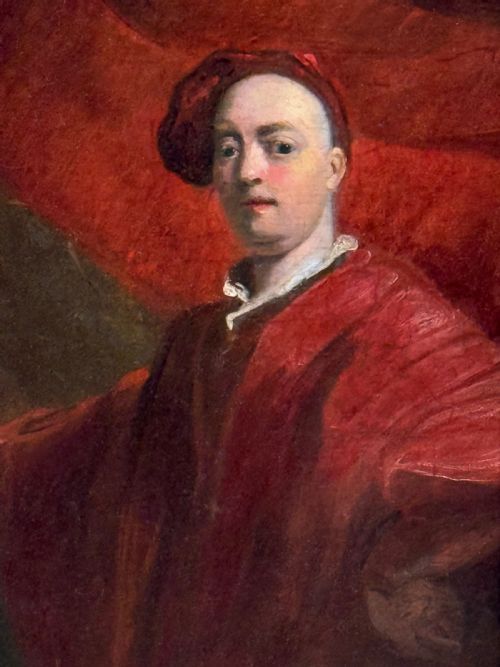
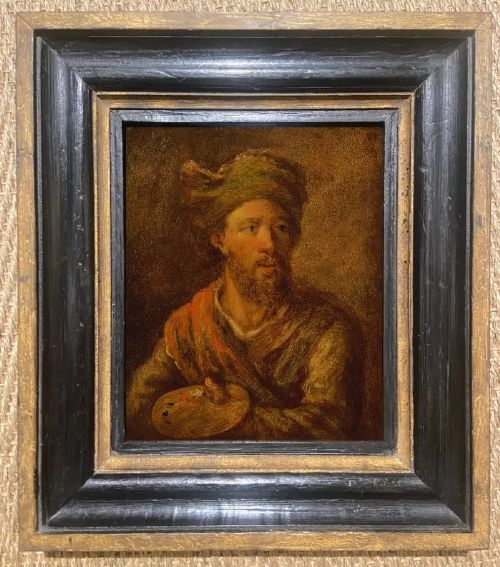
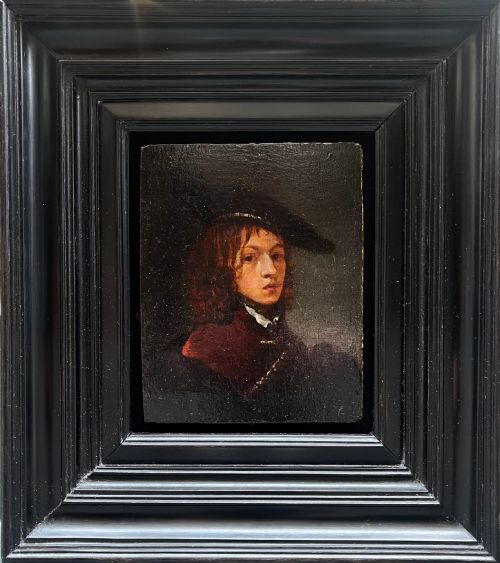
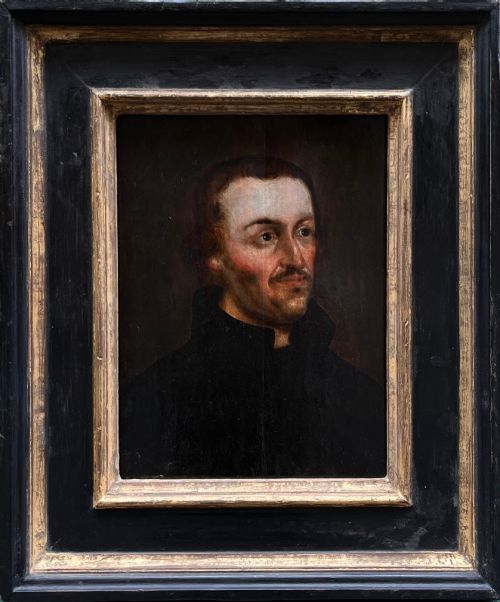
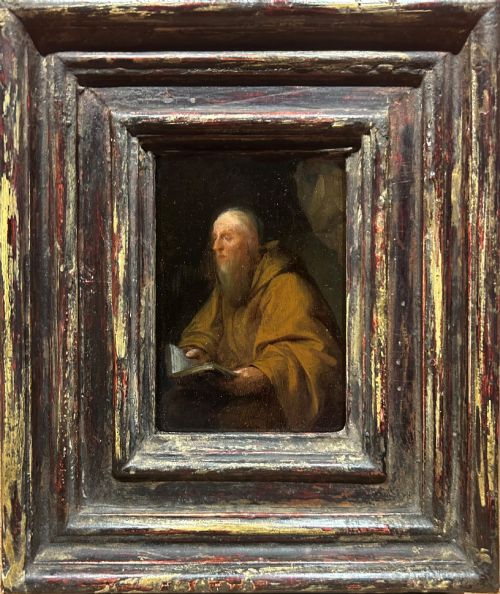
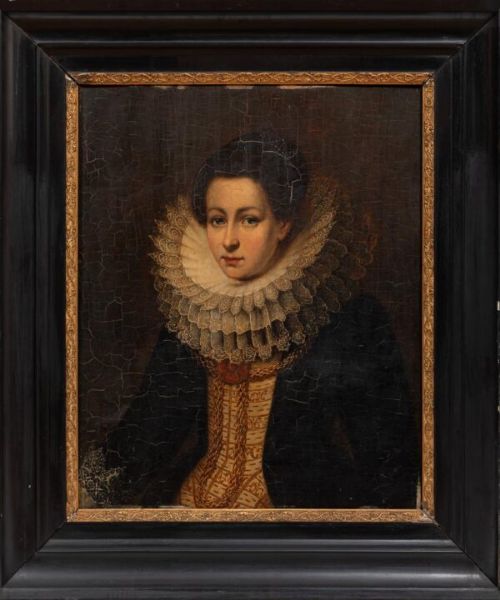
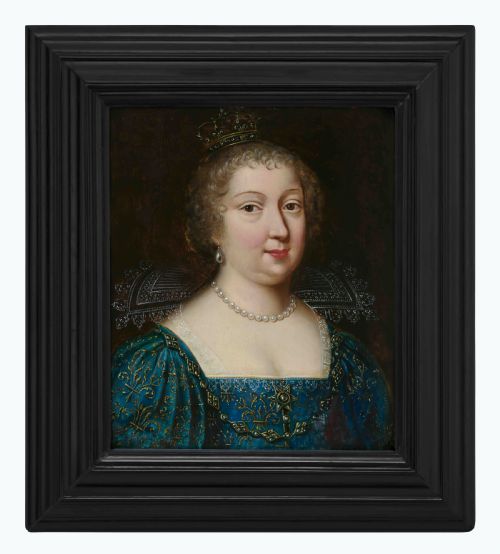
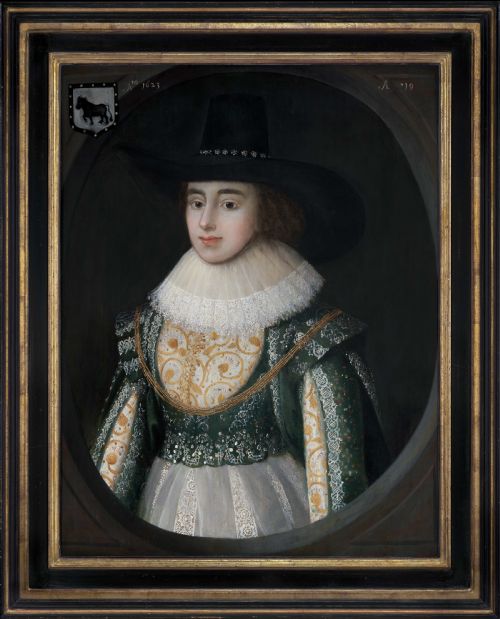
When you search for an antique portrait on panel, you are looking at historical oil paintings and likenesses created on rigid wooden supports rather than stretched fabric.
Antique Portrait on Panel
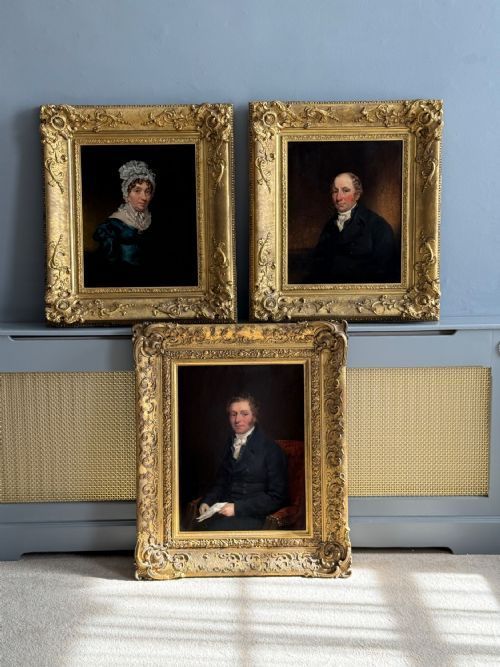
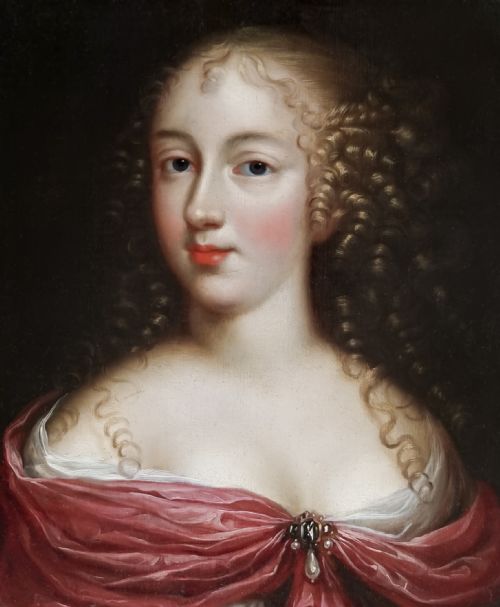
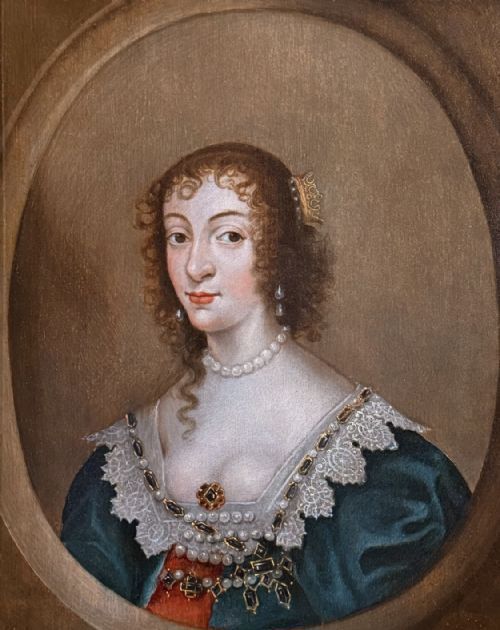
An antique portrait on panel brings centuries-old faces into modern spaces, capturing sitters from the seventeenth, eighteenth, and nineteenth centuries in durable media. Buyers encounter everything from formal aristocratic likenesses by continental schools to naive depictions of local gentlemen and ladies.
The format ranges from small cabinet works designed for intimate viewing to larger framed gallery pieces intended to dominate a wall. Many survivors present sitters in elaborate ruffs, dark doublets, or period gowns, often accompanied by original giltwood frames that complete the composition.
How they were made
Painters used prepared wooden supports, frequently oak, pine, or exotic hardwoods, which provided a stable ground for detailed brushwork and layered oil glazes. The wood was often planed and primed with a gesso ground before the artist applied oil paint.
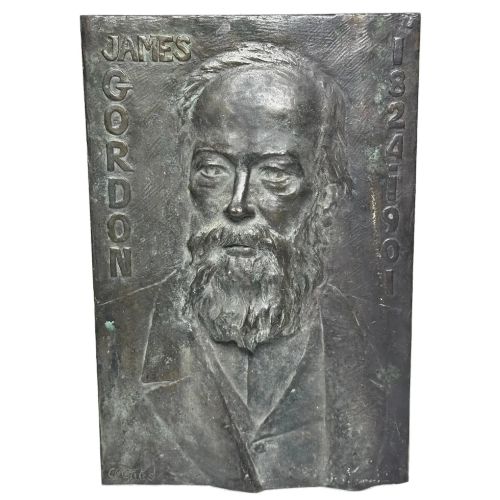
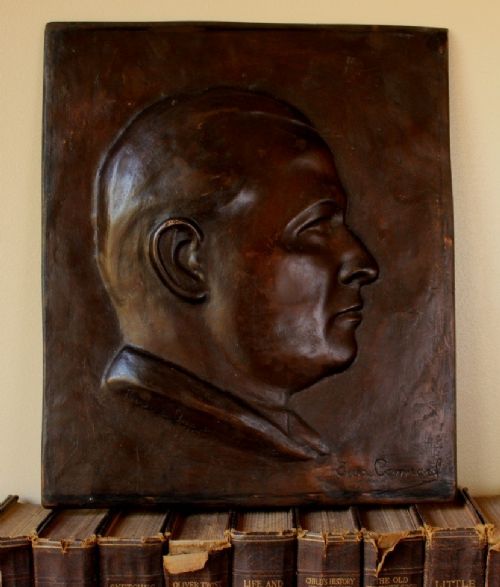
Makers occasionally worked on metal panels or utilised canvas attached to wood to achieve specific surface textures. Gilders encased the finished works in carved wood and gilt frames, protecting the edges of the panel and enhancing the visual weight of the portrait.
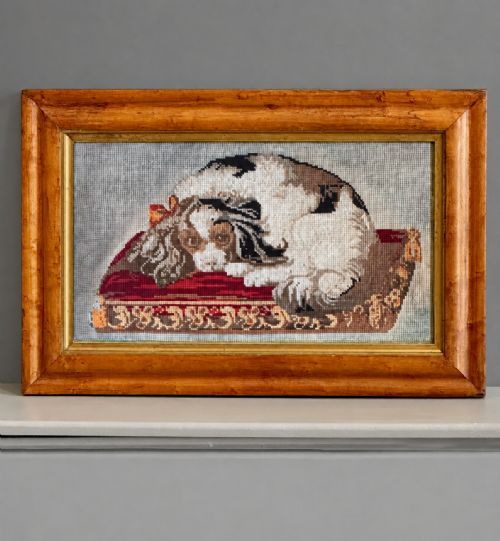
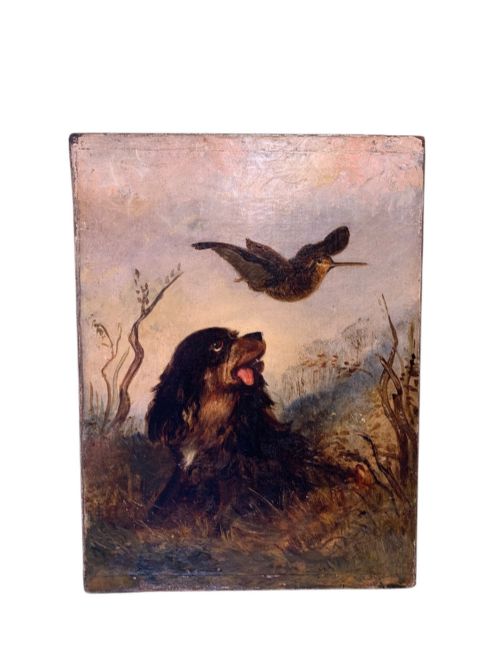
Several portraits preserve the intense gazes of stern noblemen alongside household pets peering out from the same wooden boards.
What varies in quality
The fidelity of the facial rendering and the psychological depth of the sitter separate accomplished studio works from hurried provincial copies. Master hands managed light across skin and fabric with subtle gradations, whereas lesser works rely on stiff outlines and flat planes.
The preservation of the wooden support itself dictates the structural integrity of the piece, as unmitigated warping or historical splitting impacts the paint layer. Original framing matching the period of the work elevates the overall coherence of the object.
Joseph Clover·Pierre Mignard·Van Dyck·Cornelius Johnson·William Williams
The Antique Portrait on Panel Glossary
- Panel
- A rigid flat support made of wood, metal, or composite materials used instead of stretched canvas for painting. Oak and pine were frequent choices for early European works.
- Giltwood
- Carved wood coated with gold leaf or gold paint to create a reflective, decorative surface. These frames often survived alongside the panels they enclose.
- School
- A designation for a group of artists working in a particular region, period, or under the direct influence of a master. It denotes stylistic lineage rather than a specific academy.
- Ground
- The preparatory layer applied to a wooden panel or canvas before painting begins. It creates a smooth, non-porous surface for oil pigments.
- Glaze
- A thin, transparent or semi-transparent layer of oil paint that modifies the appearance of the underlying layers. Masters used multiple glazes to achieve luminous skin tones.
Antique Portrait on Panel: Frequently Asked Questions
How do I care for a wood panel painting?
Keep the panel away from direct heat sources and rapid humidity shifts to prevent the wood from expanding or splitting. Stable room conditions protect both the rigid support and the delicate oil layers from cracking.
Dust the surface gently with a soft, dry brush and avoid applying liquid cleaners or modern polishes. If the paint layer shows signs of lifting or flaking, consult a professional conservator immediately.
Are all panel portraits painted on oak?
While oak was the predominant wood used by seventeenth-century British and Dutch makers, other timbers appear frequently in the record. Painters also utilised pine, exotic hardwoods, and occasionally copper or zinc panels.
The choice of support often relates to the geographic origin and period of the workshop. Examining the reverse of the panel usually reveals grain patterns and tool marks that identify the material.
How can I tell a seventeenth-century panel from a later copy?
Early panels display distinct ageing characteristics on the reverse, including tool marks from adzes or pit saws, shrinkage along the grain, and oxidation of the wood. Pigment analysis and the style of the costume offer further clues to the date of execution.
Later copies often attempt to mimic earlier surfaces through artificial distressing, which lacks the natural integration found in authentic historical pieces. Comparing the handling of paint and the preparation layers helps clarify the age of the work.
Why were artists painting on wood instead of canvas?
Wood panels provided an absolutely rigid and smooth foundation that allowed artists to execute extraordinarily fine detail and precise miniature work. Canvas was more portable and cheaper for large formats, but panels remained preferred for cabinet pictures.
The tradition of panel painting extended back through the Renaissance and medieval periods. Many makers continued the practice because patrons valued the durability and solid presence of a wooden support.