




British Victorian Artwork
British victorian artwork captures the domestic charm, rugged landscapes, and social history of the nineteenth century through oil and watercolour.
British Victorian Artwork
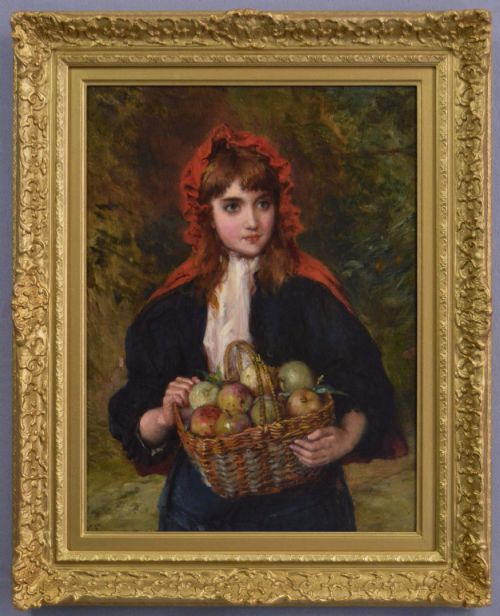
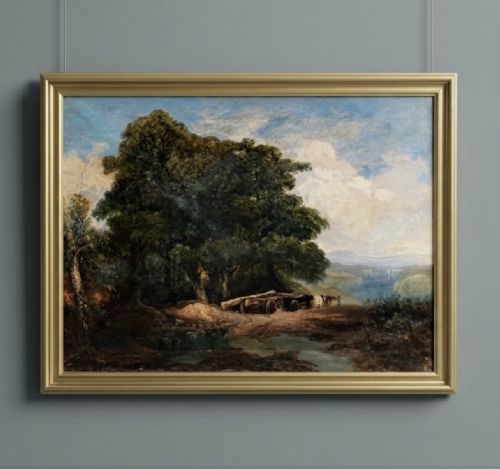
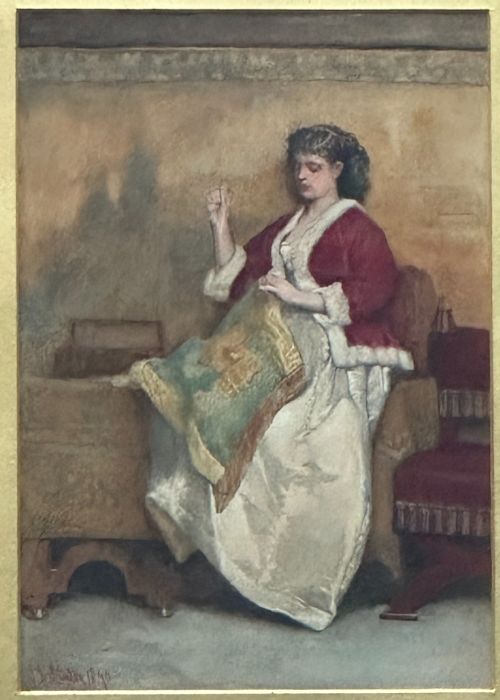
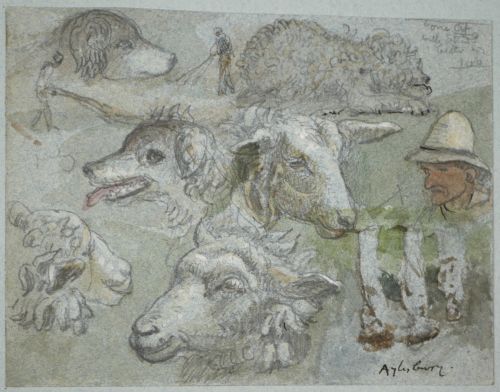
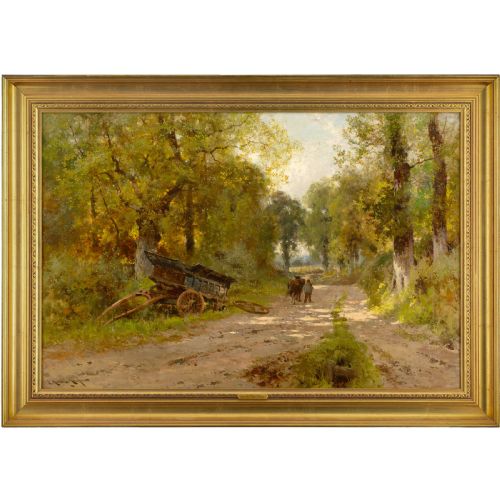
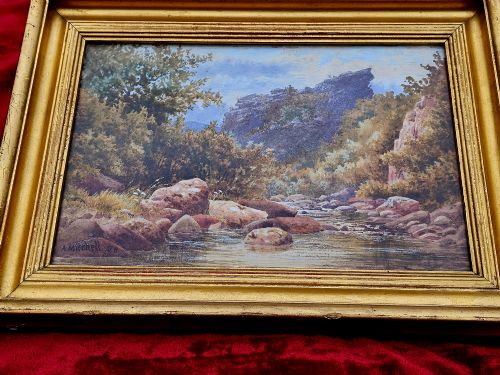
When you search for british victorian artwork, you encounter a diverse range of nineteenth-century paintings, watercolours, and drawings created across Britain. The selection spans pastoral landscapes, coastal scenes, animal portraits, and intimate genre interiors.
Most pieces you meet on this page originate from the Victorian era and the decades immediately following, reflecting the stylistic developments of British art between the mid-nineteenth century and the early twentieth century. These works capture the changing rural and domestic life of the period through the eyes of academic and regional painters.
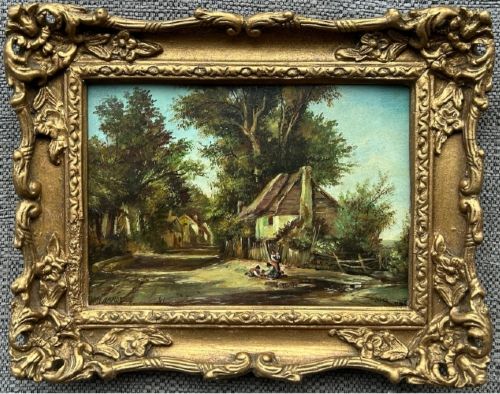
Framed artwork dominates the offerings, appearing in traditional oil on canvas, oil on panel, and delicate watercolours on paper. Each piece provides a direct window into the visual culture and artistic output of Britain during a time of immense industrial and social transformation.
Materials and Technique
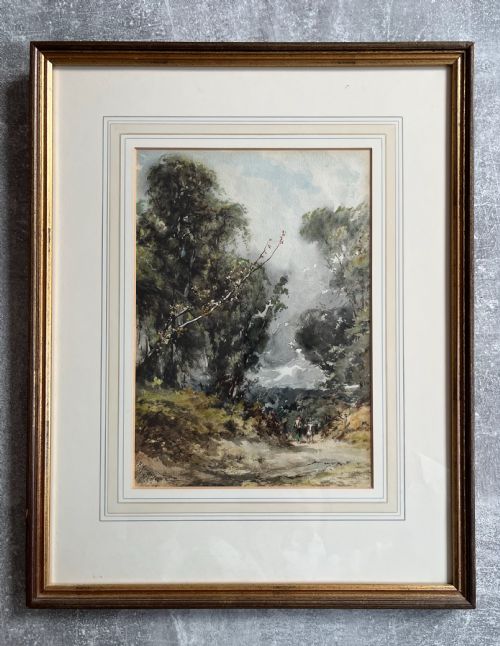
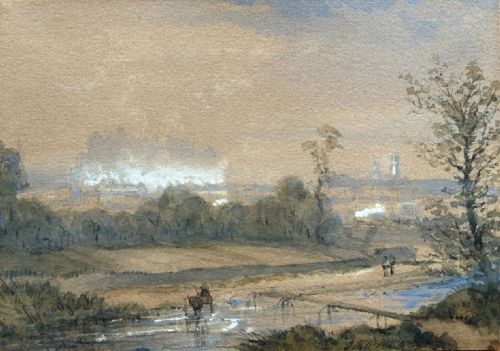
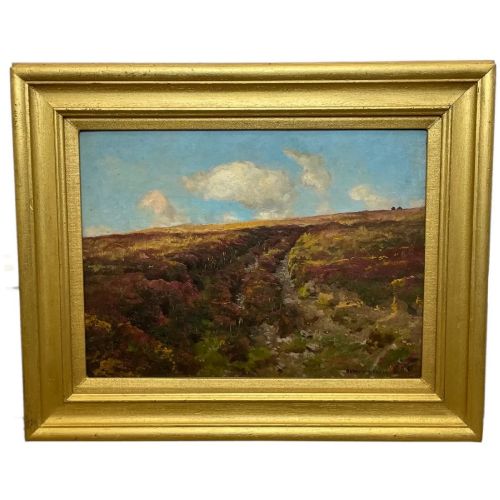
Artists of this period relied primarily on oil on canvas, oil on panel, and watercolour on paper, often housed within original giltwood frames. The application of pigment ranged from the heavy, textured impasto of large landscape and animal oils to the translucent washes characteristic of British watercolours.
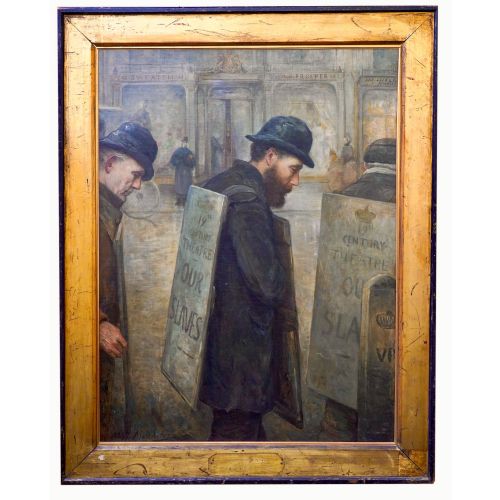
Support materials varied according to the scale and intention of the piece, with substantial canvases reserved for ambitious coastal views and social history scenes. Smaller works on paper or panel allowed painters to capture spontaneous outdoor sketches and detailed rural studies directly from nature.
British Victorian Artwork Retail Price Guide 2026
Typical asking prices for british victorian artwork among the pieces listed under this phrase on Sellingantiques today, from the lower quarter to the upper quarter. They describe what is for sale here now, not the wider market.
Keep an eye out for prized shorthorn bulls and racing pigeons immortalised by Victorian artists who took feathered and horned subjects just as seriously as human aristocracy.
Distinctions in Quality
The distinction between standard decorative pieces and superior examples rests in the confidence of the brushwork and the precision of compositional balance. Masterful handling of light, particularly in coastal seascapes and woodland interiors, elevates an ordinary scene into a compelling historical record.
Provenance and documentation further differentiate the works, as signed pieces with clear attribution to recognised Royal Academy or regional artists command deeper historical interest. The integrity of the original medium, combined with the harmonious preservation of the surface and frame, defines the upper tier of the range.
William Oliver·Richard Sebastian Bond·George Fotherly Hargitt·James Orrock·Felix Stone Moscheles·Sir James Dromgole Linton·John R Prentice·Valentine T Garland·Alfred Young Nutt·William Howard Hardy·Frederick Marriott·Arthur Wardle·James Smetham·John Horace Hooper·A Mitchell·John McDougal·Alfred Fontville de Breanski Jr·Oliver Clare·Edward Mills·William Banks Fortescue·Stephen Samuel Lewin·John Rose Miles·Thomas W Lascelles·Mark William Langlois·David Bates
The British Victorian Artwork Glossary
- Genre Painting
- Depiction of aspects of everyday life by depicting ordinary people engaged in common activities. These works offer valuable social history regarding Victorian domestic and working life.
- Impasto
- The process or technique of laying on paint or pigment so that it stands out in relief from a painting surface. This adds a tangible, three-dimensional texture to elements like foliage, water, or fabrics.
- Gilt Wood
- Wood that has been covered with a thin layer of gold leaf or gold paint. Frames utilising this finish were designed to catch the ambient light of nineteenth-century parlours and galleries.
- Watercolour
- Artists' paint made with a water-soluble binder and transparent pigments applied to paper. British artists elevated this medium into a major independent art form during the Victorian era.
- Social Realism
- An artistic movement that highlights the everyday conditions of the working classes and poor. Such paintings document contemporary social issues without idealising the subject matter.
British Victorian Artwork: Frequently Asked Questions
What subjects appear in these paintings?
The subjects range widely across British landscapes, coastal fishing ports, farm animals, and domestic interior scenes.
Artists frequently recorded rural traditions, sporting pursuits, and picturesque villages across England and Scotland during the nineteenth century.
How were these watercolours displayed?
Watercolours from this period were typically mounted behind glass within wooden frames to protect the delicate pigments on paper from moisture and light.
Victorian collectors often displayed them in parlours alongside larger oil paintings to create varied picture walls.
How do I identify a Victorian oil painting?
Victorian oil paintings are generally characterised by their traditional subject matter, historical clothing styles, and the specific composition of the pigments on canvas or panel.
Signatures, dates, and framing styles often provide additional context regarding the exact decade of creation.
Where were these artists active?
Many of these painters operated within British artistic institutions, exhibiting their works at prominent venues such as the Royal Academy.
Others travelled extensively through regional landscapes like the Thames Valley, the Lake District, and Cornish coastal towns to capture local scenery.