

Antique Watercolour Art
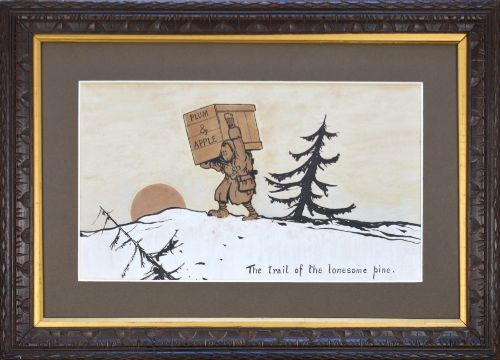
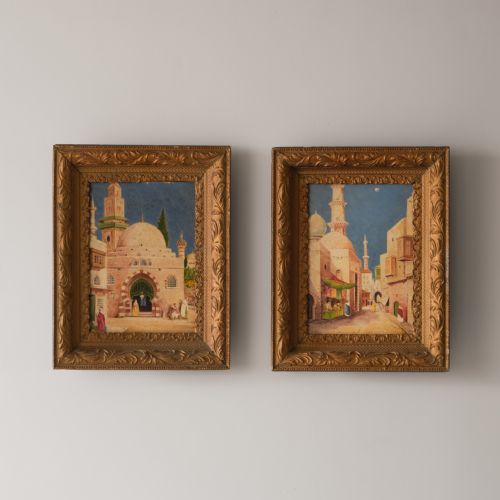
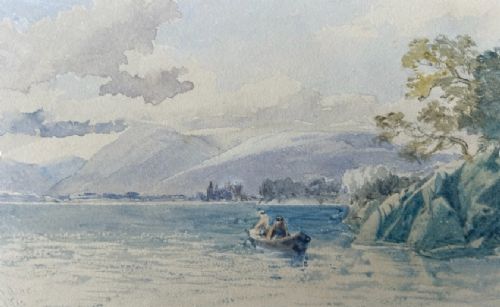
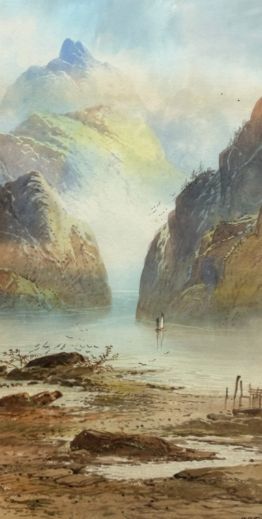
These antique watercolour art pieces capture delicate landscapes, portraits, and maritime scenes painted across the nineteenth and early twentieth centuries.
Antique Watercolour Art
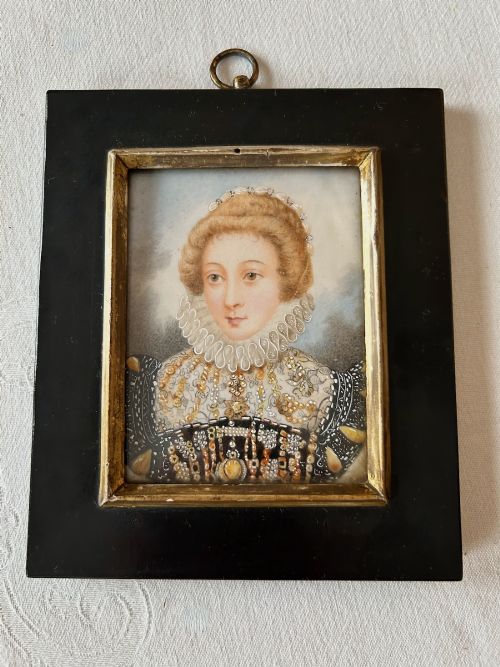
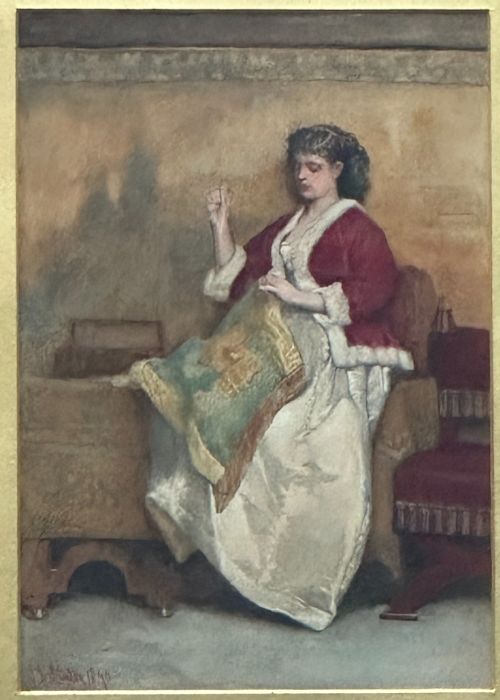
When searching for antique watercolour art, collectors encounter framed paintings, portrait miniatures, and pith paintings spanning the Regency, Victorian, and Edwardian periods.
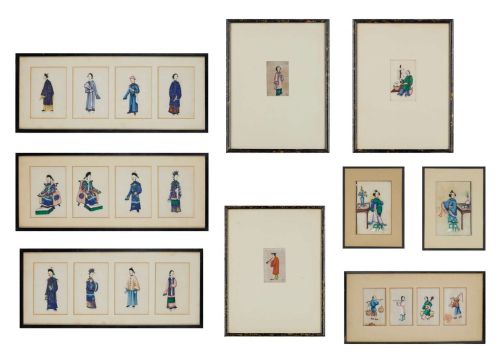
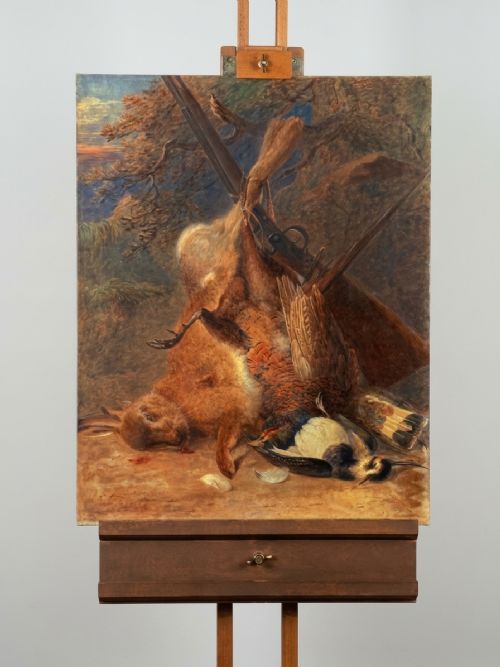
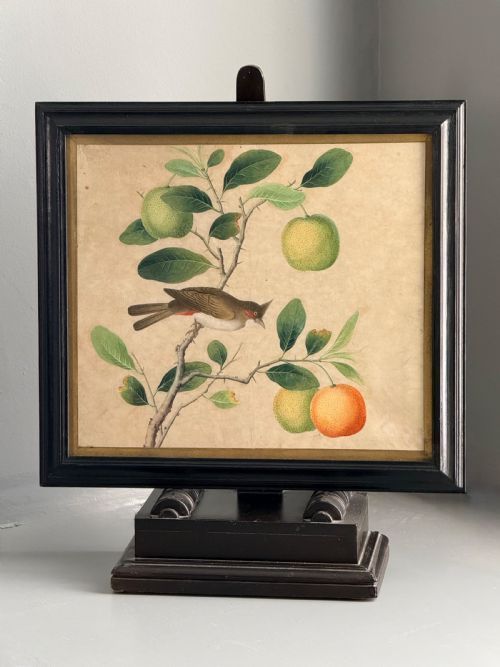
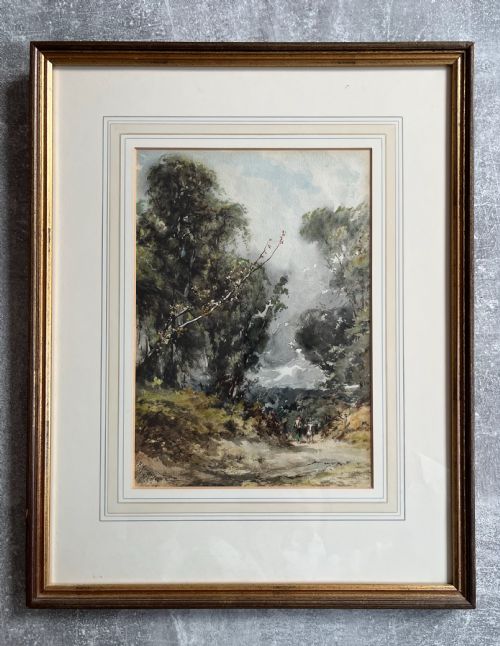
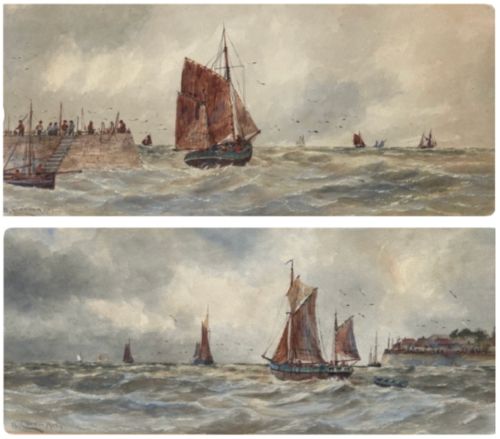
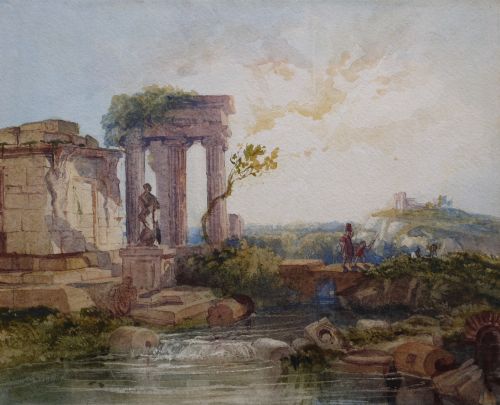
British landscapes, coastal fishing boat scenes, and detailed botanical studies form the core of the works available, alongside Chinese export paintings on pith paper.
Most examples originate from the nineteenth and early twentieth centuries, showcasing both professional academic artists and naïve practitioners of the era.
How They Were Made
Artists applied water-soluble pigments, bodycolour, and ink onto prepared paper or delicate pith paper using fine animal hair brushes.
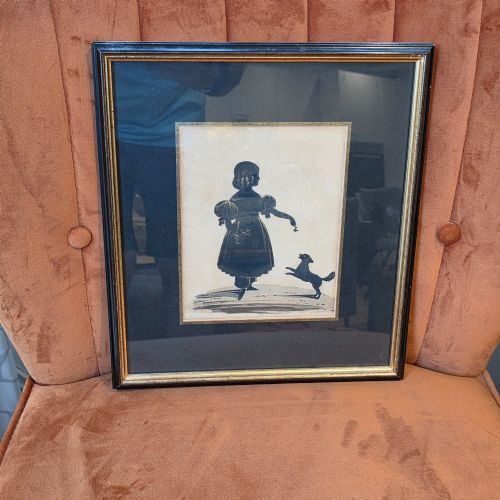
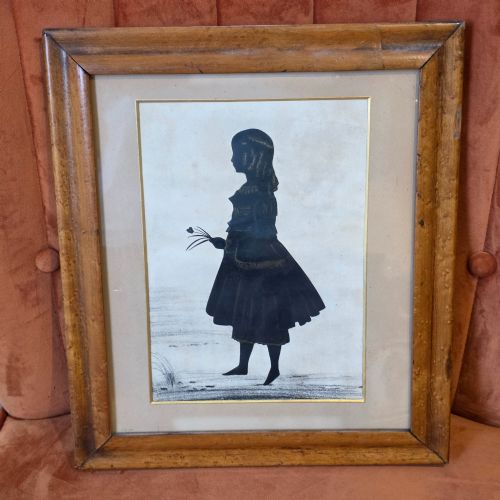
Many works incorporate cut-paper silhouettes mounted directly onto paper backgrounds, occasionally paired with delicate pencil underdrawings.
Finished paintings were commonly protected beneath glass and housed within gilt wood frames to preserve the fugitive pigments.
Antique Watercolour Art Retail Price Guide 2026
Typical asking prices for watercolour art among the pieces listed under this phrase on Sellingantiques today, from the lower quarter to the upper quarter. They describe what is for sale here now, not the wider market.
A proud kingfisher royal messenger pigeon shares gallery space with dignified Regency ladies and Victorian sailors.
What Varies In Quality
The precision of brushwork and the artist's command of light distinguish master works from routine topographical sketches.
Conservation state heavily influences standing, particularly where damp has caused foxing or sunlight has faded the delicate pigments.
Original period framing and documented attribution to listed Royal Academy painters elevate the desirability of individual sheets.
William James Hubard·George Sydney Shepherd·George Lorain Stampa·George Fotherly Hargitt·Thomas Miles Richardson Jnr·James Orrock·Henri Fradelle·William Henry Earp·William Cannon·Richard Principal Leitch·Sir James Dromgole Linton·John R Prentice·Thomas Ellison·Alfred Young Nutt·John Hassall·A. Mitchell·A. Marie Parsons·John McDougal·Thomas John Horsley·EJ Letheren·Charles Shirreff·James E Aitken·Charles Edward Dixon·John E Aitken·Richard Cosway
The Antique Watercolour Art Glossary
- Watercolour
- A painting method in which the paints are made of pigments suspended in a water-based solution. The paper surface often shows through the translucent washes.
- Gouache
- An opaque watercolour paint mixed with a white pigment to create a heavier, more solid layer of colour. It is frequently called bodycolour in nineteenth-century British works.
- Pith Paper
- A delicate material cut from the pith of the Tetrapanax papyrifer plant, commonly used in nineteenth-century Chinese export paintings. It has a velvet-like texture that absorbs watercolour brilliantly.
- Portrait Miniature
- A small, highly detailed painting, often executed on ivory, vellum, or card during the Georgian and Regency eras. These intimate works frequently depict family members or notable historical figures.
- Foxing
- Small brownish spots caused by chemical reactions in the paper over time, frequently encountered in antique paper works. Proper framing and dry storage help prevent further spotting.
Antique Watercolour Art: Frequently Asked Questions
How should I hang antique watercolours?
Watercolours are sensitive to bright light and damp conditions, so they require placement away from direct sunlight and humid rooms. Using UV-filtering glass provides an extra layer of protection against fading.
Ensure pieces are hung securely on interior walls where temperature fluctuations remain minimal to protect both the paper and the original frame.
What is the difference between watercolour and gouache?
Traditional watercolour relies on translucent washes where the white of the paper illuminates the pigments. Light passes through the layers to create a luminous effect.
Guocache, or bodycolour, introduces a white filler to make the paint opaque. This allows artists to paint highlights and solid areas of opaque colour.
Are pith paintings fragile?
Pith paper is naturally delicate and resembles dried plant sponge rather than standard wood pulp paper. It requires careful handling to avoid tears or surface abrasion.
These sheets are best preserved under glass with spacers that keep the surface from touching the glazing material.
How do I date an unsigned watercolour?
Dating relies heavily on the type of paper, watermark evidence, and framing style associated with the piece. Regency and Victorian sheets often exhibit distinct paper textures and handwriting on the reverse.
Subject matter, costume details in figures, and the specific palette utilised by the artist also offer clear chronological clues.