


Period Portrait Art
Period portrait art captures the likeness of historical figures through centuries of painting, engraving, and silhouette work.
Period Portrait Art
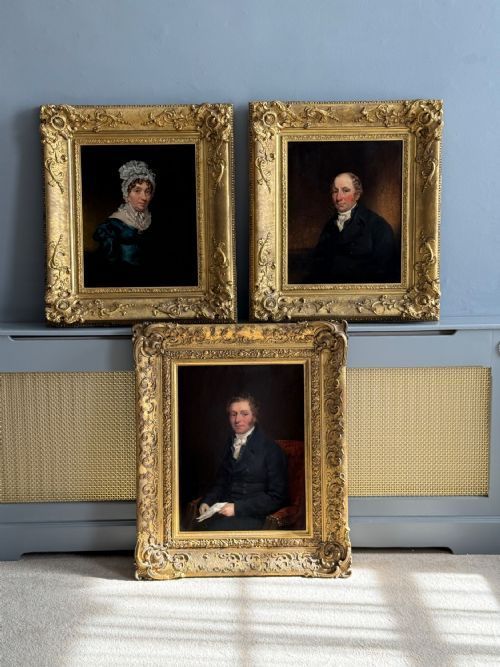
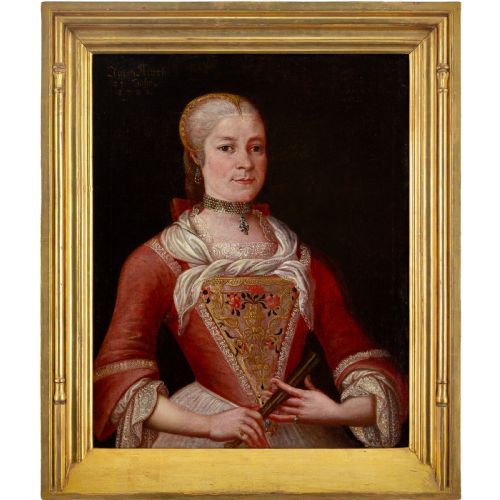
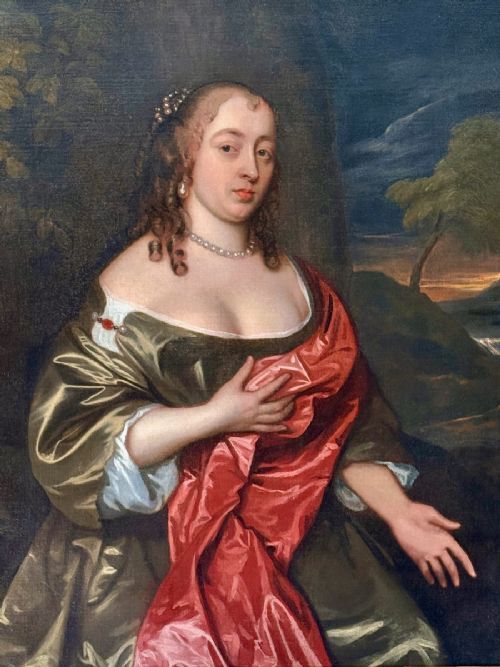
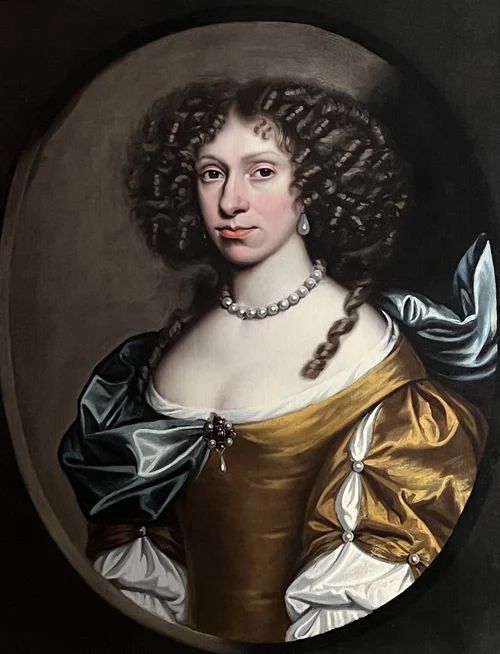
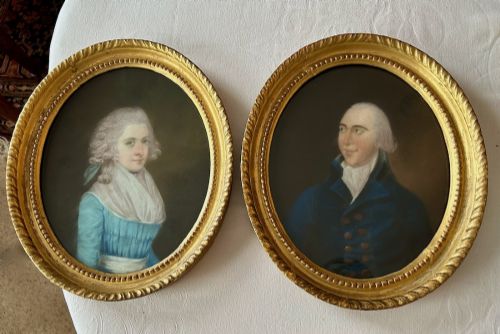
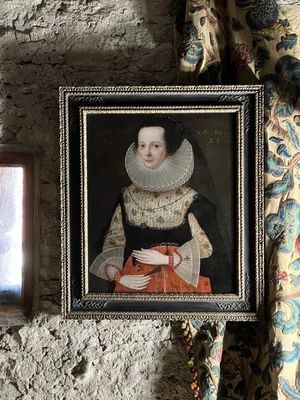
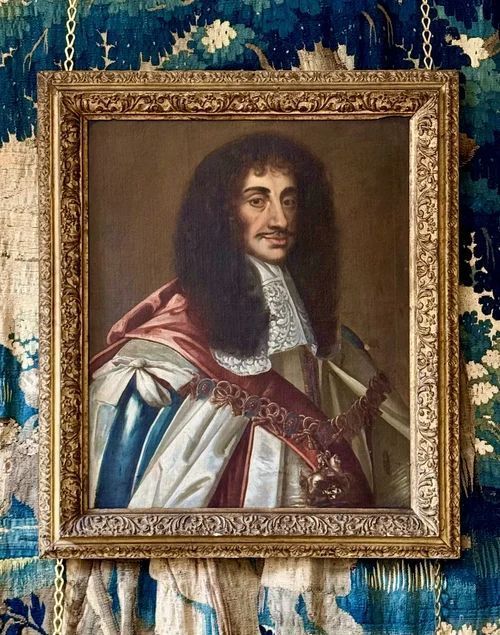
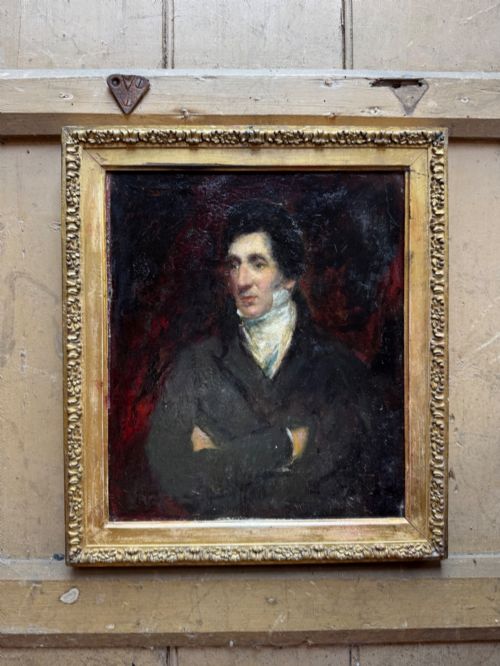
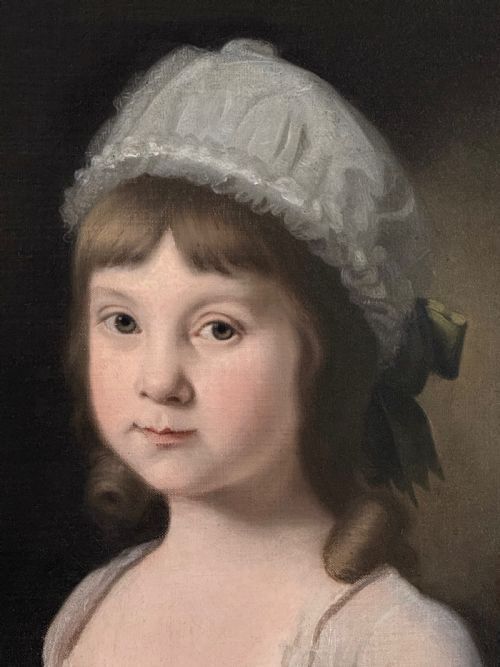
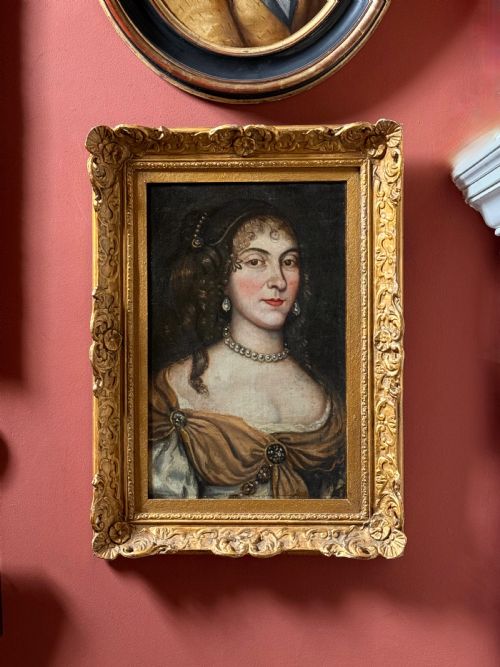
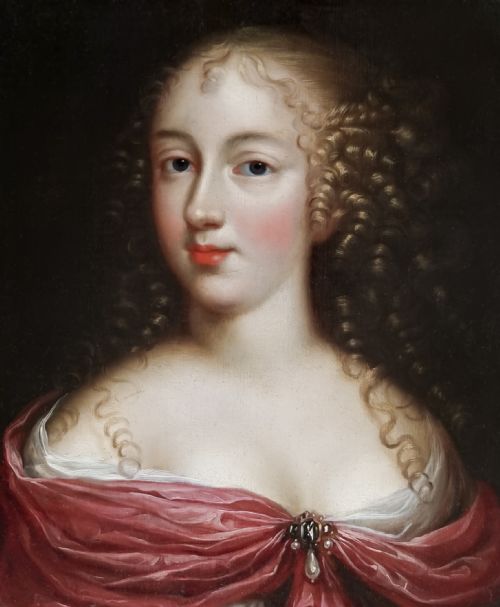
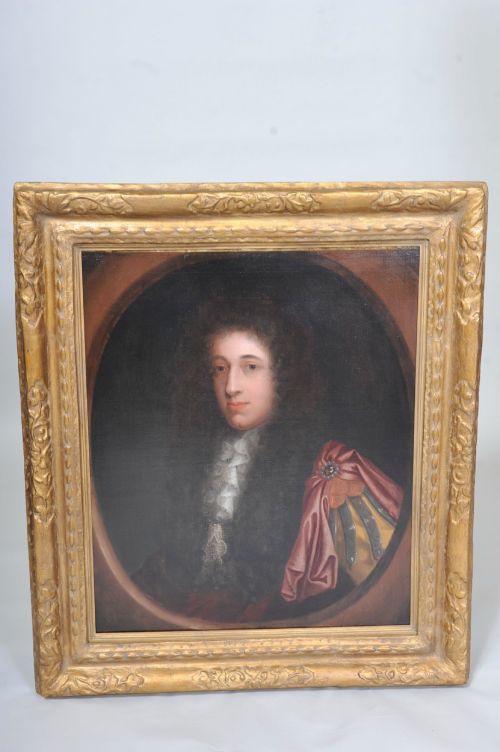
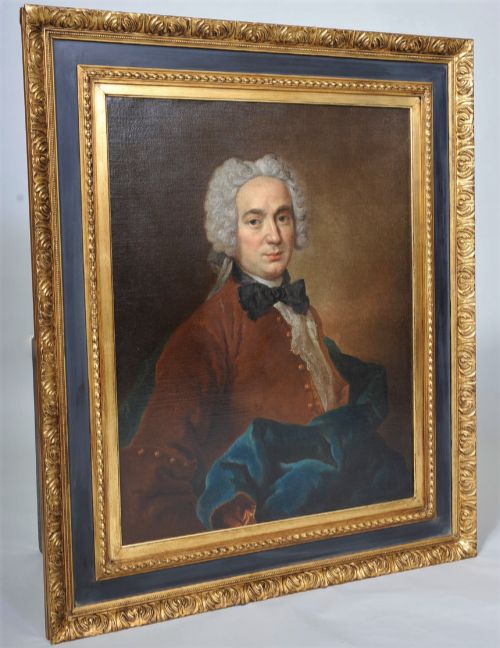
Period portrait art encompasses historical depictions of individuals rendered in oil, pastel, engraving, and silhouette across the seventeenth, eighteenth, and nineteenth centuries. Buyers searching for period portrait art will find oil paintings on canvas or panel dominating the selection, alongside detailed mezzotints and delicate portrait miniatures.
The works span distinct stylistic movements including Jacobean, Baroque, Georgian, and Regency eras. Subjects range from nobility and military officers to children and gentlefolk, often preserved in original giltwood frames.
Materials and Techniques
Artists applied oil paint onto stretched canvas or wooden panels, frequently utilising gold leaf for decorative accents within the composition.
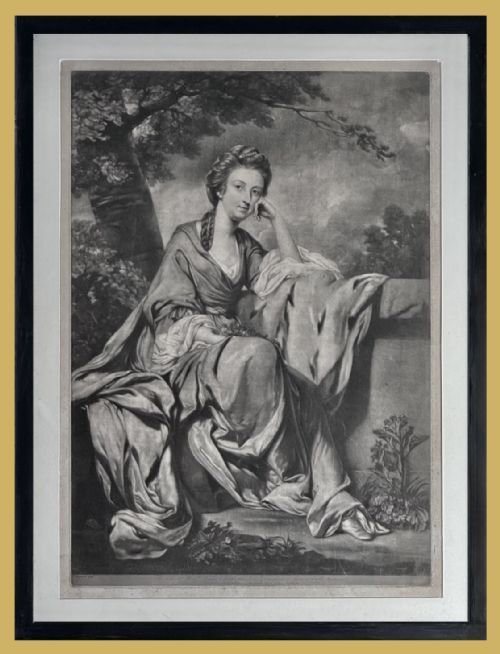
Printmakers employed mezzotint techniques on paper to reproduce painted likenesses, while pastel portraits captured softer facial tones on prepared surfaces.
Materials recorded across the inventory include oil paint, canvas, wood, glass, and gold leaf.
Quality Variations
An artist's ability to render anatomical proportion, fabric texture, and facial expression separates masterworks from workshop copies.
The preservation of the original pigment, the stability of the canvas or panel, and the authenticity of the period frame dictate the standing of each piece.
JOHN HAYLS·EDWARD FISHER·SIR JOSHUA REYNOLDS·JOSEPH CLOVER·DAVID SCOUGALL·THOMAS MURRAY·SIR PETER LELY·PIERRE MIGNARD·MARY BEALE·SIR GODFREY KNELLER·JOHN RUSSELL·JAMES MCCARDELL·JEREMIAH MEYER·THOMAS BEACH·SIR THOMAS LAWRENCE·JOHN GREENHILL
The Period Portrait Art Glossary
- Mezzotint
- A printmaking process where the copper plate is roughened to achieve tonal variation and rich dark areas. This technique allowed eighteenth-century printmakers to translate oil paintings into detailed paper prints.
- Giltwood
- Wood carved and coated with gold leaf or a gold-coloured finish. These frames frequently accompany seventeenth and eighteenth-century canvases.
- Pastel
- A medium consisting of powdered pigment and a binder rolled into sticks. Artists used pastel on paper for portraits requiring soft blending and matte finishes.
- Panel
- A flat wooden board used as a rigid support for oil paintings before canvas became standard. Oak and other hardwoods were common in early works.
- Miniature
- A small-scale portrait painted with fine detail on ivory, vellum, or card. These portable items often appeared as pairs or in protective cases.
Period Portrait Art: Frequently Asked Questions
What is period portrait art?
Period portrait art consists of historical visual representations of people created during past centuries using traditional mediums like oil paint, pastel, and printmaking techniques.
These pieces document the clothing, status, and artistic conventions of eras spanning from the seventeenth century through the Edwardian period.
How were oil portraits framed?
Oil portraits from earlier centuries were typically housed in heavy wooden frames finished with gold leaf or gilding to complement the subject's status.
Many surviving works retain their original period frames, which contribute significantly to the historical context and integrity of the artwork.
How do I identify a seventeenth-century portrait?
Seventeenth-century portraits often feature subjects in elaborate Jacobean or Baroque attire, stiff lace collars, or military half-armour against dark, sombre backgrounds.
The handling of paint on canvas or panel during this time prioritised rich pigments and dramatic lighting over the lighter palettes seen in later eras.
What is a mezzotint portrait?
A mezzotint is an engraved print on paper that reproduces the tonal depth and shadow of an original oil painting through a specialised copper plate method.
Publishers produced these prints to disseminate likenesses of prominent public figures and nobility widely.