
Gilded Wood Pictures
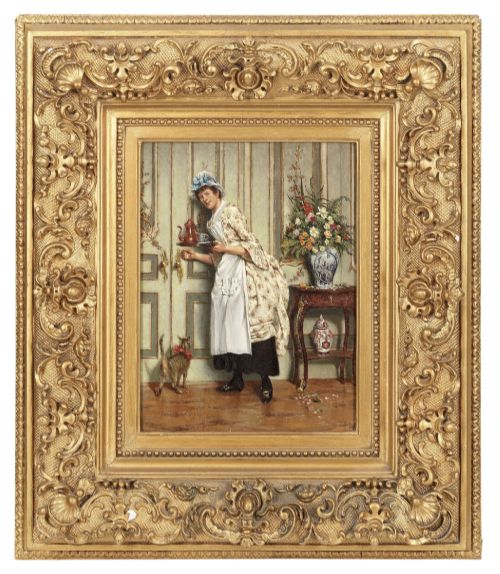
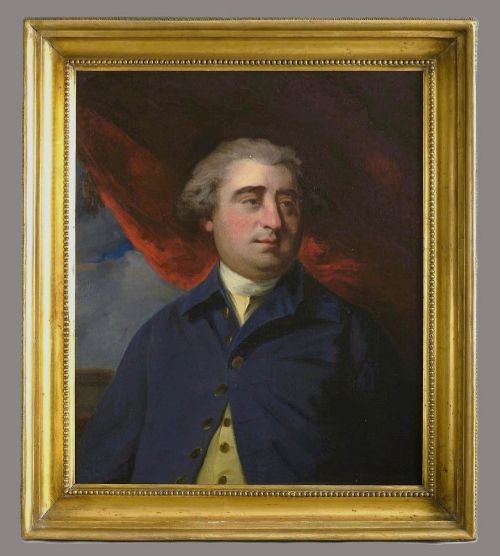
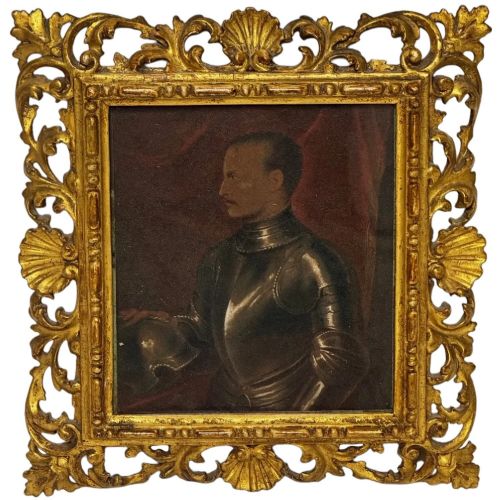
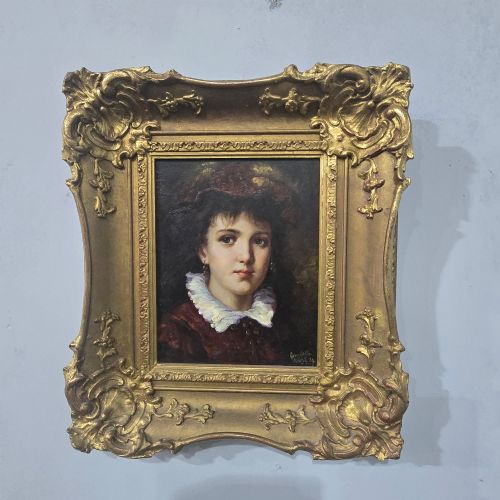
Gilded wood pictures bring together carved timber and reflective metal leaf to frame oil paintings, watercolours and prints across centuries of British and continental design.
Gilded Wood Pictures
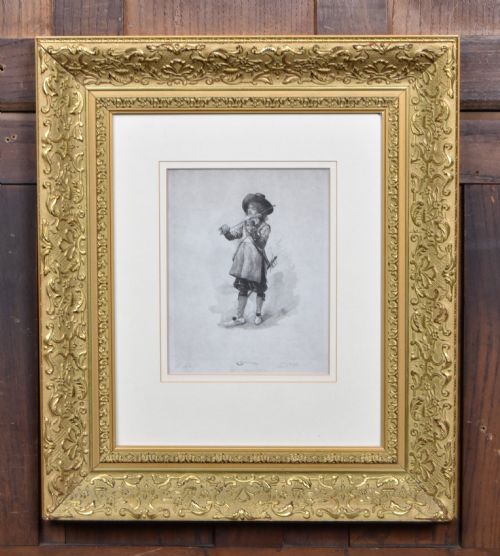
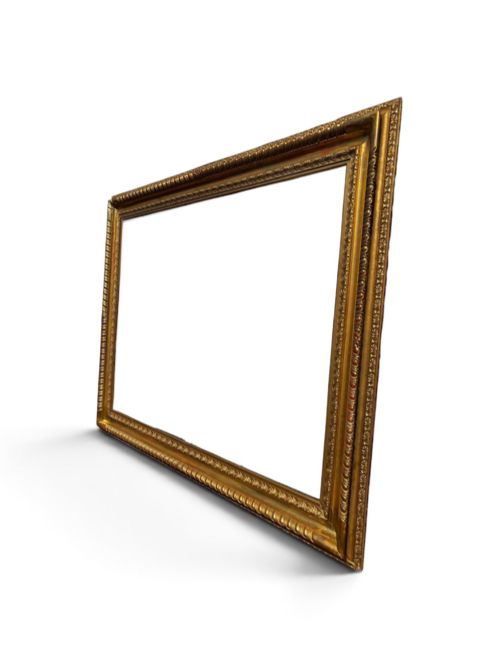
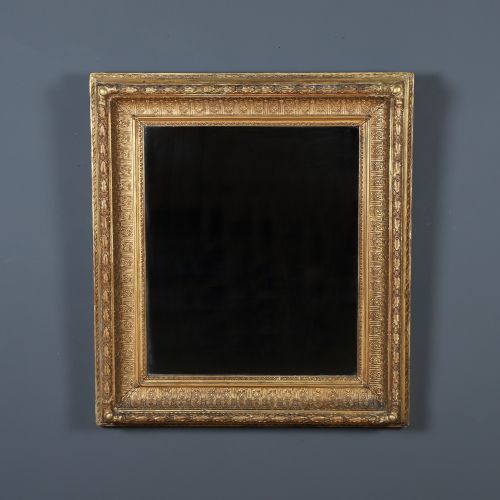
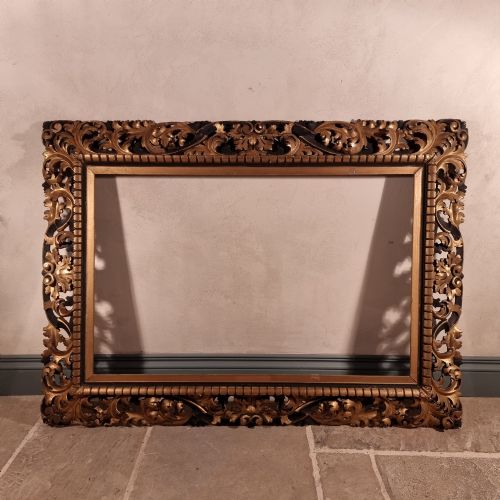
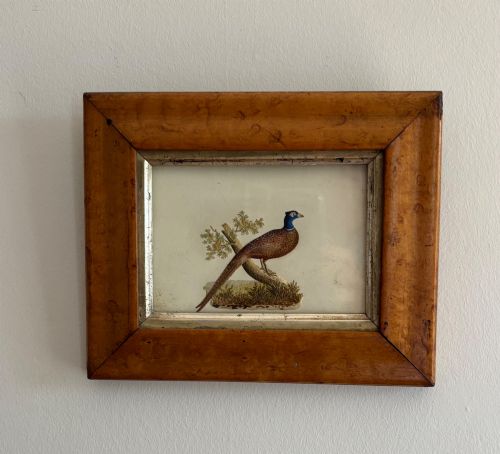
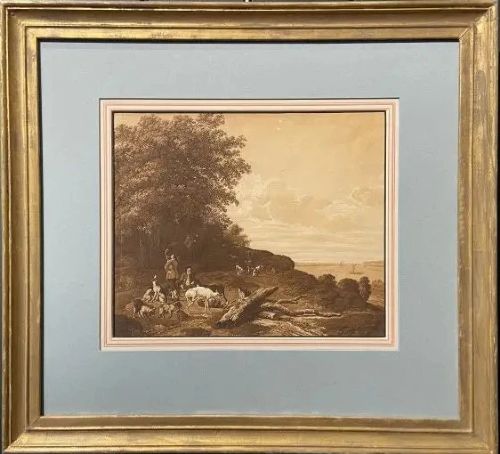
Gilded wood pictures encompass framed artworks and empty ornamental frames created from the seventeenth century through to the twentieth century. These pieces reflect diverse aesthetics, ranging from seventeenth-century portraits to Victorian landscape oils and delicate Edwardian watercolours.
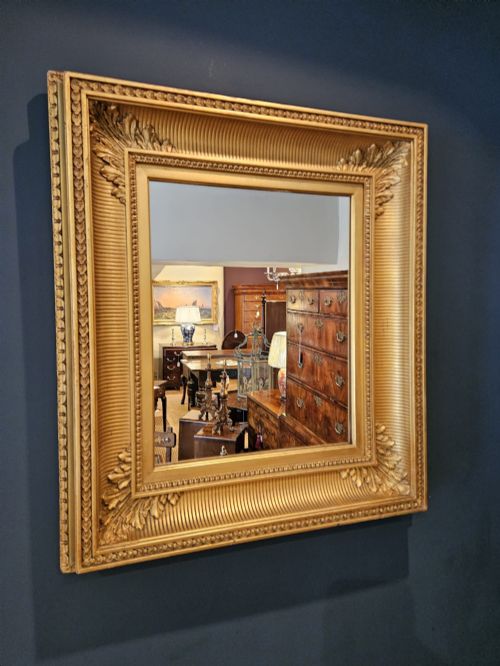
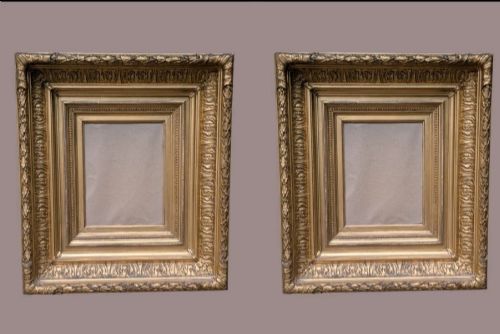
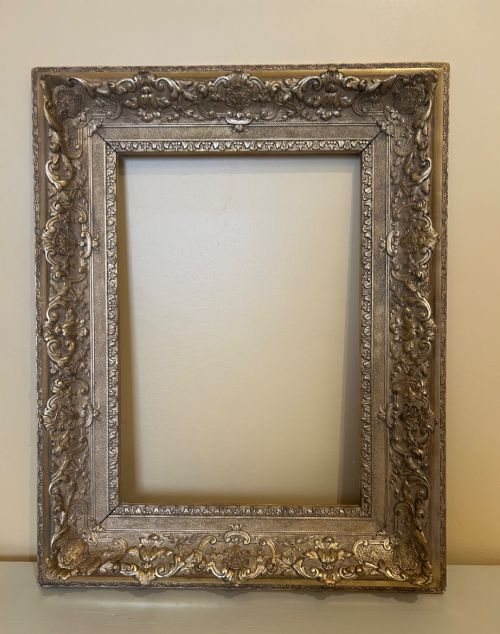
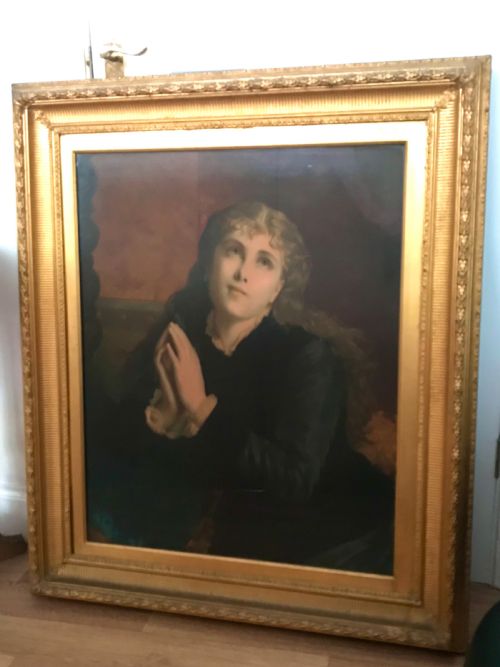
The selection on this page relies heavily on nineteenth-century examples, particularly Victorian gilt frames and deep gesso mouldings that house oil paintings, canvas works and prints under glass. Buyers will frequently encounter ornate Florentine styles, Rococo revival work and Georgian craftsmanship alongside the paintings they enclose.
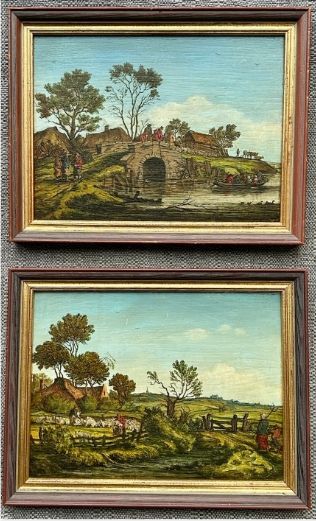
Works span continental schools and British makers, presenting subjects from religious portraiture to rustic tavern scenes. Whether housing an original oil painting or a reverse glass print, each piece demonstrates the enduring appeal of gold leaf applied to timber.
Materials and construction
Makers built these pieces using solid wood foundations, applying layers of gesso to create smooth surfaces for detailed relief decoration. Artisans then laid delicate sheets of gold leaf over the prepared substrate, burnishing the metal to achieve a brilliant reflective quality.
Artworks within these frames utilise traditional mediums including oil paint on wood panels and canvas, watercolours on paper, and pastel work. Protective elements such as glass often cover delicate prints, engravings and oleographs to preserve the surface over time.
Listings feature works spanning the seventeenth, eighteenth, nineteenth and twentieth centuries, incorporating oil paint, watercolours and engravings.
Judgements of quality
Quality rests upon the crispness of the carved ornament and the depth of the gesso mouldings, where superior examples exhibit sharp relief rather than softened contours. The skill involved in applying and burnishing the gold leaf directly influences how the frame catches ambient light.
The harmony between the artwork and its housing elevates certain pieces above standard production, particularly when original frames accompany period paintings. Depth of profile and structural weight distinguish robust Victorian frames from simpler later variants.
W Klombeck·Stephen Samuel Lewin·Sir Joshua Reynolds·Gian Paolo Pace·Jonny Gaston·P Ruiz·Samuel Dixon·Johannes Lingelbach·T Bergman·J De Ninville·Alfred George Morgan·Frederick Septimus Lewis·Abraham Cooper·Sir Edwin Landseer·Robert Eadie·Robert John Hammond·Fred Waugh·Gustave Dore·Adolphe Pannemaker
The Gilded Wood Pictures Glossary
- Gesso
- A plaster mixture applied to wood frames as a base before gilding. This compound allows artisans to carve intricate relief patterns and acanthus leaf decoration.
- Giltwood
- Timber that has been coated with gold leaf or gold paint. It provides the primary visual characteristic for these antique frames.
- Oleograph
- A type of chromolithograph printed on canvas to imitate an oil painting. These appeared frequently in nineteenth-century interiors.
- Eglomise
- Cold painting and gilding on the rear face of glass. This technique creates a distinctive reflective border or image.
- Basso-rilievo
- Low relief sculpture where the figures project only slightly from the background plane. Samuel Dixon employed this method for decorative panels.
Gilded Wood Pictures: Frequently Asked Questions
How do I clean gilded wood frames?
Dust surfaces gently with a very soft, dry brush to prevent accumulation without disturbing the delicate gold leaf layer.
Avoid liquid cleaners, moisture and chemical solvents entirely, as these substances strip the historic gesso and gilding from the wood.
Are these oil paintings on original frames?
Many nineteenth-century and seventeenth-century works retain their original giltwood housings, which complements the historical context of the piece.
Descriptions specify whether a frame is original to the artwork or represents a later matching pairing.
What is an oleograph picture?
An oleograph is a mechanical colour print produced on canvas to simulate the texture and appearance of a genuine oil painting.
Popular during the Victorian era, these prints frequently appear housed beneath glass within heavy gilded frames.
How do I date a gilt picture frame?
Dating relies on examining the underlying gesso composition, timber type, corner construction methods and stylistic motifs such as acanthus leaves.
Georgian and Victorian mouldings exhibit distinct profile depths and weight characteristics that separate them from twentieth-century revivals.