

Restoration Era Oil Painting
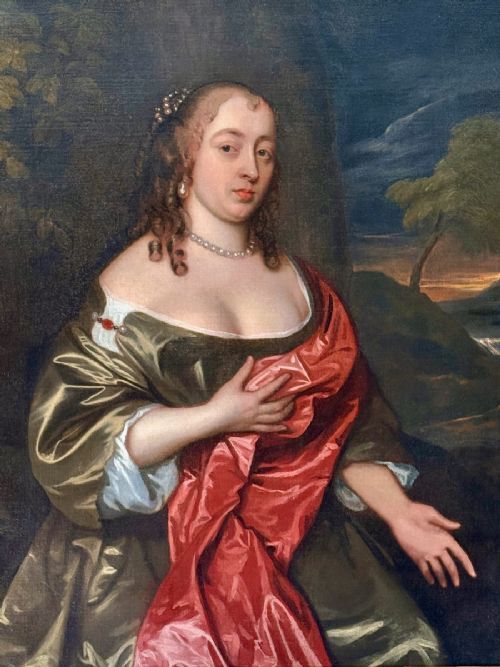
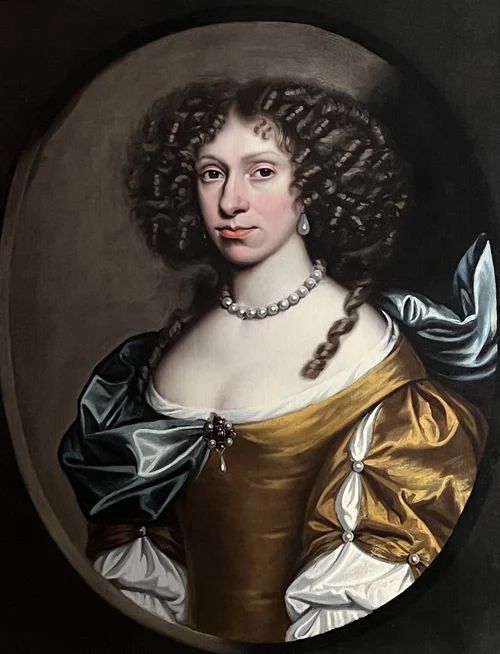
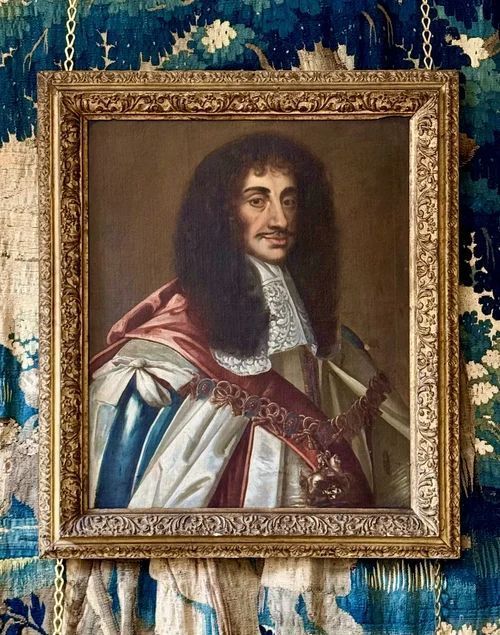
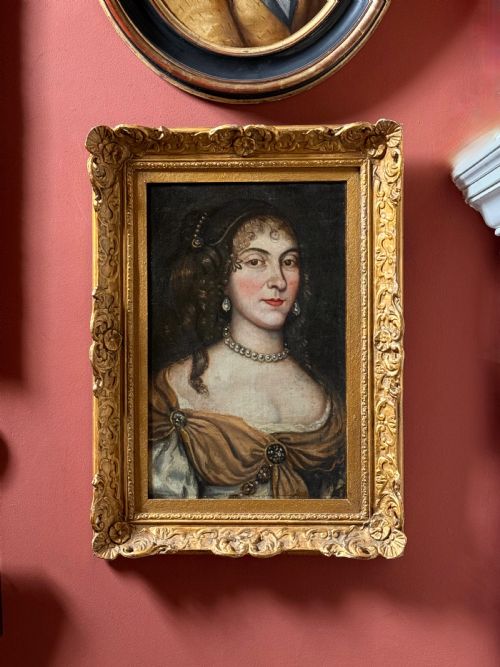
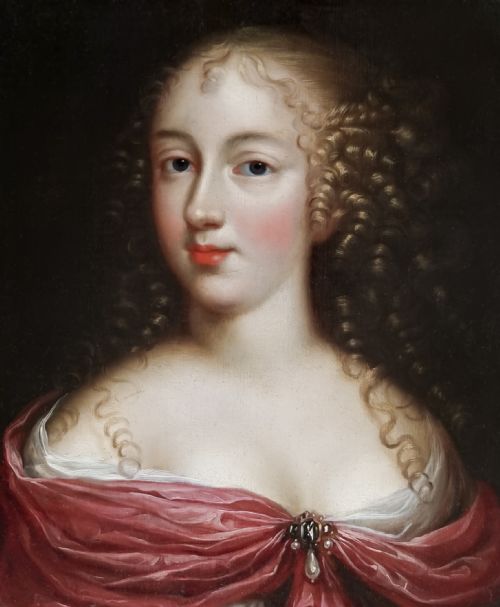
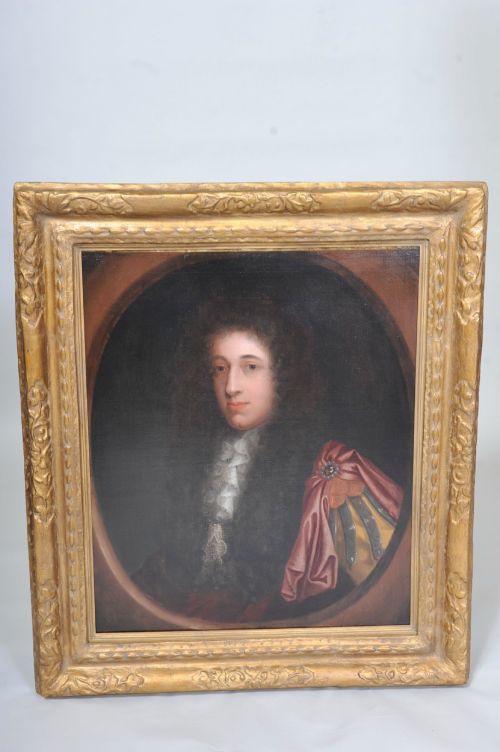
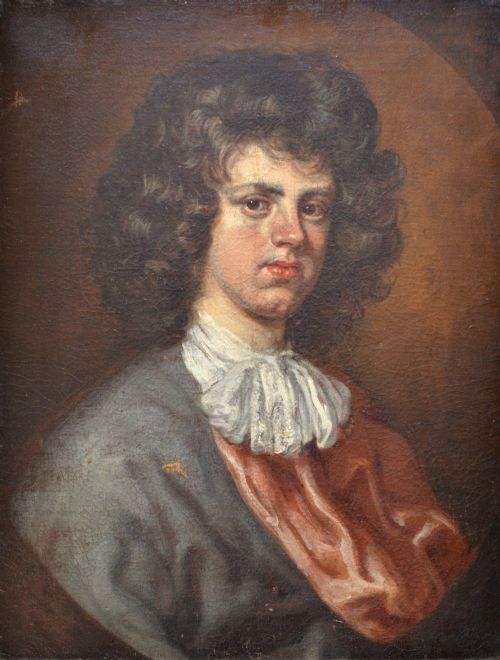
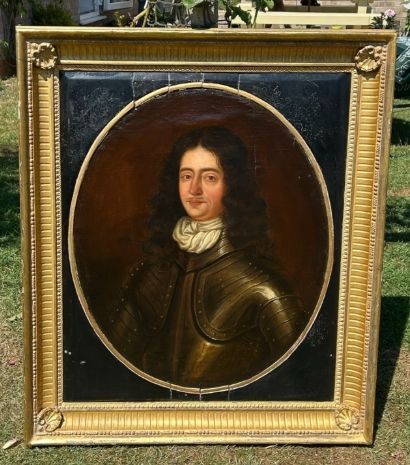
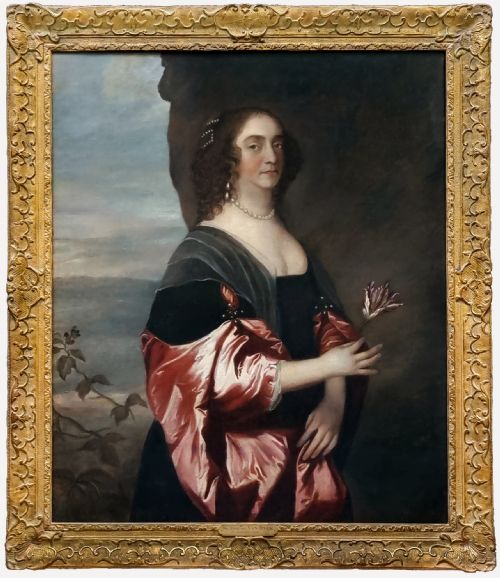
These restoration era oil painting works are seventeenth-century portraits and classical scenes on canvas and panel that bring baroque presence to any room.
Identifying restoration era oil painting examples
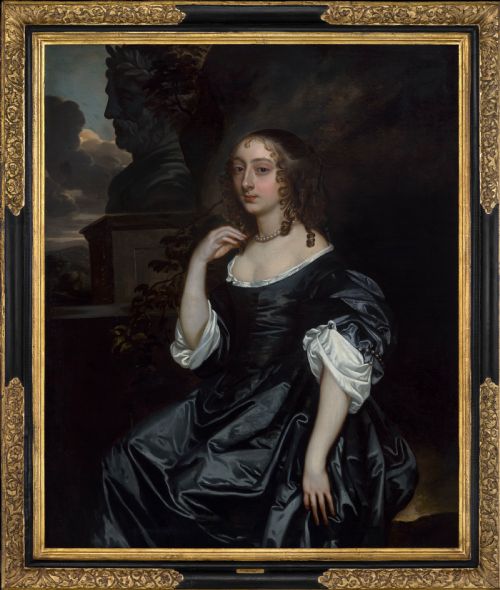
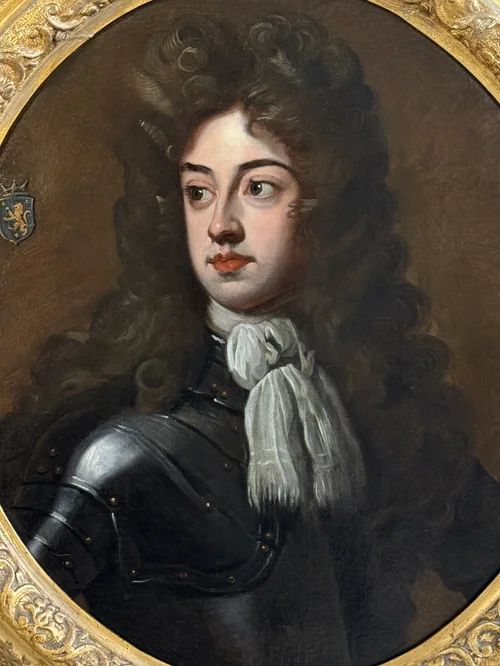
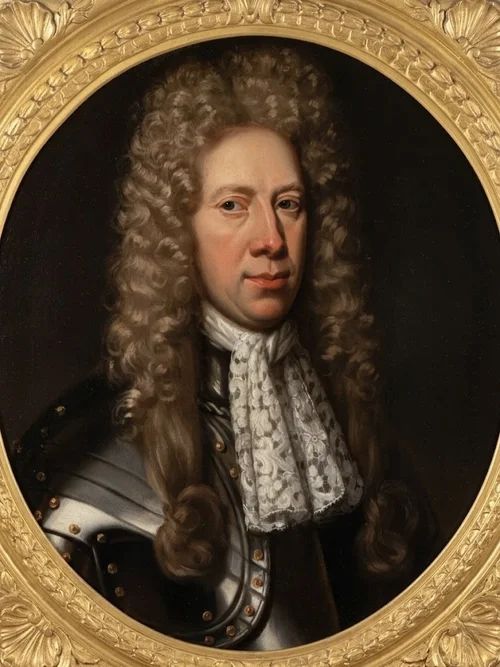
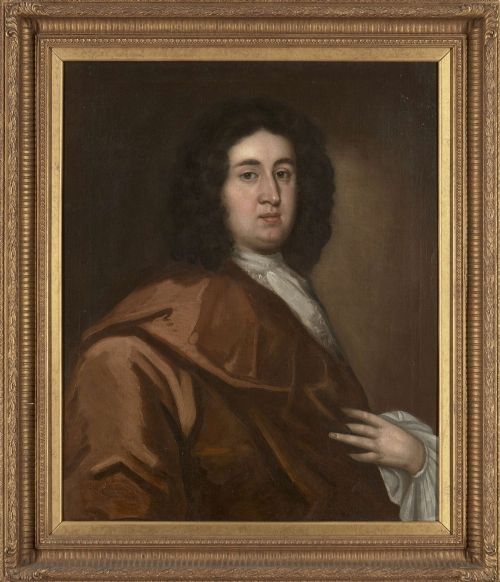
When you search for a restoration era oil painting, you are looking at seventeenth-century fine art dominated by portraiture and classical mythology. These works capture subjects from nobility and clergy, often rendered with the distinct gravity of the baroque period.
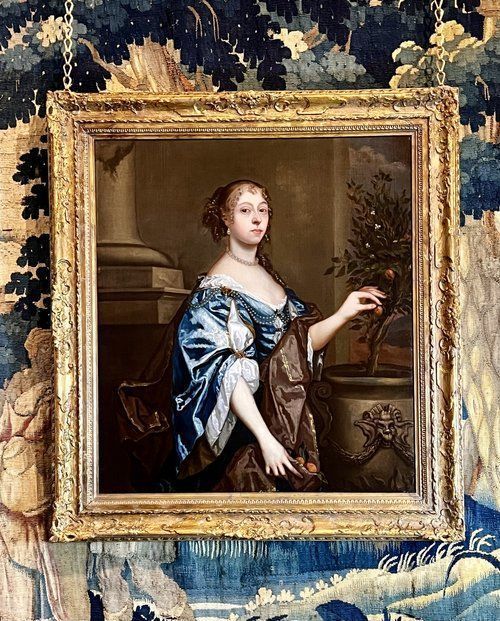
The pieces you meet on this page include oils on canvas and wood panel created by British and continental European hands. Subjects range from aristocratic ladies in extensive landscapes to named bishops and earls, reflecting the formal portrait traditions of Stuart and Restoration Britain.
The aesthetic is rooted in Dutch Baroque and British seventeenth-century styles, showing the heavy influence of prominent studios and circles. Whether attributed to a specific follower or recorded as an English school piece, each work offers a direct window into the visual culture of the late sixteen-hundreds.
Judging quality and hand
The preservation of the original paint surface and the stability of the canvas or wood panel significantly influence the integrity of the piece. Superior examples retain their original glazing and subtle tonal gradations, whereas lesser works may show heavy historic overpainting that obscures the artist's original touch.
Retail Price Guide 2026
Typical UK retail prices for restoration era oil painting, calculated from the Sellingantiques database of over a million retail prices indexed since 2003. This retail price guide relies exclusively on Sellingantiques data; no external sources or auction records are used, so the figures do not describe the wider market.
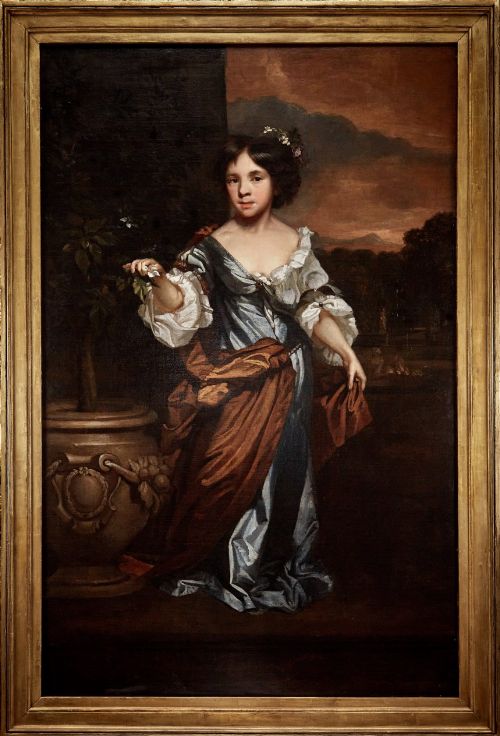
One lady in these seventeenth-century canvases is captured mid-action picking oranges, bringing a surprisingly literal splash of citrus to the baroque court.
John Hayls·Sir Peter Lely·Pierre Mignard·Pieter Borsseler·Sir Godfrey Kneller·Robert More
The Restoration Era Oil Painting Glossary
- Baroque
- A European style of art of the seventeenth century characterised by dramatic movement, deep shadow, and grand scale. It dominates the visual language of these restoration paintings.
- Oil on Canvas
- A painting medium where pigments suspended in oil are applied to woven fabric stretched across a wooden frame. This was the primary support for large-scale portraits of the era.
- Wood Panel
- A rigid wooden support used for early oil paintings before canvas became universal. Panels offer a smooth, stable surface that preserves fine detail.
- Gilt Wood
- Timber carved and coated with a thin layer of gold leaf. Frames of this material frequently accompany seventeenth-century fine art.
- Studio of
- A designation indicating a work produced by assistants under the direct supervision of a master artist. It denotes high proximity to the primary hand.
Frequently Asked Questions
What is a restoration era oil painting?
A restoration era oil painting is a seventeenth-century work of fine art, typically a portrait or classical scene, created during the reigns of the later Stuart monarchs.
These pieces reflect the baroque aesthetic of the period, utilising oil on canvas or wood panel to capture likenesses of nobility, clergy, and figures from mythology.
How should I hang a seventeenth-century painting?
Hang these works away from direct sunlight and sudden temperature changes to protect the aged canvas, wood panel, and oil pigments.
Ensure the wall can support the weight of the timber frame and use appropriate fixings designed for heavy antique artworks.
How do I identify a studio work?
A studio work is produced by artists working under the direction of a master, often replicating composition styles associated with major names of the seventeenth century.
These paintings share the technical characteristics and stylistic qualities of the primary master while reflecting workshop collaboration.
What subjects appear in these paintings?
The primary subjects are portraits of named historical individuals, such as earls, bishops, and countesses, alongside occasional classical narratives like mythological baths.
These subjects served to record status and lineage, anchoring the sitter within detailed landscapes or architectural interiors.