





Beaded Gilt Frame Art
These beaded gilt frame art pieces combine tactile beadwork and gleaming gilding, offering collectors distinct period character and ornate wall presence.
Beaded Gilt Frame Art
When you search for beaded gilt frame art, you encounter a diverse selection of historical objects united by gilt surrounds and intricate beadwork details. These pieces range from portrait miniatures and watercolour paintings to framed textile art and delicate beadwork pictures.
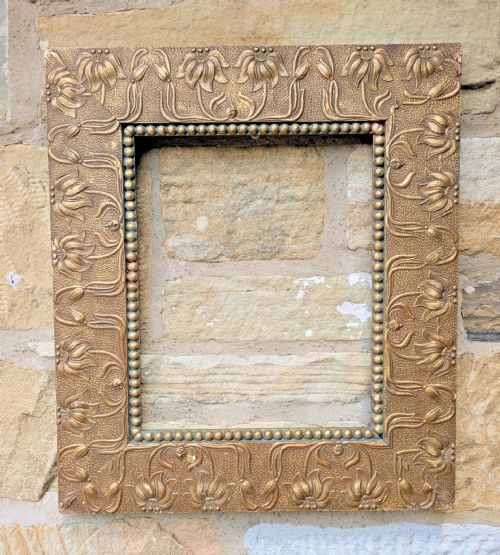
The versions you are most likely to meet on this page span several centuries, drawing from 17th-century needleworks, 18th-century portrait miniatures, and Victorian frames. Styles vary from Stuart and Georgian pieces to Art Nouveau and Grand Regency creations.
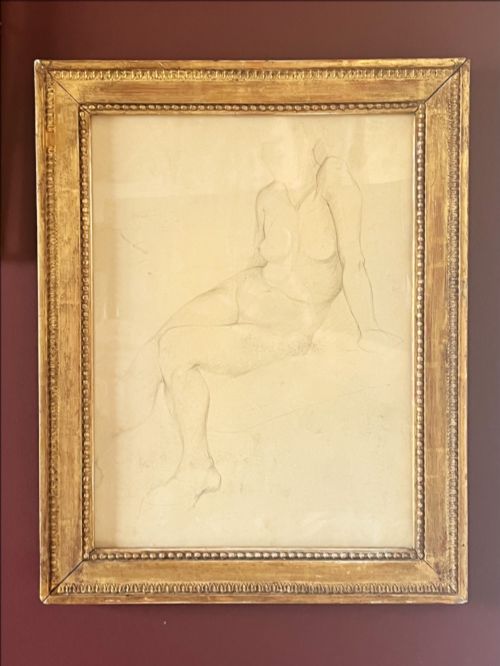
Objects commonly appear in varied forms, including oval frames, heavy Victorian mouldings, and water-gilded surrounds housing paper drawings or glass-covered works. Each item showcases the intersection of decorative framing and detailed inner artwork.
Materials and construction methods
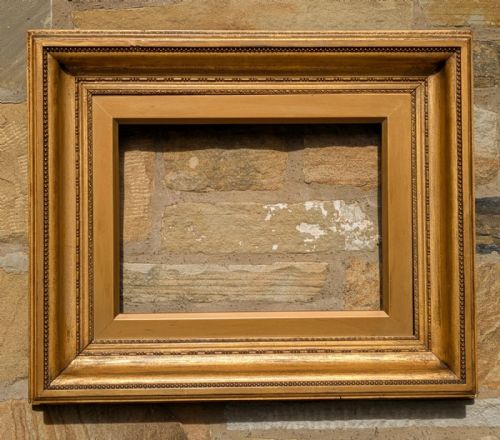
Makers utilised wood, gesso, and gold leaf to construct the ornate gilt frames, applying thin layers of metal leaf over prepared wooden bases. Giltwood and water gilding techniques created reflective surfaces that catch ambient light in domestic spaces.
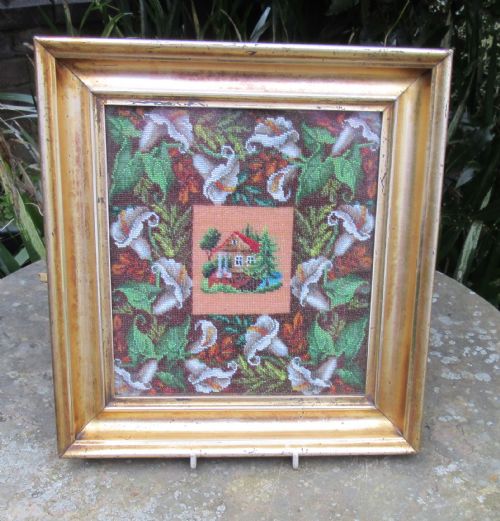
Internal artworks incorporate paper, glass, and watercolour, alongside specialised media such as pencil drawings and butterfly prints. Textile components feature intricate needlework and beadwork fragments executed with small glass beads.
Artisans assembled frames with applied gesso mouldings to form raised decorative beads or geometric patterns along the sight edge. The combination of secure wooden joinery and delicate surface embellishment ensured the longevity of these framed works.
Current listings feature materials including glass, paper, gilt wood, gold leaf, gesso, and watercolour across multiple centuries.
Assessing quality in framing and artwork
Quality rests upon the crispness of the gesso moulding and the purity of the gold leaf application on the frame. Superior examples display sharply defined beaded borders and undisturbed gilding that retains its original warmth.
The relationship between the frame and the enclosed artwork dictates overall merit, particularly when original pairings remain intact. Finely executed watercolour paintings, portrait miniatures, and needlework pictures elevate the significance of the entire piece.
JAMES SHARPLES·Thomas Woolnoth·Henry Jacob Burch
The Beaded Gilt Frame Art Glossary
- Gesso
- A plaster-like mixture applied to wood frames to create a smooth surface for gilding. It is often carved or moulded into decorative bead patterns.
- Water gilding
- A traditional technique using water-based size to adhere gold leaf to gesso, allowing the metal to be burnished to a high shine.
- Giltwood
- Timber that has been coated with gold leaf or gold paint. This material defines the luxurious appearance of antique frames.
- Portrait miniature
- A small, highly detailed painting, popular in past centuries. These works are frequently housed in oval frames with gilt surrounds.
- Needlework
- Hand-stitched textile art utilising yarn or thread on canvas. Historical examples often depict narrative scenes or botanical motifs.
Beaded Gilt Frame Art: Frequently Asked Questions
What periods do these pieces span?
The inventory encompasses items dating from the seventeenth, eighteenth, and nineteenth centuries. Specific eras represented include the Stuart period, Georgian era, Regency, and Victorian times.
Additional examples extend into later nineteenth-century Art Nouveau styles and twentieth-century creations. This broad chronological spread offers collectors access to diverse historical aesthetics.
How should I display framed textile art?
Framed textile art and beadwork pictures require placement away from direct sunlight to prevent the fading of natural dyes and fabrics. Maintaining stable room humidity protects both the delicate fibres and the wooden framing elements.
Ensure that hanging hardware is securely fixed to support the weight of heavy giltwood frames. Professional framing backing boards also help preserve the inner artwork over decades of exhibition.
What distinguishes gesso from plain wood?
Gesso provides a fine plaster ground applied over timber frames to allow intricate moulding and carving before gilding. Plain wood frames rely on the natural grain and direct carving of the timber itself.
In beaded frames, gesso is frequently shaped into uniform roundels that catch the light distinctively. This layer creates the reflective base required for traditional gold leaf application.
Are portrait miniatures always painted on paper?
Portrait miniatures employ various substrates depending on the period and the preference of the artist. While paper is common, historical examples frequently utilise vellum, ivory, or prepared card.
These delicate paintings are almost invariably protected beneath glass within sealed frames. Such housing prevents environmental damage to the fine pigments used in miniature work.