

Georgian Watercolour Art
Georgian watercolour art encompasses intimate portrait miniatures and delicate botanical studies captured on paper during the eighteenth and nineteenth centuries.
Georgian Watercolour Art
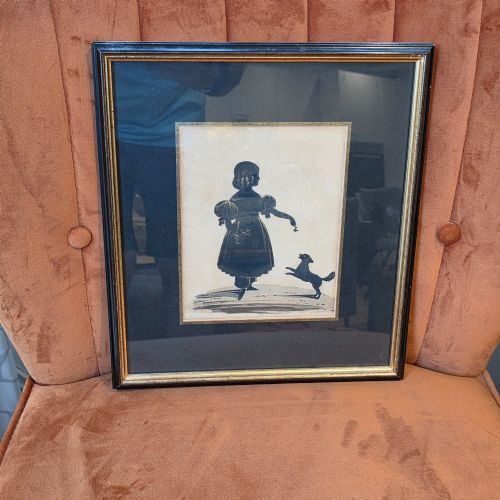
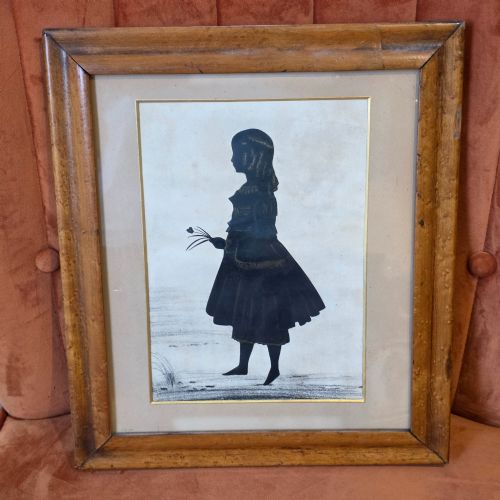
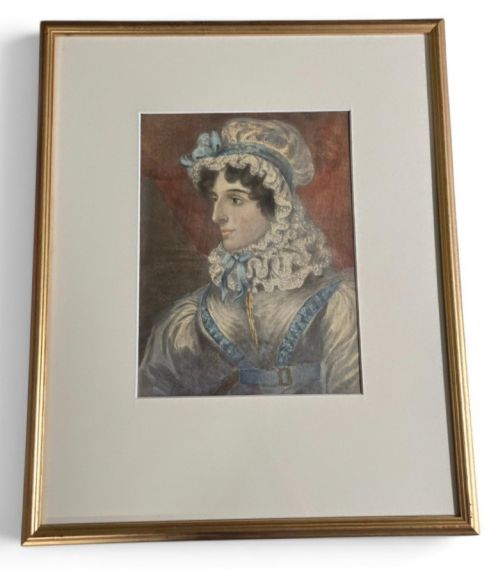
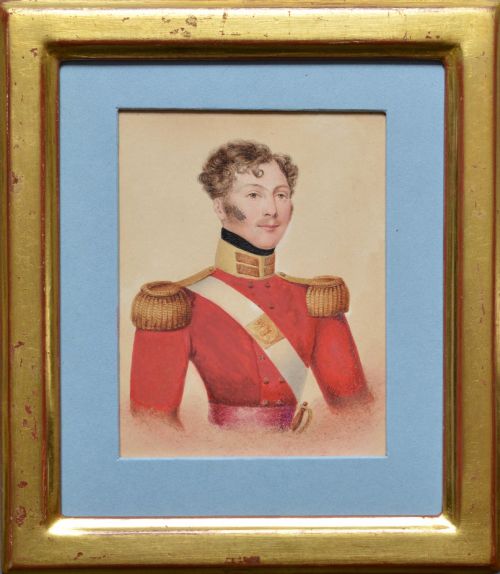
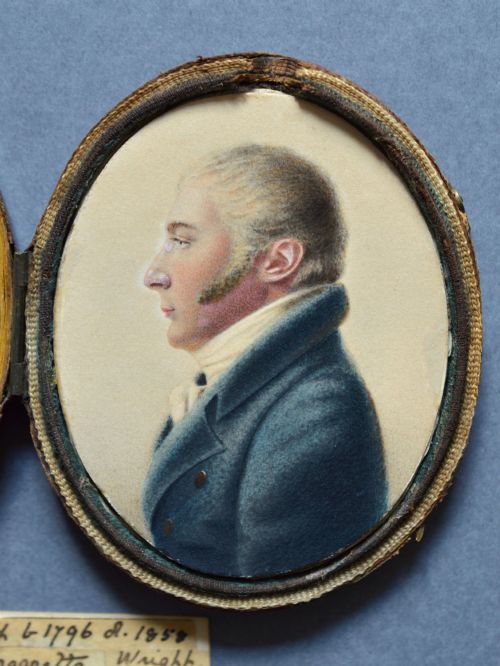
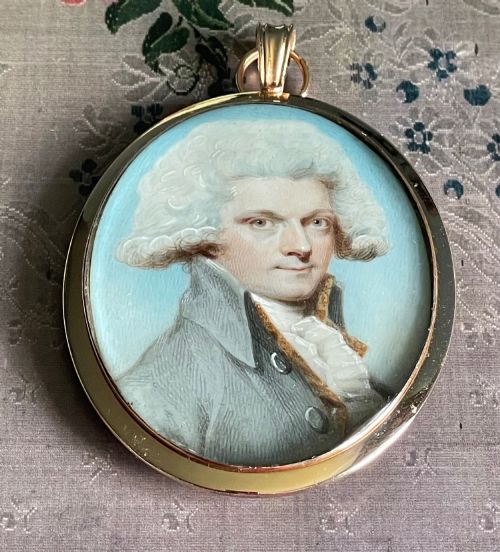
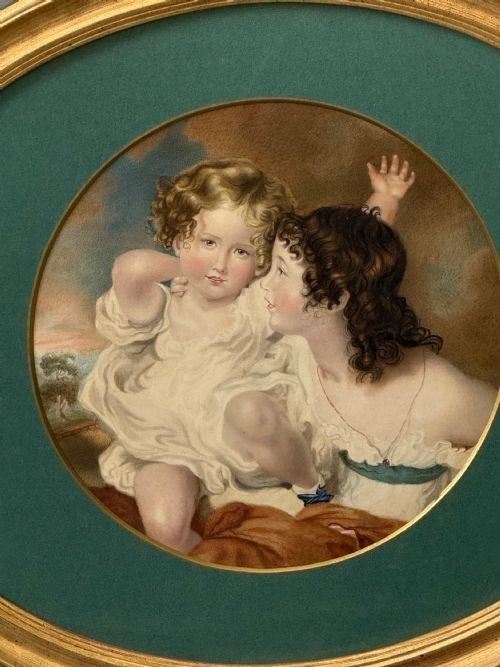
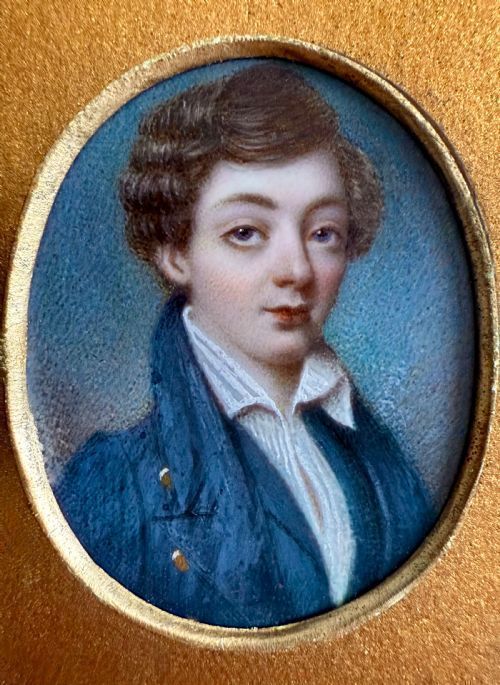
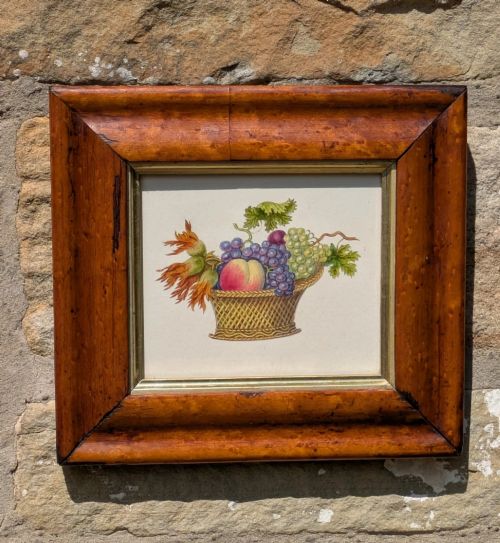
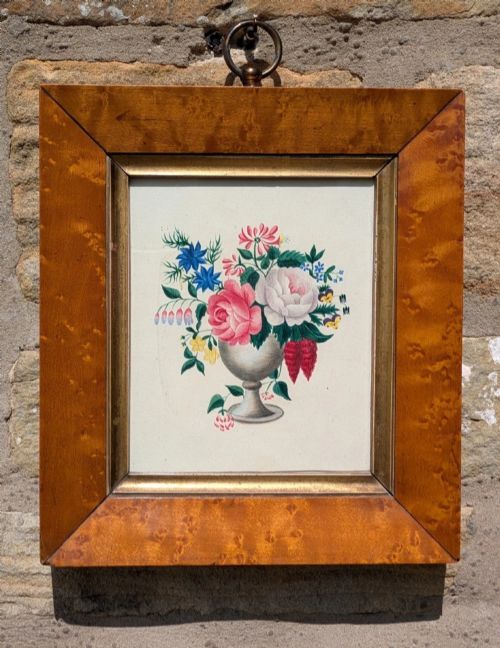
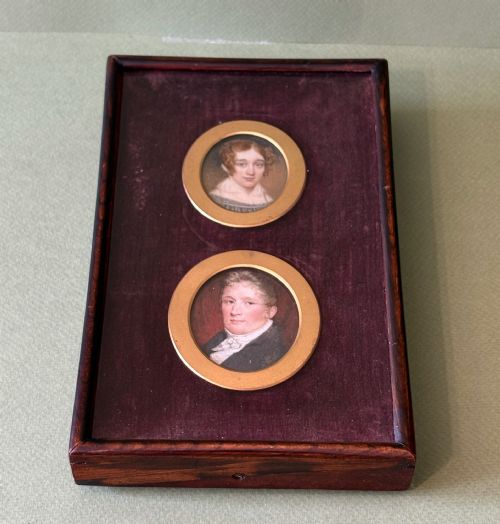
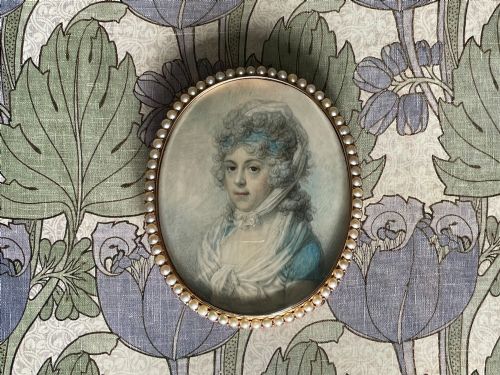
When searching for georgian watercolour art, collectors encounter a diverse range of works spanning portrait miniatures, botanical studies, and classical scenes. These pieces capture likenesses of officers, children, and gentlemen, alongside still lifes of fruit and flowers. The most common form on this page is the intimate portrait miniature, often framed for pendant wear or desk display.
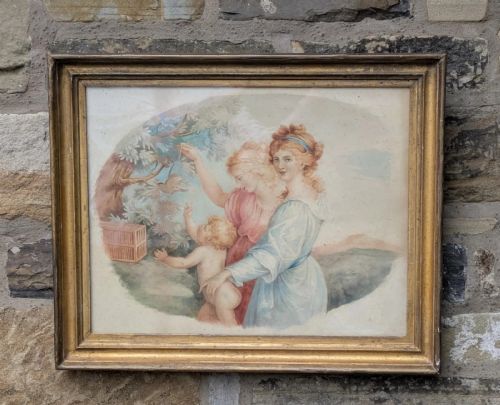
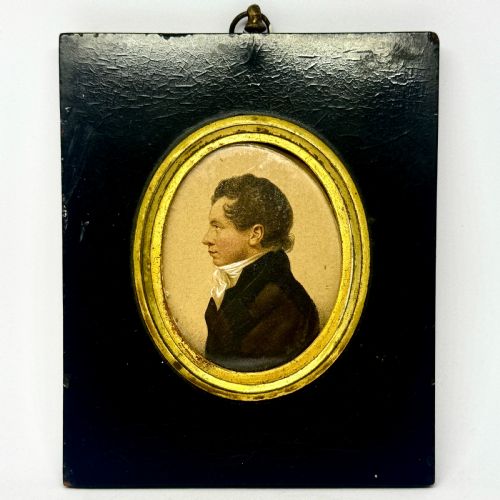
The periods represented stretch from the mid-eighteenth century through the Regency era and into the nineteenth century. Alongside formal portraits, buyers find cut-paper silhouettes, narrative scenes, and character studies executed by both named artists and the British School. These watercolours document personal histories and domestic scenes of their respective eras.
Materials and Technique
Frames play an integral role in the construction of these items, utilising materials such as rosewood, ebonised wood, and gilt metal or gold. Seed pearls and glass frequently protect the delicate painted surfaces of portrait miniatures.
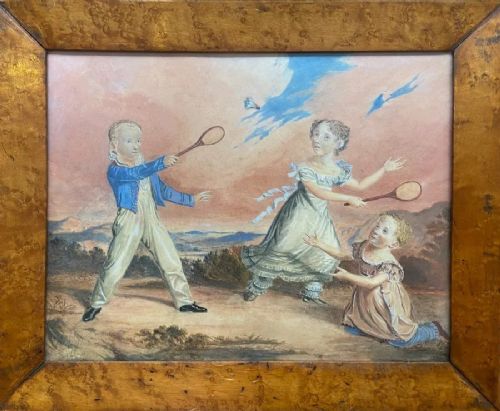
An eighteenth-century miniature captures a domestic game of battledore and shuttlecock, preserving an early ancestor of modern badminton.
Markers of Distinction
The fineness of brushwork and the precision of detail separate standard decorative works from exceptional masterworks. Portrait miniatures show distinction in how the artist captures expression, skin tones, and the texture of lace or fabric.
The integrity of the original framing, whether ebonised wood, rosewood, or 14K gold, contributes to the overall preservation and desirability of the piece. Works attributed to recognised practitioners demonstrate superior compositional balance and pigment stability.
William James Hubard·Edward Bradford·Thomas John Horsley·Charles Shirreff·Richard Cosway·Henry Travis·John C D Engleheart·Frederick Buck·George Kilburne·William Wood·Charles Hayter·William Naish·Nicolas Freese
The Georgian Watercolour Art Glossary
- Portrait Miniature
- A small, highly detailed painting, usually depicting a person, executed on ivory, vellum, or paper. These portable objects were often worn as pendants or kept in protective cases.
- Silhouette
- A portrait represented as a solid shape of a single colour, usually black, matching the sitter's profile. Some examples incorporate cut paper mounted against a contrasting background.
- Regency
- A period in British history spanning from 1811 to 1820, marked by distinct shifts in art, architecture, and fashion. Works from this era often display clean neoclassical lines and refined botanical subjects.
- Ebonised Frame
- Wood that has been treated and finished to resemble ebony. These dark, polished surrounds frequently house nineteenth-century watercolours and silhouettes.
- Gilt Metal
- A base metal treated with a thin layer of gold or gold leaf. It appears commonly in the protective bezels and stands of miniature paintings.
Georgian Watercolour Art: Frequently Asked Questions
How were portrait miniatures displayed?
Miniatures were often designed to be worn close to the heart as pendants suspended from gold frames. Alternatively, owners placed them on desks using gilt metal stands or hung them in small groups on domestic walls.
Their portable nature allowed sitters to carry likenesses of family members during travels. This dual function as jewellery and artwork shaped their compact dimensions.
What subjects besides portraits appear in these watercolours?
Artists recorded botanical specimens, floral arrangements, and baskets of fruit with scientific precision and decorative charm. Narrative scenes depicting children at play or classical subjects also feature prominently.
These varied themes reflect the broader domestic interests and educational pursuits of the households commissioning them. Animal studies, including game birds, occasionally supplement the human portraits.
How do you distinguish Regency pieces from 18th-century ones?
Regency watercolours frequently exhibit lighter colour palettes and neoclassical influences inspired by current architectural and decorative trends. Clothing styles, such as high-waisted dresses for women and specific military uniforms, provide reliable dating clues.
Eighteenth-century examples often employ darker, more saturated backgrounds and distinct framing materials like heavy ebonised wood. Examining the costume and hair styling of sitters remains the most direct method for period identification.
How should these works be preserved at home?
Watercolour pigments on paper are highly sensitive to ultraviolet light and fade permanently when exposed to direct sunlight. Displaying them away from windows ensures the preservation of the delicate tones.
Maintaining stable indoor humidity prevents the paper support from warping and protects the integrity of the surrounding wooden or gilt frames. Archival backing materials further safeguard the longevity of unmounted sheets.