



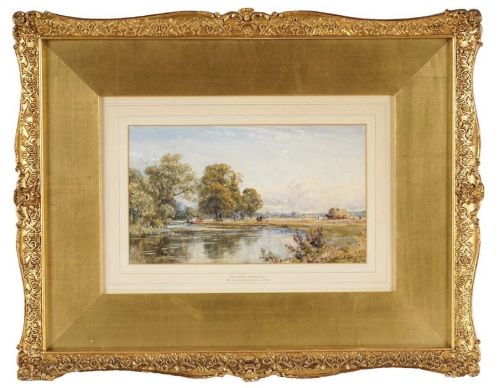
English Watercolour Painting
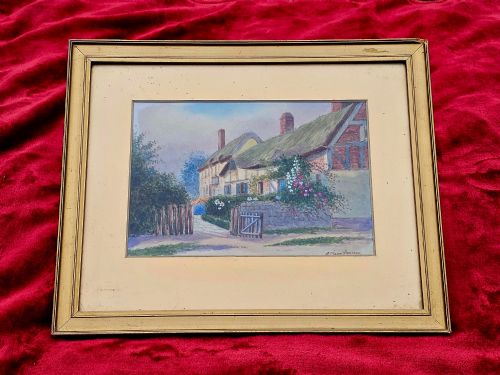
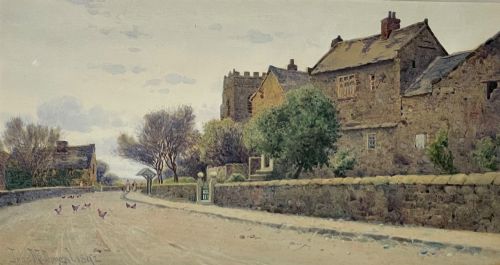
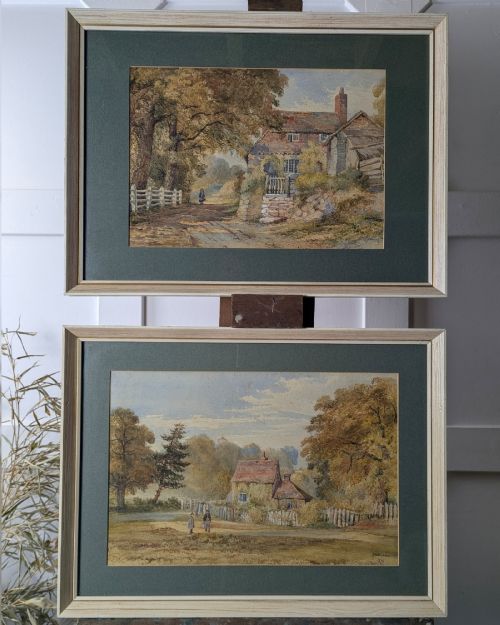
When you explore english watercolour painting, you find works capturing rural vistas, coastal scenes, and quiet village streets.
English Watercolour Painting
Most examples originate from the Victorian, Edwardian, and mid-century periods, showcasing the evolving styles of British impressionism and regional schools. These pieces frequently document historic towns, rivers, and domestic scenes across England.
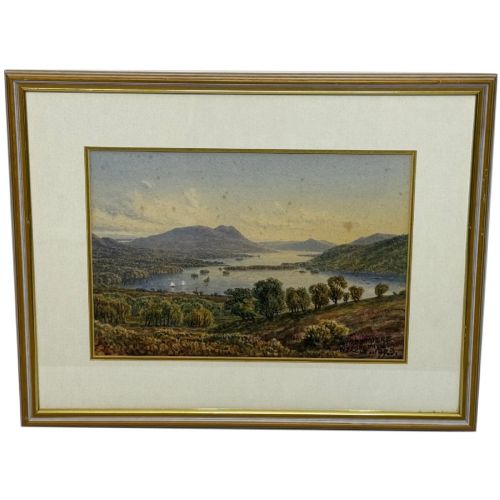
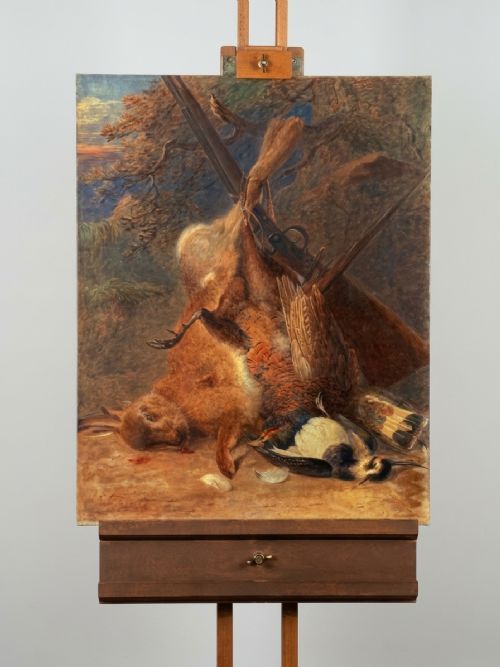
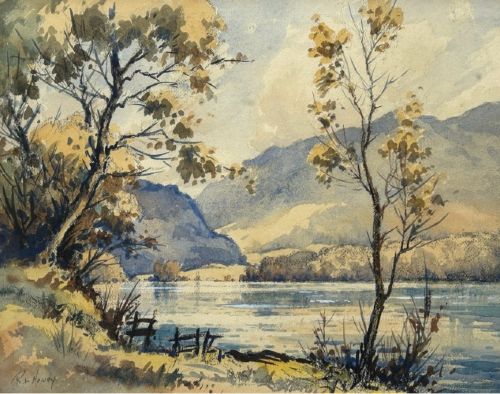
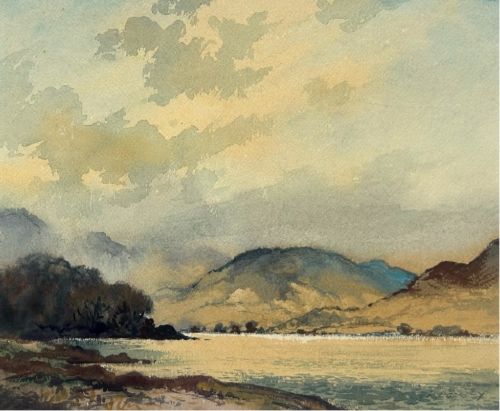
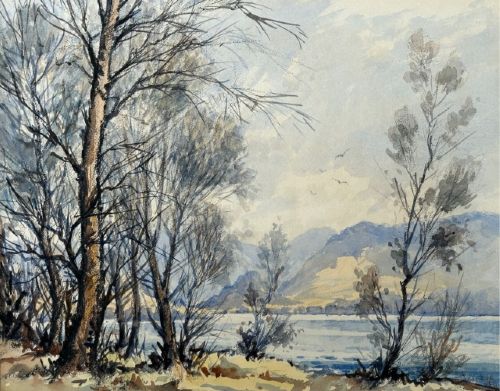
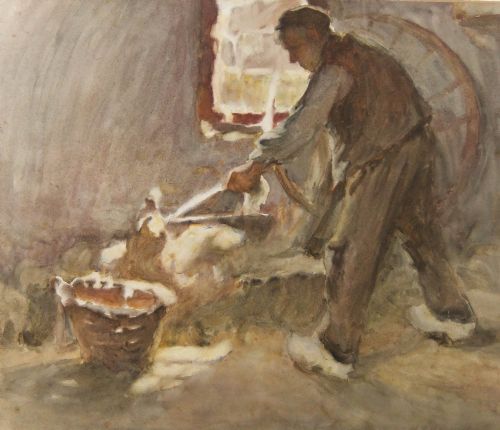
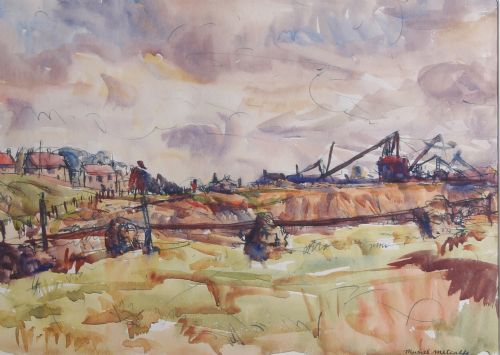
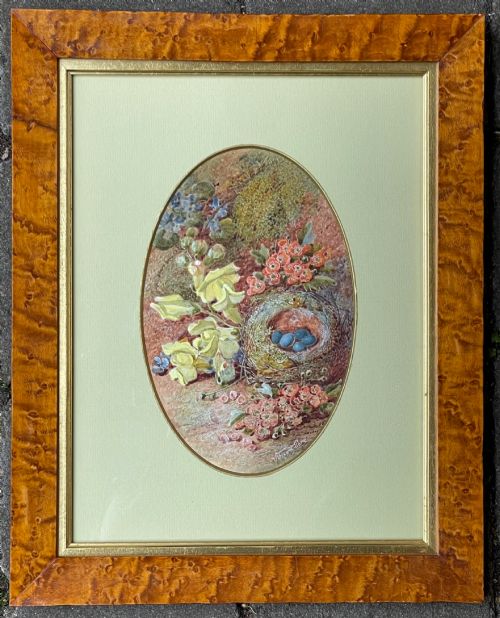
The offerings include both signed compositions by named artists and works originating from regional English schools. Common subjects range from Cumbrian lakes and Yorkshire harbours to botanical studies and still life arrangements.
Materials and technique
These works rely fundamentally on watercolour pigment applied to paper support, occasionally supplemented by bodycolour, gouache, or pencil details. Artists frequently utilised paper framed behind glass to protect the delicate water-soluble pigments from environmental damage.
The physical presentation often incorporates period wooden frames, sometimes enhanced with gold leaf or gilt wood. These traditional mountings support the preservation of fragile paper works while defining the visual boundary of the painting.
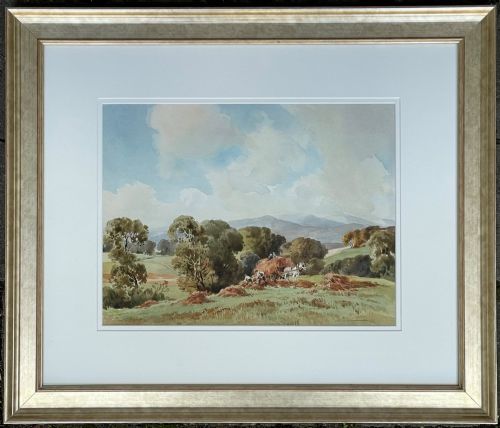
The available artworks encompass diverse British regional forms, including Cumbrian lake scenes, Yorkshire coastal views, and traditional pastoral landscapes.
Assessing quality and merit
Quality rests upon the artist's handling of light, atmosphere, and spatial depth within the composition. Stronger examples demonstrate confident brushwork and secure draughtsmanship that capture the distinct character of English weather and topography.
The condition of the paper and the vibrancy of the pigment distinguish superior survivals from faded or heavily discoloured pieces. Original framing and clear provenance further elevate the standing of an individual work.
George Sydney Shepherd·James Orrock·Alfred Young Nutt·Percy Lancaster·A Marie Parsons·John McDougal·Robert Leslie Howey·William Banks Fortescue·Henry Silkstone Hopwood·Muriel Metcalfe·Vincent Clare·Robert Thorne Waite·John Smith Atherton·Joseph H Barnes·Ernest Arthur Rowe·Frederick Walker·George Oyston·Russell Sidney Reeves·Frederick Tatham·Bonomi Edward Warren·Charles Edward Wilson·F A Roylance·Alfred George Morgan·Thomas Cooper Moore·Philip Richard Morris
The English Watercolour Painting Glossary
- Watercolour
- A painting method where paints are made of pigments suspended in a water-based solution. This technique allows for transparent washes and luminous effects on paper.
- Bodycolour
- An opaque watercolour paint achieved by adding a white pigment to the mixture. Artists utilise this medium to introduce solid highlights and dense areas of colour.
- Gouache
- A water-based paint consisting of pigment and other inert materials designed to be opaque. It provides flat, matte areas of colour within mixed-media works.
- Gilt Wood
- Wood that has been treated with a thin layer of gold leaf or metallic powder. This finish is typical of period frames housing nineteenth-century art.
- British Impressionism
- An art movement reflecting the influence of French impressionist techniques adapted by British painters. Practitioners focused on natural light and plein air subjects.
English Watercolour Painting: Frequently Asked Questions
What subjects do these watercolours feature?
The works primarily depict English landscapes, coastal harbours, pastoral scenes, and village street views. Artists also recorded botanical studies, still life arrangements, and domestic portraiture.
Subjects frequently reflect specific regional locations across Cumbria, Yorkshire, Cornwall, and the Thames Valley. This geographic diversity offers a visual record of the British countryside through successive generations.
How should I display watercolour paintings safely?
Watercolours require protection from direct sunlight to prevent the pigments from fading over time. Hanging them away from damp environments ensures the paper support remains stable.
Keeping the original glass and frame intact helps maintain a stable microclimate for the paper. Professional framing using acid-free materials further safeguards the longevity of the artwork.
How do I identify Victorian watercolours?
Victorian examples often display detailed draughtsmanship combined with naturalistic atmospheric effects. Subject matter frequently embraces romanticized pastoral views, narrative genre scenes, and topographical studies.
Signatures, dates, and framing styles can also help establish the nineteenth-century origin. Comparing the paper quality and tonal palette to documented works from the period provides additional confirmation.
What is the difference between watercolour and bodycolour?
Traditional watercolour relies on transparent washes where the white of the paper shines through the pigment. This creates a luminous and fluid quality across the composition.
Bodycolour incorporates opaque white pigments, allowing the artist to build solid highlights and heavier textures. Painters often combined both techniques within a single sheet to achieve varied contrasts.