



Grey Watercolour Scene
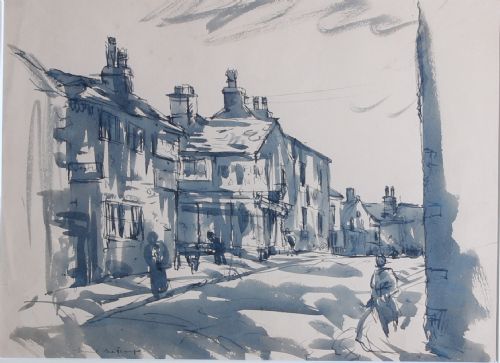
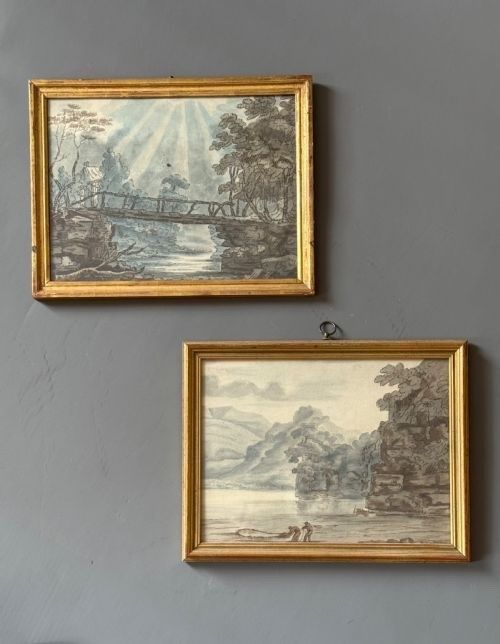
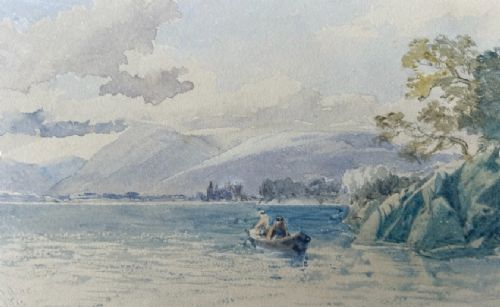
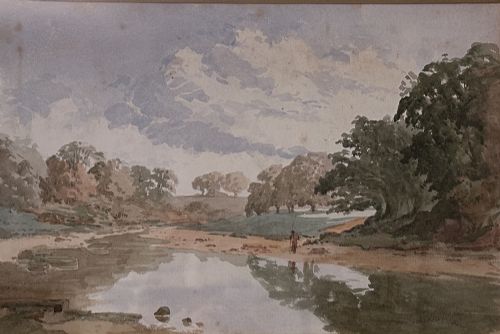
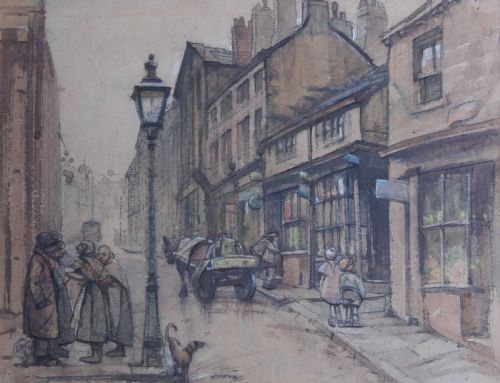
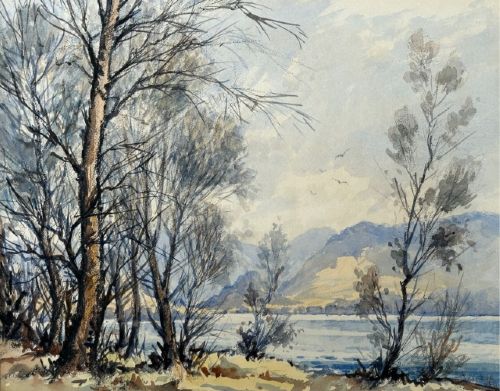
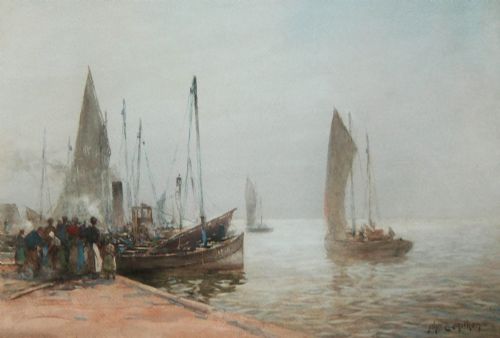
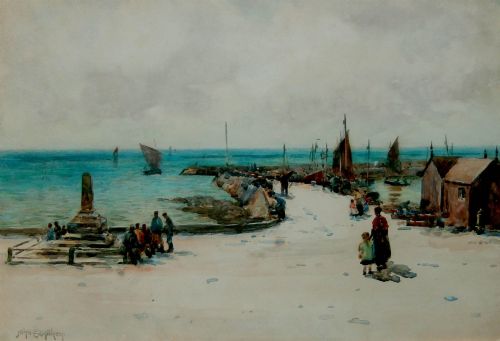
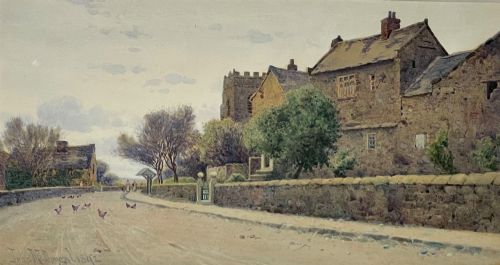
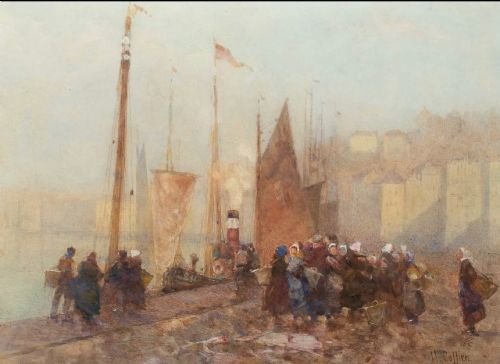
A grey watercolour scene captures the quiet atmosphere of coastal harbours, riverbanks, and urban streets through tonal wash and line.
Grey Watercolour Scene
A grey watercolour scene presents a monochromatic or subdued palette focusing on form, light, and weather rather than bright hues. When searching for a grey watercolour scene, buyers encounter works depicting British and European landscapes, marine views, and townscapes.
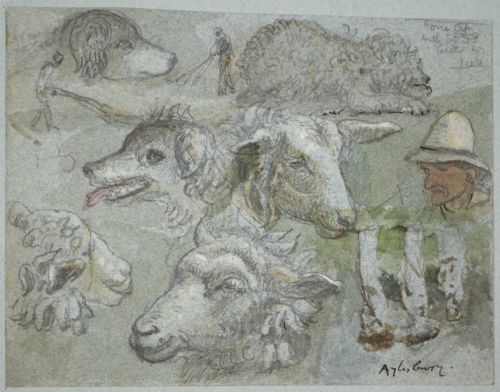
The pieces on this page span from the nineteenth century through the mid twentieth century, encompassing Victorian, Edwardian, and mid-century modern periods. Artists utilise watercolour pigment, ink, and wash on paper to record maritime harbours, snowy fields, and architectural studies.
Common subjects include fishing ports such as Staithes and Whitby, London river views, and rural lanes rendered by named painters and regional artists. These original artworks arrive framed behind glass or preserved within sketch albums.
How They Were Made
Artists apply watercolour pigment and ink directly onto paper sheets or boards, sometimes starting with a pencil or pen sketch to outline the composition. The monochrome or grey palette relies on controlled washes of diluted black or neutral pigments to establish shadows and atmosphere.
Makers build depth by layering translucent washes of watercolour paint, allowing the white of the paper to serve as highlights. Pen and ink lines frequently define architectural details, rigging on boats, or figures within the landscape.
Grey Watercolour Scene Retail Price Guide 2026
Typical asking prices for grey watercolour scene among the pieces listed under this phrase on Sellingantiques today, from the lower quarter to the upper quarter. They describe what is for sale here now, not the wider market.
Framed artwork formats range from single landscape sheets to multi-page sketch albums containing original artist seals.
What Varies in Quality
Mastery of tone distinguishes exceptional works from simpler sketches, as handling grey pigment requires precise control over water density and drying time. Strong compositions capture light and atmospheric weather effectively across marine and urban subjects.
The reputation of the artist and the precision of the brushwork influence the standing of each piece within the range. Works retaining distinct provenance, artist signatures, and contemporary framing sit at the upper end.
Thomas Miles Richardson Jnr·Hector Caffierii·William Manners·Rowland Henry Hill
The Grey Watercolour Scene Glossary
- Watercolour pigment
- Finely ground colour particles mixed with a water-soluble binder, used to create transparent washes on paper.
- Monochrome
- A work executed in a single colour or shades of a single colour, typically grey, sepia, or black.
- Wash
- A fluid layer of diluted watercolour paint spread evenly across paper to create backgrounds or broad tonal areas.
- Townscape
- A painting or drawing depicting a city street, buildings, or urban infrastructure.
- Provenance
- The documented history of ownership that establishes the authenticity and origin of an artwork.
Grey Watercolour Scene: Frequently Asked Questions
What periods do these watercolours come from?
The works span from the eighteenth century through the nineteenth and twentieth centuries, with a strong representation of Victorian and Edwardian periods.
Mid-century pieces also feature among the selections, reflecting changing artistic movements across Britain and Europe.
How should I frame and hang a watercolour?
Watercolours require framing behind glass with a mount that keeps the paper surface from touching the glazing directly.
Keep them away from direct sunlight to prevent fading of the paper and the grey pigments.
What subjects are most common?
Coastal harbours, fishing fleets, and marine views dominate the subjects, alongside river scenes and rural lanes.
Townscapes and architectural studies featuring streets and bridges also appear frequently across the collection.
How do I care for antique paper art?
Protect the works from excessive humidity and temperature fluctuations to prevent paper degradation and foxing.
Ensure backing materials used inside the frame are acid-free to preserve the paper over time.