




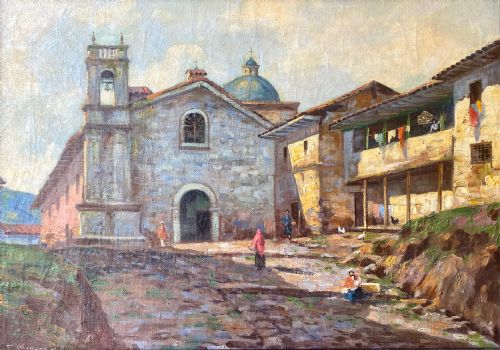
Original Street Scene
An original street scene brings domestic urban life into focus through the direct touch of an artist working on paper or canvas.
Original Street Scene
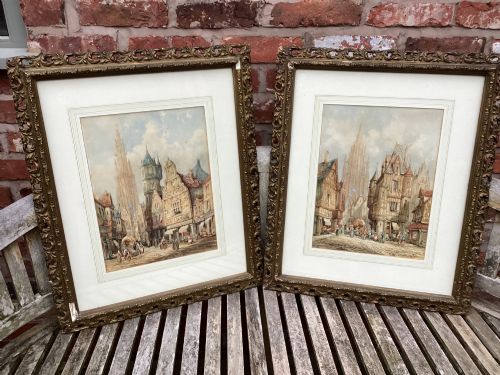
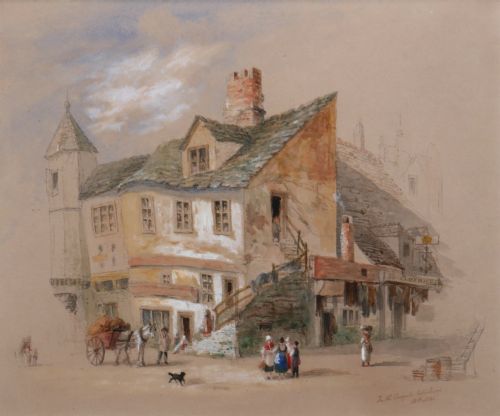
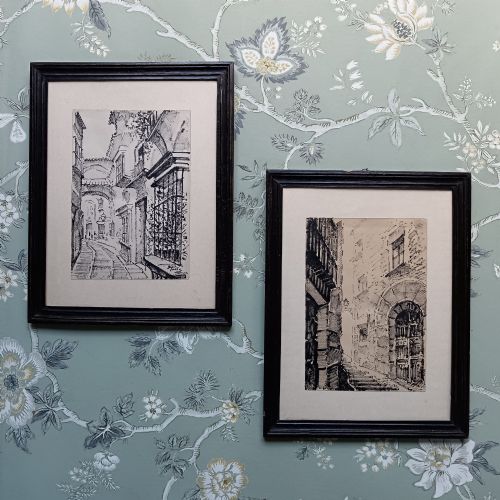
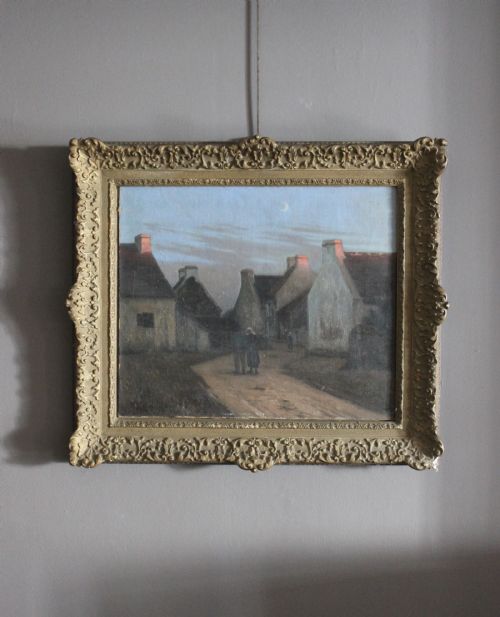
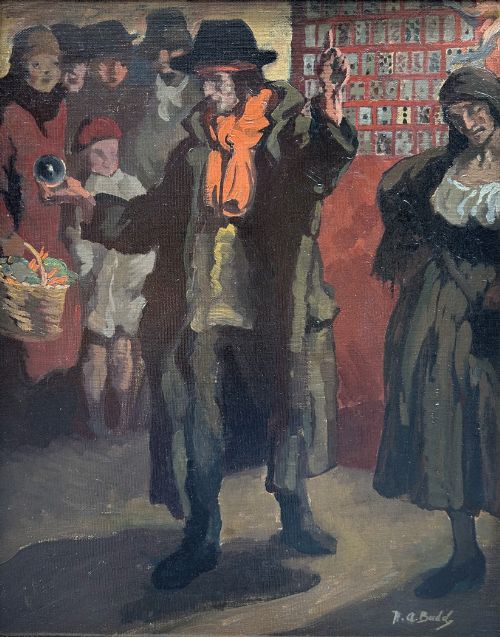
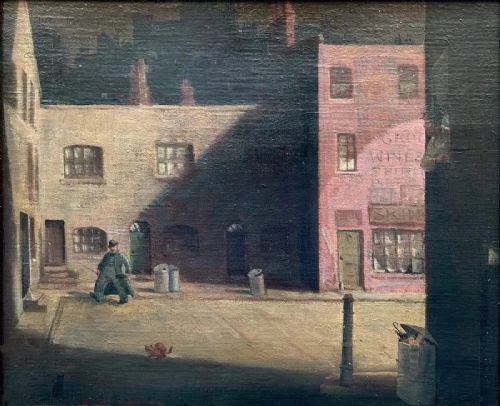
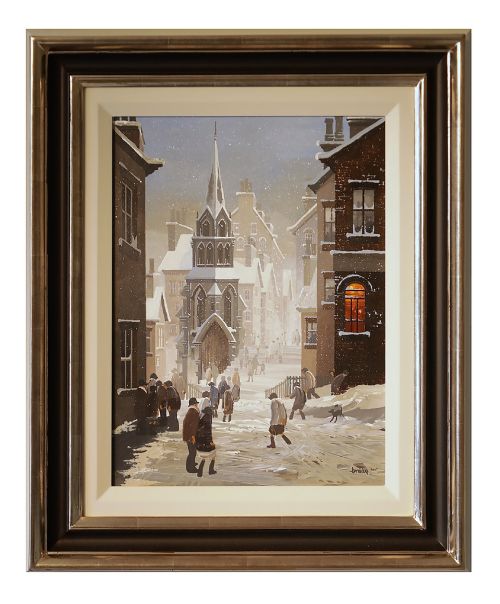
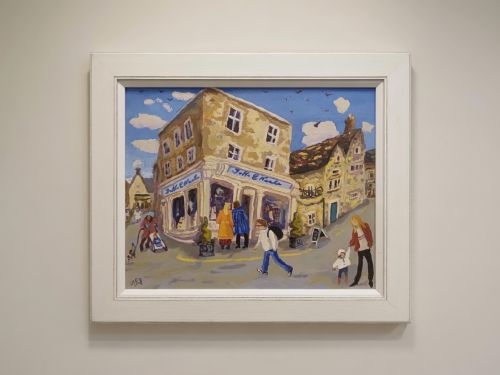
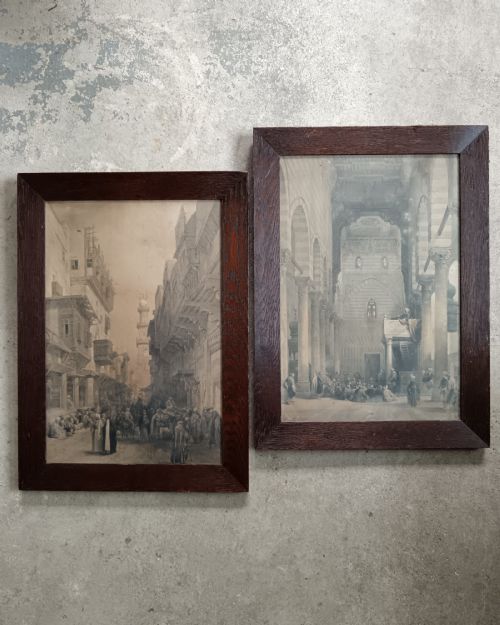
An original street scene captures everyday urban life, architectural facades and bustling markets from the nineteenth century through to the mid-twentieth century. These works document specific locations ranging from London and Edinburgh thoroughfares to continental European townscapes.
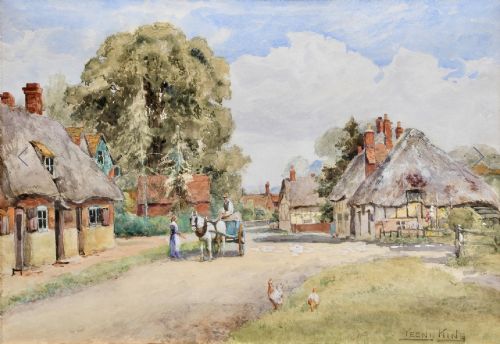
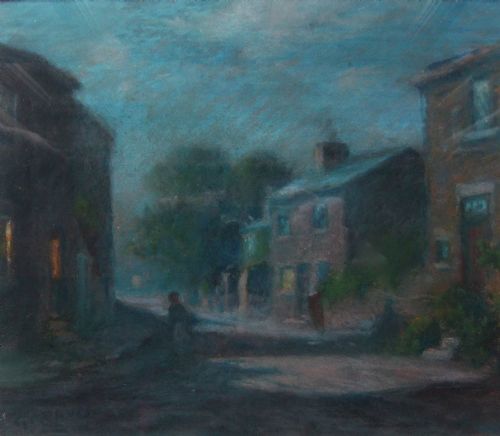
The selections available here lean heavily into traditional watercolours and oil paintings, alongside occasional pastel works and ink drawings. Subjects vary from quiet village lanes to crowded plazas with figures.
Makers span diverse regional schools, capturing local topography and shifting atmospheric conditions under Victorian, Edwardian, and mid-century modern aesthetic frameworks.
How they were made
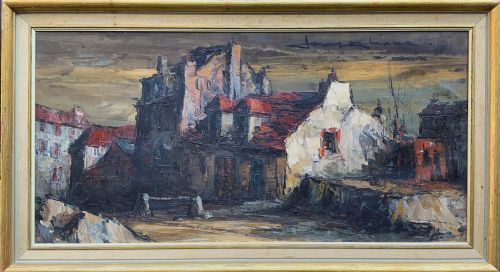
Artists typically applied watercolours on paper or oil paint onto canvas and wood boards, sometimes building heavy impasto textures to describe light and movement. Pigments were handled either with the fluid transparency characteristic of British watercolour traditions or the richer opacity of oil.
Many works retain their original period wood frames and glass protection, which safeguard the fragile paper supports and delicate paint layers from environmental damage.
Original Street Scene Retail Price Guide 2026
Typical asking prices for original street scene among the pieces listed under this phrase on Sellingantiques today, from the lower quarter to the upper quarter. They describe what is for sale here now, not the wider market.
Several street scenes capture rain-slicked pavements where top-hatted gentlemen and bundled market vendors share the damp thoroughfare in quiet British weather.
What varies in quality
Quality rests primarily on the artist's command of perspective, handling of light, and ability to animate urban space with convincing figures rather than mere architectural rendering. Superior pieces convey genuine atmospheric depth and a sure sense of place.
The preservation of the paint surface and paper support dictates enduring visual strength, with unblemished watercolours and stable oil canvases representing the upper tier of survivals.
Muriel Metcalfe·Thomas Fenwick·Jean Corbeau·Herbert Ashwin Budd·Brian Shields Braaq·David Roberts·Albert Ludovici Jnr·William Greaves·Charles James Lauder·Cornelis Christian Dommersen·Lewis J Wood·George Whyatt·Joseph W Milliken·Charles H Poingdestre·William Manners·Rowland Henry Hill·Donald McIntyre·Walter Emsley·Fred Lawson·Tom Dudley
The Original Street Scene Glossary
- Impasto
- Paint applied thickly to a canvas or board so that it stands out from the surface. This technique preserves the physical gesture of the brush and catches real light.
- Watercolour
- A painting method in which the paints are made of pigments suspended in a water-based solution. It relies on the white of the paper to provide luminosity.
- Townscape
- A painting, drawing, or other work capturing a urban landscape or city view. These compositions focus on streets, buildings, and public squares.
- Impressionism
- A style of painting that emphasises accurate depiction of light in its changing qualities. Works in this vein prioritize spontaneous brushwork over rigid detail.
- Genre painting
- The pictorial representation of scenes from everyday life. These works depict ordinary people engaged in common activities in public or private spaces.
Original Street Scene: Frequently Asked Questions
What defines an original street scene?
An original street scene is a unique, hand-painted or hand-drawn artwork depicting public urban spaces, buildings, and daily life. These pieces are created directly by the artist rather than reproduced mechanically.
They serve as historical records of changing towns and cities while offering an intimate artistic interpretation of local atmosphere.
How can I tell a Victorian street scene from a mid-century work?
Victorian and Edwardian works typically feature detailed architectural rendering, muted palettes, and traditional costume reflecting nineteenth-century life. Mid-century pieces often employ looser brushwork, bolder colour choices, and simplified modernist forms.
Examining the materials, framing style, and the artist's recorded working period helps confirm the date of execution.
Are oil paintings on board different from canvas works?
Oil paintings on board utilise a rigid wooden or composition support rather than stretched woven fabric. This foundation often provides greater physical stability against punctures but requires monitoring for wood movement.
Both supports carry historical oil pigments effectively, though board paintings frequently appear in smaller cabinet sizes suited for intimate display.