



Antique Paper Landscape Sketch
An antique paper landscape sketch captures a fleeting view of countryside or town with directness.
Antique Paper Landscape Sketch
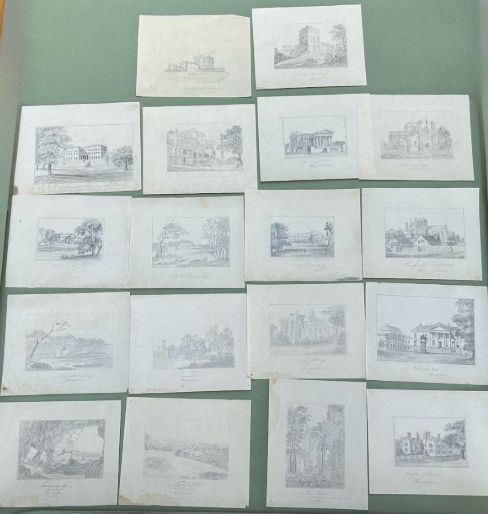
An antique paper landscape sketch brings together intimate topographical records and swift artistic impressions on sheet supports. When seeking an antique paper landscape sketch, collectors encounter works executed across the eighteenth, nineteenth, and early twentieth centuries. These pieces record rural vistas, urban riverbanks, and architectural studies rendered in varied graphic mediums.
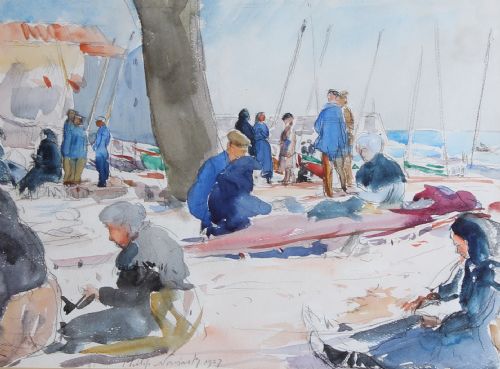
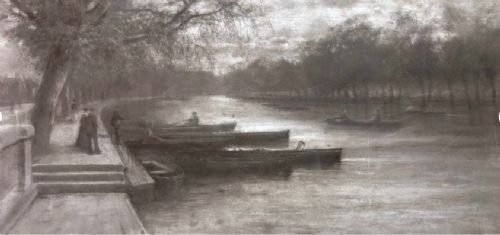
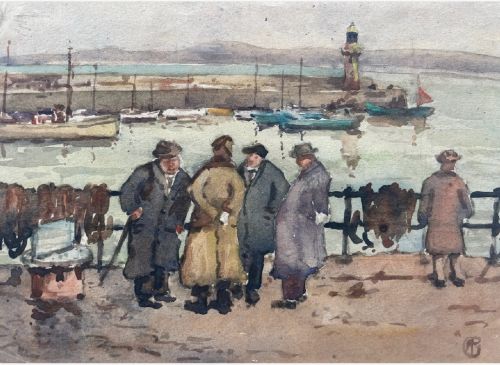
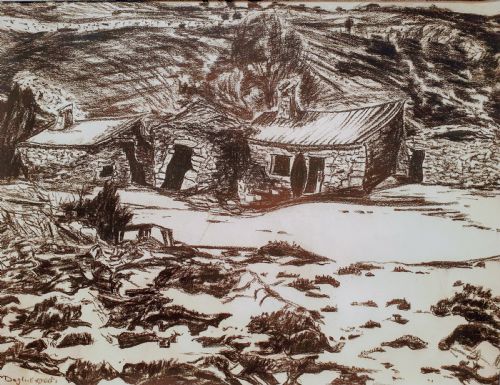
The examples most commonly met on this page span the Georgian era through to the early twentieth century British schools. Many works capture specific locations, from Hampshire fields and Scottish farms to continental scenes in France and Venice. They range from rapid pencil notations to finished watercolours preserved behind glass in wood frames.
How they were made
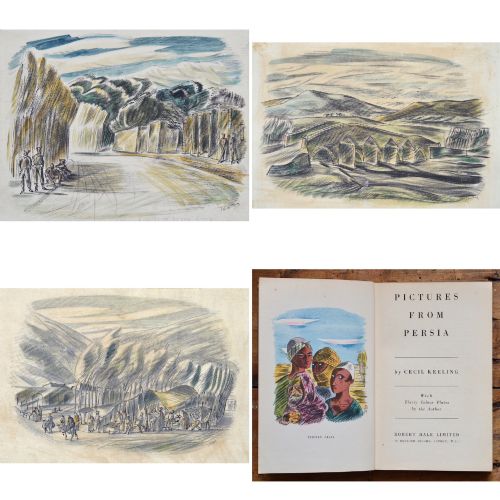
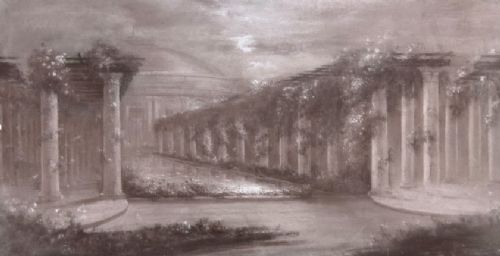
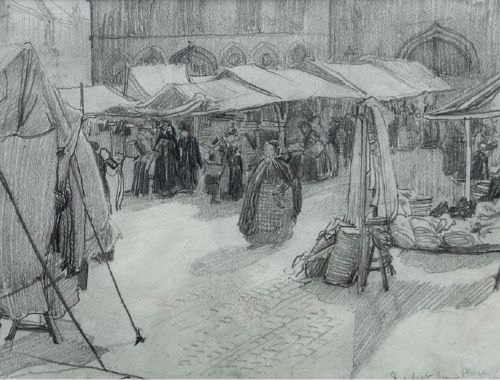
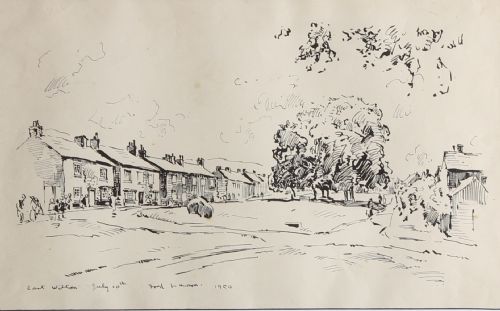
Artists relied primarily on paper supports combined with graphite, charcoal, pen and ink, or watercolour wash. Draughtsmen laid down initial pencil or charcoal lines to establish perspective before applying fluid washes of pigment or ink. These materials allowed practitioners to record landscape details swiftly outdoors or refine compositions later in the studio.
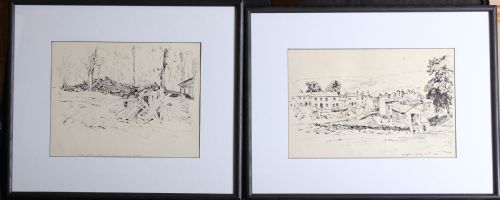
Framing often involved protective glass fitted over the delicate paper sheets, held within timber mouldings or gilt surrounds. The combination of water-soluble pigments and ink on organic paper meant that longevity depended entirely upon careful mounting away from damp and direct sunlight.
Antique Paper Landscape Sketch Retail Price Guide 2026
Typical asking prices for paper landscape sketch among the pieces listed under this phrase on Sellingantiques today, from the lower quarter to the upper quarter. They describe what is for sale here now, not the wider market.
One persistent traveller recorded muddy Lincolnshire townscapes and windy Provençal farmhouses while dodging the local mistral.
What varies in quality
Quality rests upon the sureness of the hand and the economy of line used to define the terrain. A skilled draughtsman captures atmosphere and distance with minimal strokes, whereas weaker works struggle with proportion and perspective. The confidence of the initial sketch separates routine topographical exercises from accomplished works of art.
Condition and provenance further distinguish the finer examples from ordinary sheets. Paper that retains its original tone without excessive foxing, paired with clear attribution to a named hand or documented sketchbook, elevates the standing of the piece within historical collections.
Henry Percy Huggill·George F Pennington·Edward Dayes·Hercules Brabazon Brabazon·Sir Francis Leggatt Chantrey·Maurice Asselin·Fred Lawson·Peter Tillemans·Henry Bright·Henry Edridge·Henri Joseph Harpignies·Thomas Monro·Thomas Lound
The Antique Paper Landscape Sketch Glossary
- Wash
- A thin, transparent layer of diluted watercolour paint or ink applied with a brush to create tonal depth and shadow. It allows artists to build atmospheric effects swiftly across paper.
- Graphite
- A form of carbon used in pencils for drawing and sketching. It produces various grades of grey marks depending on the hardness of the lead.
- Foxing
- Brown age spots that appear on old paper due to chemical reactions involving iron impurities within the pulp. It is a common occurrence in works dating from the eighteenth and nineteenth centuries.
- Woodblock print
- An image produced from a carved block of wood inked and pressed onto paper. It often appears alongside original drawings in collections of landscape views.
Antique Paper Landscape Sketch: Frequently Asked Questions
Were these sketches meant to be finished artworks?
Many sheets served as preliminary studies or field records intended for the artist's private reference rather than public exhibition. Painters used quick pencil and wash drawings to capture lighting and composition before executing large canvas works.
Other examples were completed as finished watercolours or detailed topographical views meant to be mounted and displayed. Both functional studies and finished sheets survive within historical collections.
How can I tell the date of a paper sketch?
Dating relies on the watermark within the paper stock, the framing style, and the clothing or architecture depicted in the scene. Stylistic clues such as the handling of watercolour and the specific palette offer further indicators of period.
Signatures, inscriptions, and artist attributions written on the reverse or mount provide additional historical context. Comparative study with dated works by the same school narrows down the era.
What is the difference between a sketch and a watercolour painting?
A sketch relies primarily on line work in pencil, ink, or charcoal to outline a subject with rapid strokes. It prioritises movement and immediate observation over complete tonal coverage.
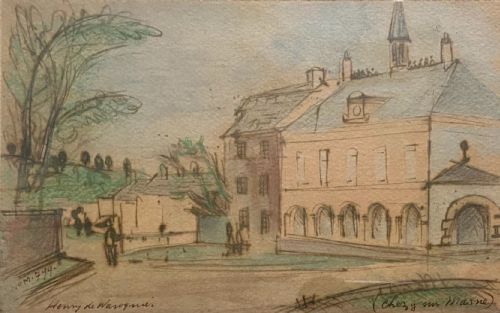
A watercolour painting employs layered pigment washes to build full colour and atmosphere across the sheet. Many antique works combine both approaches by using ink lines beneath applied washes.