



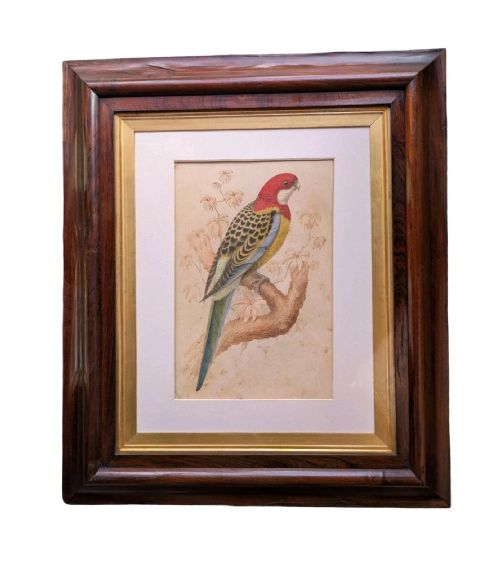
Original 19th Century Picture
An original 19th century picture brings the brushwork, paper, and framing of the Victorian era directly into a modern room.
Original 19th Century Picture
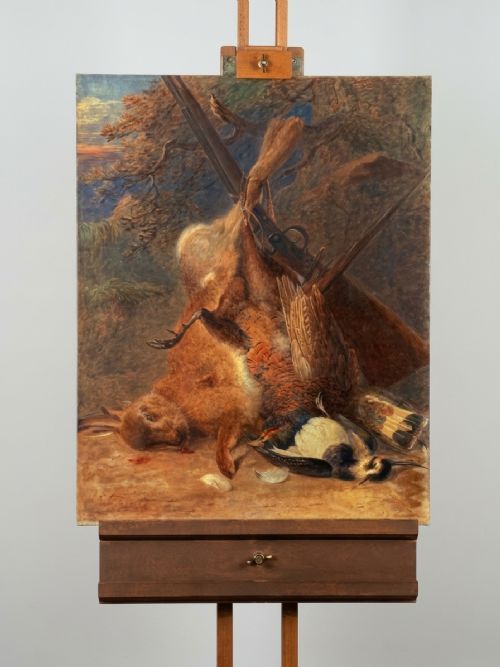
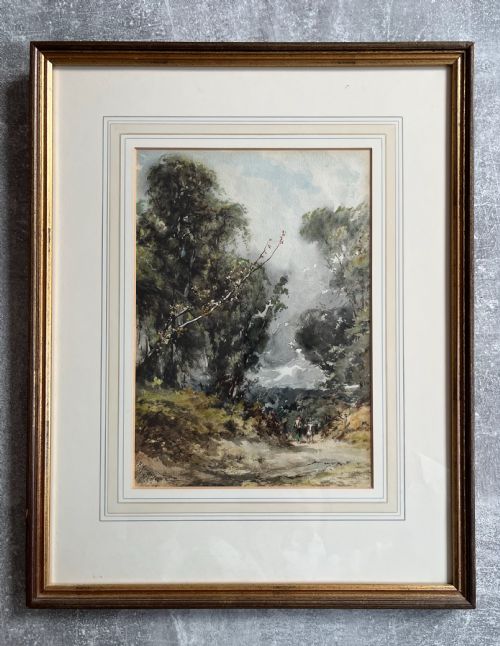
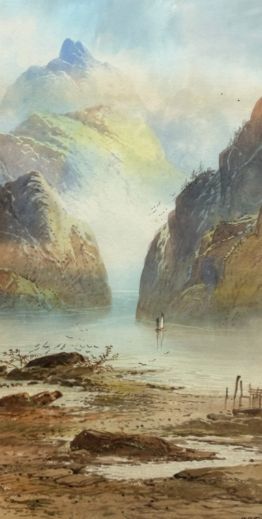
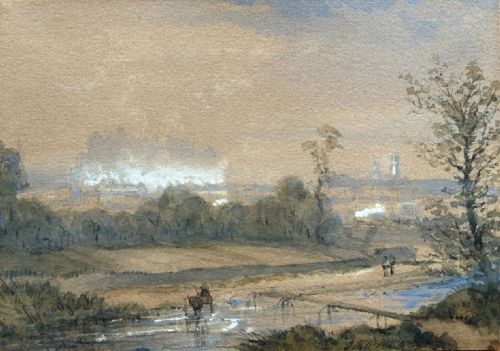
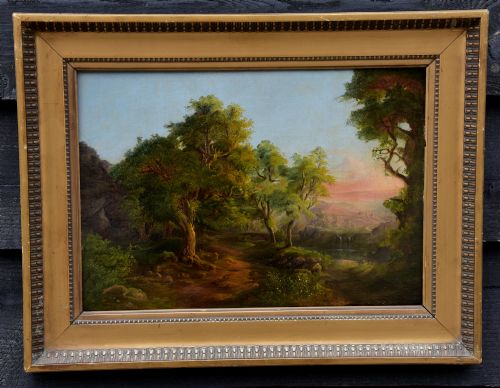
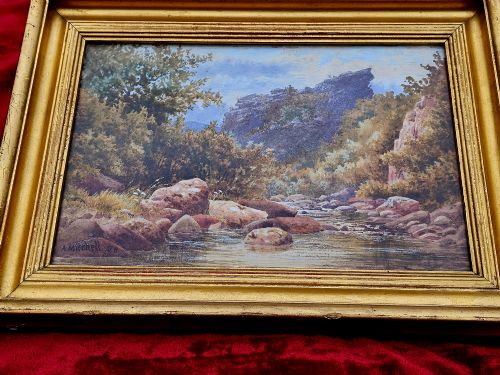
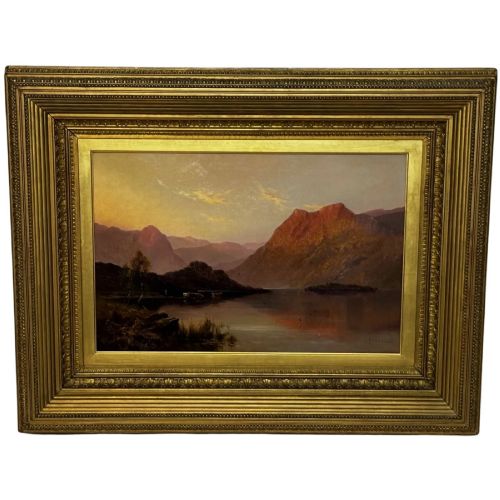
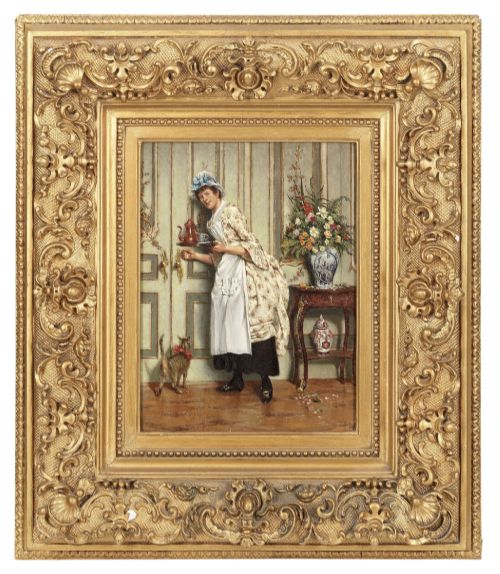
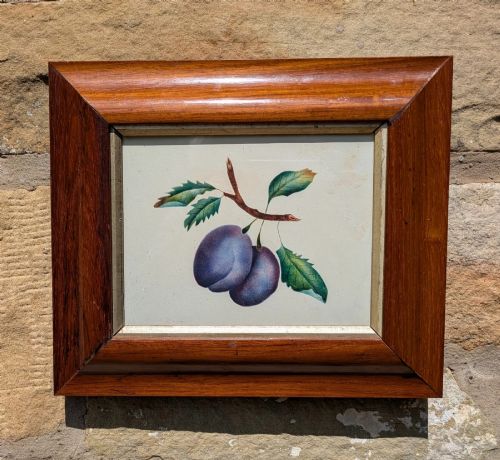
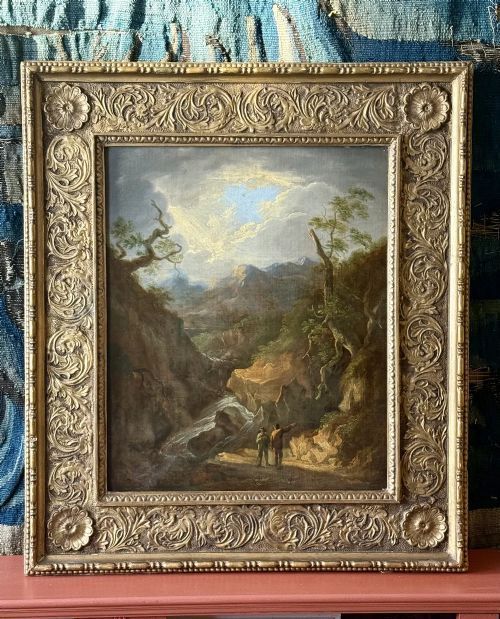
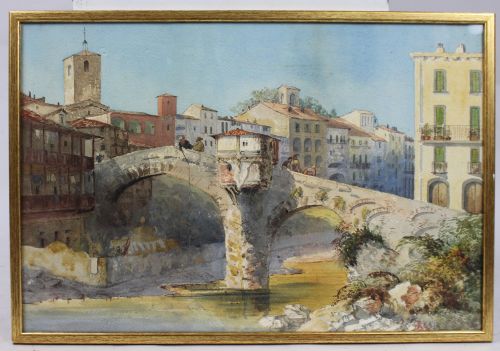
When you search for an original 19th century picture, you encounter framed works spanning watercolours, oil paintings, drawings, and prints created during the Victorian and Edwardian periods. The most common versions on this page are landscape watercolours and oil paintings on canvas, board, or wood panels produced by British and European artists.
Subjects range from Scottish and Welsh landscapes to botanical studies, marine scenes, and interior genre paintings. Works frequently bear signatures, dates, or attribution to schools such as the Flemish School or Victorian Fine Art.
How they were made
Makers utilised traditional supports including canvas, stretched paper, wood panels, and vellum for their paintings and drawings. Pigments were applied using watercolour, oil, bodycolour, gouache, charcoal, or pastel, often finished with protective glass and housed in gilt wood, rosewood, burr walnut, or maple frames.
Framing techniques included original ornate gilt mouldings and Hogarth frames, which physically secure the paper or panel behind glass or leave oil canvases exposed.
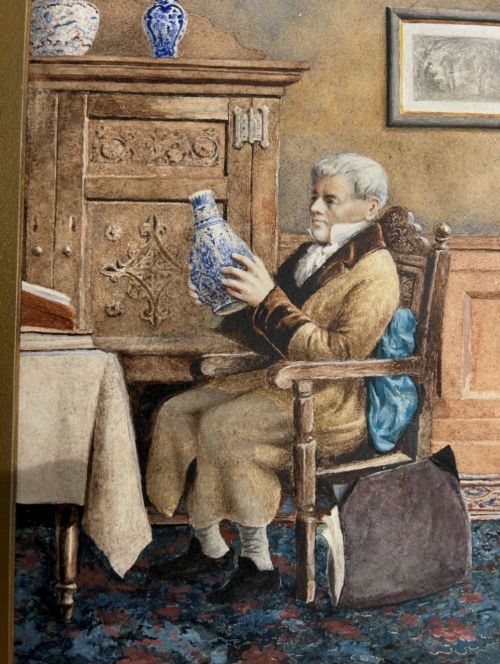
A smiling artist captured a gentleman examining a blue vase in an 19th century watercolour.
What varies in quality
The distinction between tiers of work rests on the dexterity of the brushwork, the handling of light within landscapes or portraits, and the documentary integrity of the piece. Signed and dated works by known exhibitors at institutions like the Royal Academy sit at the upper end, showing confident draftsmanship and compositional depth.
Material preservation also defines the standard, distinguishing pieces with original period frames and stable paper or canvas from those with alterations.
George Sydney Shepherd·George Fotherly Hargitt·William Henry Earp·John R Prentice·Alfred Young Nutt·Henry Stacy Marks·Alfred Fontville de Breanski Jr·Stephen Samuel Lewin·David Bates·Benjamin Barker of Bath·Robert Thorne Waite·Francis Moltino·Harald Foss·Albert Rieger·Maud Raphael Jones·Catherine Thomas·Joseph Farquharson·Herbert Dicksee·Charles Leslie·Renato Moretti·Henry Martin Pope·Thomas Kent Pelham·Louis Haghe·Albert Ludovici Jnr·George Stanfield Walters
The Original 19th Century Picture Glossary
- Watercolour
- A painting method where fine pigment is suspended in water-based solution on paper. It often appears under glass with a mount.
- Bodycolour
- Watercolour mixed with white pigment to make it opaque. This technique adds dense, solid highlights to landscape and botanical works.
- Giltwood
- Wood carved and coated with a thin layer of gold leaf or gilt paint. It is frequently seen on ornate Victorian frames.
- Rebate
- The inner recess of a picture frame where the canvas, panel, or glass sits. Measurements of this area define the visible picture size.
- Provenance
- The documented history of a piece tracing its origin and ownership. This record confirms the authenticity of listed works.
Original 19th Century Picture: Frequently Asked Questions
How do I identify a 19th century painting?
Examine the materials, paper type, and framing style used by the artist. Many works feature period signatures, dates, or inscriptions on the reverse.
Parks, exhibition labels, and canvas stamps from nineteenth-century suppliers further help confirm the period of origin.
Are these paintings original or prints?
The listings include both hand-painted works and period print formats. Descriptions specify whether a piece is an oil painting, watercolour, etching, or lithograph.
Close inspection reveals brush texture for paintings and ink dot patterns or plate marks for printed works.
What frames come with these pictures?
Pieces often arrive in their original period frames made from gilt wood, rosewood, burr walnut, or maple. Some feature ornate Victorian moulding while others use simpler Hogarth designs.
Frame dimensions and rebate sizes are typically recorded to show the exact fit for the artwork.
How should I care for a Victorian watercolour?
Keep paper-based watercolours away from direct sunlight to prevent the pigments from fading. Displaying them in rooms with stable humidity protects the paper and mount.
Glazed frames protect the delicate watercolours from dust and atmospheric pollutants.