


Grey Chalk Drawing
A grey chalk drawing brings intimate historic character to a room, offering immediate connection to hands that worked centuries ago.
Grey Chalk Drawing
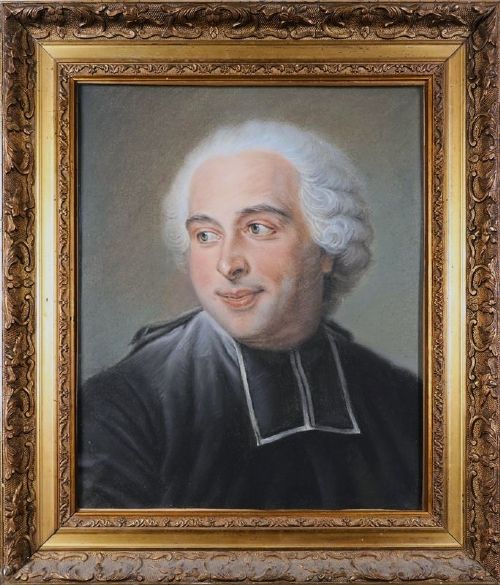
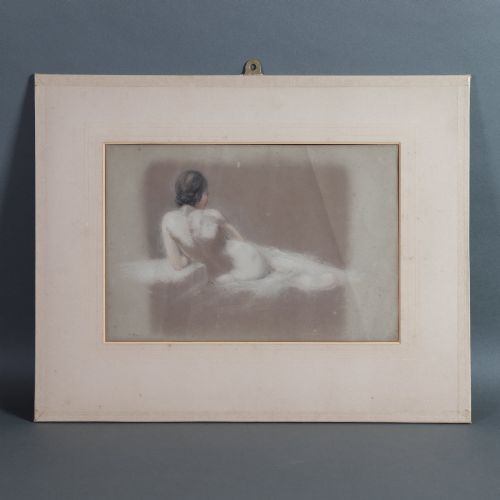
A grey chalk drawing encompasses portraits, figure studies, and landscapes executed on paper, often combined with charcoal or pastel. These works span from the seventeenth century through the twentieth century, reflecting diverse artistic movements including French Neoclassical, Romanticism, and Modern British styles.
The selections available here lean heavily toward historical portrait drawings and figural studies framed as fine art. Buyers encounter both finished presentation pieces and preparatory studies on paper or toned paper that reveal the working methods of past artists.
How they were made
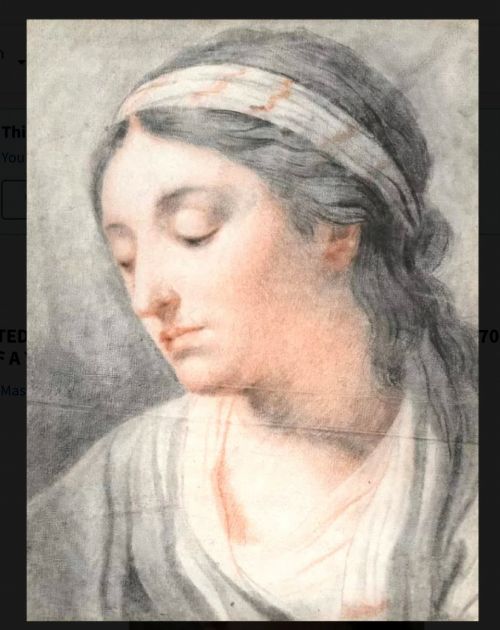
These works rely on chalk, charcoal, and pastel applied directly to paper or toned paper to build form and shadow. Artists utilised the natural tone of the support material to act as mid-tones, adding white heightening and dark chalk lines to create depth and volume.
Framing often involves traditional materials such as giltwood and glass to protect the delicate medium from atmospheric damage and handling. Mixed media elements occasionally appear alongside the core chalk work, particularly in later nineteenth and twentieth-century examples.
Materials recorded span chalk, charcoal, pastel, graphite, and glass within framed fine art formats.
What varies in quality
Quality rests upon the sureness of the draughtsmanship and the vitality captured in the lines of the portrait or study. Works displaying confident handling of anatomy and expression by established hands distinguish themselves from routine academic exercises.
The preservation of the paper surface and the integrity of the chalk medium without excessive smudging dictate the visual impact of the piece. Superior examples retain their crisp tonal contrasts, while lesser pieces suffer from fading or heavy acidification of the support.
William Etty·Pierre-Paul Prud'hon·John Macallan Swan·Frank Dobson·Leo Klin·Henry Bright·George Richmond
The Grey Chalk Drawing Glossary
- Toned paper
- Paper manufactured or prepared with a neutral or coloured tint rather than stark white. This provides a mid-tone ground that allows artists to build up highlights and shadows rapidly.
- Heightening
- The addition of white chalk, lead white, or pastel to accentuate the brightest areas of a drawing. It creates a three-dimensional illusion of light falling across a subject.
- Preparatory study
- A preliminary sketch or drawing executed by an artist to plan a larger composition, portrait, or painting. These works often capture spontaneous observations that finished works lack.
- Manner of
- A term indicating that a work is executed in the style of a specific master but not necessarily by their hand or from their exact period. It denotes stylistic discipleship rather than direct attribution.
- Mixed media
- An artwork combining two or more different artistic materials, such as chalk used alongside graphite or charcoal on the same sheet. It expands the tonal range available to the draughtsman.
Grey Chalk Drawing: Frequently Asked Questions
How do I care for a grey chalk drawing?
Chalk and pastel media remain extremely fragile because loose particles sit on the surface of the paper. Keep these works away from direct sunlight and heavy vibrations that could dislodge the pigment.
Ensure framing uses conservation glass that sits off the surface of the drawing to prevent the paper from touching the glass. Professional mounting protects the delicate medium from humidity and environmental degradation over time.
Are these drawings original works of art?
The selection consists entirely of original hand-drawn artwork rather than mechanical reproductions or prints. Each piece represents a unique historical document created directly by an artist.
Some works are studies after earlier masters, serving as historical exercises or copies created by artists to hone their skills. These still constitute original historical artefacts executed by hand on paper.
How can I tell the period of a drawing?
Dating relies on the paper type, watermark evidence, framing style, and the characteristic draughtsmanship of specific historical periods. Seventeenth and eighteenth-century works often employ laid paper with distinct chain lines.
Stylistic conventions also offer strong clues, such as the formal rigidity of French Neoclassical pieces versus the looser handling found in Modern British or nineteenth-century academic studies. Comparing signatures and attribution notes provides further chronological context.
Where should I hang a framed drawing?
Display these works on interior walls away from direct, harsh sunlight to prevent fading of both the paper support and the delicate chalk pigments. Stable room temperatures and low humidity levels ensure the materials do not warp or degrade.
Because works on paper are sensitive to light exposure, many collectors place them in hallways, studies, or rooms with controlled lighting. Proper placement preserves the contrast and tone of the original execution for decades.