

Antique Portrait on Paper
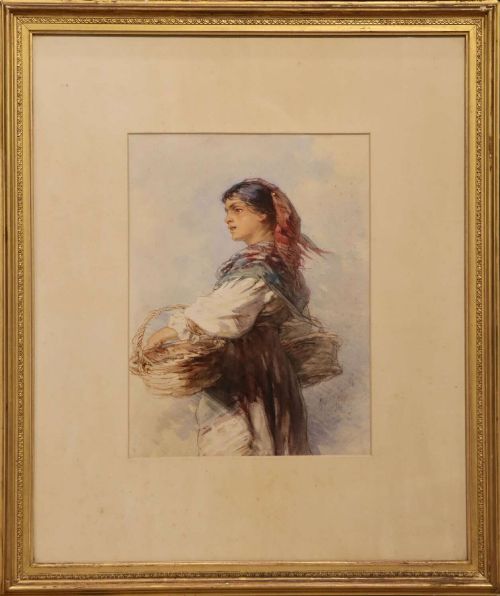
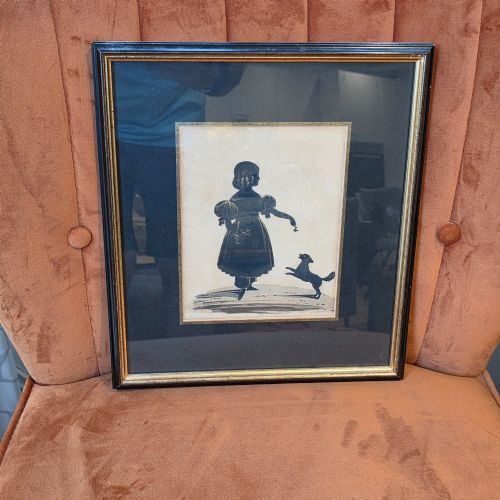
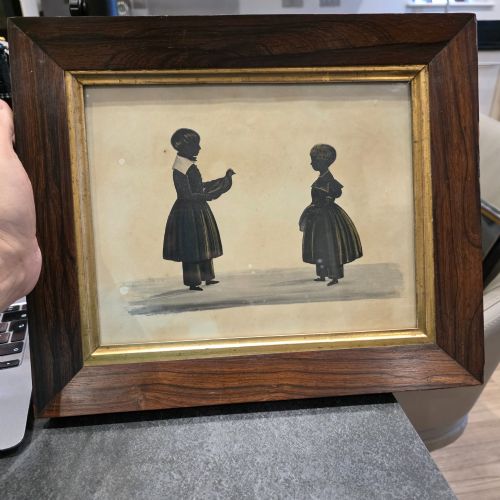
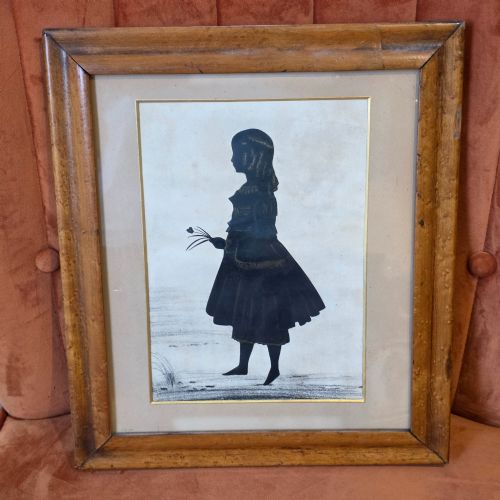
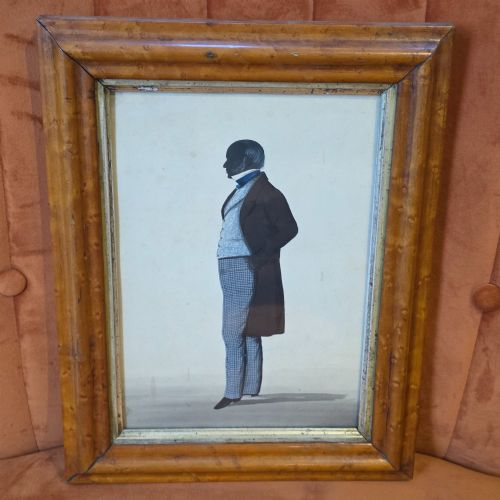
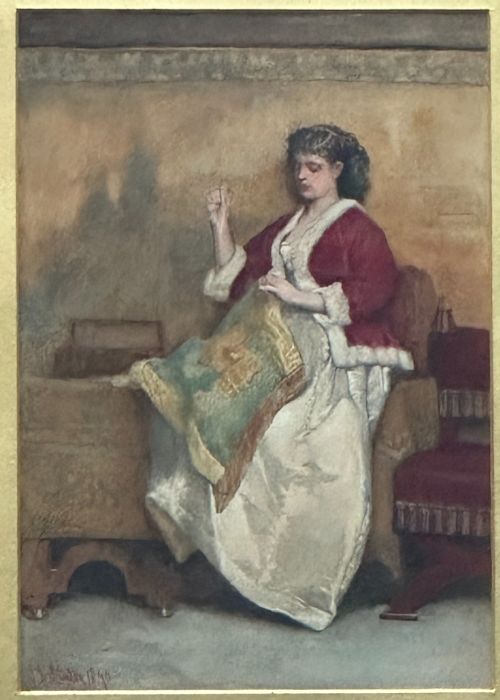
An antique portrait on paper captures individual likenesses through delicate media ranging from silhouette and pastel to fine watercolour.
Antique Portrait on Paper
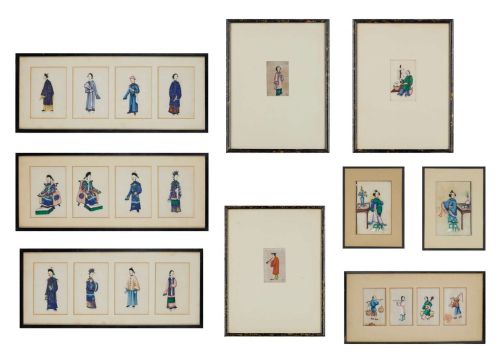
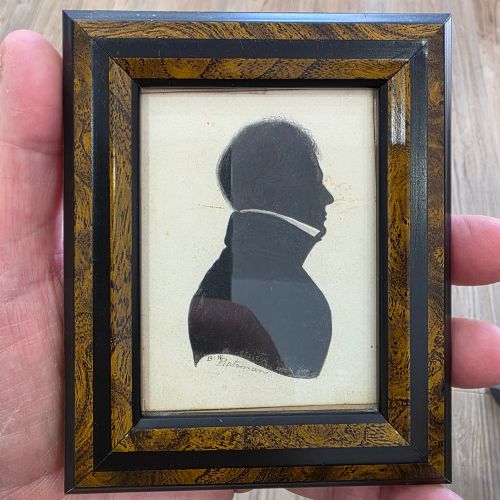
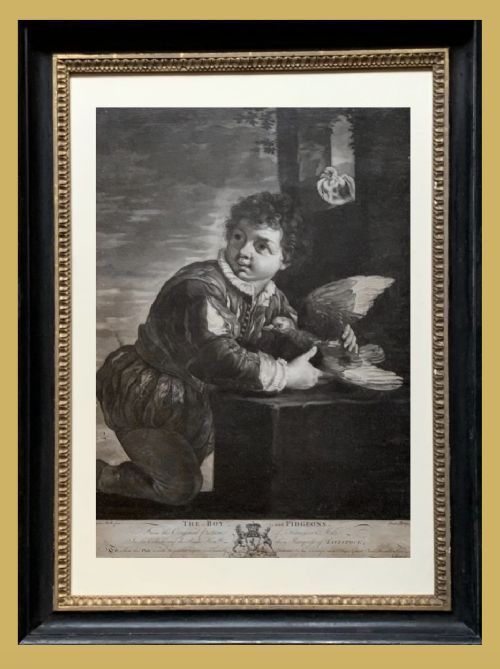
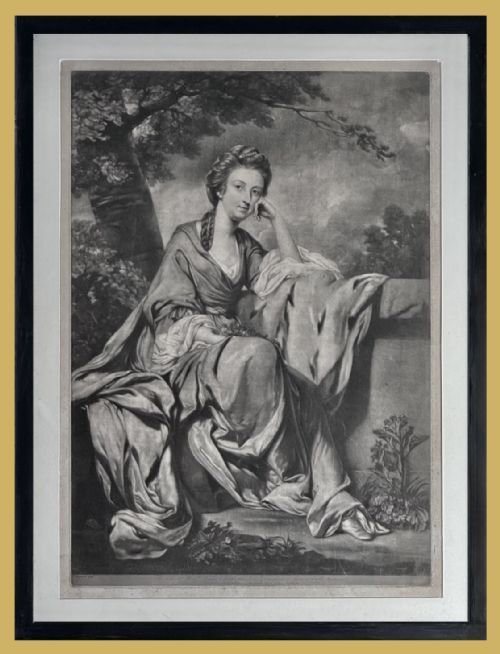
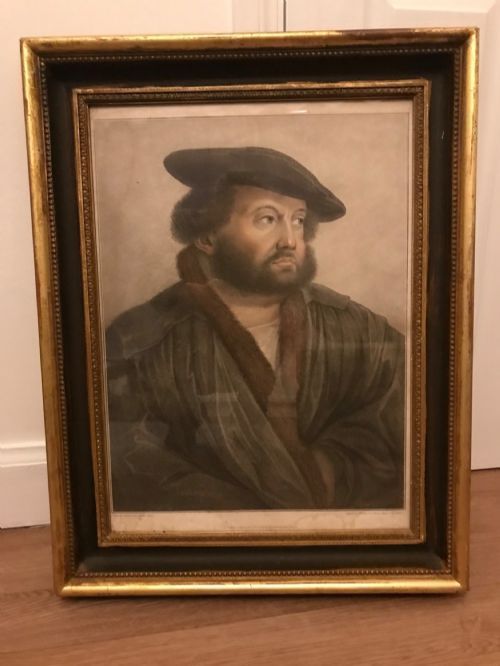
An antique portrait on paper encompasses framed works spanning the seventeenth century through to the mid-twentieth century, including Georgian and Regency periods. Buyers frequently encounter detailed silhouettes, hand-coloured engravings, and atmospheric pastel or watercolour paintings on this marketplace.
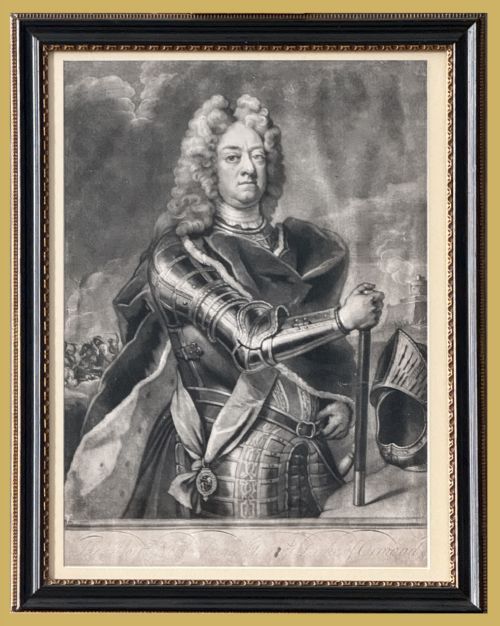
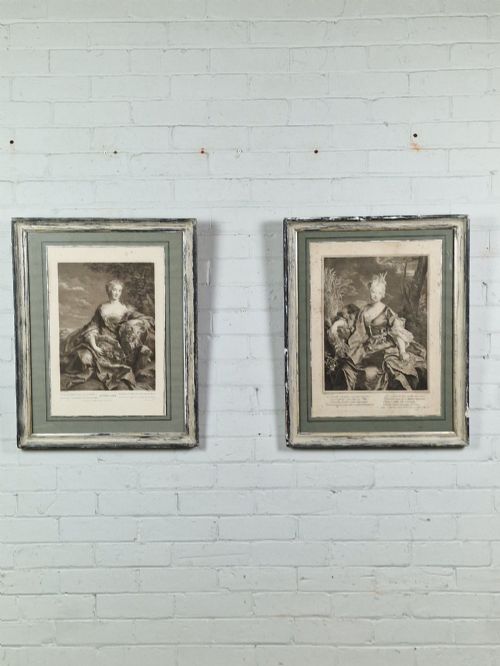
The category incorporates profile studies, aristocratic mezzotints, and characterful drawings executed by British and European artists. Framed examples often retain their original glass and wooden enclosures, preserving the fragile paper surfaces underneath.
Materials and technique
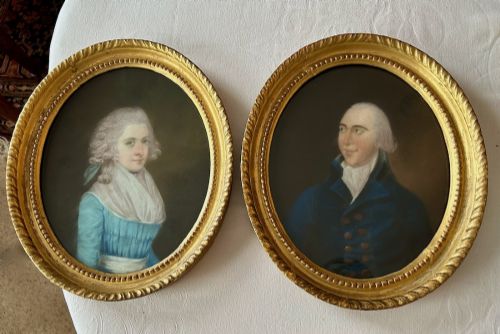
Printmakers utilised copper plates for stipple engravings and mezzotints, transferring ink onto damp paper under pressure. Pastels required dry pigment sticks blended softly across buff or tinted paper grounds to achieve subtle tonal gradients.
Materials span eighteenth-century pastel drawings on paper, nineteenth-century silhouettes, and twentieth-century gouache studies.
Distinctions in quality
Execution skill dictates visual success, separating hurried sketches from masterly portraiture through confident line work, anatomical accuracy, and expressive characterisation. Artists who captured acute likenesses and convincing drapery elevated simple profiles into commanding studies.
Condition and presentation profoundly influence standard, particularly where original wooden frames, period glass, and maker inscriptions remain intact. Works suffering from heavy foxing, acid migration, or moisture damage sit lower in desirability than clean, well-preserved examples.
John Simon·William James Hubard·John Boydell·Edward Fisher·Francesco Bartolozzi·John Smith·James Watson·Augustin Edouart
The Antique Portrait on Paper Glossary
- Mezzotint
- A printmaking process where the copper plate is roughened uniformly to produce rich dark tones, allowing the artist to scrape back lighter areas for dramatic shadow and light. This technique produced velvety tonal portraits popular during the eighteenth century.
- Silhouette
- A solid shape of a person or object, usually showing a profile in black, cut from paper or painted. These were widely commissioned during the eighteenth and nineteenth centuries before the advent of photography.
- Stipple engraving
- A method of producing prints by means of dots rather than lines, creating soft tonal effects resembling drawings. Francesco Bartolozzi popularised this method for reproducing fine portraits.
- Foxing
- Brown spots and discolouration caused by chemical reactions in ageing paper, often accelerated by damp storage conditions. Collectors monitor foxing intensity when assessing the visual stability of a sheet.
- Gouache
- An opaque water-based paint containing pigment, water, a binding agent, and an inert white material. It provides solid, flat areas of colour distinct from translucent watercolour washes.
Antique Portrait on Paper: Frequently Asked Questions
How should I hang antique paper portraits?
Keep framed pieces away from direct sunlight to prevent the watercolour pigments and pastel chalks from fading over time. Maintain stable room humidity to protect the paper substrate from warping or developing mildew.
Ensure that hanging fixings securely support the weight of the original wooden frame and glass. Professional framing using acid-free backing boards offers essential long-term protection.
How do I identify a mezzotint?
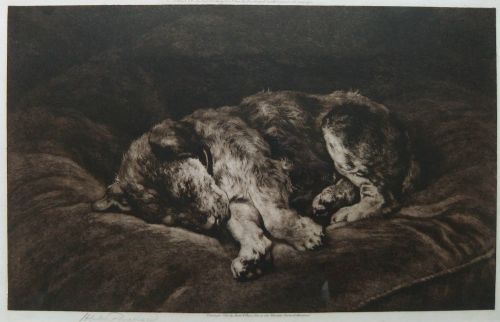
A mezzotint displays rich, velvety dark areas and smooth tonal transitions without the hard lines found in standard line engravings. Close inspection under magnification reveals a dense network of tiny dots and pits transferred from the roughened copper plate.
Printmakers frequently used this tonal method to translate oil paintings by masters like Sir Joshua Reynolds into dramatic print editions. Lettering beneath the image usually records the painter, the sitter, and the engraver.
Why are pastels framed under glass?
Pastel consists of pure powdered pigment held together by a minimal binder, meaning the chalky surface remains fragile and easily smeared. Glass provides a physical barrier that prevents accidental touching or loss of pigment from the paper.
Air space between the pastel surface and the glass is necessary to prevent the chalk from sticking due to condensation. This delicate medium relies entirely on protective framing to survive in pristine condition.